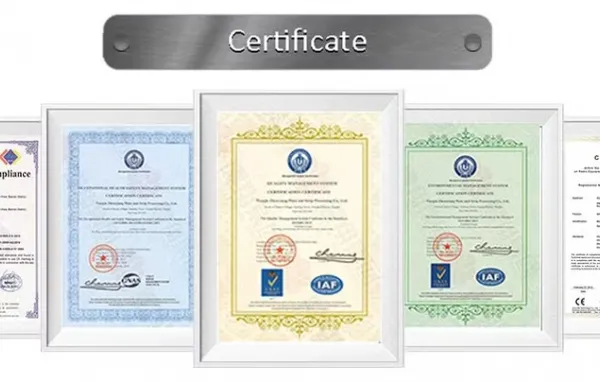

 Business License

Analysis of Common Problems in Stainless Steel Electrolytic Polishing
I. Surface blemishes appear on the workpiece
The main reason is the uneven distribution of current density, and there are many factors that affect the uneven distribution of current density. The main ones are as follows:
1. The fixture structure causes uneven current density distribution. Improving the fixture structure to make the contact between the fixture and the workpiece more balanced and uniform, and try to increase the contact area between the fixture and the workpiece while ensuring the qualification of the fixture.
2. The specific gravity of the electrolytic polishing solution decreases or exceeds the maximum value. If it exceeds the required specific gravity range, surface blemishes are likely to occur on the workpiece. The optimal specific gravity of the electrolytic solution is 1.72.
3. High temperature. High temperature can increase the conductivity of the electrolytic solution and increase the surface brightness of the workpiece, but it is prone to cause uneven current density distribution and produce blemishes.
4. Re-worked parts. Blemishes are likely to occur on the surface of the workpiece during the second electrolytic polishing. To avoid the occurrence of blemishes in the second process, the time and current size of the second electrolytic polishing must be reduced accordingly.
5. Poor gas escape, poor gas escape mainly occurs when the angle of the fixture installed on the workpiece is unreasonable. The hole opening direction of the workpiece should be upward as much as possible. Adjust the fixture to the appropriate angle to make the gas generated during electrolytic polishing easily dissipate.
6. Electrolytic polishing time is too long. Electrolytic polishing is a microscopic leveling process. When the surface of the workpiece reaches microscopic bright and smooth, the surface of the part will stop oxidizing. If the electrolysis continues, over-corrosion phenomena will occur and blemishes will appear.
7. Excessive current. When the part is undergoing electrolytic polishing, if the current passing through the part is too large, the dissolution state of the part surface will be greater than the oxidation state of the part surface. Then the part surface will be overly corroded and blemishes will appear.
II. Surface burn
The reasons for this undesirable phenomenon mainly include the following:
1. When the operator clamps the part before electrolytic polishing, the part and the fixture are not properly positioned. The part becomes loose. Especially during electrolytic polishing, the part is in a shaking state. After the part becomes loose, the contact points between the fixture and the part are not tight, or the negative electrode of the fixture directly contacts the part, causing a short circuit and burn.
2. After the operator clamps the part, they do not perform a short-circuit test on the fixture before electrolytic polishing. Without the short-circuit test, it is impossible to determine whether the part being clamped is in contact with the negative electrode. When the part is in contact with the negative electrode, it will cause burn.
3. Fixture factor. When the fixture has been used for a long time, it will be damaged. Especially the area where the fixture contacts the part. When the contact points of the fixture become uneven, the current density at the areas with higher current will be more likely to cause burn.
III. Surface whitening, blackening, and yellowing
1. Surface whitening. Surface whitening of the part is mainly caused by subsequent operations. The main reason is that it occurs during the drying process in the oven. The temperature of the workpiece in the oven is too high, and the water vapor in the oven and on the surface of the workpiece cannot be well discharged. To improve this problem, the oven temperature should be controlled at 80 ± 2℃, and a gas circulation system oven should be used.
2. Surface blackening. This undesirable phenomenon mainly occurs at the contact area between the part and the fixture. It is mainly caused by the fixture. After the previous part is polished electrolytically, the part needs to be taken off from the fixture in 10% concentrated nitric acid. After taking off the part, the fixture needs to be cleaned in water before continuing to process the next part.
3. Surface yellowing. This undesirable phenomenon mainly occurs at the contact area between the part and the fixture. When the contact area between the part and the anode plate of the fixture is relatively small, due to the high temperature and heat generated at the contact point during electrolytic polishing, the contact surface cannot be cooled by the electrolyte, so there will be slight burn - yellowing; improvement methods: mainly by reasonably improving the contact points of the fixture or adjusting the electrolytic polishing parameters. 4. There are black and charred hanging points on the workpiece.
The reason for the formation of these hanging points is that the electrolytic workpiece requires a large amount of current for operation, but the current that the hanging fixture can handle is limited and has exceeded the maximum current that the hanging fixture can withstand. Solution:
1. Choose materials with better electrical conductivity for the hanging fixtures: Generally speaking, the electrical conductivity of copper is more than 20 times that of titanium. Therefore, the electrical conductivity of copper hanging fixtures is stronger than that of titanium hanging fixtures, and it is less likely to cause hanging points. Generally, phosphor copper with elasticity and good hardness can be used as hanging fixtures. Of course, the lifespan of the hanging fixtures should also be considered. Titanium hanging fixtures are significantly superior to copper wires in terms of corrosion resistance.
2. Appropriately increase the hanging points: First, it is necessary to determine the hanging point situation of the workpiece after electrolysis under the current hanging points. If only slight hanging points occur under the current conditions, increasing the hanging points can basically solve the problem.
3. Appropriately lower the voltage: The higher the voltage, the faster the light emission speed will be, and the electrolysis time can be reduced, improving production efficiency. Therefore, during factory production, a voltage slightly higher than the normal voltage is usually adopted to achieve the purpose of improving production efficiency. However, when the adjusted voltage is too high, it is likely to exceed the maximum load of the wire drawing, causing hanging points.
4. Can reduce or control the temperature of the electrolyte: When the electrolyte temperature is higher, the conductivity of the hanging fixture will significantly decrease, and the current required by the workpiece will significantly increase. This will cause the hanging fixture to be overloaded and produce hanging points. In this case, appropriately reducing the temperature of the electrolyte can solve the problem. When hanging points occur at a temperature above 80 degrees, a cooling tank can be built around the electrolytic tank to surround the electrolytic tank and use circulating water to control the temperature of the electrolytic cell.
5. Analysis of other polishing defect causes
Polishing defect: Surface has spots or small patches
Cause: Surface has oil stains or rust
Polishing defect: Excessive corrosion at the edges and tips of the workpiece
Cause: Excessive current, high temperature or long time
Polishing defect: White stripes on the surface of the workpiece
Cause: Excessive electrolyte density
Polishing defect: Uneven effect of workpieces in the same cell
Cause: Too many workpieces or mutual shielding
Polishing defect: Excessive foam on the surface of the electrolyte
Cause: Workpieces not cleaned thoroughly
Polishing defect: Lack of luster and white spots on the surface
Cause: Excessive chromium anhydride content
Polishing defect: High electricity cost
Cause: Excessive current density
Polishing defect: Sparking during electrolysis
Cause: Poor contact between the hanging fixture and the workpiece
Recently Posted
-
Does the stainless steel welded pipe have specific temperature requirements during the solution heat
January 20, 2026Solution heat treatment involves heating stainless steel to a high temperature and then rapidly cooling it to achieve an oversatur Read More
 -
Can stainless steel welded pipes be made into thick pipes
January 20, 2026With the improvement of high-quality welding technology and increasingly strict weld inspection, the application fields of s Read More
 -
Three types of commonly available food-grade stainless steel on the market
January 20, 2026The common food-grade stainless steel pipes are mainly composed of iron, chromium and carbon and other elements. Household stainle Read More
 -
What are the requirements for stainless steel welding pipe production equipment
January 20, 2026As is well known, stainless steel welded pipes have been widely used in various industries such as machinery, chemical engineering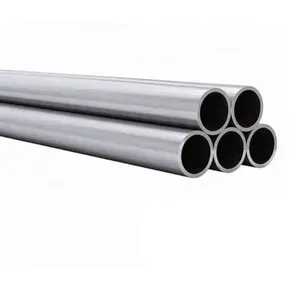 Read More

Contact Us
Recommended Products
-
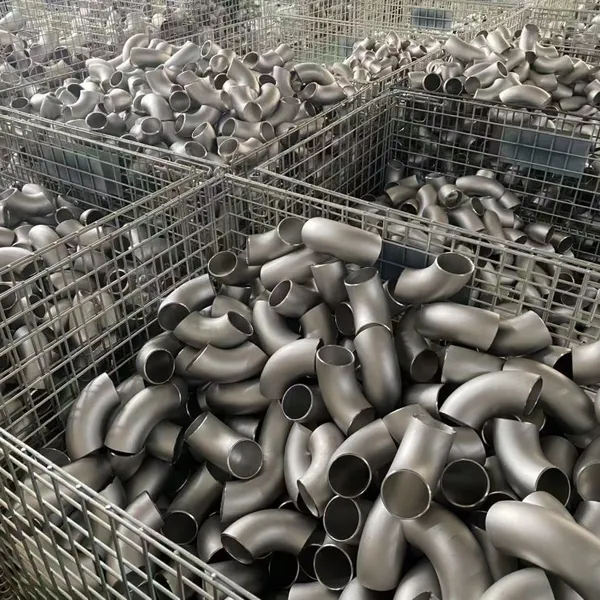
 Stainless Steel Elbow Welded Elbow 45/90/180-degree Seamless Pressed Elbow Long Radius Elbow Short Radius Elbow WholesaleNegotiableMOQ: 1 Piece
 -
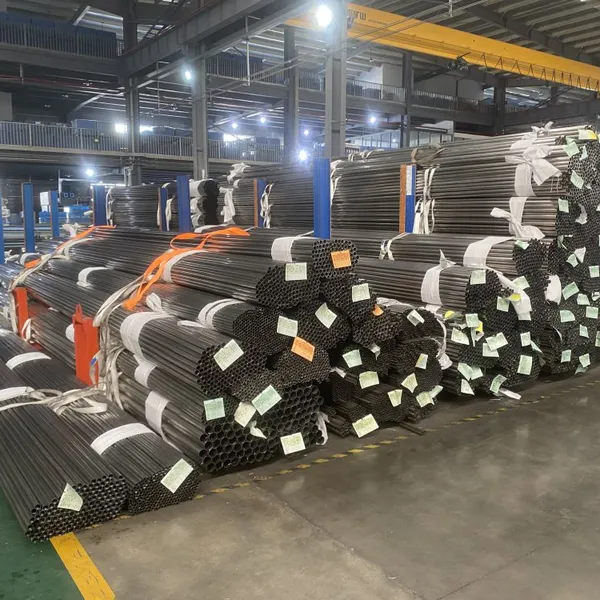
316L/1.4405 Seamless Stainless Steel PipeNegotiableMOQ: 2 Meters
-
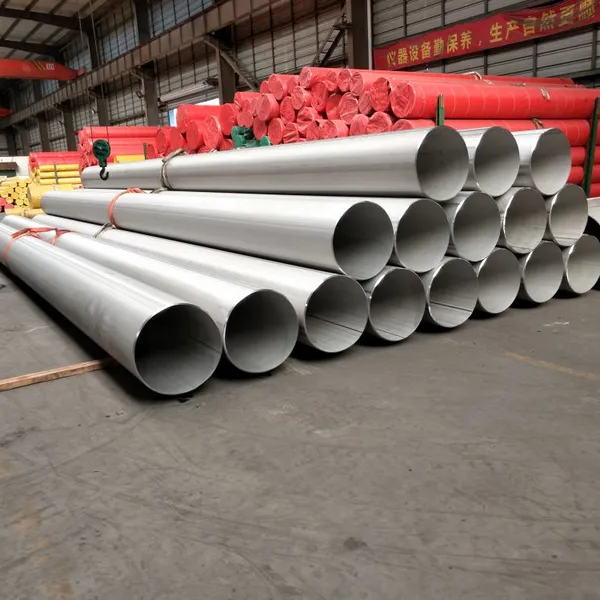
310s 440 Seamless Sanitary Piping Price 321 904l 201 20 Inch Seamless Steel Pipe A554 Stainless Steel PipeNegotiableMOQ: 1 Piece
-
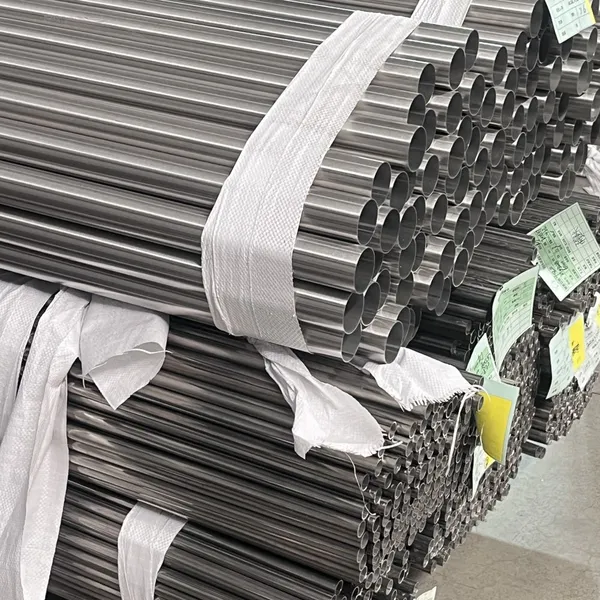
China Brand ZZ Wholesale 304L 316 316L Welded Austenitic Piping Stainless Steel Pipe SupplierNegotiableMOQ: 2 Meters
-
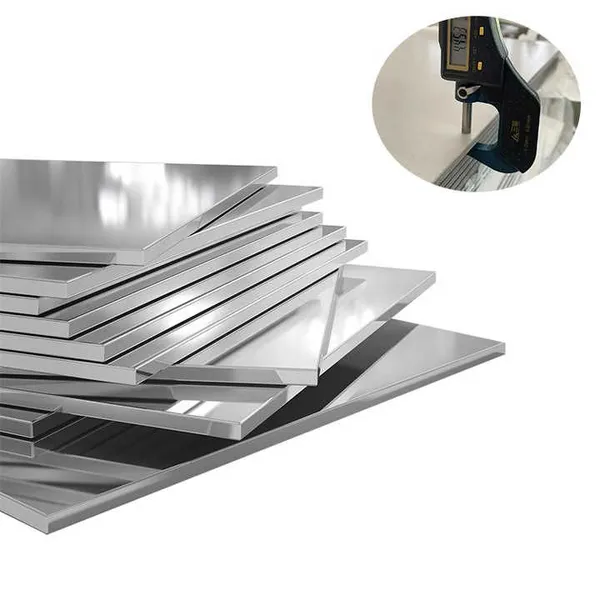
304/304L/316/409/410/904L/2205/2507/310H Premium Stainless Steel Sheets Supplier Custom Sizes & FinishesUS$ 1.72MOQ: 1 Ton
-
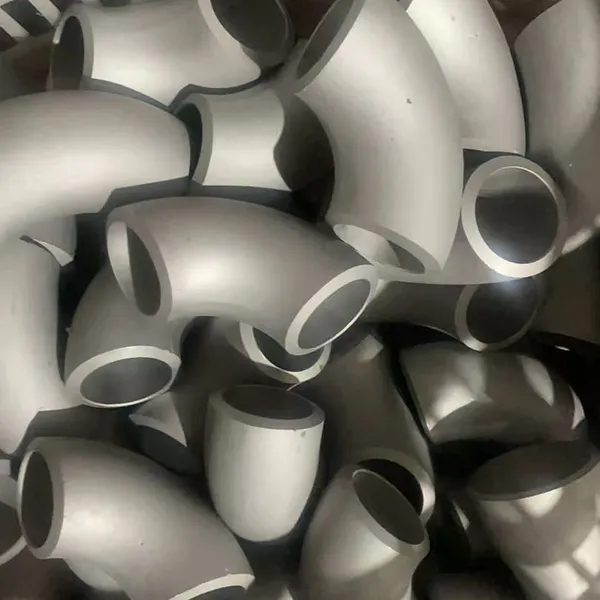
Stainless Steel ASME B16.9 Sch 45 90 Degree Pipe Fittings ElbowUS$ 8MOQ: 1 Piece
-
China Brand Zz 304L 316/316L GB En JIS Standard Thin Wall Welded Stainless Steel Water Pipe/TubeNegotiableMOQ: 2 Meters
-
BA 4 Inch 6 Inch 8 Inch 201 304 304L 316 316L Welded Seamless Stainless Steel PipeNegotiableMOQ: 2 Meters
-
ASME B36.19M-2004 SCH40S Stainless Steel Pipe - Complies With EU 3.1 CertificationUS$ 1 - 650MOQ: 1 Piece
-
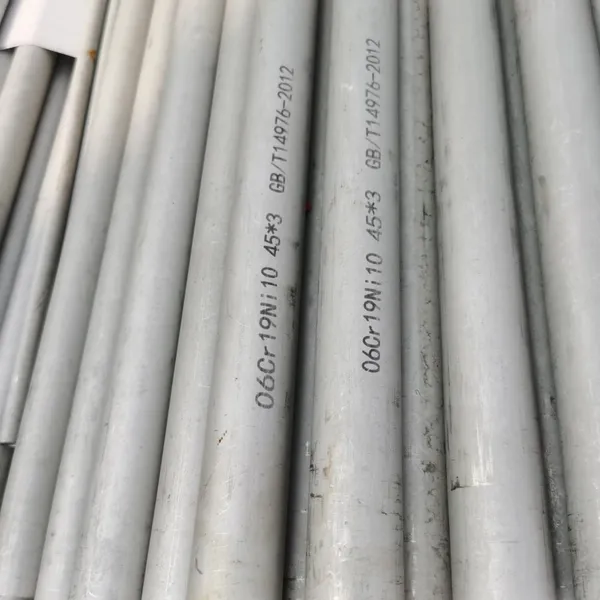
Factory TP309/TP309S/TP309H (UNS30900) Seamless Stainless Steel Pipe and Tube for Boiler BafflesUS$ 8MOQ: 200 Kilograms
-
TP347/TP347H/1.4961/S34709 Seamless Stainless Steel Pipe for UseNegotiableMOQ: 2 Meters
-
China 304 316 Stainless Steel Sanitary Welded Tube Food Grade Sanitary Grade Welded Pipe PolishingNegotiableMOQ: 1 Piece
-
China Manufacture Stainless Steel 316L Ba Seamless Welded Steel Pipe TubesUS$ 1760 - 1860MOQ: 5 Tons
-
316L/1.4405 Seamless Stainless Steel PipeNegotiableMOQ: 2 Meters
-
Stainless Steel Globe Valve – High Durability & Corrosion ResistanceNegotiableMOQ: 1 Piece
-
World's Most Affordable Color-Coated Steel Sheets - 0.3mm to 3mm Thickness - Mill Test Report IncludedUS$ 1102MOQ: 10 Kilograms
-
Color-Coated Steel Sheets With 15-Year Fade Warranty - JIS G 3322 Standard CompliantUS$ 1102MOQ: 10 Kilograms
-
Prefab Building Material - 0.4mm Color-Coated Corrugated Sheets - 100,000㎡ Monthly OutputUS$ 1102MOQ: 10 Kilograms
-
Industrial-Grade Color-Coated Sheets - 150-250g/m² Zinc Coating - Weather & UV ResistantUS$ 1102MOQ: 10 Kilograms
-
Factory-Direct Color-Coated Steel Plates - PVDF/Polyester Coating - 1220mm Standard WidthUS$ 1102MOQ: 10 Kilograms