
 Business License

What are the differences between 347H stainless steel pipe and 316L stainless steel pipe
The 347H stainless steel pipe and the 316L stainless steel pipe have significant differences in composition design, performance, and application scenarios. The following presents a comparative analysis from six dimensions:
1. Differences in core alloy elements
Picture (Picture One)
II. Key Performance Comparison
1. High Temperature Mechanical Properties 347H
Tensile strength ≥ 515 MPa (ASTM A213), the service stress remains above 100 MPa at 600℃. The maximum oxidation resistance temperature is 850℃ (for non-pressure-bearing components). It is suitable for the high-temperature superheater of supercritical power station boilers (such as the Φ51×8mm steel pipe of Huaneng Jinggangshan Power Plant). 316L
Tensile strength ≥ 520 MPa (ASTM A312), but the high-temperature strength decreases rapidly. The maximum operating temperature is approximately 590℃. It is mainly used for corrosion-resistant structures at normal or medium temperatures.
2. Corrosion Resistance
Intergranular corrosion
347H can pass the intergranular corrosion test (such as T method, L method) after stabilization treatment with niobium and welding without needing solution treatment; 316L relies on ultra-low carbon (C ≤ 0.03%) to avoid sensitization, but requires controlling the heat input after welding to prevent carbide precipitation.
Pitting and crevice corrosion
The molybdenum content (2-3%) of 316L enables it to have a corrosion resistance equivalent (PREN) of 26, significantly higher than 18 of 347H, making it more suitable for marine engineering (such as seawater desalination equipment) and chemical environments containing Cl⁻.
Sodium salt corrosion
347H performs well in 450-565℃ sodium salt solutions and has been applied in the storage tanks of the Yumen solar thermal power station; 316L has insufficient corrosion resistance due to the easy reaction of molybdenum with sodium salts.
3. Processing and Welding Characteristics
Cold processing
The cold work hardening effect of 347H is significant, and intermediate annealing (850-900℃) is required; 316L has better processing performance and is suitable for complex shapes (such as corrugated tubes).
Welding process 347H
It is recommended to use niobium-containing welding wire (such as ER347). When using TIG welding, the heat input should be controlled at ≤ 1.5 kJ/mm, and the interlayer temperature should be ≤ 150℃. Avoiding the precipitation of NbC which leads to embrittlement. 316L
Use a molybdenum-containing welding wire (such as ER316L), which has good weldability. The use of a non-argon-filled flux-cored welding wire (such as TGF-316L) can enhance on-site efficiency without the need for strict preheating.
III. Typical Application Scenarios
Picture (Figure 2)
IV. Processing Techniques and Costs
1. Manufacturing Process 347H
The hot rolling temperature (1150 - 1200℃) and the solution treatment (1020 - 1100℃ water cooling) must be strictly controlled to ensure that the niobium carbides are fully dissolved. 316L
The cold drawing and cold rolling processes are well-established, and the cost of surface treatment (such as mirror polishing) is relatively low.
2. Market price 347H
In 2025, the price of Φ51×8mm seamless pipe is approximately 28,000 - 32,000 yuan per ton, which is 10 - 15% higher than that of 316L. 316L
The price for the same specification is approximately 25,000 - 28,000 yuan per ton, with a significant advantage in terms of cost-effectiveness.
V. Standards and Execution Specifications
Picture (Figure 3)
VI. Recommendation for Selection
Scenarios where 347H should be chosen as the primary option:
High-temperature environment (>550℃): such as power station boilers, concentrated solar power plants.
Components that cannot undergo heat treatment after welding: rely on niobium stabilization to prevent intergranular corrosion.
Sulfide corrosion resistance: such as in hydrogenation units of oil refineries.
Scenarios where 316L is preferred:
Chloride environment: such as marine engineering, chemical equipment.
Requires frequent welding and no post-processing conditions: Ultra-low carbon characteristics reduce the risk of sensitization.
Cost-sensitive general corrosion-resistant structures: such as food machinery, medical equipment.
VII. Typical Cases 347H
Jiu'an provided Φ108×12mm type of pipes for the 50MW solar thermal project in Qinghai. The cumulative welding length reached over 10 kilometers, and these pipes can withstand the corrosion of 565℃ high-temperature molten salt. 316L
The desalination plant in Saudi Arabia uses Φ600×10mm pipes, which can withstand a Cl⁻ concentration of up to 50,000 ppm and has a service life of over 20 years.
Summary: The main difference between 347H and 316L lies in their alloying designs with niobium and molybdenum. The former is known for its high-temperature strength and intergranular corrosion resistance, while the latter is advantageous in terms of resistance to chloride corrosion and processing economy. The actual selection should be based on comprehensive considerations of operating temperature, corrosive nature of the medium, processing costs, and maintenance conditions.
Recently Posted
-
Does the stainless steel welded pipe have specific temperature requirements during the solution heat
January 20, 2026Solution heat treatment involves heating stainless steel to a high temperature and then rapidly cooling it to achieve an oversatur Read More
 -
Can stainless steel welded pipes be made into thick pipes
January 20, 2026With the improvement of high-quality welding technology and increasingly strict weld inspection, the application fields of s Read More
 -
Three types of commonly available food-grade stainless steel on the market
January 20, 2026The common food-grade stainless steel pipes are mainly composed of iron, chromium and carbon and other elements. Household stainle Read More
 -
What are the requirements for stainless steel welding pipe production equipment
January 20, 2026As is well known, stainless steel welded pipes have been widely used in various industries such as machinery, chemical engineering Read More

Contact Us
Recommended Products
-
 Stainless Steel Elbow Welded Elbow 45/90/180-degree Seamless Pressed Elbow Long Radius Elbow Short Radius Elbow WholesaleNegotiableMOQ: 1 Piece
 -
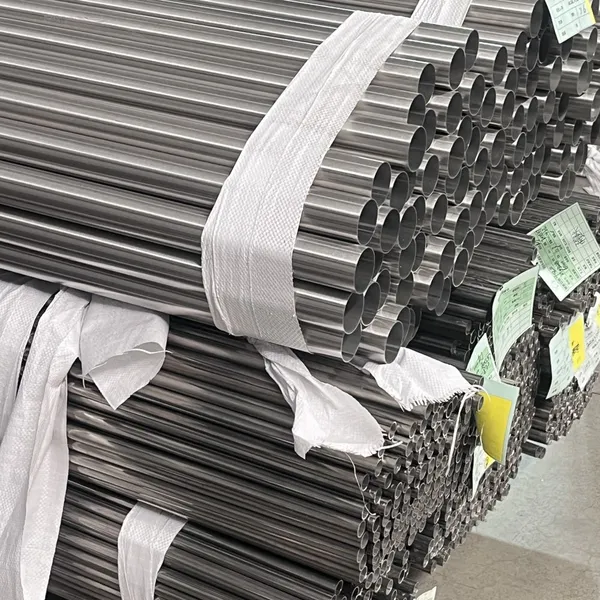
316L/1.4405 Seamless Stainless Steel PipeNegotiableMOQ: 2 Meters
-
310s 440 Seamless Sanitary Piping Price 321 904l 201 20 Inch Seamless Steel Pipe A554 Stainless Steel PipeNegotiableMOQ: 1 Piece
-
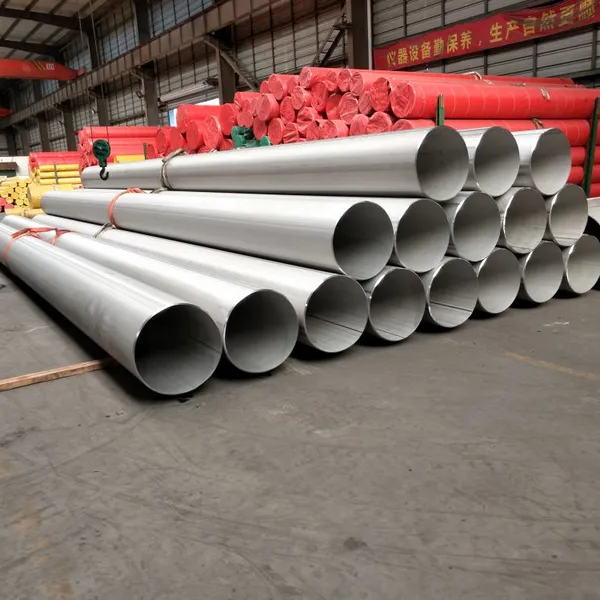
China Brand ZZ Wholesale 304L 316 316L Welded Austenitic Piping Stainless Steel Pipe SupplierNegotiableMOQ: 2 Meters
-
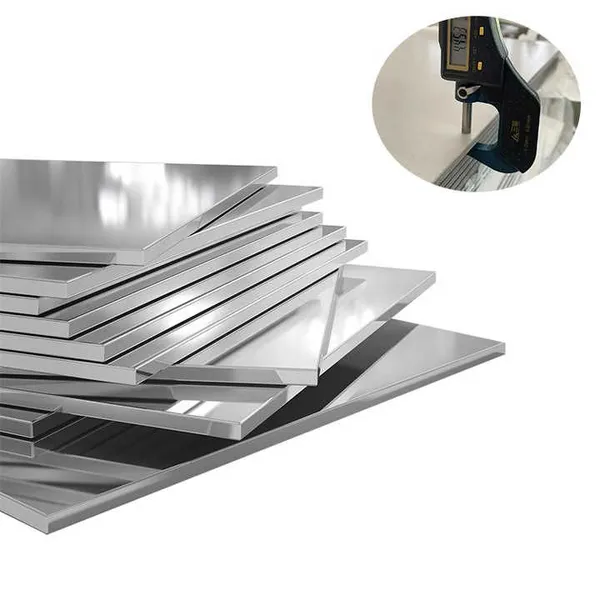
304/304L/316/409/410/904L/2205/2507/310H Premium Stainless Steel Sheets Supplier Custom Sizes & FinishesUS$ 1.72MOQ: 1 Ton
-
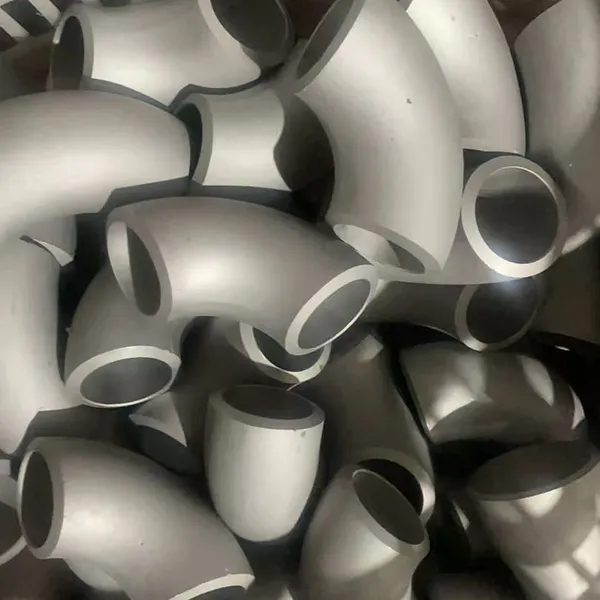
Stainless Steel ASME B16.9 Sch 45 90 Degree Pipe Fittings ElbowUS$ 8MOQ: 1 Piece
-
China Brand Zz 304L 316/316L GB En JIS Standard Thin Wall Welded Stainless Steel Water Pipe/TubeNegotiableMOQ: 2 Meters
-
BA 4 Inch 6 Inch 8 Inch 201 304 304L 316 316L Welded Seamless Stainless Steel PipeNegotiableMOQ: 2 Meters
-
ASME B36.19M-2004 SCH40S Stainless Steel Pipe - Complies With EU 3.1 CertificationUS$ 1 - 650MOQ: 1 Piece
-
Factory TP309/TP309S/TP309H (UNS30900) Seamless Stainless Steel Pipe and Tube for Boiler BafflesUS$ 8MOQ: 200 Kilograms
-
TP347/TP347H/1.4961/S34709 Seamless Stainless Steel Pipe for UseNegotiableMOQ: 2 Meters
-
China 304 316 Stainless Steel Sanitary Welded Tube Food Grade Sanitary Grade Welded Pipe PolishingNegotiableMOQ: 1 Piece
-
China Manufacture Stainless Steel 316L Ba Seamless Welded Steel Pipe TubesUS$ 1760 - 1860MOQ: 5 Tons
-
316L/1.4405 Seamless Stainless Steel PipeNegotiableMOQ: 2 Meters
-
Stainless Steel Globe Valve – High Durability & Corrosion ResistanceNegotiableMOQ: 1 Piece
-
1.4529 Stainless Steel Flat Plate for Chemical Processing EquipmentUS$ 25 - 35MOQ: 1 Kilogram
-
Color Coated Steel Panels for Warehouse Partition Walls (Fireproof Grade)US$ 1 - 1.2MOQ: 50 Kilograms
-
Custom Width (600mm-1250mm) Colored Steel Coil With Scratch ResistanceUS$ 1 - 1.2MOQ: 50 Kilograms
-
0.5mm-3.0mm Colored Coated Steel Sheet With PVDF/Polyester CoatingUS$ 1 - 1.2MOQ: 50 Kilograms
-
JIS G 3322 Compliant Colored Coils With Third-Party Inspection ReportUS$ 1 - 1.2MOQ: 50 Kilograms