
 Business License

The application advantages of sanitary-grade stainless steel pipes in the pharmaceutical and medical
The application advantages of sanitary-grade stainless steel pipes in the pharmaceutical and medical industries mainly stem from their customized design that meets the high hygiene standards, anti-pollution, and corrosion resistance requirements of the industries. The following analysis is conducted from the dimensions of material properties, surface treatment, compliance, and performance:
I. Material Characteristics: High purity and corrosion resistance suitable for harsh media
1. Targeted material selection
Commonly used materials include 316L and 304L ultra-low carbon stainless steel, with a carbon content of ≤ 0.03%, reducing the risk of intergranular corrosion (chloride ions in the solution or acidic/alkaline media can cause corrosion of ordinary stainless steel).
316L contains molybdenum (Mo), which makes it more resistant to chloride ion corrosion, suitable for transporting solutions containing sodium chloride or disinfectant water (such as sodium hypochlorite solution).
2. Resistance to media corrosion and chemical reactions
Commonly used strong acids (such as hydrochloric acid) and strong bases (such as sodium hydroxide) cleaning solutions, or high-temperature steam sterilization scenarios. Hygienic grade stainless steel pipes can maintain surface integrity, avoiding the release of metal ions that could contaminate the solution (such as Fe³⁺ can affect the stability of the drug).
In the transportation of medical gases (such as oxygen and nitrous oxide) in the medical industry, the pipe material will not rust due to oxidation and contaminate the gas, ensuring the purity of the gas inhaled by patients.
II. Surface Treatment: Low Roughness and No-Dead-End Design to Block Contamination Paths
1. Clean Advantage of Electrolytic Polishing (EP)
The surface roughness is Ra ≤ 0.8 μm (even up to 0.2 μm), compared to ordinary stainless steel (Ra ≥ 1.6 μm), reducing the residue of media such as chemical solutions and purified water on the pipe wall, and lowering the probability of bacterial biofilm formation (biofilm is the main hazard of microbial contamination in the pharmaceutical industry).
Case: On the vaccine production line, EP-treated pipes can prevent the attachment and residue of vaccine components, ensuring the consistency of each batch of products.
2. Sterileization of Welding and Structural Design
Using automatic track welding technology, the weld seams are smooth and free of weld beads, avoiding the dirt accumulation in the gaps of traditional manual welding; the pipe connections adopt clamp-type (quick-connect joints), which are convenient for disassembly and assembly and have no dead ends on the sealing surface, facilitating online cleaning (CIP) and online sterilization (SIP).
Medical application scenarios: The purified water pipes in the clean operating rooms of hospitals, with smooth inner walls and no dead-end design, prevent postoperative infection risks.
III. Compliance Certification: Meeting the Highest Industry Hygiene Standards
1. Mandatory Adherence to International and Domestic Standards
Comply with GMP (Good Manufacturing Practice for Pharmaceutical Products), FDA (Food and Drug Administration of the United States), ISO 13485 (Medical Device Quality Management System), etc. For example:
The FDA clearly stipulates that pipes in direct contact with drugs must be made of 316L stainless steel, and the surface treatment must pass biocompatibility tests (such as cytotoxicity, sensitization tests).
Domestic pharmaceutical enterprises' injection production lines must use hygiene-level pipes; otherwise, they cannot pass GMP certification.
2. Traceability and Verification Support
The production process of pipe materials needs to record documents such as material certificates, surface treatment parameters, and welding process verification, to facilitate pharmaceutical enterprises in conducting process verification (such as cleaning verification, sterilization verification), meeting the industry's "traceability" requirements.
IV. Performance Advantages: Meeting the Requirements of the Entire Pharmaceutical Production Process
1. Resistance to Sterilization Treatment and Long-Term Stability
It can withstand high-temperature steam sterilization (121°C, 30 minutes), ozone sterilization, or chemical disinfection (such as hydrogen peroxide), without generating oxide scales or corrosion spots on the surface, thus avoiding the introduction of impurities during sterilization.
Data from a cephalosporin antibiotic production enterprise shows that the pure water system using sanitary-grade stainless steel pipes has not experienced internal wall corrosion for five consecutive years, and the microbial test results have always been <10CFU/100ml.
2. Low Particle Release and Cleanliness Maintenance
In medical cleanrooms (such as 100-level clean areas), the low surface particle shedding rate of sanitary-grade stainless steel pipes (such as less than 100 particles per square meter at 0.5μm), avoiding particle contamination of the surgical environment or medical devices.
V. Maintenance and Cost: Long-term Economic Benefits are
1. Improved Cleaning Efficiency and Reduced Maintenance Costs
The smooth surface enhances the efficiency of in-line cleaning (CIP). For instance, in the oral liquid production line of a large pharmaceutical company, after using sanitary-grade pipes, the cleaning time was reduced from 4 hours to 2 hours, and the detergent usage decreased by 30%.
2. Extended Service Life and Decreased Replacement Costs
Compared to ordinary stainless steel pipes (with a replacement cycle of 5-8 years), sanitary-grade stainless steel pipes can be used for over 15 years with proper maintenance. Especially in pharmaceutical scenarios with frequent sterilization, it reduces the loss of production and maintenance due to pipe corrosion.
VI. Typical Application Scenarios and Successful Implementation Cases
Image 1
Summary
The core advantages of sanitary-grade stainless steel pipes in the pharmaceutical and medical industries lie in the tripartite integration of "material - process - standard": the high-purity material solves the problems of corrosion and contamination, the high-precision surface treatment blocks the paths for microbial growth, and the strict compliance meets the regulatory requirements of the industry. These characteristics make them a key infrastructure throughout the entire chain from drug production to clinical medical care, ensuring hygiene safety and process stability.
Recently Posted
-
Does the stainless steel welded pipe have specific temperature requirements during the solution heat
January 20, 2026Solution heat treatment involves heating stainless steel to a high temperature and then rapidly cooling it to achieve an oversatur Read More
 -
Can stainless steel welded pipes be made into thick pipes
January 20, 2026With the improvement of high-quality welding technology and increasingly strict weld inspection, the application fields of s Read More
 -
Three types of commonly available food-grade stainless steel on the market
January 20, 2026The common food-grade stainless steel pipes are mainly composed of iron, chromium and carbon and other elements. Household stainle Read More
 -
What are the requirements for stainless steel welding pipe production equipment
January 20, 2026As is well known, stainless steel welded pipes have been widely used in various industries such as machinery, chemical engineering Read More

Contact Us
Recommended Products
-
 Stainless Steel Elbow Welded Elbow 45/90/180-degree Seamless Pressed Elbow Long Radius Elbow Short Radius Elbow WholesaleNegotiableMOQ: 1 Piece
 -
316L/1.4405 Seamless Stainless Steel PipeNegotiableMOQ: 2 Meters
-
310s 440 Seamless Sanitary Piping Price 321 904l 201 20 Inch Seamless Steel Pipe A554 Stainless Steel PipeNegotiableMOQ: 1 Piece
-
China Brand ZZ Wholesale 304L 316 316L Welded Austenitic Piping Stainless Steel Pipe SupplierNegotiableMOQ: 2 Meters
-
304/304L/316/409/410/904L/2205/2507/310H Premium Stainless Steel Sheets Supplier Custom Sizes & FinishesUS$ 1.72MOQ: 1 Ton
-
Stainless Steel ASME B16.9 Sch 45 90 Degree Pipe Fittings ElbowUS$ 8MOQ: 1 Piece
-
China Brand Zz 304L 316/316L GB En JIS Standard Thin Wall Welded Stainless Steel Water Pipe/TubeNegotiableMOQ: 2 Meters
-
BA 4 Inch 6 Inch 8 Inch 201 304 304L 316 316L Welded Seamless Stainless Steel PipeNegotiableMOQ: 2 Meters
-
ASME B36.19M-2004 SCH40S Stainless Steel Pipe - Complies With EU 3.1 CertificationUS$ 1 - 650MOQ: 1 Piece
-
Factory TP309/TP309S/TP309H (UNS30900) Seamless Stainless Steel Pipe and Tube for Boiler BafflesUS$ 8MOQ: 200 Kilograms
-
TP347/TP347H/1.4961/S34709 Seamless Stainless Steel Pipe for UseNegotiableMOQ: 2 Meters
-
China 304 316 Stainless Steel Sanitary Welded Tube Food Grade Sanitary Grade Welded Pipe PolishingNegotiableMOQ: 1 Piece
-
China Manufacture Stainless Steel 316L Ba Seamless Welded Steel Pipe TubesUS$ 1760 - 1860MOQ: 5 Tons
-
316L/1.4405 Seamless Stainless Steel PipeNegotiableMOQ: 2 Meters
-
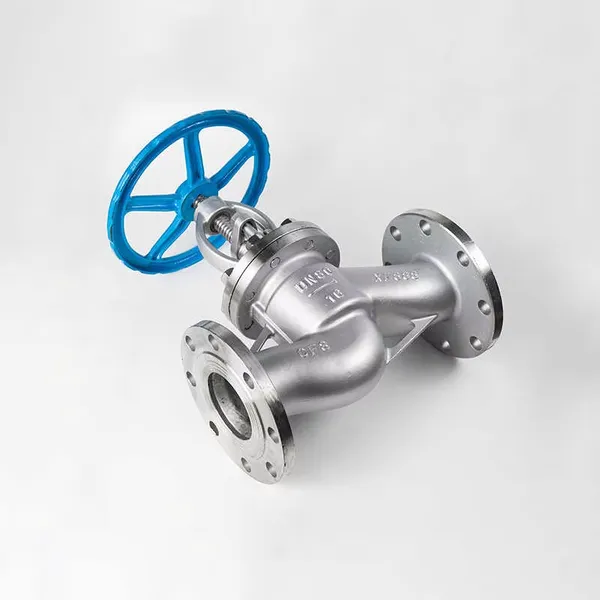
Stainless Steel Globe Valve – High Durability & Corrosion ResistanceNegotiableMOQ: 1 Piece
-
1.4529 Stainless Steel Flat Plate for Chemical Processing EquipmentUS$ 25 - 35MOQ: 1 Kilogram
-
Color Coated Steel Panels for Warehouse Partition Walls (Fireproof Grade)US$ 1 - 1.2MOQ: 50 Kilograms
-
Custom Width (600mm-1250mm) Colored Steel Coil With Scratch ResistanceUS$ 1 - 1.2MOQ: 50 Kilograms
-
0.5mm-3.0mm Colored Coated Steel Sheet With PVDF/Polyester CoatingUS$ 1 - 1.2MOQ: 50 Kilograms
-
JIS G 3322 Compliant Colored Coils With Third-Party Inspection ReportUS$ 1 - 1.2MOQ: 50 Kilograms