
 Business License

Common problems encountered in electrolytic polishing
1. Why do spots or small patches that appear as if not polished can be found on the surface after electro-polishing?
Analysis: The degreasing was not thorough before the polishing, and there were still oil stains on the surface.
2. Why are there gray-black patches on the surface after polishing?
Analysis: The oxide scale may not have been completely removed. There is still some oxide scale in some areas. Solution: Increase the intensity of removing the oxide scale, and use products such as "Stainless Steel Oxide Scale Removal Solution" and "Stainless Steel Oxide Scale Removal Paste".
3. What causes excessive corrosion at the edges and tips of the workpiece after polishing?
Analysis: The current at the edges and tips is too high, or the temperature of the electrolyte is too high, or the polishing time is too long, resulting in excessive dissolution. Solution: Adjust the current density or the temperature of the solution, or shorten the time. Check the electrode position and set shielding at the edges.
4. Why is the workpiece not shiny after polishing and appears grayish?
Analysis: The electrochemical polishing solution may no longer work or its effect is not obvious. Solution: Check if the electrolytic polishing solution has been used for too long, has deteriorated in quality, or has an unbalanced composition.
5. Why are there white stripes on the surface of the workpiece after polishing?
Analysis: The relative density of the solution is too high, and the liquid is too thick, with a relative density greater than 1.82. Solution: Increase the stirring intensity of the solution. If the relative density of the solution is too high, dilute it to 1.72. Heat it at 90-100℃ for one hour.
6. Why are there both light and dark surfaces, and local areas without luster after polishing?
Analysis: The position where the workpiece is placed is not aligned with the cathode, or the workpiece is shielded from each other. Solution: Adjust the workpiece appropriately to make its position with the cathode appropriate, and ensure a reasonable distribution of electricity.
7. After polishing, the surface of the workpiece is smooth and shiny, but some points or blocks are not shiny enough, or there are vertical non-lustrous stripes. What are the possible causes?
Analysis: It may be that bubbles formed on the surface of the workpiece during polishing did not detach in time and adhered to the surface or there are air flow lines on the surface. Solution: Increase the current density to facilitate the detachment of the bubbles, or increase the stirring speed of the solution and increase the flow of the solution.
8. Why are the contact points of the parts and the hanging frame not shiny and have brown spots, while the rest of the surface is shiny?
Analysis: It may be that the contact between the parts and the hanging frame is not good, causing an uneven distribution of current, or there are too few contact points between the parts. Solution: Polish the contact points of the hanging frame to make it conductive well, or increase the contact area between the parts and the hanging frame.
9. Why do some parts polished in the same bath shine while others do not, or some areas do not shine?
Analysis: There are too many parts polished in the same bath, resulting in an uneven distribution of current, or the parts overlap and shield each other. Solution: Reduce the number of parts polished in the same bath or pay attention to the placement of the parts.
10. Why are there silver-white spots near the concave areas of the polished parts and the contact points of the parts with the hanging frame?
Analysis: It may be that the concave areas of the parts are shielded by the parts themselves or the hanging frame. Solution: Adjust the position of the parts to allow the concave areas to receive the electric current or reduce the distance between the electrodes or increase the current density.
11. Even though the process was carried out strictly in accordance with the process specifications, why are there more or less over-corrosion phenomena on the surface of the polished parts?
Analysis: Is the solution temperature too high or the current density too large? If the solution formulation is not the problem and the operation is strict, it may be a problem with the pre-treatment before electrochemical polishing. Solution: Strictly follow the operation of electrochemical polishing pre-treatment, avoid over-corrosion during the acid washing process. Do not leave the cleaning water on the parts and bring it into the polishing bath.
12. Why does the "Stainless Steel General Electrolyte" produce foam after being used for a period of time? Reason Analysis: The surface of the workpiece was not degreased, and some oil stains floated on the surface of the electrolyte, causing difficulties in the operation. Solution: For cases where this situation has occurred, it is recommended to remove the oil stains from the surface. For cases where it has not occurred, it is recommended to degrease the workpiece before polishing.
13. What is the relationship between sulfuric acid and phosphoric acid in the electrochemical polishing solution?
Reason Analysis: There is too much sulfuric acid, and the polishing speed is too fast, which can accelerate the corrosion of the metal substrate. There is too much phosphoric acid, which can adsorb a mucous layer on the workpiece surface, resulting in a decrease in brightness and a slower polishing speed. Of course, other factors cannot be ruled out. Solution: Adjust the appropriate proportion of sulfuric acid and phosphoric acid. You can also choose the "Various Chrome-Free Electrolytic Additives" formula.
14. After polishing the workpiece, the surface has no luster, and there are white spots on the light yellow background. What is the reason for this?
Reason Analysis: It may be that the chromium anhydride content in the electrolytic polishing solution is too high, even exceeding 1.5%. Solution: Chromium ions are heavy metal ions that have carcinogenic effects on the human body and pollute the environment. You can use chrome-free polishing solution. It is recommended to use "Stainless Steel General Electrolyte".
15. What are the main costs of the electrolyte?
The main costs include electricity, electrolyte, rectifier, electrolytic cell, electrode plate, copper rod, heating tube, etc.
16. What is the current density of various stainless steel materials during electrolytic polishing? What is the relationship with the electrolytic cost?
Reason Analysis: Under normal market conditions, the density of various stainless steel materials in the electrolyte is as follows: for 200 series stainless steel materials, the current density is between 25 and 50 amperes; for 300 series stainless steel materials, the current density is between 15 and 30 amperes; for 400 series stainless steel materials, the current density is between 30 and 55 amperes. For 200 series stainless steel materials, the current density is between 15 and 25 amperes; for 300 series stainless steel materials, the current density is between 10 and 15 amperes; for 400 series stainless steel materials, the current density is between 25 and 30. The greater the current density, the greater the power consumption. In the electrolytic cost calculation, the proportion of electricity is very large.
17. Why does the workpiece lose its luster after polishing and become dull with a light blue shadow after being wiped clean?
Reason Analysis: It may be that the electrochemical polishing solution was not heated and electrified after preparation, or the operating temperature of the solution was too low. Solution: Heat the electrochemical polishing solution at 120℃ for one hour or heat the electrolyte to the specified temperature.
18. What causes the workpiece to lose its luster and have yellow spots after polishing?
Reason Analysis: It may be that the relative density of the electrochemical solution is too small, less than 1.70. Solution: Adjust the relative density of electrochemical polishing or heat and concentrate the electrolyte at 80-100℃ to increase the relative density. Or replace the new solution.
19. Why do brown spots appear in the electrolytic cell after polishing the workpiece?
Reason Analysis: It may be that the electrochemical polishing is insufficient or the time is too short. Solution: First, appropriately extend the polishing time. If it does not work, it may be a problem of insufficient temperature or current density.
20. Why is there a sparking phenomenon during electrolysis?
Reason Analysis: There are three factors that cause this phenomenon: First, the contact point between the support and the workpiece is not firm. Second, the electrolyte density is too low. Third, the current density is too high. Solution: Try different connection methods between the support and the workpiece to increase the contact points. If it is due to the low electrolyte density, you can replace the electrolyte. It is recommended to use "Stainless Steel General Electrolyte".
21. What is the effect of the operating temperature of the stainless steel electrolyte on electrolytic polishing?
What is the optimal temperature? Reason Analysis: The general operating temperature of the electrolyte is between 50 and 90℃. At a lower temperature, the polishing speed is slower, and the lightness and brightness decrease. At a higher temperature, the liquid corrodes the workpiece faster, easily causing over-corrosion of the workpiece, and the effective components of the electrolyte are prone to decomposition. Solution: If the temperature is too low, it should be heated to the specified temperature. Heating can be done using various heating tubes (such as quartz and titanium ones). The working temperature will rise during long-term operation. When the temperature exceeds 90℃, the operation should be stopped. Cooling can be achieved through stirring or cooling circulation. The optimal operating temperature is 50 - 90℃. For "Stainless Steel Universal Electrolyte", the optimal operating temperature is 50 - 80℃.
22. The surface of the stainless steel workpiece is uneven and the pits are raised. What causes this?
Analysis of the cause: There is a lot of surface rust. The electrolyte only microscopically corrodes and smoothens it. A lot of rust cannot be completely removed by the electrolyte. If the polishing time is prolonged, a large amount of iron ions will sink to the bottom of the electrolyte, reducing the service life of the electrolyte. Solution: Clean the rust off the surface of the workpiece. It is recommended to use "Stainless Steel Activation Solution", "Rust Removal Water", "Oxide Removal Solution" and other products for cleaning and rust removal.
23. What are the main factors affecting electrochemical polishing?
Temperature, time, workpiece material, electrolyte, voltage, current, workpiece placement position.
24. When performing electrochemical polishing of stainless steel, a layer of light red substance is adsorbed on the surface. When it is put back into the electrolyte, there will be a short-term reaction. What is the reason?
Analysis of the cause: Using copper holders, copper ions enter the electrolyte and adsorb onto the anode surface, affecting the polishing quality. When it is put back, there will be a short-term reaction because the electrolyte dissolves the copper ions on the workpiece surface. Solution: Use titanium holders. Bake a polyvinyl chloride resin film on the exposed part of the holder, scrape off the insulating film at the contact point, and expose the metal to facilitate conductivity.
25. What is the optimal area ratio of the anode to the cathode?
The ratio of the anode to the cathode is 1:2 - 3.5.
26. What is the optimal distance between the two electrodes?
The optimal distance between the cathode and the anode is 10 - 30 centimeters.
27. How to maintain the universal electrolyte for stainless steel after aging?
The universal electrolyte for stainless steel after aging can be supplemented with sulfuric acid (density 1.84), with an addition amount of 6% of the weight of the solution, or refer to 386A·H/L.
28. When conducting electrochemical polishing for the first time, not only no brightness is produced, but the workpiece surface becomes black or gray. What is the reason?
Analysis of the cause: This phenomenon usually occurs when the two electrodes are connected in reverse. After reversing, the lead plate becomes the positive electrode and dissolves, while the workpiece becomes the negative electrode and adsorbs. The iron, nickel, and chromium ions dissolved in the solution adsorb onto the workpiece surface, forming a layer with poor adhesion. Solution: Reconnect the positive and negative electrodes. Connect the anode to the positive electrode and the cathode to the negative electrode.
Recently Posted
-
Does the stainless steel welded pipe have specific temperature requirements during the solution heat
January 20, 2026Solution heat treatment involves heating stainless steel to a high temperature and then rapidly cooling it to achieve an oversatur Read More
 -
Can stainless steel welded pipes be made into thick pipes
January 20, 2026With the improvement of high-quality welding technology and increasingly strict weld inspection, the application fields of s Read More
 -
Three types of commonly available food-grade stainless steel on the market
January 20, 2026The common food-grade stainless steel pipes are mainly composed of iron, chromium and carbon and other elements. Household stainle Read More
 -
What are the requirements for stainless steel welding pipe production equipment
January 20, 2026As is well known, stainless steel welded pipes have been widely used in various industries such as machinery, chemical engineering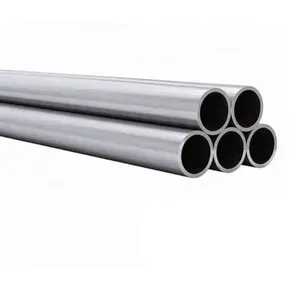 Read More

Contact Us
Recommended Products
-
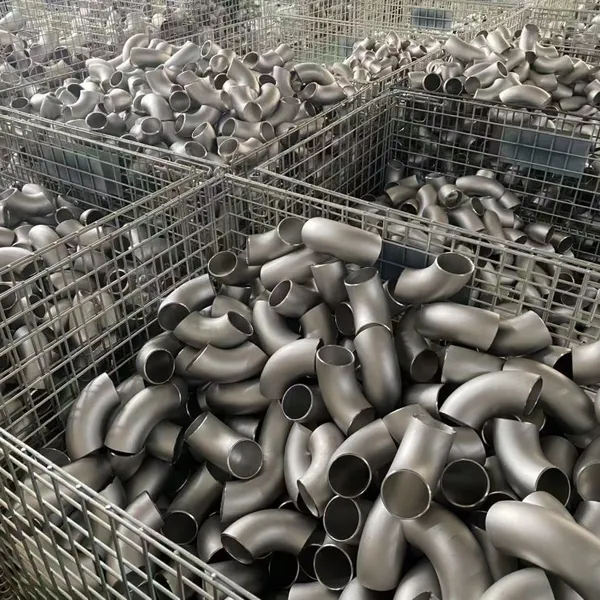
 Stainless Steel Elbow Welded Elbow 45/90/180-degree Seamless Pressed Elbow Long Radius Elbow Short Radius Elbow WholesaleNegotiableMOQ: 1 Piece
 -
316L/1.4405 Seamless Stainless Steel PipeNegotiableMOQ: 2 Meters
-
310s 440 Seamless Sanitary Piping Price 321 904l 201 20 Inch Seamless Steel Pipe A554 Stainless Steel PipeNegotiableMOQ: 1 Piece
-
China Brand ZZ Wholesale 304L 316 316L Welded Austenitic Piping Stainless Steel Pipe SupplierNegotiableMOQ: 2 Meters
-
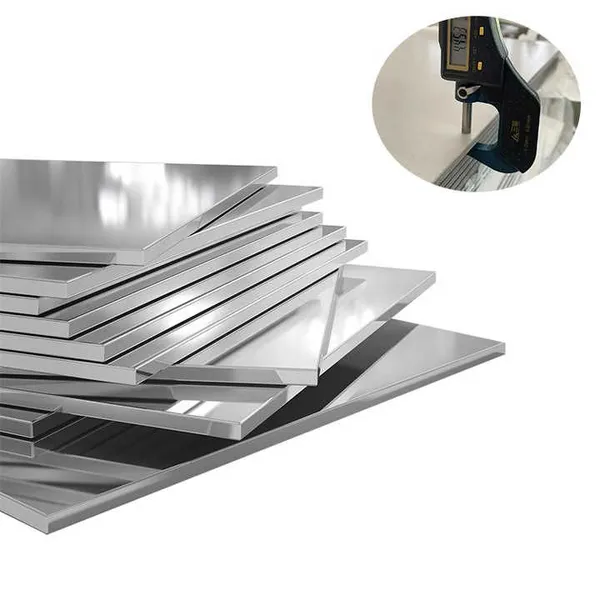
304/304L/316/409/410/904L/2205/2507/310H Premium Stainless Steel Sheets Supplier Custom Sizes & FinishesUS$ 1.72MOQ: 1 Ton
-
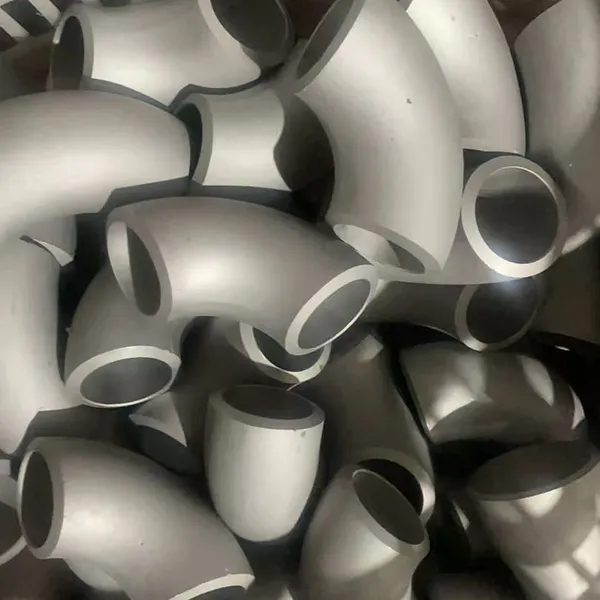
Stainless Steel ASME B16.9 Sch 45 90 Degree Pipe Fittings ElbowUS$ 8MOQ: 1 Piece
-
China Brand Zz 304L 316/316L GB En JIS Standard Thin Wall Welded Stainless Steel Water Pipe/TubeNegotiableMOQ: 2 Meters
-
BA 4 Inch 6 Inch 8 Inch 201 304 304L 316 316L Welded Seamless Stainless Steel PipeNegotiableMOQ: 2 Meters
-
ASME B36.19M-2004 SCH40S Stainless Steel Pipe - Complies With EU 3.1 CertificationUS$ 1 - 650MOQ: 1 Piece
-
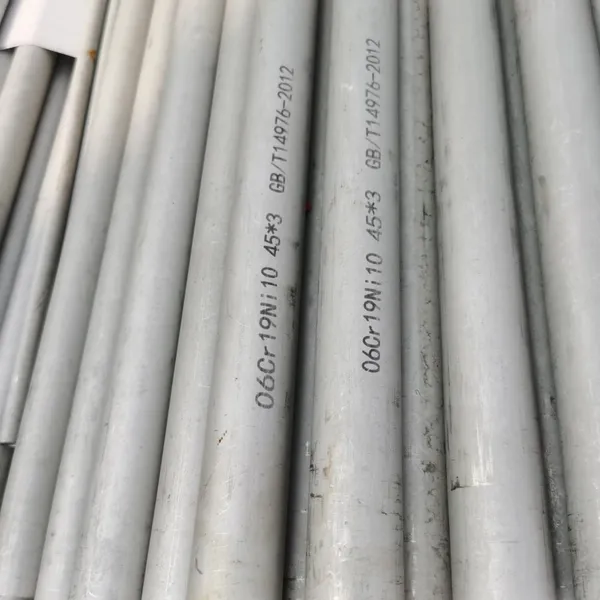
Factory TP309/TP309S/TP309H (UNS30900) Seamless Stainless Steel Pipe and Tube for Boiler BafflesUS$ 8MOQ: 200 Kilograms
-
TP347/TP347H/1.4961/S34709 Seamless Stainless Steel Pipe for UseNegotiableMOQ: 2 Meters
-
China 304 316 Stainless Steel Sanitary Welded Tube Food Grade Sanitary Grade Welded Pipe PolishingNegotiableMOQ: 1 Piece
-
China Manufacture Stainless Steel 316L Ba Seamless Welded Steel Pipe TubesUS$ 1760 - 1860MOQ: 5 Tons
-
316L/1.4405 Seamless Stainless Steel PipeNegotiableMOQ: 2 Meters
-
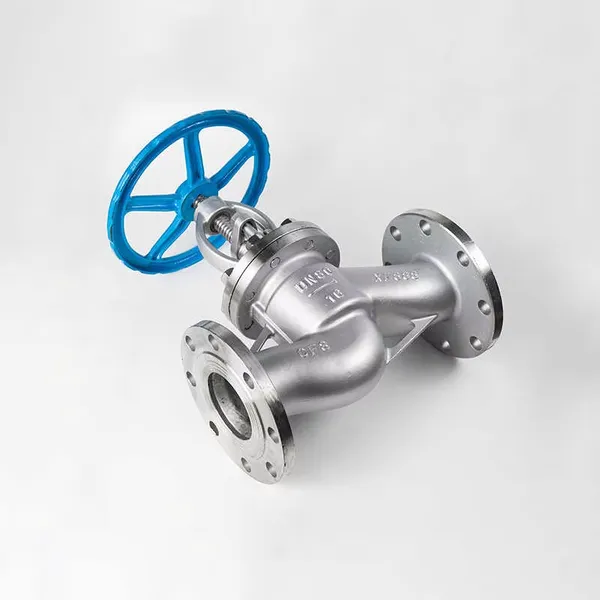
Stainless Steel Globe Valve – High Durability & Corrosion ResistanceNegotiableMOQ: 1 Piece
-
1.4529 Stainless Steel Flat Plate for Chemical Processing EquipmentUS$ 25 - 35MOQ: 1 Kilogram
-
Color Coated Steel Panels for Warehouse Partition Walls (Fireproof Grade)US$ 1 - 1.2MOQ: 50 Kilograms
-
Custom Width (600mm-1250mm) Colored Steel Coil With Scratch ResistanceUS$ 1 - 1.2MOQ: 50 Kilograms
-
0.5mm-3.0mm Colored Coated Steel Sheet With PVDF/Polyester CoatingUS$ 1 - 1.2MOQ: 50 Kilograms
-
JIS G 3322 Compliant Colored Coils With Third-Party Inspection ReportUS$ 1 - 1.2MOQ: 50 Kilograms