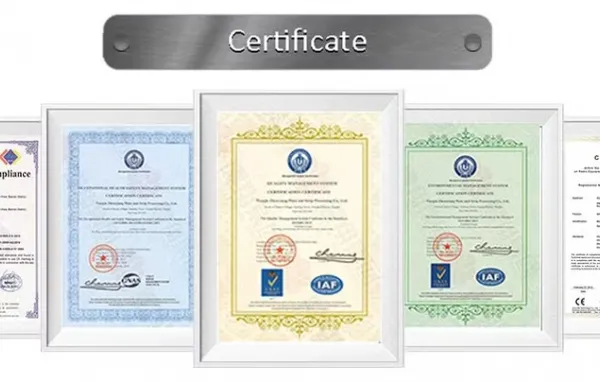
Business License

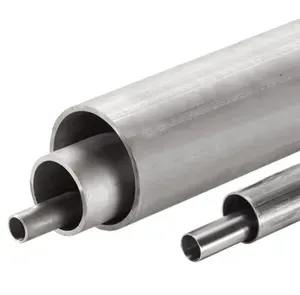
What are the differences in application scenarios between different types of sanitary-grade stainles
The selection of the material for sanitary-grade stainless steel pipes is closely related to the compatibility of the application scenarios. Due to differences in chemical composition, mechanical properties, and corrosion resistance among various materials, they exhibit distinct characteristics in practical applications. The following provides a detailed analysis from common material types, performance differences, and specific application scenarios:
I. Common Types and Characteristics of Hygienic Stainless Steel Pipes
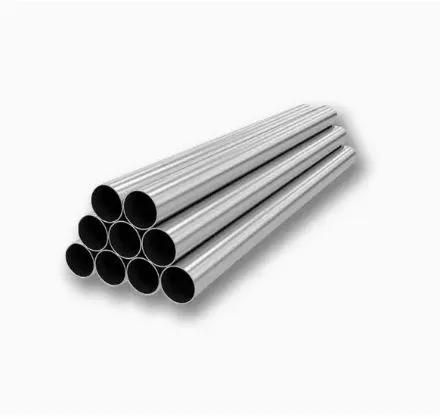
1. 304 (06Cr19Ni10) Stainless Steel
Chemical composition: Contains approximately 18-20% Cr, 8-10.5% Ni, with a carbon content of ≤0.08%.
Performance characteristics:
Typical application scenarios:
Food and beverage industry: Milk pipelines, beer brewing equipment, juice transportation pipelines (medium corrosivity is low, must meet hygiene standards).
General water treatment: Pure water transportation, municipal drinking water pipelines (water quality has no strong corrosiveness).
Light industry: Material transportation pipelines in cosmetics and health products production.
2. 316L (022Cr17Ni12Mo2) Stainless Steel
Chemical composition: Contains approximately 16-18% Cr, 10-14% Ni, 2-3% Mo, with a carbon content of ≤0.03% (low carbon type).
Performance characteristics:
Corrosion resistance: Due to the addition of molybdenum, the resistance to chloride ion corrosion is significantly better than 304, especially resistant to sulfuric acid, hydrochloric acid, seawater and halide medium corrosion.
High-temperature resistance and intergranular corrosion resistance: The low carbon content reduces the risk of intergranular corrosion, suitable for high-temperature (such as steam sterilization) environments.
Hygiene performance: The surface passivation film is more stable, less prone to bacterial growth, in line with GMP (Good Manufacturing Practice) requirements.
Typical application scenarios:
Pharmaceutical and medical industry: Injection production lines, sterile pure water systems (able to withstand acid-base cleaning solutions and high-temperature sterilization).
Chemical and marine environment: Transportation of chlorine-containing chemical materials (such as bleach, dye solutions), seawater desalination pipelines in marine engineering.
Food processing: High-salt, high-acid foods (such as soy sauce, pickles) storage and transportation equipment.
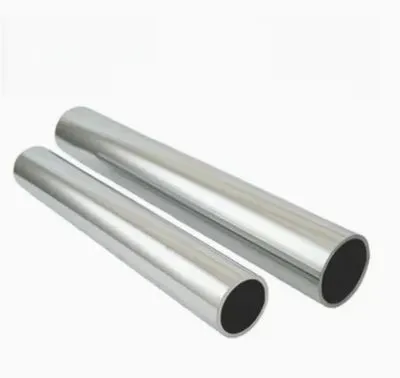
3. 317L (022Cr19Ni13Mo3) Stainless Steel
Chemical composition: Contains approximately 18-20% Cr, 11-15% Ni, 3-4% Mo, with a carbon content of ≤0.03%.
Performance characteristics:
Corrosion resistance: The molybdenum content is higher than 316L, stronger resistance to pitting and crevice corrosion, suitable for more demanding acidic or chloride environments.
Strength and temperature resistance: Higher high-temperature strength than 316L, can be used for a long time at higher temperatures (such as below 1000℃).
Typical application scenarios:
High-corrosion chemical fields: Transportation of strong corrosive media such as concentrated nitric acid, formic acid, acetic acid.
Environmental protection equipment: Acidic waste gas treatment pipelines in waste incineration plants, high-salt wastewater pipelines in sewage treatment.
Marine engineering: Deep-sea equipment, ship seawater cooling systems (resistant to long-term erosion by seawater).
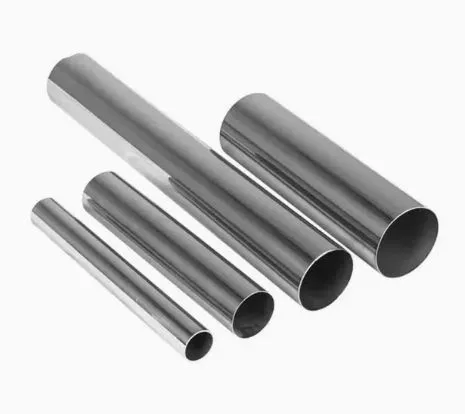
5. Duplex stainless steel (such as 2205, 2507)
Chemical composition: Taking 2205 as an example, it contains approximately 22% Cr, about 5.5-6.5% Ni, and about 3-3.5% Mo. It has both austenitic and ferritic structures.
Performance features:
High strength and corrosion resistance: The strength is more than twice that of 304, the chloride ion corrosion resistance is close to that of 316L, and the stress corrosion resistance is excellent.
Temperature resistance: Suitable for the range of -50℃ to 250℃, good toughness at low temperatures.
Typical application scenarios:
High-pressure equipment: Chemical pressure vessels, high-pressure pipelines on offshore platforms (must meet both strength and corrosion resistance).
Seawater treatment: Seawater heat exchangers, sewage treatment equipment in coastal areas.
6. 430 (10Cr17) stainless steel (ferritic)
Chemical composition: Contains approximately 16-18% Cr, no Ni, and carbon content ≤ 0.12%.
Performance features:
Corrosion resistance: Superior to carbon steel, but not as good as austenitic stainless steel (such as 304), poor intergranular corrosion resistance.
Low cost: The price is approximately 50-60% of 304, strong magnetic property, average processing performance.
Typical application scenarios:
Low corrosion scenarios: Equipment shells that do not directly contact food, kitchen utensils (such as sinks).
Cost-sensitive industries: Ordinary industrial pipelines (mediums without strong corrosivity and lower hygiene requirements).
II. Comparison Table of Application Scenarios for Different Materials
III. Core Influencing Factors for Material Selection
1. Material Properties:
Chloride ion concentration: 316L is suitable for chloride ion concentrations ≤ 1000 ppm, while 317L/904L is suitable for higher concentrations (such as seawater > 20000 ppm).
Acidity and Alkalinity: 304 is suitable for neutral/weakly acidic/alkaline environments, 316L is suitable for medium acidity/alkalinity, and 904L is suitable for strong acidity/alkalinity.
2. Temperature and Pressure:
High-temperature environments (such as steam sterilization) prefer 316L/317L; high-pressure scenarios choose duplex steel.
3. Hygiene Standards:
Pharmaceutical and medical applications must comply with GMP/ISO 13485; 316L is preferred (as the surface passivation film is more stable).
4. Cost and Economy:
For ordinary food and beverages, 304 is selected; in high-corrosion scenarios, performance and cost are weighed (such as 316L vs 904L).
IV. Case Analysis
Case 1: Dairy Production Line
The milk conveying pipeline usually uses 304 material because milk has a pH close to neutral, with low corrosivity, and the surface of 304 is easy to clean after polishing, meeting food contact standards (such as FDA). If high-salt cheese processing is involved, 316L must be upgraded to resist salt corrosion.
Case 2: Anti-tumor Drug Production
During the drug synthesis process, strong corrosive reagents such as hydrochloric acid and sulfuric acid may be used, and frequent high-temperature sterilization (121℃ steam) is required. At this time, 316L or higher specification materials must be selected to avoid pipeline corrosion leading to medium contamination.
Case 3: Seawater Desalination Project
Seawater contains high concentrations of chloride ions (about 20,000-30,000 ppm). Ordinary 316L may suffer pitting corrosion, so 904L or duplex steel 2507 must be selected to ensure the pipeline's long-term resistance to seawater erosion.
Summary
The selection of material for sanitary-grade stainless steel pipes is a balance between performance, cost and the requirements of the application scenario: 304 is the entry-level material that covers most low-corrosion scenarios; 316L is the "standard configuration" for industries such as pharmaceuticals and healthcare; 317L/904L and other high-end materials are used for extreme corrosive environments; duplex steel achieves the optimal solution between strength and corrosion resistance. In practical applications, it is necessary to comprehensively consider the medium composition, temperature, pressure and hygiene regulations to ensure the safety and economy of the pipeline system.
Recently Posted
-
Does the stainless steel welded pipe have specific temperature requirements during the solution heat
January 20, 2026Solution heat treatment involves heating stainless steel to a high temperature and then rapidly cooling it to achieve an oversatur Read More
 -
Can stainless steel welded pipes be made into thick pipes
January 20, 2026With the improvement of high-quality welding technology and increasingly strict weld inspection, the application fields of s Read More
 -
Three types of commonly available food-grade stainless steel on the market
January 20, 2026The common food-grade stainless steel pipes are mainly composed of iron, chromium and carbon and other elements. Household stainle Read More
 -
What are the requirements for stainless steel welding pipe production equipment
January 20, 2026As is well known, stainless steel welded pipes have been widely used in various industries such as machinery, chemical engineering Read More

Contact Us
Recommended Products
-
 Stainless Steel Elbow Welded Elbow 45/90/180-degree Seamless Pressed Elbow Long Radius Elbow Short Radius Elbow WholesaleNegotiableMOQ: 1 Piece
 -
316L/1.4405 Seamless Stainless Steel PipeNegotiableMOQ: 2 Meters
-
310s 440 Seamless Sanitary Piping Price 321 904l 201 20 Inch Seamless Steel Pipe A554 Stainless Steel PipeNegotiableMOQ: 1 Piece
-
China Brand ZZ Wholesale 304L 316 316L Welded Austenitic Piping Stainless Steel Pipe SupplierNegotiableMOQ: 2 Meters
-
304/304L/316/409/410/904L/2205/2507/310H Premium Stainless Steel Sheets Supplier Custom Sizes & FinishesUS$ 1.72MOQ: 1 Ton





-
Stainless Steel ASME B16.9 Sch 45 90 Degree Pipe Fittings ElbowUS$ 8MOQ: 1 Piece
-
China Brand Zz 304L 316/316L GB En JIS Standard Thin Wall Welded Stainless Steel Water Pipe/TubeNegotiableMOQ: 2 Meters
-
BA 4 Inch 6 Inch 8 Inch 201 304 304L 316 316L Welded Seamless Stainless Steel PipeNegotiableMOQ: 2 Meters
-
ASME B36.19M-2004 SCH40S Stainless Steel Pipe - Complies With EU 3.1 CertificationUS$ 1 - 650MOQ: 1 Piece
-
Factory TP309/TP309S/TP309H (UNS30900) Seamless Stainless Steel Pipe and Tube for Boiler BafflesUS$ 8MOQ: 200 Kilograms





-
TP347/TP347H/1.4961/S34709 Seamless Stainless Steel Pipe for UseNegotiableMOQ: 2 Meters
-
China 304 316 Stainless Steel Sanitary Welded Tube Food Grade Sanitary Grade Welded Pipe PolishingNegotiableMOQ: 1 Piece
-
China Manufacture Stainless Steel 316L Ba Seamless Welded Steel Pipe TubesUS$ 1760 - 1860MOQ: 5 Tons
-
316L/1.4405 Seamless Stainless Steel PipeNegotiableMOQ: 2 Meters
-
Stainless Steel Globe Valve – High Durability & Corrosion ResistanceNegotiableMOQ: 1 Piece




-
World's Most Affordable Color-Coated Steel Sheets - 0.3mm to 3mm Thickness - Mill Test Report IncludedUS$ 1102MOQ: 10 Kilograms
-
Color-Coated Steel Sheets With 15-Year Fade Warranty - JIS G 3322 Standard CompliantUS$ 1102MOQ: 10 Kilograms
-
Prefab Building Material - 0.4mm Color-Coated Corrugated Sheets - 100,000㎡ Monthly OutputUS$ 1102MOQ: 10 Kilograms
-
Industrial-Grade Color-Coated Sheets - 150-250g/m² Zinc Coating - Weather & UV ResistantUS$ 1102MOQ: 10 Kilograms
-
Factory-Direct Color-Coated Steel Plates - PVDF/Polyester Coating - 1220mm Standard WidthUS$ 1102MOQ: 10 Kilograms