
 Business License

Why are sanitary-grade stainless steel pipes so important
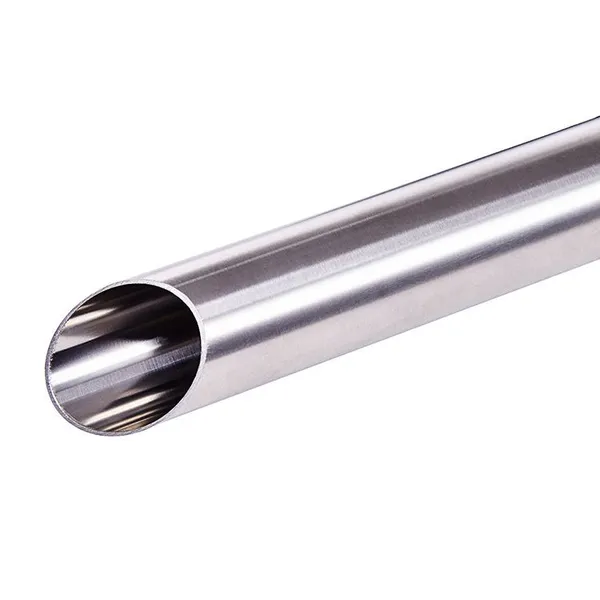
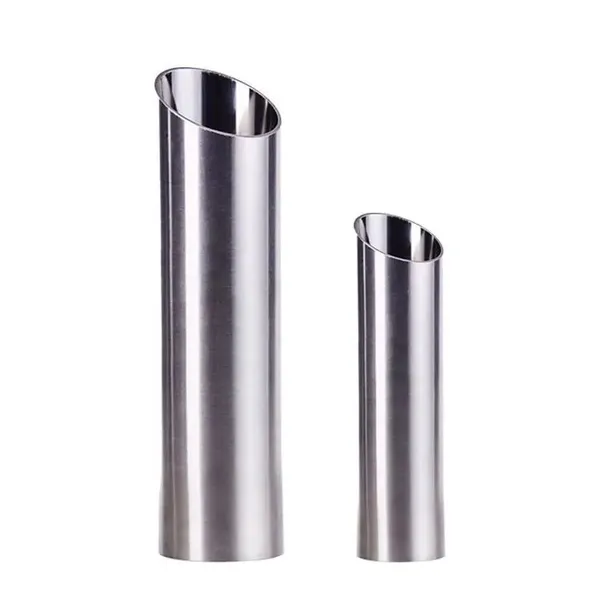
In modern industrial production and daily life, the safety and hygiene of pipeline systems are of utmost importance. Hygienic-grade stainless steel pipes, as a high-quality and high-performance pipeline material, play an irreplaceable role in various fields due to their unique advantages. So, why are hygienic-grade stainless steel pipes so important? The following provides a deep analysis from multiple perspectives.
1. Outstanding corrosion resistance and antibacterial properties
Hygienic stainless steel pipes are usually made of stainless steel materials of grade 304 or 316L. These materials contain high levels of elements such as molybdenum and nickel, which can effectively enhance the corrosion resistance and antibacterial properties of the pipes. In industries such as dairy products, beer, beverages, pharmaceuticals, biology, cosmetics, and fine chemicals, fluids often have certain corrosive properties or require high hygiene standards. Hygienic stainless steel pipes, with their outstanding corrosion resistance and antibacterial properties, ensure that the fluids remain uncontaminated during transportation, maintaining purity and stability.
II. Ensure product quality and hygiene standards
In the food processing industry, sanitary stainless steel pipes, used as pipelines for transporting food, can ensure that food is not contaminated and improve product quality. Whether it is liquid or solid food, stainless steel pipes can provide long-lasting hygiene protection, ensuring that food meets hygiene standards throughout every stage from production to consumption. In the pharmaceutical industry, sanitary stainless steel pipes, with their excellent corrosion resistance and easy cleaning properties, ensure hygiene and safety in the drug production process, prevent microbial growth, and guarantee the purity and stability of the drugs.
III. Widespread Application Domains
The application scope of sanitary stainless steel pipes is extremely broad, not limited to the food and pharmaceutical industries. In various fields such as bioengineering, chemical engineering, medical engineering, water treatment, oil extraction, marine engineering, and decorative materials, sanitary stainless steel pipes play a crucial role. Whether it is high-purity chemical reagents or precious biological samples, stainless steel pipes can provide a safe and stable storage and transmission environment. Moreover, in areas like hospitals, sanitary stainless steel pipes are also widely used in equipment such as infusion tubes and gas conduits, improving the efficiency and quality level of medical staff.
4. Easy to clean and maintain
The inner wall of the sanitary-grade stainless steel pipe is extremely smooth, which makes it less prone to clogging and easier to clean and maintain. This helps to keep the fluid hygienic, reduces the growth of bacteria, and lowers maintenance costs. For applications that require frequent cleaning and disinfection, such as food processing and pharmaceutical production lines, the advantages of sanitary-grade stainless steel pipes are particularly evident.
V. Compliant with environmental protection and sustainable development concepts
Stainless steel materials are recyclable and align with the environmental protection and sustainable development concepts of modern society. Using sanitary-grade stainless steel pipes not only helps reduce environmental pollution but also lowers resource consumption. In the context of pursuing green production and low-carbon economy, the application of sanitary-grade stainless steel pipes is of great significance.
VI. Assurance of Brand and Quality
Choosing a high-quality brand of sanitary-grade stainless steel pipes can ensure the quality and performance of the pipes. High-quality stainless steel pipes not only comply with national and industry standards, but also have undergone strict testing and certification. These tests and certifications include multiple processes such as high-temperature annealing, electromagnetic flaw detection, and ultrasonic flaw detection, to ensure that the pipes have no internal defects and the surface quality meets the requirements of a sanitary grade.
Conclusion
In conclusion, sanitary-grade stainless steel pipes play an irreplaceable role in various fields due to their outstanding corrosion resistance and antibacterial properties, which ensure product quality and hygiene standards, their wide range of applications, ease of cleaning and maintenance, compliance with environmental protection and sustainable development concepts, as well as brand and quality guarantees. As people's requirements for product quality and hygiene standards continue to increase, the application prospects of sanitary-grade stainless steel pipes will be even broader. When choosing pipe materials, sanitary-grade stainless steel pipes are undoubtedly an important option worth considering.
Recently Posted
-
Does the stainless steel welded pipe have specific temperature requirements during the solution heat
January 20, 2026Solution heat treatment involves heating stainless steel to a high temperature and then rapidly cooling it to achieve an oversatur Read More
 -
Can stainless steel welded pipes be made into thick pipes
January 20, 2026With the improvement of high-quality welding technology and increasingly strict weld inspection, the application fields of s Read More
 -
Three types of commonly available food-grade stainless steel on the market
January 20, 2026The common food-grade stainless steel pipes are mainly composed of iron, chromium and carbon and other elements. Household stainle Read More
 -
What are the requirements for stainless steel welding pipe production equipment
January 20, 2026As is well known, stainless steel welded pipes have been widely used in various industries such as machinery, chemical engineering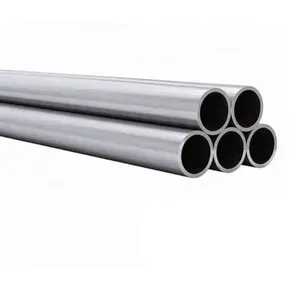 Read More

Contact Us
Recommended Products
-
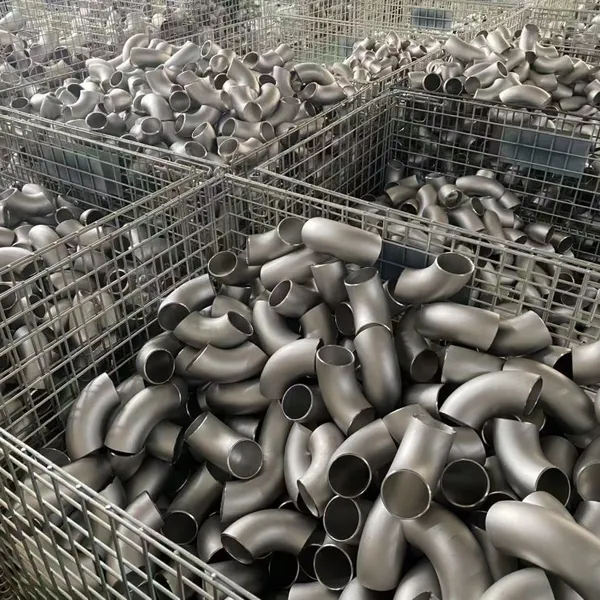
 Stainless Steel Elbow Welded Elbow 45/90/180-degree Seamless Pressed Elbow Long Radius Elbow Short Radius Elbow WholesaleNegotiableMOQ: 1 Piece
 -
316L/1.4405 Seamless Stainless Steel PipeNegotiableMOQ: 2 Meters
-
310s 440 Seamless Sanitary Piping Price 321 904l 201 20 Inch Seamless Steel Pipe A554 Stainless Steel PipeNegotiableMOQ: 1 Piece
-
China Brand ZZ Wholesale 304L 316 316L Welded Austenitic Piping Stainless Steel Pipe SupplierNegotiableMOQ: 2 Meters
-
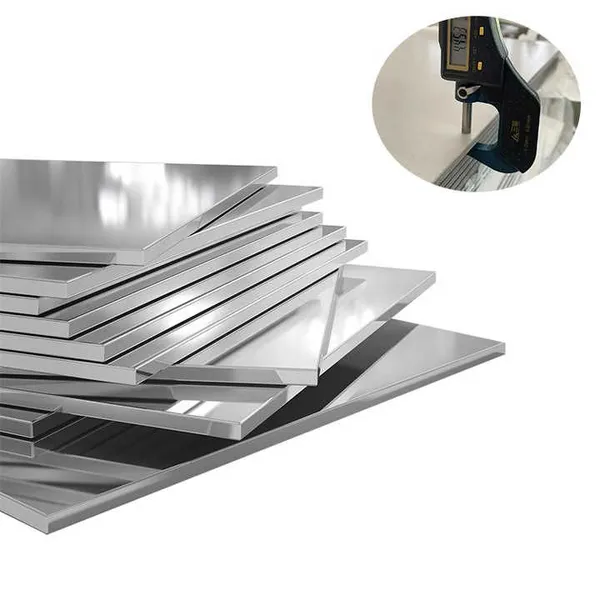
304/304L/316/409/410/904L/2205/2507/310H Premium Stainless Steel Sheets Supplier Custom Sizes & FinishesUS$ 1.72MOQ: 1 Ton
-
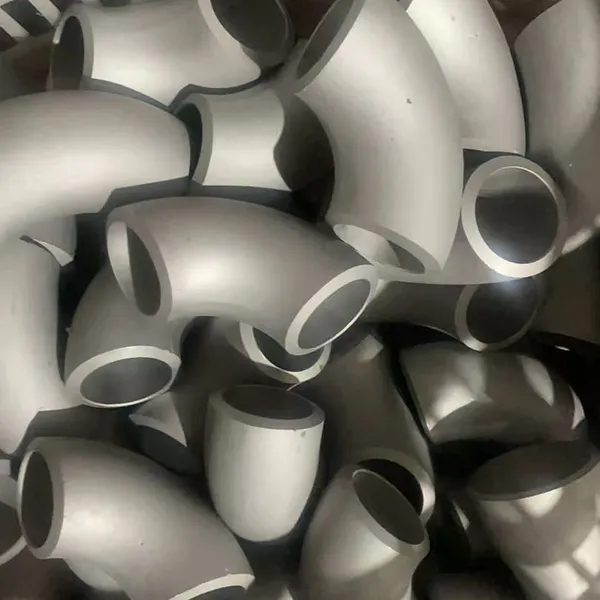
Stainless Steel ASME B16.9 Sch 45 90 Degree Pipe Fittings ElbowUS$ 8MOQ: 1 Piece
-
China Brand Zz 304L 316/316L GB En JIS Standard Thin Wall Welded Stainless Steel Water Pipe/TubeNegotiableMOQ: 2 Meters
-
BA 4 Inch 6 Inch 8 Inch 201 304 304L 316 316L Welded Seamless Stainless Steel PipeNegotiableMOQ: 2 Meters
-
ASME B36.19M-2004 SCH40S Stainless Steel Pipe - Complies With EU 3.1 CertificationUS$ 1 - 650MOQ: 1 Piece
-
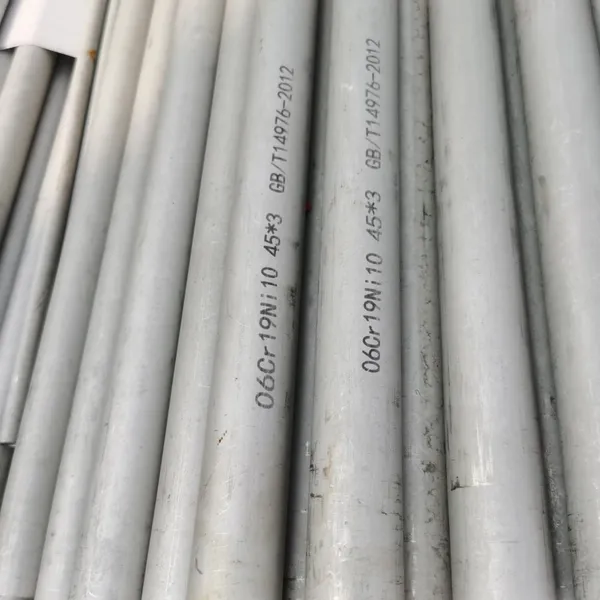
Factory TP309/TP309S/TP309H (UNS30900) Seamless Stainless Steel Pipe and Tube for Boiler BafflesUS$ 8MOQ: 200 Kilograms
-
TP347/TP347H/1.4961/S34709 Seamless Stainless Steel Pipe for UseNegotiableMOQ: 2 Meters
-
China 304 316 Stainless Steel Sanitary Welded Tube Food Grade Sanitary Grade Welded Pipe PolishingNegotiableMOQ: 1 Piece
-
China Manufacture Stainless Steel 316L Ba Seamless Welded Steel Pipe TubesUS$ 1760 - 1860MOQ: 5 Tons
-
316L/1.4405 Seamless Stainless Steel PipeNegotiableMOQ: 2 Meters
-
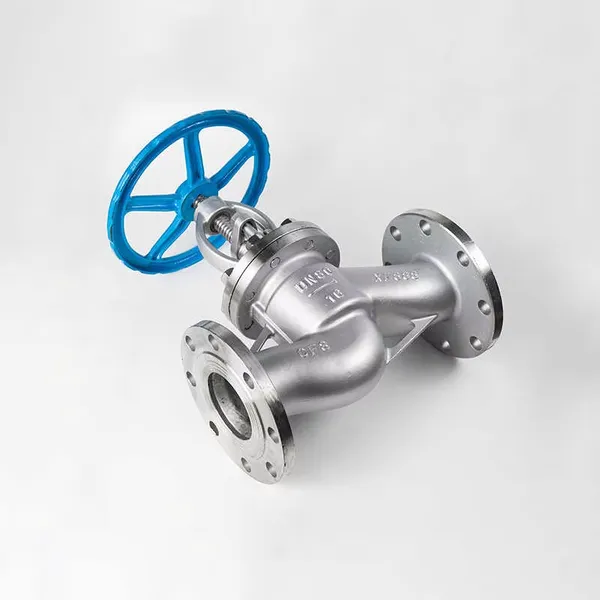
Stainless Steel Globe Valve – High Durability & Corrosion ResistanceNegotiableMOQ: 1 Piece
-
1.4529 Stainless Steel Flat Plate for Chemical Processing EquipmentUS$ 25 - 35MOQ: 1 Kilogram
-
Color Coated Steel Panels for Warehouse Partition Walls (Fireproof Grade)US$ 1 - 1.2MOQ: 50 Kilograms
-
Custom Width (600mm-1250mm) Colored Steel Coil With Scratch ResistanceUS$ 1 - 1.2MOQ: 50 Kilograms
-
0.5mm-3.0mm Colored Coated Steel Sheet With PVDF/Polyester CoatingUS$ 1 - 1.2MOQ: 50 Kilograms
-
JIS G 3322 Compliant Colored Coils With Third-Party Inspection ReportUS$ 1 - 1.2MOQ: 50 Kilograms