
 Business License

Provide a detailed introduction to the surface treatment process of sanitary-grade stainless steel
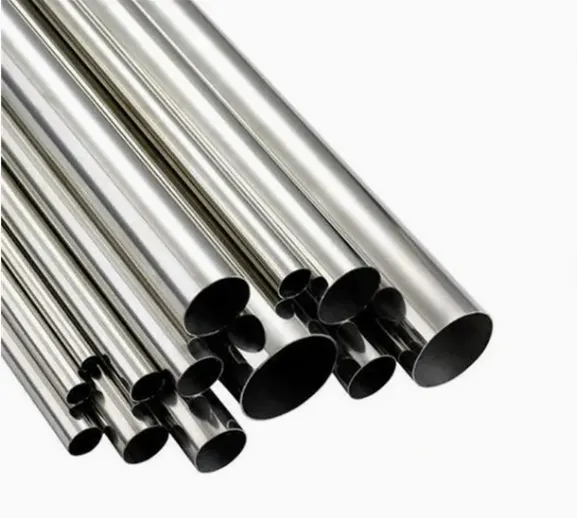
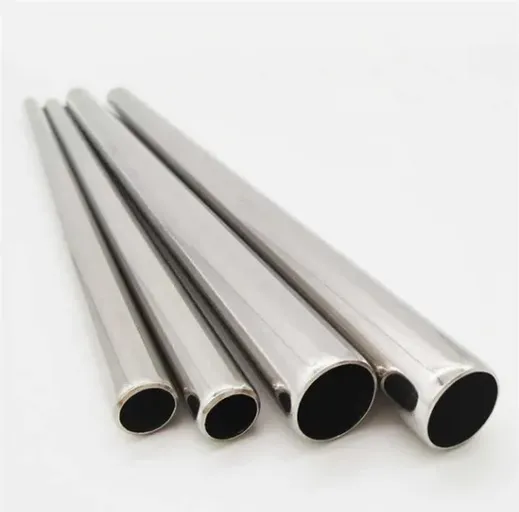
The surface treatment process of sanitary-grade stainless steel pipes is the core technology that ensures their high cleanliness, corrosion resistance and anti-contamination capabilities. The design of this process directly affects the applicability of the pipes in industries such as pharmaceuticals, healthcare, and food. The following provides a detailed analysis from the dimensions of process classification, treatment process, technical characteristics, and quality standards:
I. Core Objectives and Classification of Surface Treatment Processes
1. Core Objectives
Reduce surface roughness (Ra value): Minimize residue of media and attachment sites for microorganisms. Ideally, Ra ≤ 0.2 μm.
Form a passivation film: Enhance corrosion resistance and prevent the release of metal ions (such as Fe³⁺).
Eliminate surface defects: Such as weld spurs, scratches, oxide scales, etc., to avoid accumulation of dirt and contaminants.
2. Main Process Classification
II. Detailed Explanation of Core Surface Treatment Processes
1. Mechanical Polishing (MP)
Processing Flow
Coarse Polishing: Use a grinding wheel (80-120 mesh) to remove welding splashes and oxide films, and initially level the surface.
Medium Polishing: Use a sanding belt (180-320 mesh) for further grinding, eliminating the traces of coarse polishing, and reducing the Ra value to below 1.6 μm.
Fine Polishing: Use a wool wheel + polishing paste (600-1000 mesh) for precise grinding, with Ra reaching 0.8 μm.
Technical Characteristics
Advantages: Low equipment cost, suitable for batch processing of non-critical weld areas; can correct macroscopic defects on the pipe surface.
Limitations: It is a physical polishing process, which may cause surface hardening (crystal lattice distortion), and is difficult to handle complex geometries (such as the inner side of a bend); polishing paste residues need to be thoroughly cleaned; otherwise, organic contamination may be introduced.
Application Scenarios
Non-sterile filling lines in the food and beverage industry, ordinary purified water pipelines (with a cleanliness requirement of ≤ Ra 0.8 μm).
2. Electro Polishing (EP)
Processing Principle
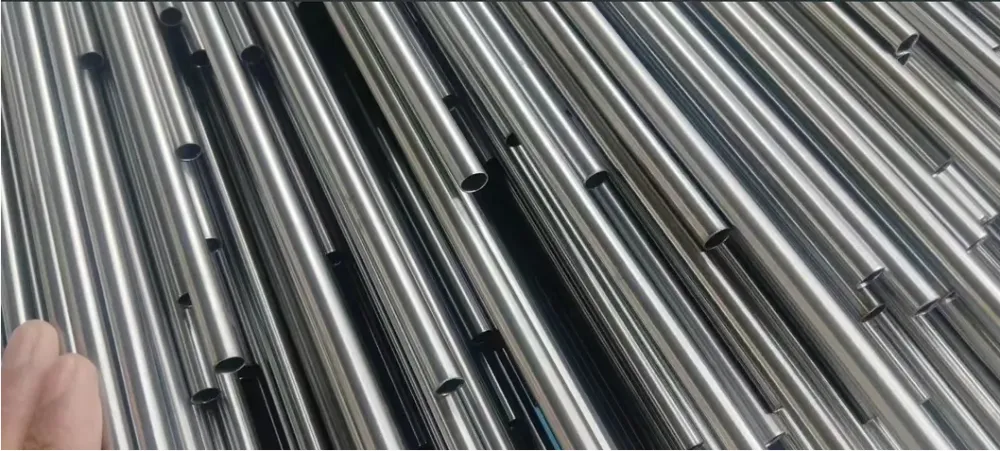
Utilizing electrochemical dissolution principle: Use the pipe as the anode, immerse it in an electrolyte (such as a mixture of phosphoric acid + sulfuric acid + chromic acid), and through current, the microscopic protrusions on the surface are preferentially dissolved to achieve a leveling effect.
Processing Flow
1. Pre-treatment: Degreasing (alkali cleaning) → Acid washing (nitric acid + hydrofluoric acid to remove oxide films).
2. Electro Polishing:
Voltage: 8-20V, Temperature: 50-80℃, Time: 5-15 minutes.
Electrolyte composition control: Phosphoric acid accounts for 60-70%, determining the polishing rate; sulfuric acid regulates viscosity, and chromic acid enhances the brightness.
3. Post-treatment: Deionized water rinse → Neutralization (sodium carbonate solution) → Drying.
Technical Parameters and Advantages
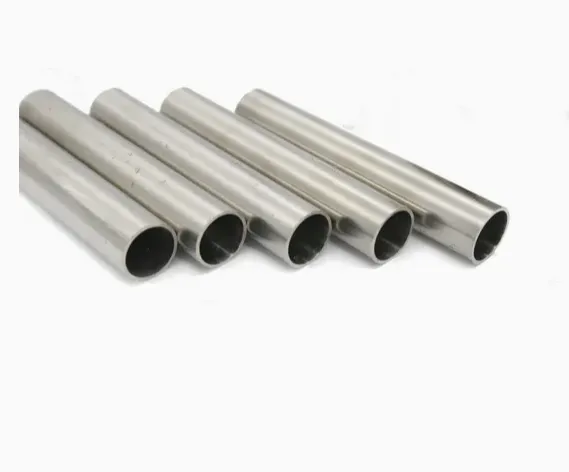
Surface Effect: Ra can reach 0.2-0.5 μm, forming a uniform passivation film (Cr₂O₃ content is 30% higher than that of mechanical polishing).
Unique Advantages:
No mechanical stress: Avoids surface hardening caused by traditional polishing, suitable for thin-walled pipes (wall thickness ≤ 2mm).
Good Uniformity: The current distribution is uniform, and the inner walls of complex parts such as bends and trisockets can also be polished.
Self-cleaning effect: Dissolved products are discharged in the form of bubbles, reducing impurity residues.
Application Cases
An EP-treated 316L stainless steel pipe used in an mRNA vaccine production line showed that the surface microbial attachment was reduced by more than 90% compared to the mechanically polished pipe.
3. Passivation Treatment
Process Essence
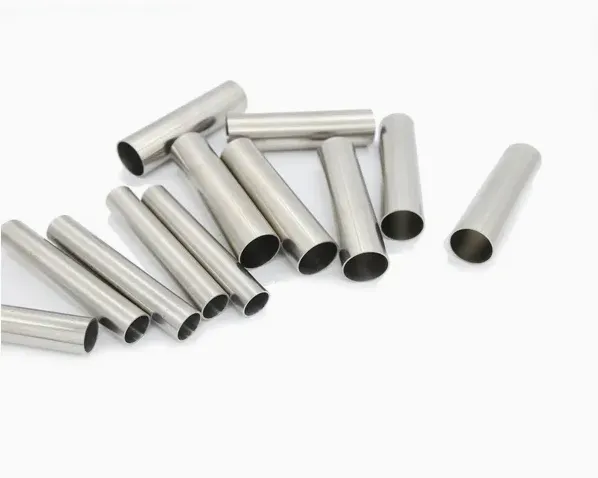
By dissolving free iron ions on the surface with chemical reagents (such as 60-70% nitric acid solution), the stainless steel surface forms a dense Cr₂O₃ passivation film (thickness approximately 2-3 nm), enhancing corrosion resistance.
Processing Flow (using nitric acid passivation as an example)
1. Pre-cleaning: Deionized water rinse to remove surface oil, metal debris.
Passivation Treatment:
Temperature: Room temperature - 50℃, Time: 20-60 minutes.
Concentration Control: Insufficient nitric acid concentration will result in incomplete passivation film, while too high a concentration may cause corrosion of the base material.
3. Neutralization and Detection: Use ammonia water to adjust pH to neutral, and confirm the passivation effect through blue dot test (detecting free iron).
Key Function
Repairing oxidized film: The passivation film damaged during mechanical polishing or welding can be regenerated through passivation treatment.
Reducing metal ion release: In a pH=3 acidic solution, the Fe ion release from 316L pipes is less than 0.1 ppm after passivation.
4. Electrochemical Polishing (ECP)
Differences from Electro Polishing Electrolyte optimization: Add organic amine additives (such as ethylenediamine) to inhibit hydrogen gas release and improve polishing accuracy.
More stringent process parameters: Voltage control accuracy ±0.5V, temperature fluctuation ≤2℃, time accurate to the second level.
Ultra-perfect surface effect
Ra ≤ 0.2μm, surface reflection rate over 85%, approaching mirror-like effect; suitable for pipelines in contact with highly active drugs (such as anti-tumor drugs), avoiding drug adsorption and deterioration.
III. Quality Inspection and Standards after Surface Treatment
1. Roughness Inspection (Ra Value)
Inspection Tools: Portable Roughness Meter (e.g., Mitutoyo SJ-210), measure 3-5 points along the axial direction of the pipe material, the average value should comply with industry standards (such as FDA requires that the Ra of pipes in direct contact with drugs should be ≤ 0.5 μm).
2. Corrosion Resistance Test
Salt Spray Test: 5% NaCl solution, 35℃ constant temperature spray for 240 hours, no rust spots on the surface (ISO 9227 standard).
Intergranular Corrosion Test: According to ASTM A262 standard, immerse in boiling sulfuric acid - copper sulfate solution for 16 hours, no cracks after bending 180°.
3. Cleanliness Verification
TOC (Total Organic Carbon) Inspection: Residue of polishing paste ≤ 0.5 ppm (pharmaceutical industry standard).
Microbial Test: Cotton swab wipe the surface, after cultivation, the number of colonies ≤ 10 CFU/100 cm².
IV. Combination of Different Processes and Industry Selection Logic
1. Basic Combination: Mechanical Polishing + Passivation
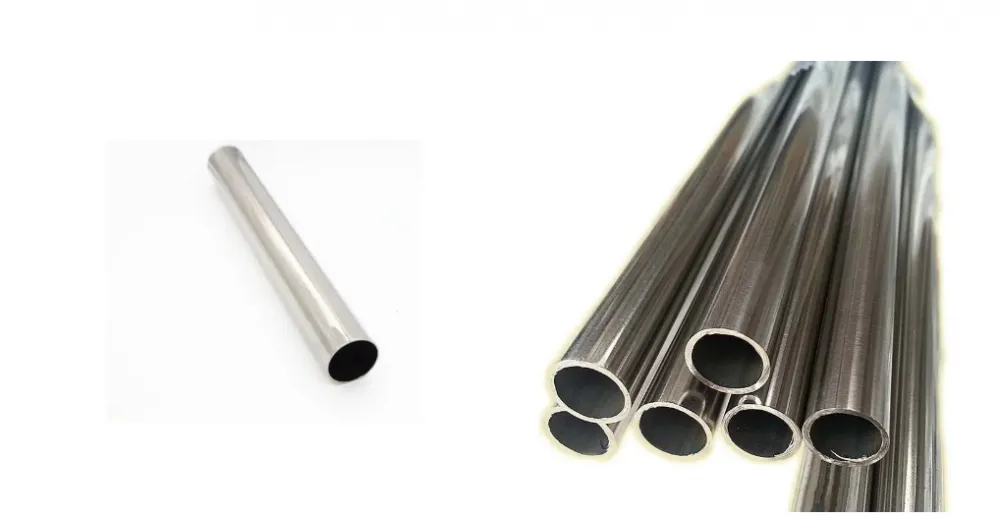
2. Standard Combination: Electrolytic Polishing + Passivation+ Passivation + Coating
V. Frontier Trends in Surface Treatment Processes
1. Chrome-free Electrolytic Polishing: Utilizes a sulfuric acid - phosphoric acid - organic carboxylic acid system instead of chromic electrolyte, complying with environmental regulations (such as the EU REACH regulations).
2. Plasma Polishing: Utilizes plasma bombardment on the surface (temperature ≤ 100℃), suitable for heat-sensitive medical devices (such as endoscope tubes).
3. Intelligent Monitoring System: Through real-time monitoring of parameters such as electrolyte conductivity and temperature, automatically adjusts the polishing process to ensure consistency of the surface of each batch of tubes.
Summary
The surface treatment process of sanitary-grade stainless steel pipes is the core part of "cleanliness control": mechanical polishing addresses the problem of macroscopic leveling, electrolytic/electrochemical polishing achieves microscopic precise leveling, and passivation treatment enhances corrosion resistance at the material level. The combination of different processes needs to be selected comprehensively based on industry standards (such as FDA, GMP), medium characteristics (such as the acidity and alkalinity of the liquid), and cost budget. The ultimate goal is to block the contamination path through surface optimization and ensure product safety and process stability.
Recently Posted
-
Does the stainless steel welded pipe have specific temperature requirements during the solution heat
January 20, 2026Solution heat treatment involves heating stainless steel to a high temperature and then rapidly cooling it to achieve an oversatur Read More
 -
Can stainless steel welded pipes be made into thick pipes
January 20, 2026With the improvement of high-quality welding technology and increasingly strict weld inspection, the application fields of s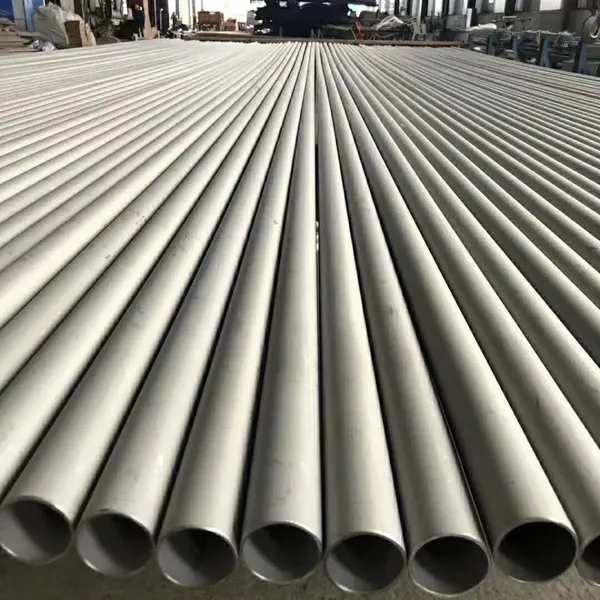 Read More
 -
Three types of commonly available food-grade stainless steel on the market
January 20, 2026The common food-grade stainless steel pipes are mainly composed of iron, chromium and carbon and other elements. Household stainle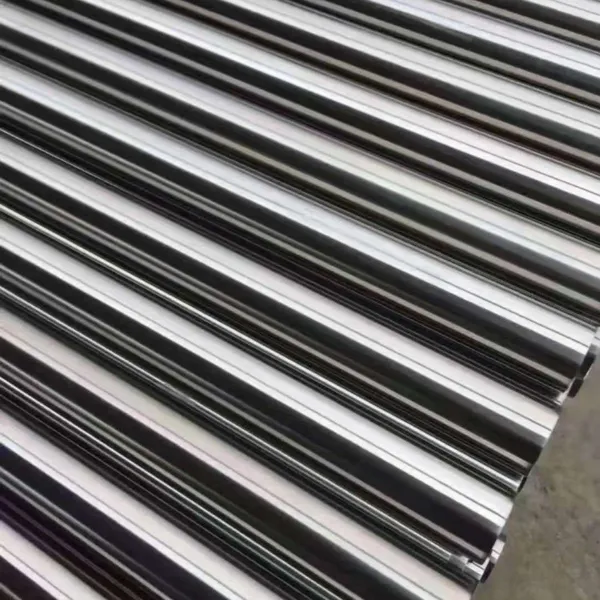 Read More
 -
What are the requirements for stainless steel welding pipe production equipment
January 20, 2026As is well known, stainless steel welded pipes have been widely used in various industries such as machinery, chemical engineering Read More

Contact Us
Recommended Products
-
 Stainless Steel Elbow Welded Elbow 45/90/180-degree Seamless Pressed Elbow Long Radius Elbow Short Radius Elbow WholesaleNegotiableMOQ: 1 Piece
 -
316L/1.4405 Seamless Stainless Steel PipeNegotiableMOQ: 2 Meters
-
310s 440 Seamless Sanitary Piping Price 321 904l 201 20 Inch Seamless Steel Pipe A554 Stainless Steel PipeNegotiableMOQ: 1 Piece
-
China Brand ZZ Wholesale 304L 316 316L Welded Austenitic Piping Stainless Steel Pipe SupplierNegotiableMOQ: 2 Meters
-
304/304L/316/409/410/904L/2205/2507/310H Premium Stainless Steel Sheets Supplier Custom Sizes & FinishesUS$ 1.72MOQ: 1 Ton
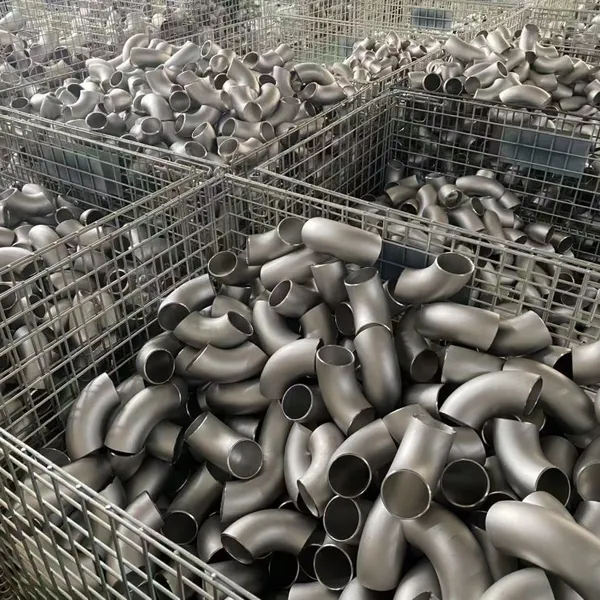
-
Stainless Steel ASME B16.9 Sch 45 90 Degree Pipe Fittings ElbowUS$ 8MOQ: 1 Piece
-
China Brand Zz 304L 316/316L GB En JIS Standard Thin Wall Welded Stainless Steel Water Pipe/TubeNegotiableMOQ: 2 Meters
-
BA 4 Inch 6 Inch 8 Inch 201 304 304L 316 316L Welded Seamless Stainless Steel PipeNegotiableMOQ: 2 Meters
-
ASME B36.19M-2004 SCH40S Stainless Steel Pipe - Complies With EU 3.1 CertificationUS$ 1 - 650MOQ: 1 Piece
-
Factory TP309/TP309S/TP309H (UNS30900) Seamless Stainless Steel Pipe and Tube for Boiler BafflesUS$ 8MOQ: 200 Kilograms
-
TP347/TP347H/1.4961/S34709 Seamless Stainless Steel Pipe for UseNegotiableMOQ: 2 Meters
-
China 304 316 Stainless Steel Sanitary Welded Tube Food Grade Sanitary Grade Welded Pipe PolishingNegotiableMOQ: 1 Piece
-
China Manufacture Stainless Steel 316L Ba Seamless Welded Steel Pipe TubesUS$ 1760 - 1860MOQ: 5 Tons
-
316L/1.4405 Seamless Stainless Steel PipeNegotiableMOQ: 2 Meters
-
Stainless Steel Globe Valve – High Durability & Corrosion ResistanceNegotiableMOQ: 1 Piece
-
1.4529 Stainless Steel Flat Plate for Chemical Processing EquipmentUS$ 25 - 35MOQ: 1 Kilogram
-
Color Coated Steel Panels for Warehouse Partition Walls (Fireproof Grade)US$ 1 - 1.2MOQ: 50 Kilograms
-
Custom Width (600mm-1250mm) Colored Steel Coil With Scratch ResistanceUS$ 1 - 1.2MOQ: 50 Kilograms
-
0.5mm-3.0mm Colored Coated Steel Sheet With PVDF/Polyester CoatingUS$ 1 - 1.2MOQ: 50 Kilograms
-
JIS G 3322 Compliant Colored Coils With Third-Party Inspection ReportUS$ 1 - 1.2MOQ: 50 Kilograms