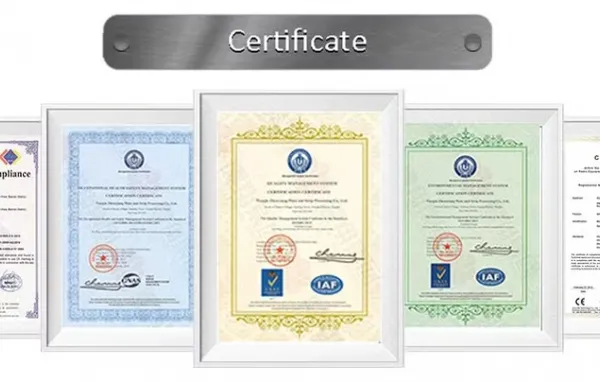

 Business License

A Comparison of INCONEL Alloys 625 and 725
Both INCONEL® alloy 625 and 725 are nickel-based corrosion-resistant alloys, widely used in high-temperature, high-pressure and highly corrosive environments. However, there are significant differences between them in terms of composition design, strengthening mechanisms, properties and application scenarios. The following is a detailed comparison from multiple dimensions:
I. Chemical Composition Comparison
Both alloys are nickel-based, with core alloying elements being chromium (Cr), molybdenum (Mo), and niobium (Nb). However, the differences in the content of key elements (such as titanium, aluminum, and iron) determine their performance variations. The specific compositions (mass fractions, %) are as follows:
II. Comparison of Strengthening Mechanisms
The strengthening mechanism is the core reason for the performance difference between the two:
INCONEL® 625: Predominantly solid solution strengthening. By dissolving elements such as chromium, molybdenum, and niobium into the nickel matrix, a stable solid solution is formed, which hinders dislocation movement and thereby enhances strength. This mechanism makes the alloy less prone to softening at high temperatures (no problem of precipitate phase decomposition), and it has excellent high-temperature stability.
INCONEL® 725: Predominantly precipitation hardening (age hardening). After solution treatment (dissolving alloy elements at high temperatures), followed by aging treatment (holding at approximately 700-800°C), fine and uniform γ' phases (Ni₃(Ti,Al)) precipitate, significantly enhancing strength through dispersion strengthening. This mechanism enables it to achieve a much higher yield strength than 625 at room temperature and medium temperatures.
III. Comparison of Mechanical Properties
IV. Corrosion Resistance Comparison
Both alloys exhibit excellent corrosion resistance, but due to differences in composition, their application environments have slight emphases:
Commonalities: Both are resistant to seawater, salt spray, neutral and weakly acidic media, and have strong resistance to pitting and crevice corrosion caused by chloride ions (containing Cr, Mo, and Nb elements).
Differences:
625: With a higher molybdenum content (8-10%), it offers superior corrosion resistance in strongly reducing media (such as hydrochloric acid and hydrofluoric acid) and high-temperature oxidative environments (such as flue gas desulfurization).
725: With higher titanium and aluminum content but slightly lower chromium and molybdenum, it shows slightly inferior corrosion resistance in strongly oxidizing media compared to 625, but performs exceptionally well in the H₂S/CO₂ environment of oil and gas extraction (resistant to sulfide stress corrosion).
V. Comparison of Processing and Heat Treatment
VI. Comparison of Application Fields
VII. Summary and Selection Recommendations
From the above comparison, it can be seen that 625 is more suitable for scenarios with high temperatures, strong corrosion, and easy processing, while 725 focuses on the high-strength requirements in medium-temperature and high-pressure environments. The two are irreplaceable in their respective fields.
Recently Posted
-
Does the stainless steel welded pipe have specific temperature requirements during the solution heat
January 20, 2026Solution heat treatment involves heating stainless steel to a high temperature and then rapidly cooling it to achieve an oversatur Read More
 -
Can stainless steel welded pipes be made into thick pipes
January 20, 2026With the improvement of high-quality welding technology and increasingly strict weld inspection, the application fields of s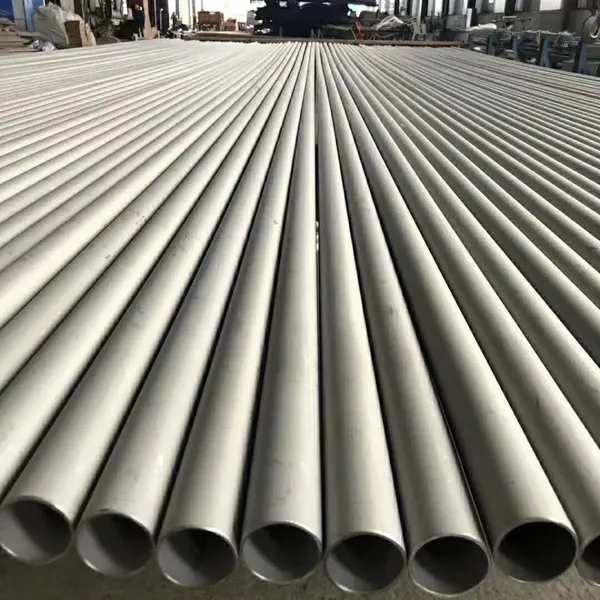 Read More
 -
Three types of commonly available food-grade stainless steel on the market
January 20, 2026The common food-grade stainless steel pipes are mainly composed of iron, chromium and carbon and other elements. Household stainle Read More
 -
What are the requirements for stainless steel welding pipe production equipment
January 20, 2026As is well known, stainless steel welded pipes have been widely used in various industries such as machinery, chemical engineering Read More

Contact Us
Recommended Products
-
 Stainless Steel Elbow Welded Elbow 45/90/180-degree Seamless Pressed Elbow Long Radius Elbow Short Radius Elbow WholesaleNegotiableMOQ: 1 Piece
 -
316L/1.4405 Seamless Stainless Steel PipeNegotiableMOQ: 2 Meters
-
310s 440 Seamless Sanitary Piping Price 321 904l 201 20 Inch Seamless Steel Pipe A554 Stainless Steel PipeNegotiableMOQ: 1 Piece
-
China Brand ZZ Wholesale 304L 316 316L Welded Austenitic Piping Stainless Steel Pipe SupplierNegotiableMOQ: 2 Meters
-
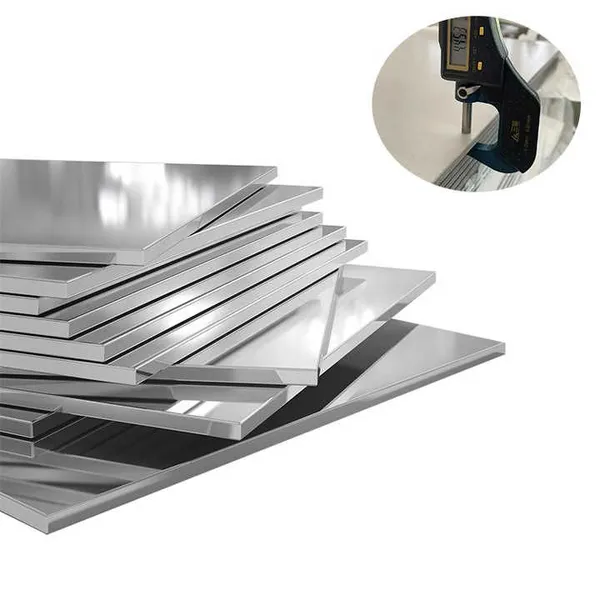
304/304L/316/409/410/904L/2205/2507/310H Premium Stainless Steel Sheets Supplier Custom Sizes & FinishesUS$ 1.72MOQ: 1 Ton
-
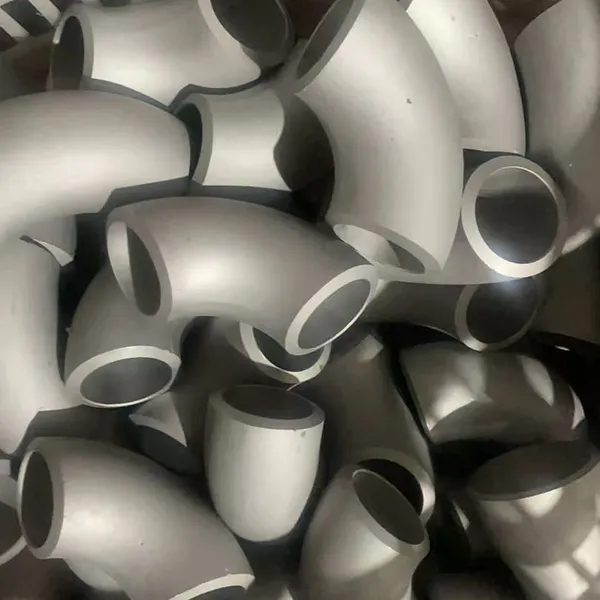
Stainless Steel ASME B16.9 Sch 45 90 Degree Pipe Fittings ElbowUS$ 8MOQ: 1 Piece
-
China Brand Zz 304L 316/316L GB En JIS Standard Thin Wall Welded Stainless Steel Water Pipe/TubeNegotiableMOQ: 2 Meters
-
BA 4 Inch 6 Inch 8 Inch 201 304 304L 316 316L Welded Seamless Stainless Steel PipeNegotiableMOQ: 2 Meters
-
ASME B36.19M-2004 SCH40S Stainless Steel Pipe - Complies With EU 3.1 CertificationUS$ 1 - 650MOQ: 1 Piece
-
Factory TP309/TP309S/TP309H (UNS30900) Seamless Stainless Steel Pipe and Tube for Boiler BafflesUS$ 8MOQ: 200 Kilograms
-
TP347/TP347H/1.4961/S34709 Seamless Stainless Steel Pipe for UseNegotiableMOQ: 2 Meters
-
China 304 316 Stainless Steel Sanitary Welded Tube Food Grade Sanitary Grade Welded Pipe PolishingNegotiableMOQ: 1 Piece
-
China Manufacture Stainless Steel 316L Ba Seamless Welded Steel Pipe TubesUS$ 1760 - 1860MOQ: 5 Tons
-
316L/1.4405 Seamless Stainless Steel PipeNegotiableMOQ: 2 Meters
-
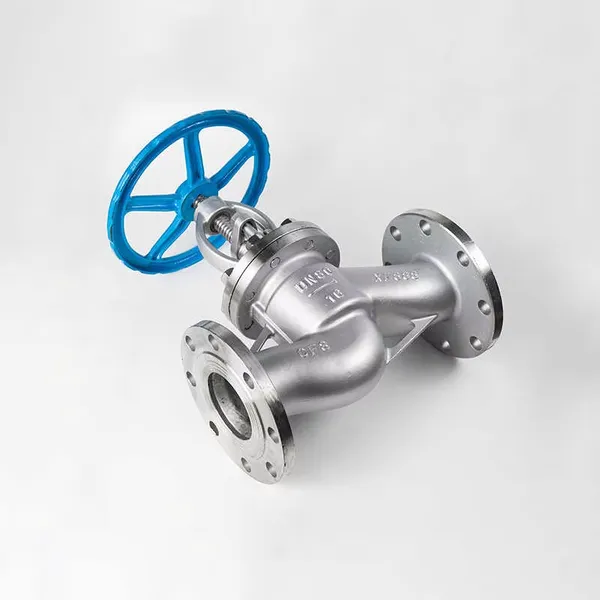
Stainless Steel Globe Valve – High Durability & Corrosion ResistanceNegotiableMOQ: 1 Piece
-
World's Most Affordable Color-Coated Steel Sheets - 0.3mm to 3mm Thickness - Mill Test Report IncludedUS$ 1102MOQ: 10 Kilograms
-
Color-Coated Steel Sheets With 15-Year Fade Warranty - JIS G 3322 Standard CompliantUS$ 1102MOQ: 10 Kilograms
-
Prefab Building Material - 0.4mm Color-Coated Corrugated Sheets - 100,000㎡ Monthly OutputUS$ 1102MOQ: 10 Kilograms
-
Industrial-Grade Color-Coated Sheets - 150-250g/m² Zinc Coating - Weather & UV ResistantUS$ 1102MOQ: 10 Kilograms
-
Factory-Direct Color-Coated Steel Plates - PVDF/Polyester Coating - 1220mm Standard WidthUS$ 1102MOQ: 10 Kilograms