
 Business License

How to reduce the occurrence of mixed crystals?
Key measures to reduce the occurrence of inclusions
The formation of inclusions is closely related to the entire process of material preparation, processing and heat treatment. It is necessary to address the issue from multiple aspects such as process parameter optimization, equipment improvement and quality control. The specific solutions are as follows:
I. Control of Raw Materials and Casting Process
Optimize the uniformity of chemical composition
Employ refining techniques (such as vacuum melting, electromagnetic stirring) to reduce alloy element segregation and minimize dendritic segregation, avoiding grain growth differences caused by uneven composition.
For alloys with high segregation tendency (such as aluminum alloys, superalloys), an equalizing annealing process can be added to eliminate compositional inhomogeneity through diffusion.
Improve casting cooling conditions
Use constant-temperature molds or temperature-controlled pouring systems to ensure uniform cooling rates across all parts of the castings, avoiding abnormal grain growth due to local overheating or undercooling.
Control casting temperature: excessively high temperatures can lead to coarse grains, while excessively low temperatures may result in uneven microstructure due to rapid solidification, and the optimal casting temperature should be set according to the alloy characteristics (for example, steel castings are typically controlled at 50-100°C above the liquidus line).
II. Precise Control of Hot Processing Techniques
Controlling the amount of deformation and uniformity of deformation
Avoiding the deformation amount to be in the "critical deformation zone" (5% - 15%), ensuring that the overall deformation amount exceeds the minimum deformation required for recrystallization (usually ≥ 20%), so that the grains can be fully fractured and recrystallized.
Employing multi-directional forging, cross rolling and other processes to reduce the deformation differences in the cross-section of the workpiece (such as the difference in deformation amount between the center and the edge of the forging ≤ 10%), and when necessary, improving the initial microstructure uniformity through pre-deformation treatment.
Strictly controlling the hot processing temperature and time
Setting a reasonable processing temperature range: The temperature should be higher than the recrystallization temperature but lower than the "overheating temperature" where the grains rapidly grow (for carbon steel, the hot processing temperature is usually 900 - 1150℃), avoiding local grain abnormalities caused by temperature fluctuations.
Shortening the high-temperature holding time, using rapid heating or segmented insulation processes, and reducing the driving force for grain growth.
III. Optimization of Heat Treatment Processes
Improvement of Annealing and Normalizing Processes
Homogenization Annealing: For materials with compositional segregation after casting or forging, high-temperature and long-duration annealing (such as for aluminum alloys at 400-450°C for 10-20 hours) is adopted. Through atomic diffusion, the non-uniformity of the microstructure is eliminated.
Re-crystallization Annealing: For cold-worked materials, an annealing temperature slightly above the recrystallization temperature is selected (such as for copper alloys at approximately 250-300°C). The holding time is chosen to ensure that the grains are fully recrystallized but not coarse (usually 1-3 hours).
Isothermal Normalizing: For medium-carbon steels or alloy steels, isothermal normalizing is used instead of ordinary normalizing. By controlling the austenitization temperature (such as above Ac3 by 30-50°C) and the isothermal temperature (the tip of the pearlite transformation zone), a uniform fine pearlite microstructure is obtained.
Pre-treatment before Quenching
For steels with banded structure or carbide segregation, ballizing annealing or diffusion annealing is performed first to eliminate the original structural defects, and then quenching is carried out to avoid the mixed crystals caused by uneven austenitization.
IV. Precise Control of Equipment and Process Parameters
Heating equipment upgrade
Upgrade to vacuum furnaces, atmosphere furnaces, or multi-zone temperature-controlled furnaces to ensure uniform heating temperature of the workpiece (temperature deviation ≤ ±5℃), avoiding local crystal abnormalities caused by temperature gradients in the furnace.
Online monitoring and feedback
During hot processing or heat treatment, monitor the temperature field of the workpiece in real time using infrared temperature measurement, thermal imaging, etc., and combine with the PLC control system to dynamically adjust the heating power or cooling rate to ensure stable process parameters.
V. Quality Inspection and Process Validation
Microstructure Inspection
Perform metallographic tests on raw materials and workpieces at each processing stage. Use grain size grading (such as the ASTM E112 standard) to monitor the uniformity of grains. If inclusions are detected, adjust the subsequent process promptly.
Simulation Optimization
Utilize finite element analysis software (such as Deform, Simufact) to simulate the temperature field, stress field, and grain growth behavior during thermal processing or heat treatment. Predict the risk of inclusions in advance and optimize process parameters.
Typical Cases and Applications
Aluminum Alloy Forging: A 7-series aluminum alloy forging suffered from inhomogeneous crystal formation due to temperature fluctuations (±20℃) during forging. By changing the heating furnace to a zone-controlled temperature system (with a deviation of ≤±3℃) and optimizing the deformation amount to 30%, the problem of inhomogeneous crystals was significantly improved.
Gear Steel Heat Treatment: Before quenching, 20CrMnTi gear steel had residual coarse crystals due to insufficient annealing temperature (780℃). By adjusting the annealing temperature to 850℃ and holding it for 2 hours, the grain uniformity met the standard (grain size 8-9 grades).
Through the entire process of process control, from raw material smelting to finished product heat treatment, precisely regulating the temperature, deformation amount, and cooling conditions at each stage can effectively reduce the occurrence of inhomogeneous crystals and ensure uniform and stable material properties.
Recently Posted
-
Does the stainless steel welded pipe have specific temperature requirements during the solution heat
January 20, 2026Solution heat treatment involves heating stainless steel to a high temperature and then rapidly cooling it to achieve an oversatur Read More
 -
Can stainless steel welded pipes be made into thick pipes
January 20, 2026With the improvement of high-quality welding technology and increasingly strict weld inspection, the application fields of s Read More
 -
Three types of commonly available food-grade stainless steel on the market
January 20, 2026The common food-grade stainless steel pipes are mainly composed of iron, chromium and carbon and other elements. Household stainle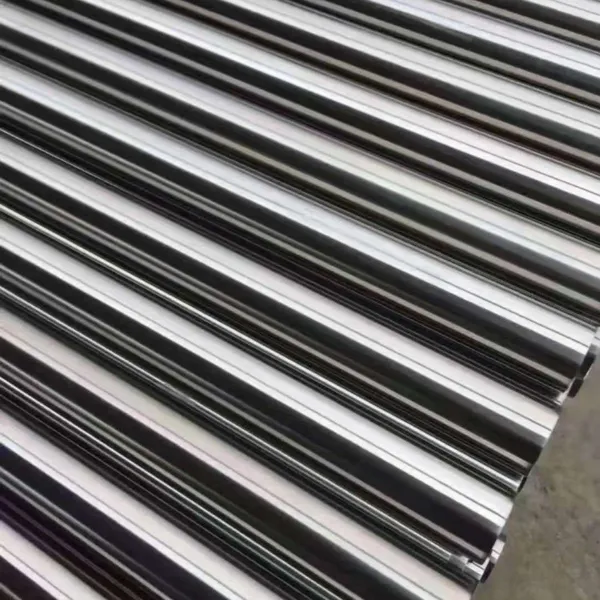 Read More
 -
What are the requirements for stainless steel welding pipe production equipment
January 20, 2026As is well known, stainless steel welded pipes have been widely used in various industries such as machinery, chemical engineering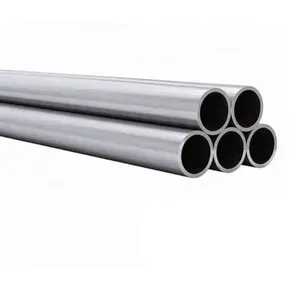 Read More

Contact Us
Recommended Products
-
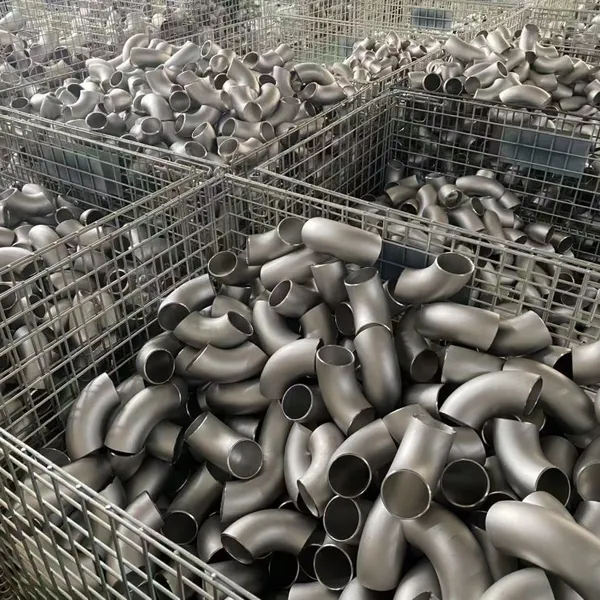
 Stainless Steel Elbow Welded Elbow 45/90/180-degree Seamless Pressed Elbow Long Radius Elbow Short Radius Elbow WholesaleNegotiableMOQ: 1 Piece
 -
316L/1.4405 Seamless Stainless Steel PipeNegotiableMOQ: 2 Meters
-
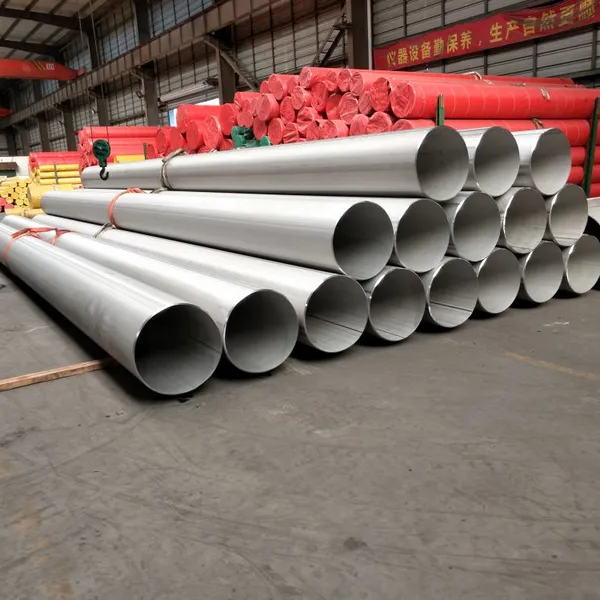
310s 440 Seamless Sanitary Piping Price 321 904l 201 20 Inch Seamless Steel Pipe A554 Stainless Steel PipeNegotiableMOQ: 1 Piece
-
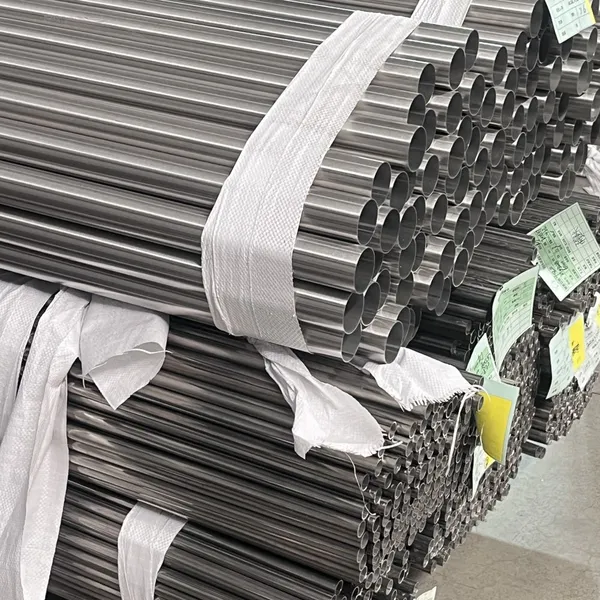
China Brand ZZ Wholesale 304L 316 316L Welded Austenitic Piping Stainless Steel Pipe SupplierNegotiableMOQ: 2 Meters
-
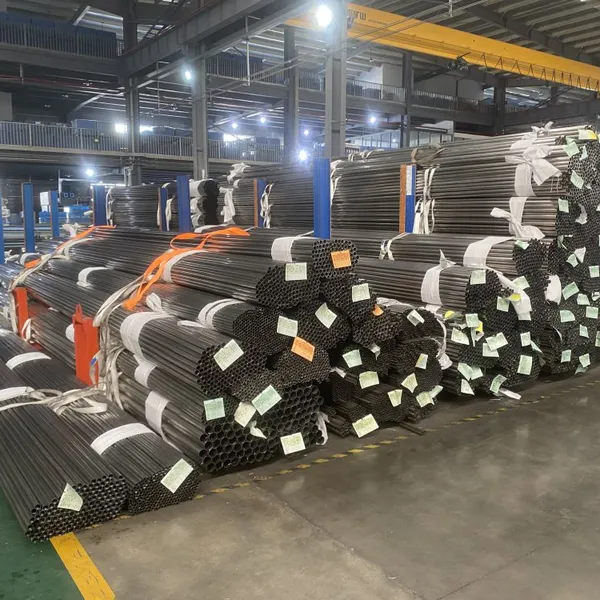
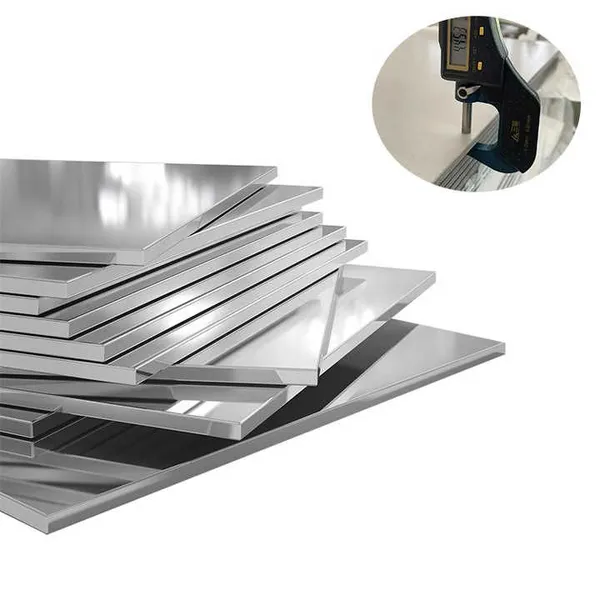
304/304L/316/409/410/904L/2205/2507/310H Premium Stainless Steel Sheets Supplier Custom Sizes & FinishesUS$ 1.72MOQ: 1 Ton
-
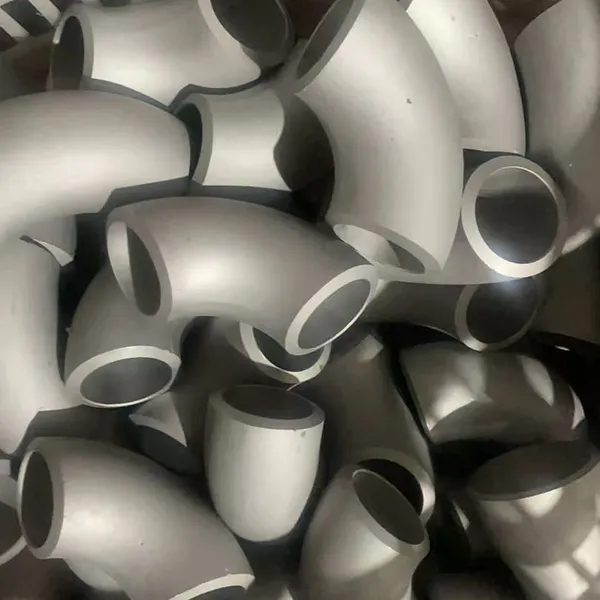
Stainless Steel ASME B16.9 Sch 45 90 Degree Pipe Fittings ElbowUS$ 8MOQ: 1 Piece
-
China Brand Zz 304L 316/316L GB En JIS Standard Thin Wall Welded Stainless Steel Water Pipe/TubeNegotiableMOQ: 2 Meters
-
BA 4 Inch 6 Inch 8 Inch 201 304 304L 316 316L Welded Seamless Stainless Steel PipeNegotiableMOQ: 2 Meters
-
ASME B36.19M-2004 SCH40S Stainless Steel Pipe - Complies With EU 3.1 CertificationUS$ 1 - 650MOQ: 1 Piece
-
Factory TP309/TP309S/TP309H (UNS30900) Seamless Stainless Steel Pipe and Tube for Boiler BafflesUS$ 8MOQ: 200 Kilograms
-
TP347/TP347H/1.4961/S34709 Seamless Stainless Steel Pipe for UseNegotiableMOQ: 2 Meters
-
China 304 316 Stainless Steel Sanitary Welded Tube Food Grade Sanitary Grade Welded Pipe PolishingNegotiableMOQ: 1 Piece
-
China Manufacture Stainless Steel 316L Ba Seamless Welded Steel Pipe TubesUS$ 1760 - 1860MOQ: 5 Tons
-
316L/1.4405 Seamless Stainless Steel PipeNegotiableMOQ: 2 Meters
-
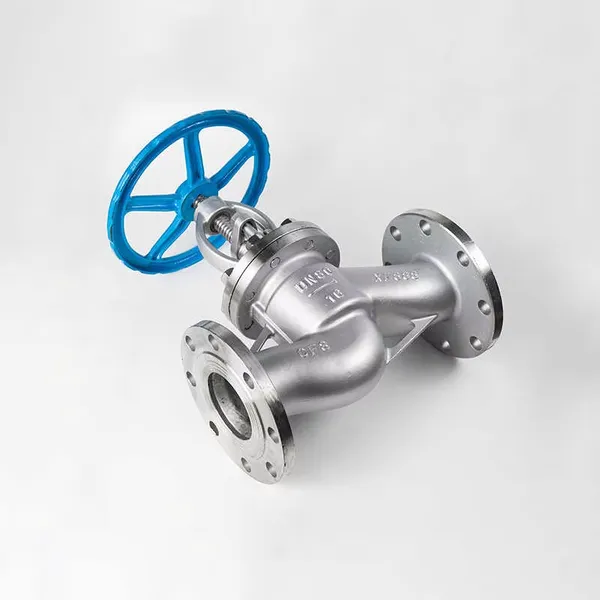
Stainless Steel Globe Valve – High Durability & Corrosion ResistanceNegotiableMOQ: 1 Piece
-
1.4529 Stainless Steel Flat Plate for Chemical Processing EquipmentUS$ 25 - 35MOQ: 1 Kilogram
-
Color Coated Steel Panels for Warehouse Partition Walls (Fireproof Grade)US$ 1 - 1.2MOQ: 50 Kilograms
-
Custom Width (600mm-1250mm) Colored Steel Coil With Scratch ResistanceUS$ 1 - 1.2MOQ: 50 Kilograms
-
0.5mm-3.0mm Colored Coated Steel Sheet With PVDF/Polyester CoatingUS$ 1 - 1.2MOQ: 50 Kilograms
-
JIS G 3322 Compliant Colored Coils With Third-Party Inspection ReportUS$ 1 - 1.2MOQ: 50 Kilograms