
 Business License

Cleaning and disinfection methods for stainless steel pipe oxygen pipelines
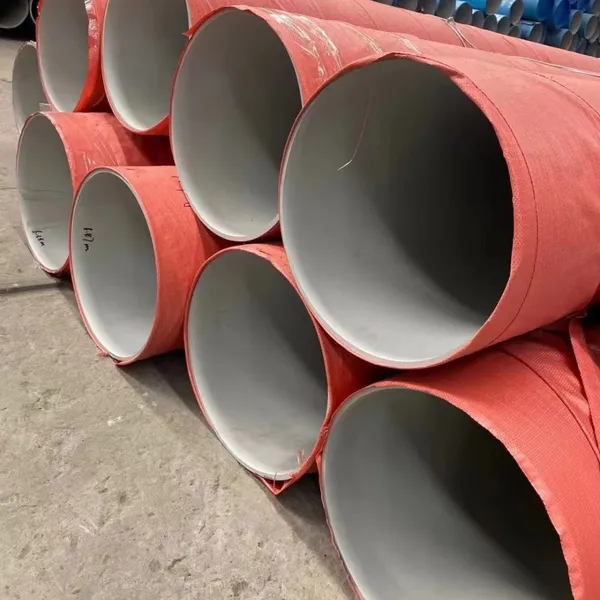
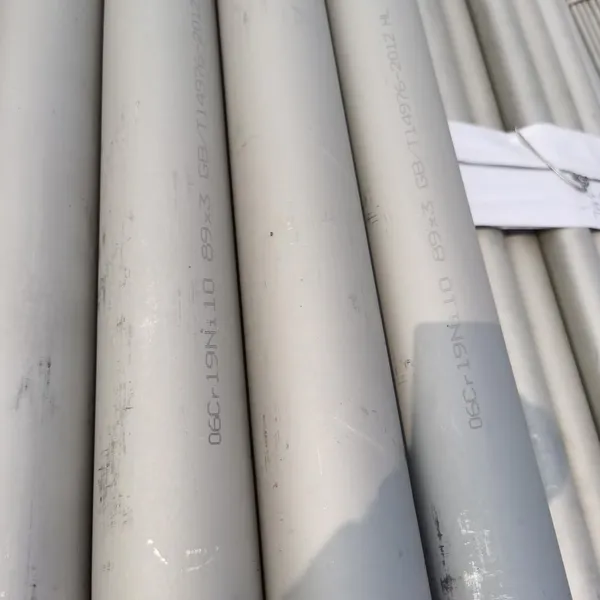
Cleaning and Disinfection of Medical Stainless Steel Oxygen Pipes The cleaning and disinfection of medical stainless steel oxygen pipes are critical to ensuring the safety of oxygen delivery and preventing contamination. Appropriate methods should be selected based on the pipe's purpose, contamination level, and hygiene standards. Below are the specific operational procedures and technical requirements: I. Core Objectives of Cleaning and Disinfection -Removal of impurities: Physical contaminants such as grease, metal debris, dust, and welding slag. -Microbial control: Elimination of biological contaminants (bacteria, fungi, viruses) to prevent pathogen contamination of medical oxygen. - Elimination of safety hazards: Prevention of combustion or explosion caused by contact between grease and oxygen, and reduction of static accumulation risks on the inner surface of pipes. II. Preparations Before Cleaning 1. Inspection of the pipe system - Confirm the pipe is free of leaks, mechanical damage, and welding defects (e.g., burrs, pores) via visual inspection or non-destructive testing. - Remove valves, instruments, and other accessories (non-removable components should be isolated with blind flanges) to avoid residual cleaning fluids. 2. Preparation of tools and reagents - Cleaning tools: Special pipe brushes, sponge balls, high-pressure water guns, pneumatic cleaning equipment, etc. - Cleaning agents: - Degreasing agents: Carbon tetrachloride (CCl₄), trichloroethylene (C₂HCl₃), medical-grade ethanol, etc., meeting the "oil-free" requirements in GB 50751. - Neutral detergents: Phosphorus-free detergents with a pH of 6-8, used to remove water-soluble dirt. - Disinfectants: - Chemical disinfectants: 3% hydrogen peroxide (H₂O₂), 0.1% peracetic acid, 75% ethanol, sodium hypochlorite (available chlorine: 500-1000mg/L). - Physical disinfection: High-temperature steam (121℃ for 30 minutes), ultraviolet light (wavelength 254nm, irradiation time ≥30 minutes). III. Cleaning Procedures and Methods 1. Mechanical cleaning (removal of physical impurities) - Step 1: Pre-rinsing Rinse the pipe with clean water (e.g., purified water, water for injection) at a flow rate of 0.5-1m/s for 10-15 minutes to remove surface dust and debris. - Step 2: Degreasing - Immersion method: Fill the pipe with a degreasing agent, ensuring full submersion, and soak for 30-60 minutes (optimal at 20-40℃). Suitable for short pipes or detachable components. - Circulation method: Pump the degreasing agent through the pipe at 1-2m/s for 2-4 hours. Suitable for long-distance systems (e.g., main central oxygen supply pipes). Note: Degreasing agents must be "oil-free" and thoroughly rinsed (with ethanol or clean water) to avoid reactions with oxygen. - Step 3: Mechanical scrubbing For pipes with a diameter ≥DN25, use a dedicated pipe brush dipped in neutral detergent, scrub the inner wall reciprocally (electrically or pneumatically), and wipe with sponge balls to remove stubborn stains and welding slag. - Step 4: Secondary rinsing Rinse with clean water at 1-2m/s until the effluent’s conductivity ≤10μS/cm (or meets medical water standards), ensuring detergent residue <0.1%. 2. Disinfection treatment (control of biological contamination) - Chemical disinfection - Hydrogen peroxide/peracetic acid: Circulate 3% H₂O₂ or 0.1% peracetic acid at 0.5-1m/s for 30-60 minutes, then rinse with sterile water to neutral pH. Advantage: No residue (decomposes into water and oxygen). - Sodium hypochlorite: Circulate a solution with 500-1000mg/L available chlorine for 30 minutes, then rinse to residual chlorine <0.5mg/L (avoid prolonged contact to prevent corrosion). - Ethanol: Wipe or circulate 75% ethanol for 15-30 minutes (suitable for short pipes; note fire risks). - Physical disinfection - High-temperature steam: Use saturated steam at 121℃ and 0.1MPa for 30 minutes (confirm pipe material’s heat resistance). - Ultraviolet light: Install UV sterilizers with 254nm wavelength, ensuring a dose ≥40mJ/cm². Suitable for long-term maintenance (use with periodic chemical disinfection). IV. Verification and Storage After Cleaning/Disinfection 1. Effect verification - Visual inspection: Inner walls must be free of oil, rust, or debris, showing a metallic luster. - Residue testing: - Grease residue: No fluorescence under UV light (grease fluoresces under UV). - Detergent residue: Test conductivity, pH, or use test strips on water samples. - Microbial testing: - Sampling: Swab the inner wall with sterile cotton or test water samples (colony count ≤100CFU/m² for medical oxygen pipes). - Safety testing: Conduct a pressure test (0.6-1.0MPa) to ensure no leaks. 2. Sealing, storage, and installation - Seal cleaned pipes with plastic blind flanges or dust caps to prevent dust/moisture. - Wear powder-free sterile gloves during installation; avoid direct hand contact with inner walls. Re-clean if unused for >48 hours. V. Precautions and Safety Standards 1. Personnel protection Wear chemical-resistant gloves and goggles when handling degreasers/disinfectants; work in well-ventilated areas (e.g., carbon tetrachloride is toxic—avoid inhalation). 2. Material compatibility Avoid chloride-containing cleaners (e.g., hydrochloric acid) to prevent stress corrosion in stainless steel (316L resists chlorides better than 304L). 3. Cycle management - New pipes must undergo full cleaning/disinfection before installation. - In-use pipes: Disinfect every 1-2 years (adjust based on usage frequency/risk); reprocess immediately if oxygen odors or microbial overgrowth occur. 4. Record-keeping Document reagent batches, operation times, and test results to comply with GMP or hospital infection control standards. VI. Reference Standards and Specifications - GB 50751 Technical Code for Medical Gas Engineering* - YY/T 0801 Seamless Metal Pipes for Medical Gases and Vacuum* - ISO 11135 Sterilization of Health Care Products—Ethylene Oxide* (for disinfection methods) - *Management Specifications for Hospital Central Sterile Supply Departments* (WS 310.1-2016) Summary Cleaning and disinfection of medical stainless steel oxygen pipes require combining "physical removal + chemical/physical disinfection," focusing on degreasing, decontamination, and sterilization. Select appropriate procedures based on pipe use, validate outcomes rigorously, and adhere to safety standards to ensure oxygen purity and delivery safety.
Recently Posted
-
Does the stainless steel welded pipe have specific temperature requirements during the solution heat
January 20, 2026Solution heat treatment involves heating stainless steel to a high temperature and then rapidly cooling it to achieve an oversatur Read More
 -
Can stainless steel welded pipes be made into thick pipes
January 20, 2026With the improvement of high-quality welding technology and increasingly strict weld inspection, the application fields of s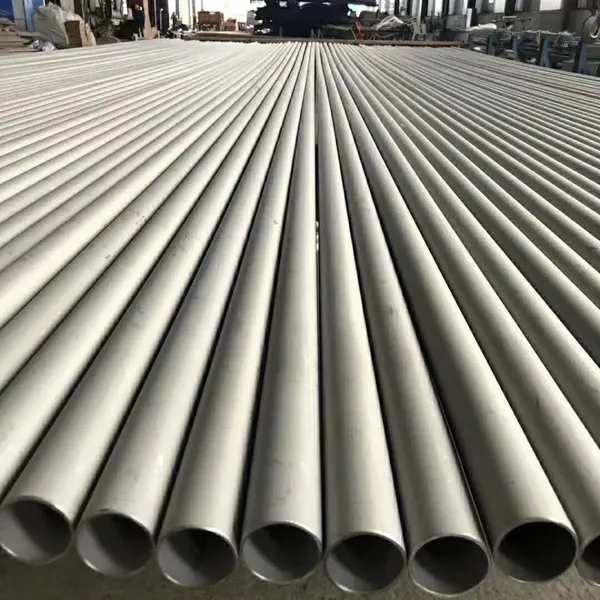 Read More
 -
Three types of commonly available food-grade stainless steel on the market
January 20, 2026The common food-grade stainless steel pipes are mainly composed of iron, chromium and carbon and other elements. Household stainle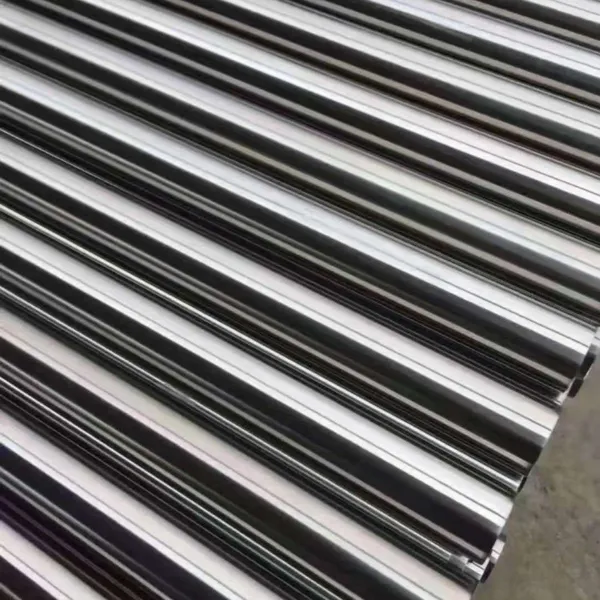 Read More
 -
What are the requirements for stainless steel welding pipe production equipment
January 20, 2026As is well known, stainless steel welded pipes have been widely used in various industries such as machinery, chemical engineering Read More

Contact Us
Recommended Products
-
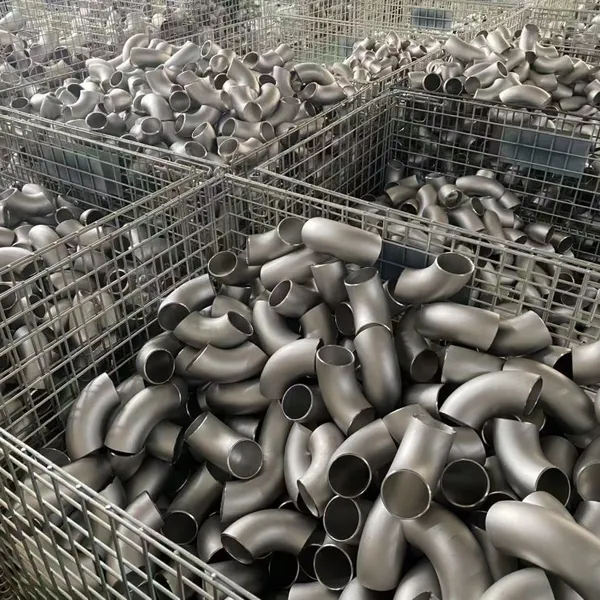
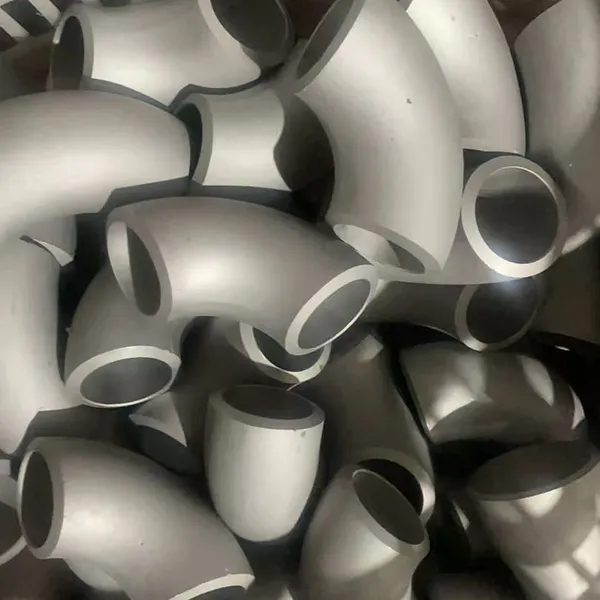
 Stainless Steel Elbow Welded Elbow 45/90/180-degree Seamless Pressed Elbow Long Radius Elbow Short Radius Elbow WholesaleNegotiableMOQ: 1 Piece
 -
316L/1.4405 Seamless Stainless Steel PipeNegotiableMOQ: 2 Meters
-
310s 440 Seamless Sanitary Piping Price 321 904l 201 20 Inch Seamless Steel Pipe A554 Stainless Steel PipeNegotiableMOQ: 1 Piece
-
China Brand ZZ Wholesale 304L 316 316L Welded Austenitic Piping Stainless Steel Pipe SupplierNegotiableMOQ: 2 Meters
-
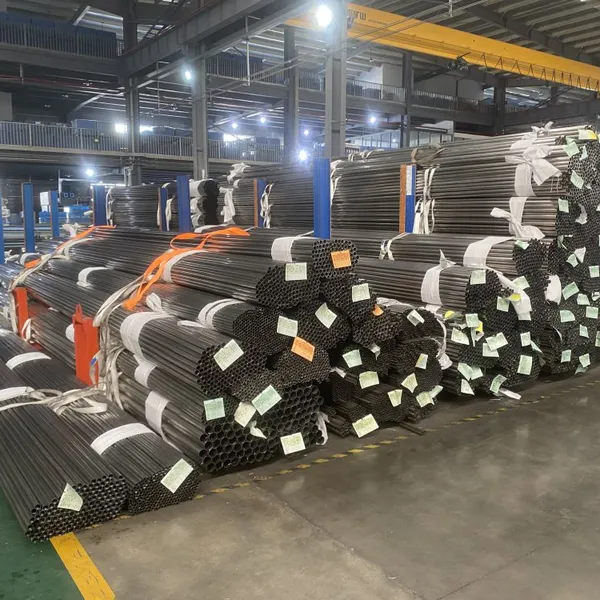
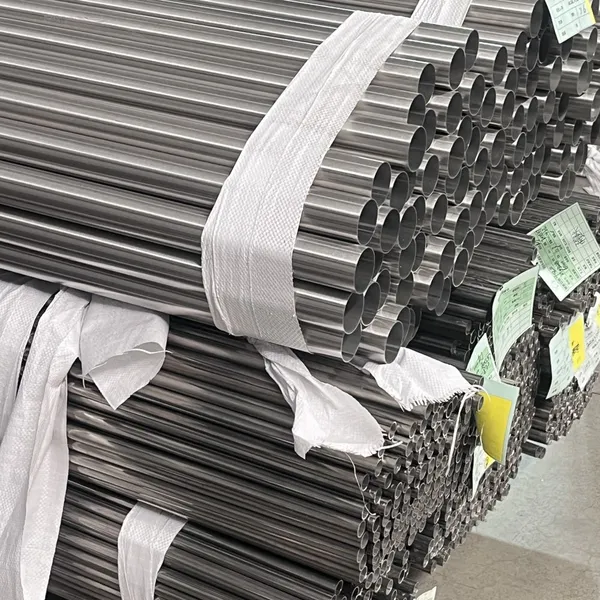
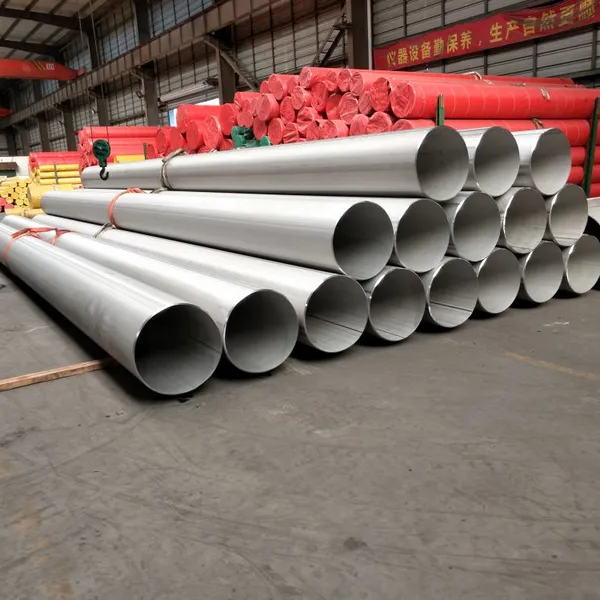
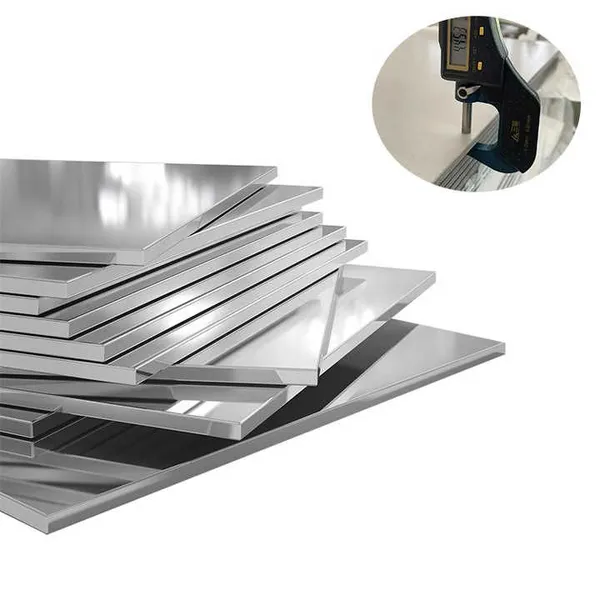
304/304L/316/409/410/904L/2205/2507/310H Premium Stainless Steel Sheets Supplier Custom Sizes & FinishesUS$ 1.72MOQ: 1 Ton
-
Stainless Steel ASME B16.9 Sch 45 90 Degree Pipe Fittings ElbowUS$ 8MOQ: 1 Piece
-
China Brand Zz 304L 316/316L GB En JIS Standard Thin Wall Welded Stainless Steel Water Pipe/TubeNegotiableMOQ: 2 Meters
-
BA 4 Inch 6 Inch 8 Inch 201 304 304L 316 316L Welded Seamless Stainless Steel PipeNegotiableMOQ: 2 Meters
-
ASME B36.19M-2004 SCH40S Stainless Steel Pipe - Complies With EU 3.1 CertificationUS$ 1 - 650MOQ: 1 Piece
-
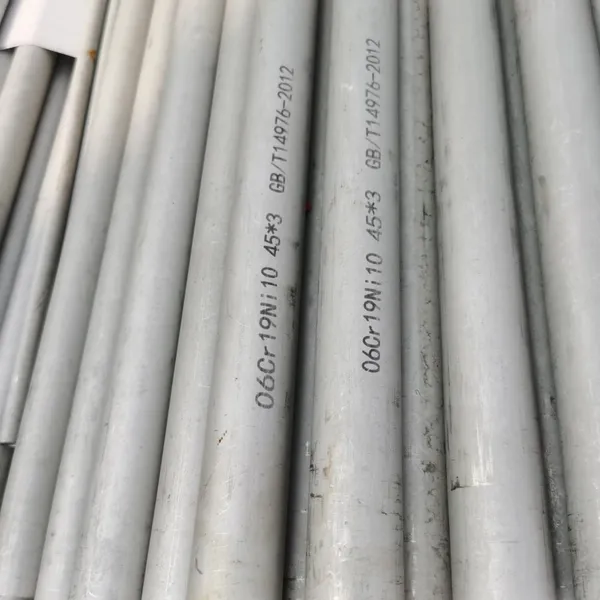
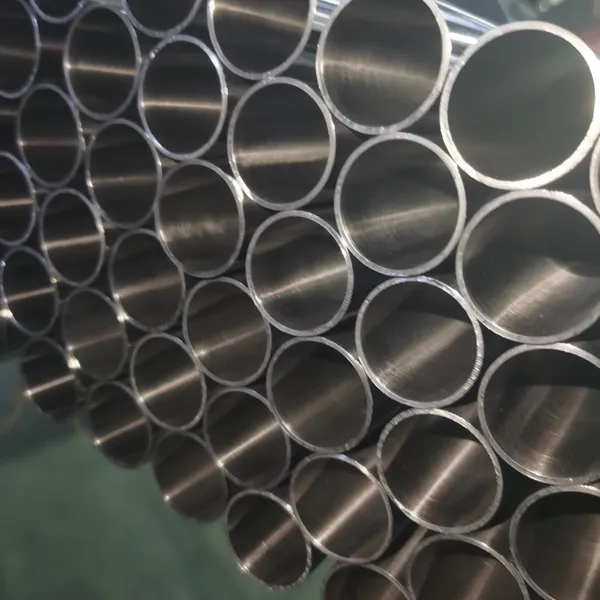
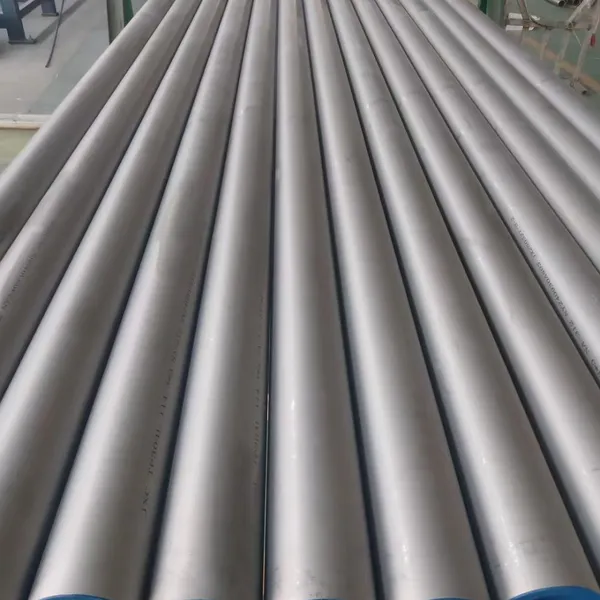
Factory TP309/TP309S/TP309H (UNS30900) Seamless Stainless Steel Pipe and Tube for Boiler BafflesUS$ 8MOQ: 200 Kilograms
-
TP347/TP347H/1.4961/S34709 Seamless Stainless Steel Pipe for UseNegotiableMOQ: 2 Meters
-
China 304 316 Stainless Steel Sanitary Welded Tube Food Grade Sanitary Grade Welded Pipe PolishingNegotiableMOQ: 1 Piece
-
China Manufacture Stainless Steel 316L Ba Seamless Welded Steel Pipe TubesUS$ 1760 - 1860MOQ: 5 Tons
-
316L/1.4405 Seamless Stainless Steel PipeNegotiableMOQ: 2 Meters
-
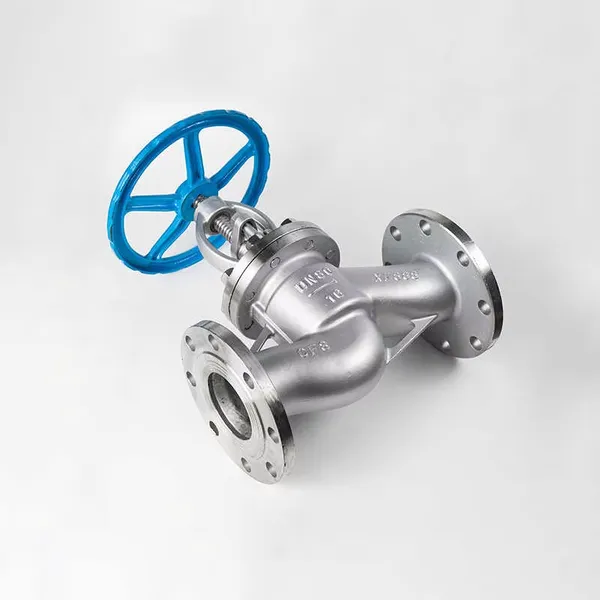
Stainless Steel Globe Valve – High Durability & Corrosion ResistanceNegotiableMOQ: 1 Piece
-
1.4529 Stainless Steel Flat Plate for Chemical Processing EquipmentUS$ 25 - 35MOQ: 1 Kilogram
-
Color Coated Steel Panels for Warehouse Partition Walls (Fireproof Grade)US$ 1 - 1.2MOQ: 50 Kilograms
-
Custom Width (600mm-1250mm) Colored Steel Coil With Scratch ResistanceUS$ 1 - 1.2MOQ: 50 Kilograms
-
0.5mm-3.0mm Colored Coated Steel Sheet With PVDF/Polyester CoatingUS$ 1 - 1.2MOQ: 50 Kilograms
-
JIS G 3322 Compliant Colored Coils With Third-Party Inspection ReportUS$ 1 - 1.2MOQ: 50 Kilograms