
 Business License

How to optimize the bright annealing process to reduce its impact on the environment
The optimization of the environmental performance of the bright annealing process needs to start from multiple dimensions such as energy consumption, resource utilization, and pollutant emissions, combining process characteristics with green technology innovation. The following are specific optimization directions and implementation strategies:
I. Energy consumption optimization: reducing carbon emissions and heat loss
1. Upgrading efficient heating technology
Using induction heating or resistance furnace optimization: The induction heating efficiency is 15%-30% higher than that of traditional resistance furnaces, and the heating uniformity is good (such as medium-frequency induction heating can achieve local precision heating), reducing energy waste.
Upgrading furnace insulation materials: Using nano-level insulation materials (such as aerogel felt, ceramic fiber blanket), the heat loss of the furnace wall is reduced by more than 50%, and the heating/cooling time is shortened.
Integration of waste heat recovery system: Install a heat exchanger in the flue of the annealing furnace, and use the heat of high-temperature exhaust gas to preheat the protective gas or heat the workpiece, and the energy utilization rate is increased by 10%-15%.
2. Renewable energy substitution
Electric drive + photovoltaic/wind power coupling: Lay photovoltaic panels on the roof of the factory, or connect to the renewable energy grid to achieve zero carbon consumption of annealing equipment (applicable to electric drive furnaces).
Cooperative utilization of industrial waste heat: Cooperate with heat source enterprises such as steel mills and chemical plants to use their waste heat as an auxiliary heat source for annealing furnaces (such as low-pressure steam heating).
2. Protective gas optimization: Reduce consumption and environmental risks
1. Gas circulation and purification technology
Hydrogen/nitrogen closed-loop recovery system: Through palladium membrane purification (H₂) or pressure swing adsorption (PSA, N₂) technology, the protective gas recovery rate in annealing waste gas is increased to more than 95%, reducing the purchase of fresh gas.
Mixed gas replacement solution: For non-ultra-high purity requirements, use N₂+H₂ (low hydrogen content) or N₂+Ar mixed gas instead of pure hydrogen to reduce hydrogen consumption and explosion risks.
2. Low-carbon gas preparation path
Green hydrogen replaces gray hydrogen: Use renewable energy to electrolyze water to produce hydrogen (green hydrogen), replacing traditional coal-based hydrogen (gray hydrogen). Every 1kg of green hydrogen used can reduce about 9kg of CO₂ emissions.
Localized nitrogen production: Install a pressure swing adsorption nitrogen generator (PSA-N₂) on site to avoid carbon emissions from the transportation of purchased bottled nitrogen (transportation energy consumption accounts for about 20%).
III. Intelligent process parameters and equipment: precise control to reduce costs and increase efficiency
1. Annealing process model optimization
AI-based temperature-time-atmosphere collaborative control: Predict the optimal annealing parameters through machine learning algorithms (such as LSTM neural networks) to reduce energy waste caused by excessive annealing (can shorten process time by 10%-20%).
Breakthrough in low-temperature annealing technology: Develop a new low-temperature annealing process for austenitic stainless steel (such as 450-600℃ instead of traditional 700℃ or above), combined with rapid cooling technology to maintain performance, and reduce energy consumption by 30%.
2. Intelligent monitoring and fault warning
Real-time mass spectrometry analysis of furnace atmosphere: Install an online mass spectrometer to monitor the O₂ and H₂O content to avoid repeated annealing due to atmosphere fluctuations (repeated annealing accounts for about 15% of energy consumption).
Equipment energy consumption digital twin: Establish a digital twin model of the annealing furnace to simulate energy consumption distribution in real time, optimize the layout of heating elements, and reduce local overheating.
IV. Pollutant reduction and recycling
1. Enhanced waste gas/wastewater treatment
VOCs waste gas catalytic combustion (RCO): If organic solvents are used to clean the workpiece before annealing, an RCO device must be installed at the waste gas discharge end to decompose VOCs into CO₂ and H₂O, with a removal rate of >98%.
Cooling water closed-loop system: Use a countercurrent cooling tower + soft water processor to achieve 100% recycling of cooling water, reducing wastewater emissions by thousands of tons each year.
2. Utilization of solid waste resources
Oxide scale/metal scrap recovery: A small amount of oxide scale produced by bright annealing (due to the pure protective atmosphere, the amount of oxide scale is less than 0.1%) can be recovered by acid leaching for nickel, chromium and other metals, with a recovery rate of more than 95%.
Regeneration of scrapped furnace lining materials: Waste ceramic fiber cotton can be made into insulation bricks after crushing and melting, and used in other industrial kilns.
V. Green process innovation and alternative technologies
1. Exploration of new annealing technologies
Pulsed electric field annealing (PEA): Grain refinement is induced by pulsed current, which can soften the material at room temperature, eliminating the high-temperature heating step, and the energy consumption is close to zero (suitable for thin-gauge pipes).
Laser surface annealing: Using high-energy laser beams to locally heat the surface of the pipe instead of overall annealing, energy consumption is reduced by more than 70%, and only inert gas protection (such as Ar) is required.
2. Annealing without protective gas
Vacuum annealing replaces gas protection: For conventional stainless steels such as 304 and 316L, high vacuum (<10⁻³Pa) annealing is used to avoid oxidation and save protective gas consumption (vacuum system energy consumption is 15% lower than gas protection).
VI. Full life cycle environmental management
1. Green screening of supply chain
Low-carbon certification of raw materials: Purchase low-carbon stainless steel certified by ISCC + (such as steel smelted in hydrogen-based vertical furnaces) to reduce carbon emissions from the source (CO₂ emissions per ton of steel can be reduced by 70%).
Transportation optimization: Use electric trucks to transport pipes, or combine with rail/water transportation to reduce transportation carbon emissions of annealed products.
Priority technical transformation: starting with "short, flat and fast" projects such as heating efficiency and gas recovery, results can be seen in 6-12 months;
Mid-term technological innovation: developing processes such as low-temperature annealing and intelligent control, which requires 1-3 years of R&D investment;
Long-term industrial collaboration: promoting the construction of supply chains such as green hydrogen and low-carbon steel, which requires 3-5 years of ecological layout.
Through the above measures, the environmental impact (carbon emissions, resource consumption, and pollutant emissions) of the bright annealing process can be reduced by 30%-70% while ensuring product quality, meeting the green manufacturing needs of the carbon neutral era.
#Knowledge about stainless steel seamless pipes##Knowledge about stainless steel pipes##Stainless steel [Super Topic]##Stainless steel welded pipe#
Recently Posted
-
Does the stainless steel welded pipe have specific temperature requirements during the solution heat
January 20, 2026Solution heat treatment involves heating stainless steel to a high temperature and then rapidly cooling it to achieve an oversatur Read More
 -
Can stainless steel welded pipes be made into thick pipes
January 20, 2026With the improvement of high-quality welding technology and increasingly strict weld inspection, the application fields of s Read More
 -
Three types of commonly available food-grade stainless steel on the market
January 20, 2026The common food-grade stainless steel pipes are mainly composed of iron, chromium and carbon and other elements. Household stainle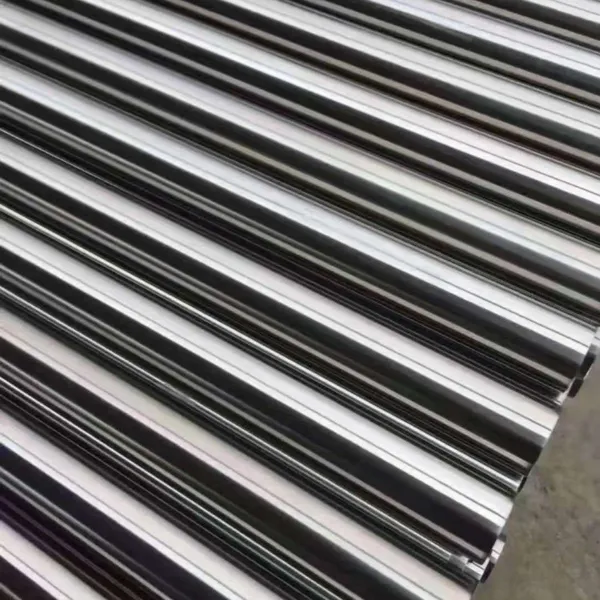 Read More
 -
What are the requirements for stainless steel welding pipe production equipment
January 20, 2026As is well known, stainless steel welded pipes have been widely used in various industries such as machinery, chemical engineering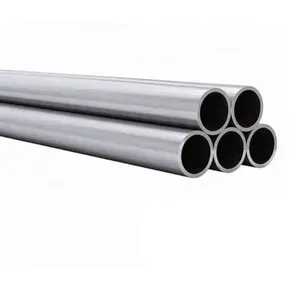 Read More

Contact Us
Recommended Products
-
 Stainless Steel Elbow Welded Elbow 45/90/180-degree Seamless Pressed Elbow Long Radius Elbow Short Radius Elbow WholesaleNegotiableMOQ: 1 Piece
 -
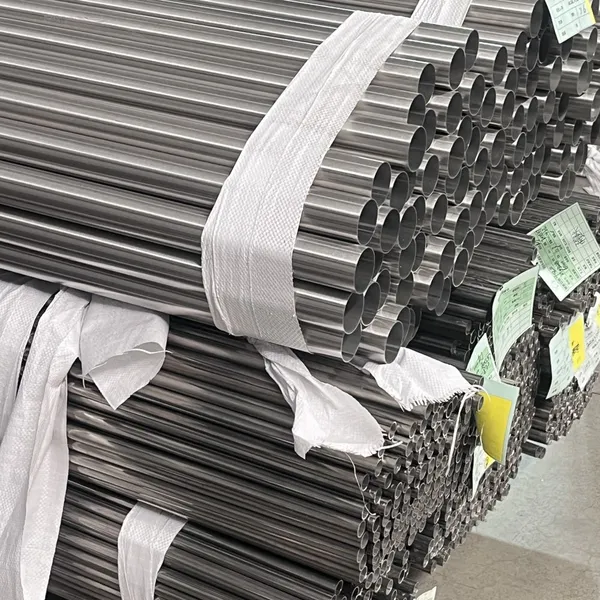
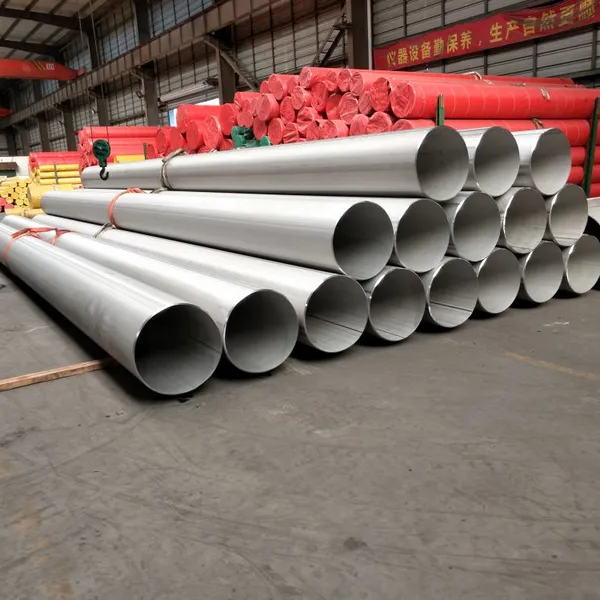
316L/1.4405 Seamless Stainless Steel PipeNegotiableMOQ: 2 Meters
-
310s 440 Seamless Sanitary Piping Price 321 904l 201 20 Inch Seamless Steel Pipe A554 Stainless Steel PipeNegotiableMOQ: 1 Piece
-
China Brand ZZ Wholesale 304L 316 316L Welded Austenitic Piping Stainless Steel Pipe SupplierNegotiableMOQ: 2 Meters
-
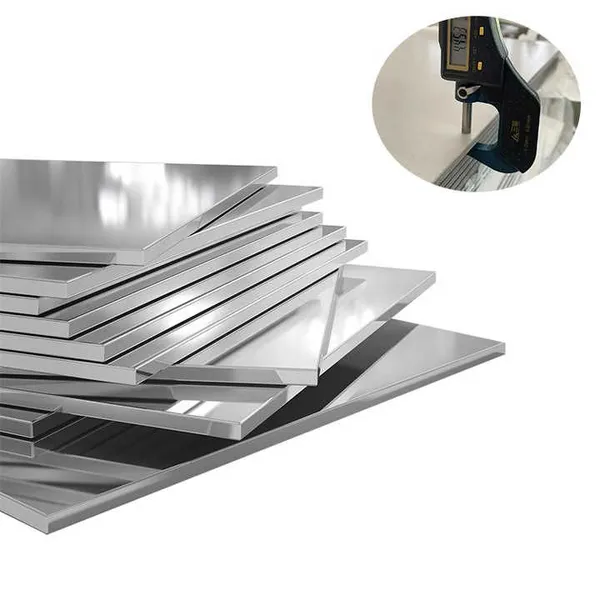
304/304L/316/409/410/904L/2205/2507/310H Premium Stainless Steel Sheets Supplier Custom Sizes & FinishesUS$ 1.72MOQ: 1 Ton
-
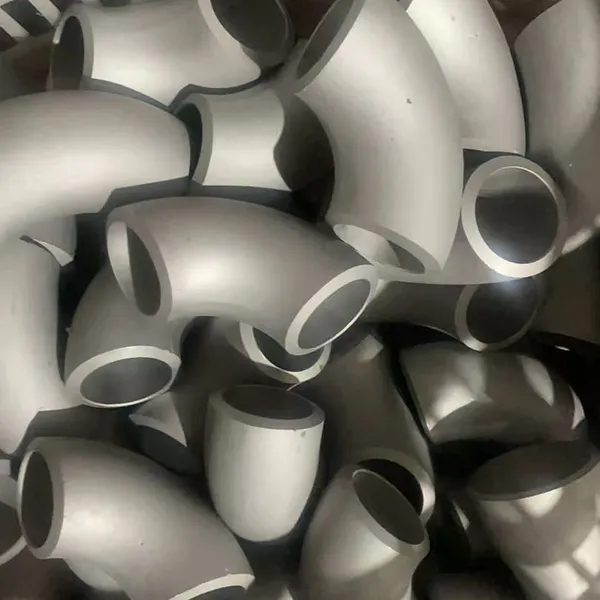
Stainless Steel ASME B16.9 Sch 45 90 Degree Pipe Fittings ElbowUS$ 8MOQ: 1 Piece
-
China Brand Zz 304L 316/316L GB En JIS Standard Thin Wall Welded Stainless Steel Water Pipe/TubeNegotiableMOQ: 2 Meters
-
BA 4 Inch 6 Inch 8 Inch 201 304 304L 316 316L Welded Seamless Stainless Steel PipeNegotiableMOQ: 2 Meters
-
ASME B36.19M-2004 SCH40S Stainless Steel Pipe - Complies With EU 3.1 CertificationUS$ 1 - 650MOQ: 1 Piece
-
Factory TP309/TP309S/TP309H (UNS30900) Seamless Stainless Steel Pipe and Tube for Boiler BafflesUS$ 8MOQ: 200 Kilograms
-
TP347/TP347H/1.4961/S34709 Seamless Stainless Steel Pipe for UseNegotiableMOQ: 2 Meters
-
China 304 316 Stainless Steel Sanitary Welded Tube Food Grade Sanitary Grade Welded Pipe PolishingNegotiableMOQ: 1 Piece
-
China Manufacture Stainless Steel 316L Ba Seamless Welded Steel Pipe TubesUS$ 1760 - 1860MOQ: 5 Tons
-
316L/1.4405 Seamless Stainless Steel PipeNegotiableMOQ: 2 Meters
-
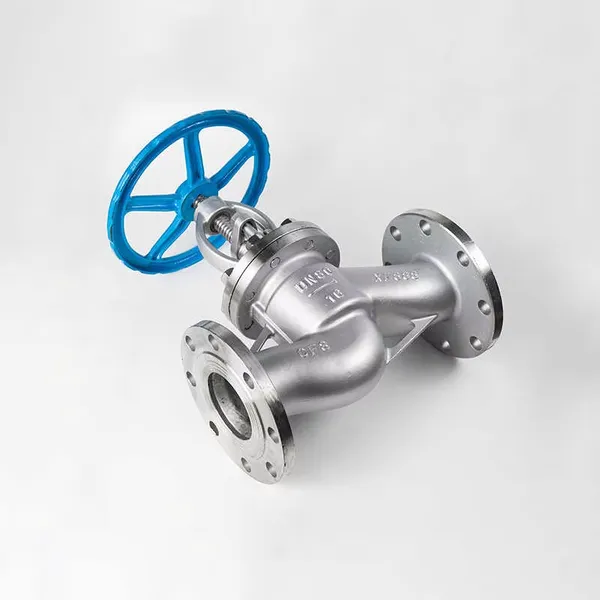
Stainless Steel Globe Valve – High Durability & Corrosion ResistanceNegotiableMOQ: 1 Piece
-
1.4529 Stainless Steel Flat Plate for Chemical Processing EquipmentUS$ 25 - 35MOQ: 1 Kilogram
-
Color Coated Steel Panels for Warehouse Partition Walls (Fireproof Grade)US$ 1 - 1.2MOQ: 50 Kilograms
-
Custom Width (600mm-1250mm) Colored Steel Coil With Scratch ResistanceUS$ 1 - 1.2MOQ: 50 Kilograms
-
0.5mm-3.0mm Colored Coated Steel Sheet With PVDF/Polyester CoatingUS$ 1 - 1.2MOQ: 50 Kilograms
-
JIS G 3322 Compliant Colored Coils With Third-Party Inspection ReportUS$ 1 - 1.2MOQ: 50 Kilograms