
 Business License

Seamless steel pipe heat treatment process and purpose
Purpose of seamless steel pipe heat treatment
Firstly, ensure that product performance meets regulations. For example, heat-treated steel pipes such as oil tubing, oil casing, drill pipes, and seamless steel pipes for high-pressure boilers can be directly used in projects. Secondly, it complies with the regulations for deep processing. For pipes such as bearing steel pipes and mechanical pipes, users can deepen them according to the direction of use
Processing. Thirdly, improve the performance index of steel grades. With the help of this technology, it is ensured that some pipelines with lower steel grades can be upgraded, which can significantly save the use of alloy materials and reduce costs.
2 commonly used seamless steel pipe heat treatment processes
At present, there are a wide variety of steel pipes on the market, and the types of steel used also vary greatly. Even for the same type of steel pipe, their chemical composition has obvious differences. However, after heat treatment, their technical standards all comply with regulations. Specifically, according to product production standards, there are currently several types of heat treatment processes available.
(1) Quenching+High temperature tempering (also known as quenching and tempering treatment): Heat the steel pipe until it meets the required temperature for quenching. At this time, the steel pipe structure will become austenite. Cool it at a set temperature at high speed, and the steel pipe structure will become martensite. With the help of high temperature tempering, its structure will eventually become the tempered martensite structure we need. The advantages of this process are very obvious. It can not only significantly improve the strength of the material, but also increase its hardness. At the same time, it can perfectly integrate the strength and toughness of the material, which meets the production regulations of the manufacturing enterprise.
(2) Normalization (also known as normalizing): Specifically, this process refers to heating steel pipes until they meet the normalizing temperature, at which point their structure becomes austenite, and then cooling them with the help of air. After normalizing treatment, we will obtain different types of metal structures, such as bainite, pearlite, or their mixtures. Its advantage is that it can
It can refine the grain size, ensure consistent composition, and most importantly, enhance its hardness and strengthen cutting ability.
(3) Normalization+Tempering: Specifically, this process involves heating the steel pipe until it meets the normalizing temperature, at which point its structure becomes austenite, then cooling it with air, and finally tempering it. Its organizational types are diverse, such as tempered ferrite+pearlite, or ferrite+bainite, or tempered bainite, or tempered martensite, or tempered martensite. Its advantage is that it can improve the stability of the organization, while also increasing plasticity and toughness.
(4) Annealing:
This process refers to a treatment method in which steel pipes are heated until they meet the annealing temperature, then appropriately insulated for a period of time, gradually cooled to the desired temperature, and then discharged from the furnace. The annealing process of steel pipes can be divided into spheroidization annealing, complete annealing, stress relief annealing, etc. Its advantage is that it can reduce material hardness and improve its plasticity index. At the same time, it can also make the grain size smaller, ensure uniform tissue composition, and improve material properties. The most crucial thing is to eliminate stress and avoid deformation.
(5) Solution treatment (mainly used in the production of 18-8 austenitic stainless steel):
This process refers to heating the steel pipe to the temperature required for solid solution, at which point carbides and other elements will dissolve, and then cooling treatment will be carried out to ensure that the elements are not precipitated. At this point, the desired single austenite structure is obtained. Its advantages include ensuring uniform organizational structure, avoiding hardening, and most importantly, having strong corrosion resistance. There are many types of seamless steel pipes on the current market, and different grades have completely different requirements for heat treatment. To ensure that the new production line meets all quality production regulations, it is necessary to carefully study the heat treatment system.
Recently Posted
-
Does the stainless steel welded pipe have specific temperature requirements during the solution heat
January 20, 2026Solution heat treatment involves heating stainless steel to a high temperature and then rapidly cooling it to achieve an oversatur Read More
 -
Can stainless steel welded pipes be made into thick pipes
January 20, 2026With the improvement of high-quality welding technology and increasingly strict weld inspection, the application fields of s Read More
 -
Three types of commonly available food-grade stainless steel on the market
January 20, 2026The common food-grade stainless steel pipes are mainly composed of iron, chromium and carbon and other elements. Household stainle Read More
 -
What are the requirements for stainless steel welding pipe production equipment
January 20, 2026As is well known, stainless steel welded pipes have been widely used in various industries such as machinery, chemical engineering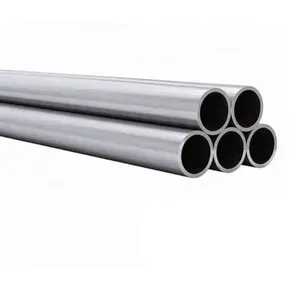 Read More

Contact Us
Recommended Products
-
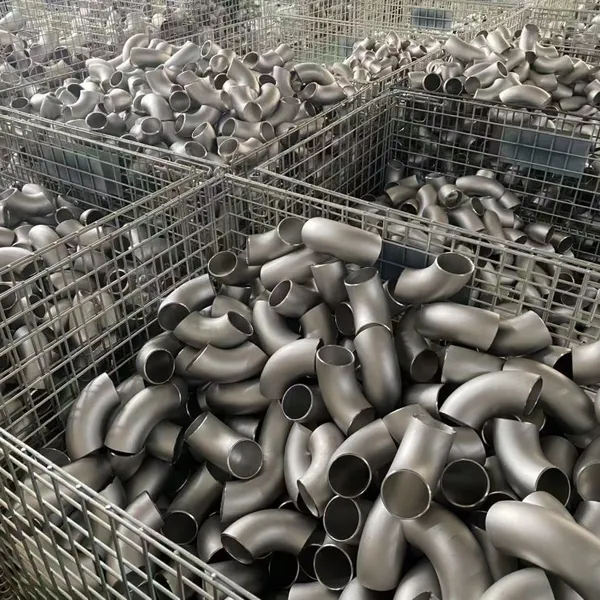
 Stainless Steel Elbow Welded Elbow 45/90/180-degree Seamless Pressed Elbow Long Radius Elbow Short Radius Elbow WholesaleNegotiableMOQ: 1 Piece
 -
316L/1.4405 Seamless Stainless Steel PipeNegotiableMOQ: 2 Meters
-
310s 440 Seamless Sanitary Piping Price 321 904l 201 20 Inch Seamless Steel Pipe A554 Stainless Steel PipeNegotiableMOQ: 1 Piece
-
China Brand ZZ Wholesale 304L 316 316L Welded Austenitic Piping Stainless Steel Pipe SupplierNegotiableMOQ: 2 Meters
-
304/304L/316/409/410/904L/2205/2507/310H Premium Stainless Steel Sheets Supplier Custom Sizes & FinishesUS$ 1.72MOQ: 1 Ton
-
Stainless Steel ASME B16.9 Sch 45 90 Degree Pipe Fittings ElbowUS$ 8MOQ: 1 Piece
-
China Brand Zz 304L 316/316L GB En JIS Standard Thin Wall Welded Stainless Steel Water Pipe/TubeNegotiableMOQ: 2 Meters
-
BA 4 Inch 6 Inch 8 Inch 201 304 304L 316 316L Welded Seamless Stainless Steel PipeNegotiableMOQ: 2 Meters
-
ASME B36.19M-2004 SCH40S Stainless Steel Pipe - Complies With EU 3.1 CertificationUS$ 1 - 650MOQ: 1 Piece
-
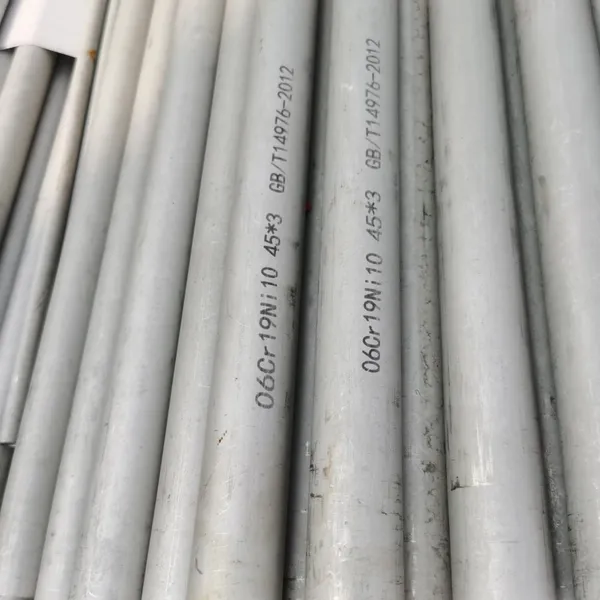
Factory TP309/TP309S/TP309H (UNS30900) Seamless Stainless Steel Pipe and Tube for Boiler BafflesUS$ 8MOQ: 200 Kilograms
-
TP347/TP347H/1.4961/S34709 Seamless Stainless Steel Pipe for UseNegotiableMOQ: 2 Meters
-
China 304 316 Stainless Steel Sanitary Welded Tube Food Grade Sanitary Grade Welded Pipe PolishingNegotiableMOQ: 1 Piece
-
China Manufacture Stainless Steel 316L Ba Seamless Welded Steel Pipe TubesUS$ 1760 - 1860MOQ: 5 Tons
-
316L/1.4405 Seamless Stainless Steel PipeNegotiableMOQ: 2 Meters
-
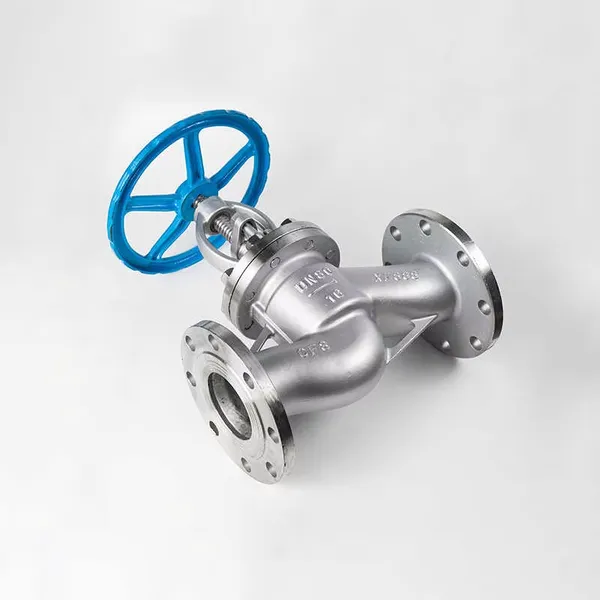
Stainless Steel Globe Valve – High Durability & Corrosion ResistanceNegotiableMOQ: 1 Piece
-
1.4529 Stainless Steel Flat Plate for Chemical Processing EquipmentUS$ 25 - 35MOQ: 1 Kilogram
-
Color Coated Steel Panels for Warehouse Partition Walls (Fireproof Grade)US$ 1 - 1.2MOQ: 50 Kilograms
-
Custom Width (600mm-1250mm) Colored Steel Coil With Scratch ResistanceUS$ 1 - 1.2MOQ: 50 Kilograms
-
0.5mm-3.0mm Colored Coated Steel Sheet With PVDF/Polyester CoatingUS$ 1 - 1.2MOQ: 50 Kilograms
-
JIS G 3322 Compliant Colored Coils With Third-Party Inspection ReportUS$ 1 - 1.2MOQ: 50 Kilograms