
 Business License

Which type of stainless steel pipe is suitable for use in laboratory gas pipelines
The core requirements for laboratory gas pipelines regarding stainless steel pipes are corrosion resistance, high cleanliness, strong sealing performance, and adaptability to different gases (such as inert gases, corrosive gases, and high-pressure gases). The comprehensive performance and industry application indicate that 316L stainless steel pipes are the preferred choice for laboratory gas pipelines. At the same time, parameters and auxiliary requirements need to be matched according to specific scenarios. The following is a detailed analysis:
I. Core Selection Criteria for Stainless Steel Pipes Used in Laboratory Gas Pipelines
Before making a selection, it is necessary to clearly define the key characteristics of laboratory gases, and then match them with the performance indicators of the stainless steel pipes:
Gas Corrosiveness: Corrosive gases such as hydrogen chloride, hydrogen sulfide, and chlorine gas require the pipe material to have strong resistance to pitting corrosion and crevice corrosion; inert gases (such as nitrogen and argon) have slightly lower requirements for corrosion resistance, but the inner wall of the pipe must be extremely clean and free of impurities to avoid contaminating the gas.
Gas Purity: Analytical experiments and semiconductor-related experiments require high-purity gases (above 99.999%); the inner wall of the pipe must have extremely low adsorption and no oxide layer to avoid gas contamination.
Working Pressure: The pressure of laboratory gases is usually 0.1-10 MPa (low pressure such as air purging in fume hoods, high pressure such as gas cylinder transportation), and the pipe material must have corresponding mechanical strength and wall thickness.
Compliance: It is necessary to comply with laboratory safety standards (such as GB/T 20801 Pressure Pipeline Specifications) or international standards (such as ASTM, ISO), to avoid safety hazards caused by non-compliant materials.
II. Comparison of Main Stainless Steel Pipe Materials: 316L is the Optimal Solution
The commonly used stainless steel pipe materials in laboratories are 304, 316L, and 317L. There are significant differences in their performance. The specific comparison is as follows:
Image 1
Conclusion: The 316L stainless steel pipe has the best balance of "corrosion resistance - cleanliness - cost", covering over 90% of the laboratory gas pipeline requirements, and is the default industry choice.
III. Key Parameter Requirements for 316L Stainless Steel Pipes (Additional Attention Required)
After selecting the appropriate material, the following parameters must be ensured to be compatible with the laboratory environment and avoid the issue of "material correct but parameters wrong":
1. Inner Wall Roughness (Ra)
For high-purity gases (such as analytical hydrogen and nitrogen), Ra should be ≤ 0.8 μm (mirror finish polishing) to reduce gas adsorption on the pipe inner wall and residue of impurities;
For ordinary inert gases, Ra can be relaxed to ≤ 1.6 μm, but the inner wall must not have scratches or oxide scale.
2. Wall Thickness
Low-pressure gases (0.1 - 0.6 MPa, such as gas for laboratory instruments): Select seamless pipes with a wall thickness of 1.0 - 1.5 mm (avoiding leakage risks caused by welding seams);
High-pressure gases (>1 MPa, such as direct gas delivery from cylinders): The wall thickness must be 2.0 mm or more and comply with pressure pipeline strength calculation (refer to GB/T 20801.3).
3. Welding Method
It must be TIG (Tungsten Inert Gas Shielded Welding), with argon gas introduced during welding to protect the inner wall and avoid the formation of oxide layer during welding (the oxide layer will adsorb gas impurities and even fall off and block valves);
Arc welding is prohibited (it is prone to produce slag and pollute the pipeline).
4. Passivation Treatment
Before the pipeline leaves the factory, electrochemical passivation or acid washing passivation must be performed on the surface to form a dense oxide film (Cr₂O₃), further enhancing corrosion resistance and reducing the release of metal ions (to avoid contaminating ultra-high purity gases).
IV. Supplementary Selection Suggestions for Special Scenarios
1. Ultra-high pressure gas (>10MPa, such as high-pressure helium for special experiments)
Select 316L seamless thick-walled pipes (wall thickness 3.0-5.0mm), and conduct additional water pressure tests (test pressure is 1.5 times the working pressure) to ensure no leakage.
2. Highly corrosive gases (such as fluorine gas, high-concentration sulfuric acid mist)
When 316L cannot fully withstand the corrosive environment, upgrade to Hastelloy C-276 alloy pipes (extremely costly), but only use them in special experiments (please confirm compatibility with the gas supplier in advance).
3. Cleanroom / biological laboratory (sterile, no particles required)
Select 316L hygienic grade stainless steel pipes (inner wall Ra≤0.4μm), and use quick-connect joints (such as Tri-Clamp) to avoid dead corners (dead corners are prone to accumulating microorganisms or particles).
V. Post-selection Considerations
Supplier Qualifications: Choose manufacturers that hold a "Pressure Pipeline Component Production License". Provide material reports (such as spectroscopic analysis reports to confirm that the contents of Cr, Ni, and Mo are within the standard range) and passivation test reports.
Installation and Acceptance: After installation, helium mass spectrometry leak testing (with a detection accuracy of 1×10⁻⁹ Pa・m³/s) must be conducted to prevent minor leaks (especially for flammable and explosive gases such as hydrogen and oxygen, where leakage could lead to safety accidents).
Regular Maintenance: Every 1-2 years, clean the inner walls of the pipeline (using high-purity nitrogen gas for purging) and conduct corrosion detection (such as ultrasonic thickness measurement to check if the wall thickness has thinned due to corrosion).
In summary, 316L stainless steel pipes are the most suitable solution for laboratory gas pipelines. Parameters such as inner wall roughness, wall thickness, and welding methods need to be further matched based on the corrosiveness of the gas, pressure, and purity. For special scenarios, the material can be upgraded specifically (such as using Hastelloy alloy), ensuring safety and experimental accuracy.
Recently Posted
-
Does the stainless steel welded pipe have specific temperature requirements during the solution heat
January 20, 2026Solution heat treatment involves heating stainless steel to a high temperature and then rapidly cooling it to achieve an oversatur Read More
 -
Can stainless steel welded pipes be made into thick pipes
January 20, 2026With the improvement of high-quality welding technology and increasingly strict weld inspection, the application fields of s Read More
 -
Three types of commonly available food-grade stainless steel on the market
January 20, 2026The common food-grade stainless steel pipes are mainly composed of iron, chromium and carbon and other elements. Household stainle Read More
 -
What are the requirements for stainless steel welding pipe production equipment
January 20, 2026As is well known, stainless steel welded pipes have been widely used in various industries such as machinery, chemical engineering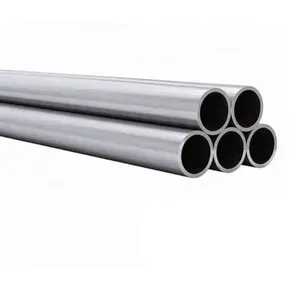 Read More

Contact Us
Recommended Products
-
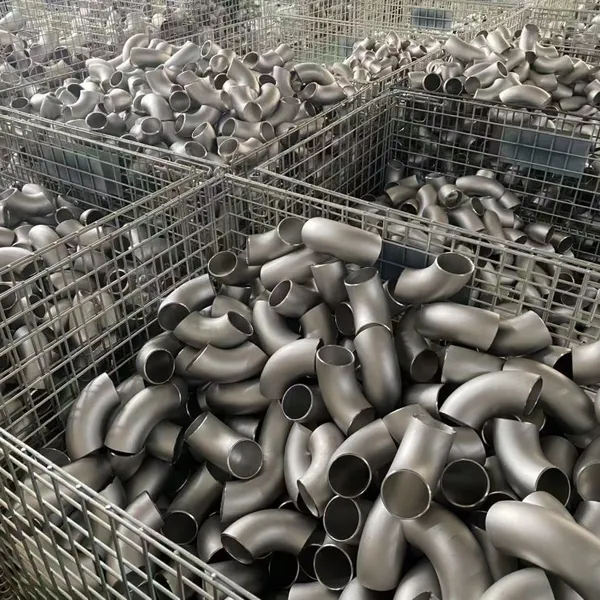
 Stainless Steel Elbow Welded Elbow 45/90/180-degree Seamless Pressed Elbow Long Radius Elbow Short Radius Elbow WholesaleNegotiableMOQ: 1 Piece
 -
316L/1.4405 Seamless Stainless Steel PipeNegotiableMOQ: 2 Meters
-
310s 440 Seamless Sanitary Piping Price 321 904l 201 20 Inch Seamless Steel Pipe A554 Stainless Steel PipeNegotiableMOQ: 1 Piece
-
China Brand ZZ Wholesale 304L 316 316L Welded Austenitic Piping Stainless Steel Pipe SupplierNegotiableMOQ: 2 Meters
-
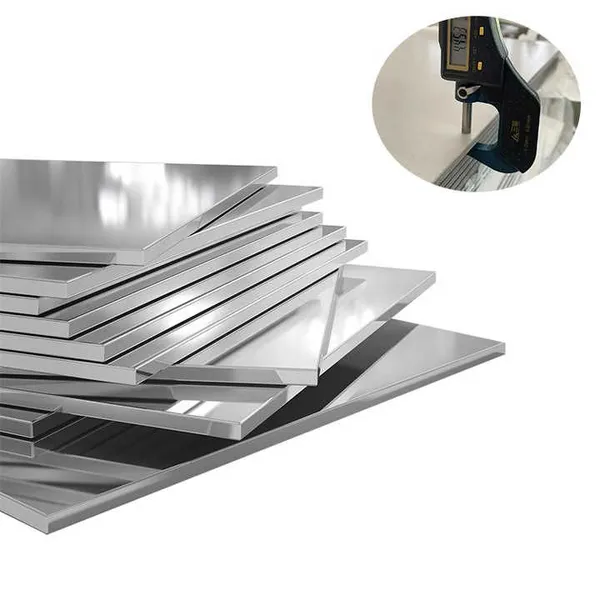
304/304L/316/409/410/904L/2205/2507/310H Premium Stainless Steel Sheets Supplier Custom Sizes & FinishesUS$ 1.72MOQ: 1 Ton
-
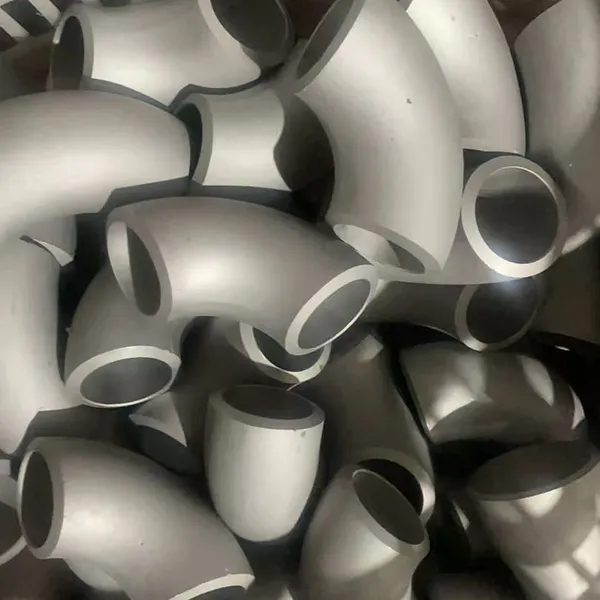
Stainless Steel ASME B16.9 Sch 45 90 Degree Pipe Fittings ElbowUS$ 8MOQ: 1 Piece
-
China Brand Zz 304L 316/316L GB En JIS Standard Thin Wall Welded Stainless Steel Water Pipe/TubeNegotiableMOQ: 2 Meters
-
BA 4 Inch 6 Inch 8 Inch 201 304 304L 316 316L Welded Seamless Stainless Steel PipeNegotiableMOQ: 2 Meters
-
ASME B36.19M-2004 SCH40S Stainless Steel Pipe - Complies With EU 3.1 CertificationUS$ 1 - 650MOQ: 1 Piece
-
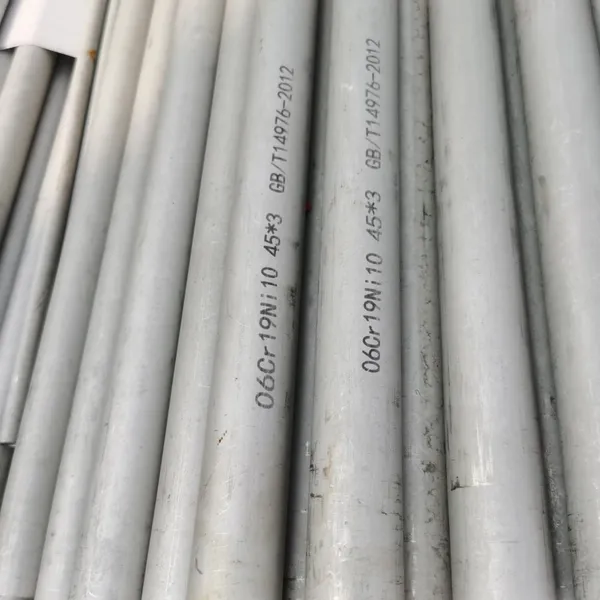
Factory TP309/TP309S/TP309H (UNS30900) Seamless Stainless Steel Pipe and Tube for Boiler BafflesUS$ 8MOQ: 200 Kilograms
-
TP347/TP347H/1.4961/S34709 Seamless Stainless Steel Pipe for UseNegotiableMOQ: 2 Meters
-
China 304 316 Stainless Steel Sanitary Welded Tube Food Grade Sanitary Grade Welded Pipe PolishingNegotiableMOQ: 1 Piece
-
China Manufacture Stainless Steel 316L Ba Seamless Welded Steel Pipe TubesUS$ 1760 - 1860MOQ: 5 Tons
-
316L/1.4405 Seamless Stainless Steel PipeNegotiableMOQ: 2 Meters
-
Stainless Steel Globe Valve – High Durability & Corrosion ResistanceNegotiableMOQ: 1 Piece
-
1.4529 Stainless Steel Flat Plate for Chemical Processing EquipmentUS$ 25 - 35MOQ: 1 Kilogram
-
Color Coated Steel Panels for Warehouse Partition Walls (Fireproof Grade)US$ 1 - 1.2MOQ: 50 Kilograms
-
Custom Width (600mm-1250mm) Colored Steel Coil With Scratch ResistanceUS$ 1 - 1.2MOQ: 50 Kilograms
-
0.5mm-3.0mm Colored Coated Steel Sheet With PVDF/Polyester CoatingUS$ 1 - 1.2MOQ: 50 Kilograms
-
JIS G 3322 Compliant Colored Coils With Third-Party Inspection ReportUS$ 1 - 1.2MOQ: 50 Kilograms