
 Business License

Can 304 stainless steel pipes be used for transporting natural gas
304 stainless steel pipes can be used for transporting natural gas under certain conditions, but their application scope must be strictly limited - their suitability depends on the characteristics of the natural gas medium (sulfur content, humidity), the pressure of transportation, and environmental conditions. The core limitation stems from the weakness of 304 stainless steel's corrosion resistance (without molybdenum, its resistance to pitting and sulfur is relatively weak). The following is a detailed analysis:
I. Applicable Scenarios for 304 Stainless Steel Pipes (Satisfying "Low Corrosion + Low Pressure" Conditions)
The core advantages of 304 stainless steel (containing 18-20% Cr, 8-10.5% Ni, without Mo) are moderate cost (about 30% lower than 316L), excellent toughness at room temperature (elongation rate ≥ 30%), and stable corrosion resistance in dry, sulfur-free environments. Therefore, it is suitable for the following scenarios:
1. Low pressure (design pressure ≤ 6 MPa), low sulfur (H₂S ≤ 50 ppm) natural gas transportation
Typical scenarios: Branch pipelines from urban gas distribution stations to residential areas (nominal diameter DN100-DN300), medium-low pressure gas distribution networks in industrial parks (no free water, natural gas undergoes deep desulfurization treatment).
Based on these scenarios, natural gas is dry (dew point ≤ -15°C), with few corrosive media, and the Cr₂O₃ passivation film on the surface of 304 can remain stable and not be easily damaged.
2. Dry, ambient temperature overhead or indoor pipelines
Such as indoor risers for urban gas (DN25-DN50), dry gas sections at natural gas filling stations (compressed natural gas undergoes dehydration treatment, humidity ≤ 0.1 g/m³), avoiding the erosion of Cl⁻ and moisture from underground soil, the corrosion resistance of 304 can meet a 15-20-year service life.
3. Temporary or short-distance pipelines
Side pipelines of natural gas temporary peak regulation stations, temporary connection pipes for maintenance (service life ≤ 10 years), taking advantage of the easy processing properties of 304 (welding, cutting are convenient) to reduce short-term costs.
II. Application Restrictions of 304 Stainless Steel Pipes (Scenarios to be Strictly Avoided)
304 stainless steel does not contain molybdenum (Mo), and has weaker resistance to local corrosion (pitting, crevice corrosion) and sulfur resistance. The following scenarios prohibit the use of 304:
1. Natural gas with high sulfur content (H₂S > 50 ppm)
Risk: H₂S combines with water to form acidic media, which will destroy the passivation film of 304, leading to pitting or stress corrosion cracking (SCC). For example, shale gas (H₂S often reaches 100-1000 ppm), and pipelines for acid gas fields if made of 304, may develop corrosion perforation within 1-3 years.
2. Pipelines with high humidity or free water
If there is free water in the natural gas (dew point > -10℃), a water film will form on the inner wall of the pipeline, dissolving CO₂ and H₂S to become an electrolyte solution, accelerating the corrosion of 304. For example, un-dehydrated wet gas sections (such as the pipelines before the gas field gathering station) are prohibited from using 304.
3. High Cl⁻ environment (coastal areas, saline soil)
The Cl⁻ in the soil or air of coastal areas (concentration > 100 ppm) will penetrate the passivation film of 304, causing pitting. For example, natural gas pipelines buried near the sea, 304 may leak due to pitting within 3-5 years, and it is recommended to use 316L containing Mo.
4. High-pressure (design pressure > 6 MPa) pipelines
The yield strength of 304 (≥ 205 MPa) is relatively low. Under high pressure, the wall thickness needs to be significantly increased (for example, for a 10 MPa pressure, the wall thickness of a DN200 pipeline needs to be ≥ 12 mm), which is economically inefficient and increases the installation load. In this case, it is more suitable to use high-strength duplex steel (such as 2205, yield strength ≥ 450 MPa).
III. Key Considerations for Using 304 Stainless Steel Pipes
When using 304 stainless steel pipes in applicable scenarios, the following requirements must be met to ensure safety:
1. Material Selection: Preferentially choose 304L (low carbon, C ≤ 0.03%), avoiding intergranular corrosion in the heat affected zone (ordinary 304 may experience intergranular corrosion due to carbon precipitation after welding).
2. Anti-corrosion Auxiliary Measures:
For buried pipelines, epoxy powder coating or 3PE anti-corrosion layer should be applied to isolate the pipeline from moisture and Cl⁻ in the soil.
For overhead pipelines, regular cleaning is required (1-2 times per year) to prevent the formation of corrosive media due to dust accumulation on the surface.
3. Welding Process: Use argon arc welding (with pure argon of ≥ 99.99% for protection), avoiding oxidation during welding that may lead to a decrease in corrosion resistance; weld seams must undergo 100% radiographic testing (in accordance with GB/T 3323), and defects such as incomplete fusion and cracks are prohibited.
4. Regular Inspection: Conduct internal wall corrosion detection (such as endoscopes or ultrasonic thickness measurement) every 2-3 years, especially focusing on stress concentration areas such as elbows and welds. If the depth of pitting corrosion is greater than 10% of the wall thickness, replacement is required.
Summary
304 stainless steel pipes can be used for transporting natural gas, but only in low-pressure, low-sulfur, dry, and non-high Cl⁻ environments (such as low-pressure main pipes in cities and indoor pipelines), and their corrosion resistance shortcomings need to be compensated for through material upgrading (selecting 304L), anti-corrosion treatment, and strict welding processes. If the above scenarios are exceeded (such as containing sulfur, high pressure, coastal areas), stronger corrosion-resistant 316L or high-strength duplex steel must be used instead, otherwise there will be a serious risk of corrosion and leakage.
Recently Posted
-
Does the stainless steel welded pipe have specific temperature requirements during the solution heat
January 20, 2026Solution heat treatment involves heating stainless steel to a high temperature and then rapidly cooling it to achieve an oversatur Read More
 -
Can stainless steel welded pipes be made into thick pipes
January 20, 2026With the improvement of high-quality welding technology and increasingly strict weld inspection, the application fields of s Read More
 -
Three types of commonly available food-grade stainless steel on the market
January 20, 2026The common food-grade stainless steel pipes are mainly composed of iron, chromium and carbon and other elements. Household stainle Read More
 -
What are the requirements for stainless steel welding pipe production equipment
January 20, 2026As is well known, stainless steel welded pipes have been widely used in various industries such as machinery, chemical engineering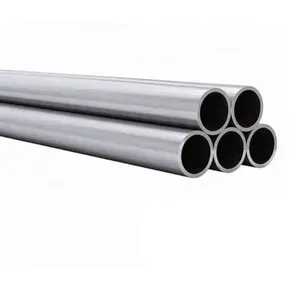 Read More

Contact Us
Recommended Products
-
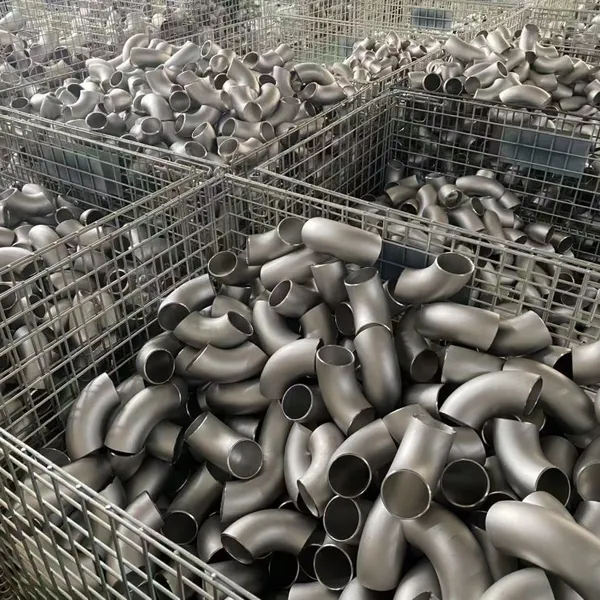
 Stainless Steel Elbow Welded Elbow 45/90/180-degree Seamless Pressed Elbow Long Radius Elbow Short Radius Elbow WholesaleNegotiableMOQ: 1 Piece
 -
316L/1.4405 Seamless Stainless Steel PipeNegotiableMOQ: 2 Meters
-
310s 440 Seamless Sanitary Piping Price 321 904l 201 20 Inch Seamless Steel Pipe A554 Stainless Steel PipeNegotiableMOQ: 1 Piece
-
China Brand ZZ Wholesale 304L 316 316L Welded Austenitic Piping Stainless Steel Pipe SupplierNegotiableMOQ: 2 Meters
-
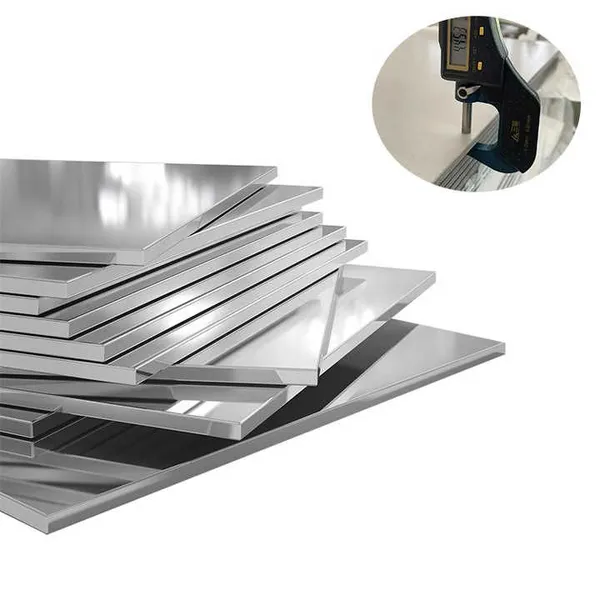
304/304L/316/409/410/904L/2205/2507/310H Premium Stainless Steel Sheets Supplier Custom Sizes & FinishesUS$ 1.72MOQ: 1 Ton
-
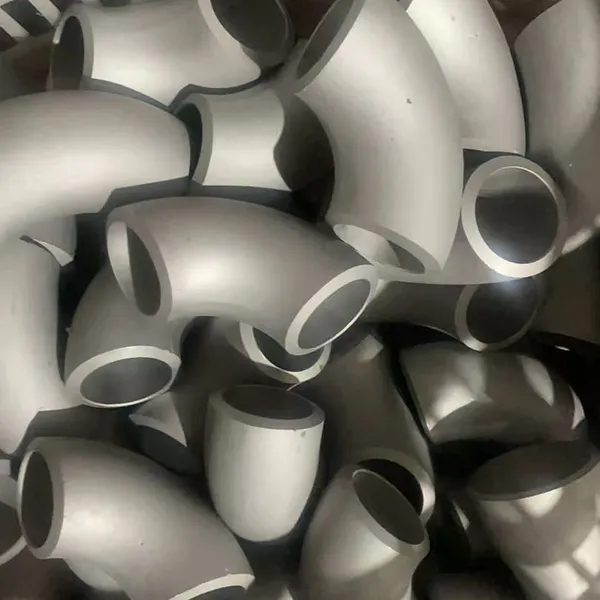
Stainless Steel ASME B16.9 Sch 45 90 Degree Pipe Fittings ElbowUS$ 8MOQ: 1 Piece
-
China Brand Zz 304L 316/316L GB En JIS Standard Thin Wall Welded Stainless Steel Water Pipe/TubeNegotiableMOQ: 2 Meters
-
BA 4 Inch 6 Inch 8 Inch 201 304 304L 316 316L Welded Seamless Stainless Steel PipeNegotiableMOQ: 2 Meters
-
ASME B36.19M-2004 SCH40S Stainless Steel Pipe - Complies With EU 3.1 CertificationUS$ 1 - 650MOQ: 1 Piece
-
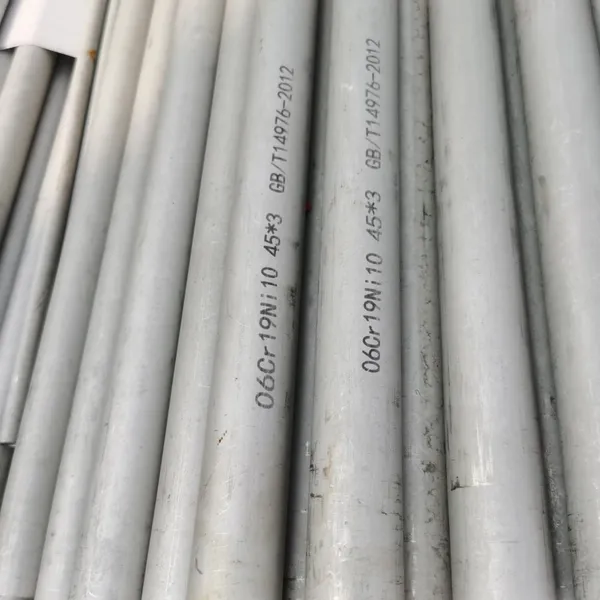
Factory TP309/TP309S/TP309H (UNS30900) Seamless Stainless Steel Pipe and Tube for Boiler BafflesUS$ 8MOQ: 200 Kilograms
-
TP347/TP347H/1.4961/S34709 Seamless Stainless Steel Pipe for UseNegotiableMOQ: 2 Meters
-
China 304 316 Stainless Steel Sanitary Welded Tube Food Grade Sanitary Grade Welded Pipe PolishingNegotiableMOQ: 1 Piece
-
China Manufacture Stainless Steel 316L Ba Seamless Welded Steel Pipe TubesUS$ 1760 - 1860MOQ: 5 Tons
-
316L/1.4405 Seamless Stainless Steel PipeNegotiableMOQ: 2 Meters
-
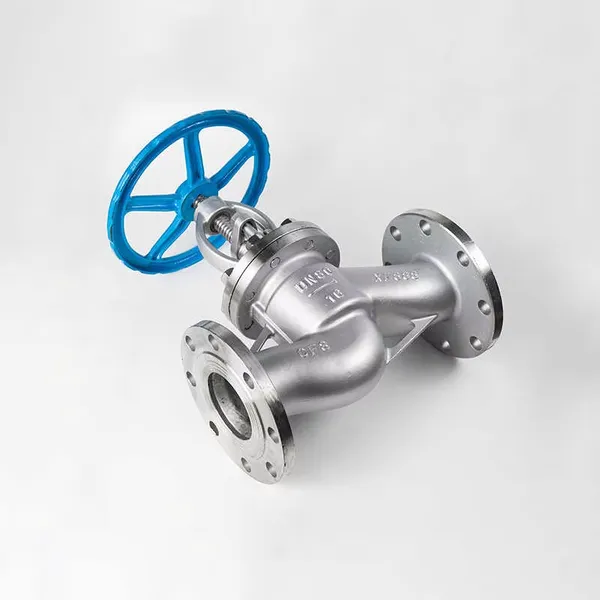
Stainless Steel Globe Valve – High Durability & Corrosion ResistanceNegotiableMOQ: 1 Piece
-
1.4529 Stainless Steel Flat Plate for Chemical Processing EquipmentUS$ 25 - 35MOQ: 1 Kilogram
-
Color Coated Steel Panels for Warehouse Partition Walls (Fireproof Grade)US$ 1 - 1.2MOQ: 50 Kilograms
-
Custom Width (600mm-1250mm) Colored Steel Coil With Scratch ResistanceUS$ 1 - 1.2MOQ: 50 Kilograms
-
0.5mm-3.0mm Colored Coated Steel Sheet With PVDF/Polyester CoatingUS$ 1 - 1.2MOQ: 50 Kilograms
-
JIS G 3322 Compliant Colored Coils With Third-Party Inspection ReportUS$ 1 - 1.2MOQ: 50 Kilograms