
 Business License

Detailed introduction to the application fields of stainless steel heat exchange tubes
Stainless steel heat exchange tubes, due to their excellent corrosion resistance, high temperature resistance, good thermal conductivity and hygienic safety, play a crucial role in multiple industrial fields and civilian scenarios. Below, starting from specific application scenarios in different industries, we will introduce the application areas of these tubes:
I. Chemical and Petrochemical Industry
The chemical and petrochemical industry is one of the core application fields of stainless steel heat exchangers. This industry involves a large amount of corrosive media (such as acids, bases, and salt solutions), high-temperature and high-pressure environments, and complex chemical reactions, demanding extremely high requirements for the corrosion resistance and stability of heat exchange equipment.
Basic chemical production: In the production of basic chemical raw materials such as sulfuric acid, nitric acid, and caustic soda, stainless steel heat exchangers are used in various types of heat exchangers (such as tubular heat exchangers and plate heat exchangers) to achieve heating, cooling, or condensation of reaction materials. For example, in the "two conversion and two absorption" process in sulfuric acid production, stainless steel heat exchangers with 316L grade are widely used due to their resistance to sulfuric acid corrosion.
Fine chemicals: In the synthesis of pharmaceutical intermediates, dyes, and coatings, stainless steel heat exchangers are used to control reaction temperatures (such as cooling of SO₃ gas in low-temperature reactors and heating in high-temperature reactions), and their smooth surface and easy cleaning characteristics can reduce material residues and avoid cross-contamination.
Petrochemical industry: In crude oil refining processes (such as distillation, catalytic cracking), and ethylene cracking, stainless steel heat exchangers are used to heat crude oil, cool cracking gas, or recover residual heat. For example, in the emergency cooling heat exchanger in the ethylene plant, it needs to withstand high temperatures (300-800℃) and acidic media in cracking gas, and 321 stainless steel (with titanium, resistant to intergranular corrosion) heat exchangers can meet its requirements.
II. Power Industry
In the power industry, heat exchange equipment is crucial for energy conversion. Stainless steel heat exchange tubes are mainly used in steam condensation and waste heat recovery processes, and they need to withstand high temperatures, high pressure water vapor, and potential corrosion (such as corrosion by chloride ions in water).
Thermal power plants: In the condenser, stainless steel heat exchange tubes are used to condense the low-pressure steam discharged by the steam turbine into water (the circulating water is usually seawater or industrial wastewater, containing chloride ions). 316L stainless steel is suitable for coastal power plants due to its resistance to chloride ion corrosion; in the superheater and reheater of the boiler, high-temperature-resistant 310S stainless steel heat exchange tubes can withstand temperatures above 600°C for heating by high-temperature flue gas.
Nuclear power generation: In the steam generators of nuclear power plants, stainless steel heat exchange tubes are used to transfer the heat from the primary loop of the nuclear reactor to the secondary loop of water to generate steam. They require extremely high safety and radiation resistance, and usually use nickel-based alloys (such as Inconel 690) or high-strength stainless steel (such as 316LN).
New energy generation: In biomass power generation and waste incineration power generation, the flue gas contains corrosive components such as sulfur and chlorine. Stainless steel heat exchange tubes (such as 2205 duplex steel) are used in flue gas waste heat recovery heat exchangers to reduce corrosion losses.
III. Food and Beverage Industry
The food and beverage industry has strict requirements for the hygiene and cleanliness of equipment. Stainless steel heat exchange tubes are preferred due to their non-toxicity, ease of cleaning, and corrosion resistance (to prevent material contamination).
Food processing: In the production of juices, jams, and dairy products (such as pasteurized milk), stainless steel heat exchange tubes are used in plate or tube sterilization machines. The tubes heat the materials with hot water or steam to the sterilization temperature, and then cool them to the filling temperature. 304 stainless steel is widely used because it complies with food contact standards (such as FDA certification).
Beer and beverage production: In beer brewing, the boiling and cooling of malt juice require heat exchangers. Stainless steel heat exchange tubes can prevent the release of metal ions that affect the quality of the beer. In carbonated beverage production, the cooling of syrup and the temperature adjustment after mixing with soda water also rely on stainless steel heat exchange equipment.
Freezing and refrigeration: In food freezing assembly lines, stainless steel heat exchange tubes are used for heat exchange between refrigerants (such as ammonia, Freon) and air. The low-temperature refrigerants quickly cool the food, and their ability to withstand low temperatures (-196°C still maintaining toughness) ensures the stable operation of the equipment.
IV. Pharmaceutical and Biotechnology Industries
The pharmaceutical industry has extremely high requirements for the sterility of the production environment and the purity of materials. Stainless steel heat exchangers must meet GMP (Good Manufacturing Practice for Pharmaceuticals) standards and be able to withstand disinfection and sterilization (such as high-temperature steam sterilization).
Pharmaceutical processes: During the fermentation of antibiotics, vitamins, etc., stainless steel heat exchangers are used to control the temperature of the fermentation tanks (through circulating water or refrigerants for cooling); in the drug liquid concentration process, the stainless steel heat exchangers in the evaporators heat and evaporate the drug liquid. The 316L stainless steel has an extremely low carbon content, reducing the risk of intergranular corrosion and preventing the precipitation of contaminants.
Biological product production: Vaccines, blood products, etc. are sensitive to temperature and require precise temperature control. Stainless steel heat exchangers are used in the constant temperature system of bioreactors, with their smooth surfaces being less prone to bacterial growth and ensuring a sterile environment through CIP (Continuous In-Line Cleaning) and SIP (Continuous In-Line Sterilization).
Medical equipment: In some medical equipment (such as the heat exchangers of hemodialysis machines), stainless steel heat exchangers are used to regulate the blood temperature, meeting biocompatibility requirements to avoid hemolysis or allergic reactions.
V. Metallurgy and Metal Processing Industry
The metallurgy industry involves processes such as high-temperature melting and cooling of rolled steel. Stainless steel heat exchange tubes are used for waste heat recovery and equipment cooling, as they must withstand the corrosion of high-temperature smoke and cooling water.
Steel smelting: The temperature of the flue gas from blast furnaces and converters can reach over 1000°C. Stainless steel heat exchange tubes (such as 310S) are used in flue gas heat exchangers to recover heat and generate steam (for power generation or heating); during the rolling process, the rolls need to be cooled with cooling water, and the stainless steel heat exchange tubes resist the wear and corrosion caused by impurities in the water (such as iron filings, minerals) in the cooling system.
Non-ferrous metal processing: In the melting and casting of alloys like aluminum and copper, stainless steel heat exchange tubes are used to cool the crystallization molds. Through circulating water, they quickly remove heat and solidify the metal liquid, and their high strength enables them to withstand the pressure of the crystallization molds.
VI. Seawater Desalination and Water Treatment Industry
Seawater and industrial wastewater contain high concentrations of chloride ions and salts. Ordinary metals are prone to corrosion. Stainless steel heat exchanger tubes are the core components of seawater desalination equipment.
Seawater desalination: In the reverse osmosis (RO) desalination process, stainless steel heat exchanger tubes are used for heating in the pre-treatment of seawater (to improve the efficiency of reverse osmosis membranes), 316L or 2507 duplex steel can withstand the strong corrosiveness of seawater; in multi-stage flash distillation (MSF) desalination equipment, the heat exchanger tubes achieve heat exchange between steam and seawater, generating fresh water.
Industrial wastewater treatment: In wastewater evaporation concentration and crystallization desalination equipment, stainless steel heat exchanger tubes are used for heating the wastewater to evaporate and separate the salt, with the anti-corrosion property reducing equipment wear caused by the complex composition of wastewater.
VII. HVAC (Heating, Ventilation, and Air Conditioning) and Civilian Domains
In the heating and cooling systems of residential and commercial buildings, stainless steel heat exchange tubes have gradually replaced traditional copper tubes due to their long lifespan and low maintenance costs.
Air conditioning and heat pumps: In the condensers and evaporators of central air conditioning systems, stainless steel heat exchange tubes (such as 304) are used for heat exchange between refrigerants and water. Compared to copper tubes, they have stronger corrosion resistance, especially suitable for areas with poor water quality, reducing scaling and blockages.
Underfloor heating and radiators: Some high-end underfloor heating systems use thin-walled stainless steel heat exchange tubes. They heat the floor through a water circulation process. Their compressive strength and temperature resistance (-40°C to 120°C) meet the long-term usage requirements, and they have a high recycling rate and are more environmentally friendly.
Summary
The application fields of stainless steel heat exchange tubes cover various scenarios ranging from industrial production to people's livelihood security. Their performance advantages (corrosion resistance, high temperature resistance, hygiene, high strength) make them indispensable core components in heat exchange equipment. Different industries select appropriate stainless steel materials (such as 304, 316L, duplex steel, etc.) based on the characteristics of the medium and temperature/pressure conditions to achieve efficient, safe, and long-lasting heat exchange.
Recently Posted
-
Does the stainless steel welded pipe have specific temperature requirements during the solution heat
January 20, 2026Solution heat treatment involves heating stainless steel to a high temperature and then rapidly cooling it to achieve an oversatur Read More
 -
Can stainless steel welded pipes be made into thick pipes
January 20, 2026With the improvement of high-quality welding technology and increasingly strict weld inspection, the application fields of s Read More
 -
Three types of commonly available food-grade stainless steel on the market
January 20, 2026The common food-grade stainless steel pipes are mainly composed of iron, chromium and carbon and other elements. Household stainle Read More
 -
What are the requirements for stainless steel welding pipe production equipment
January 20, 2026As is well known, stainless steel welded pipes have been widely used in various industries such as machinery, chemical engineering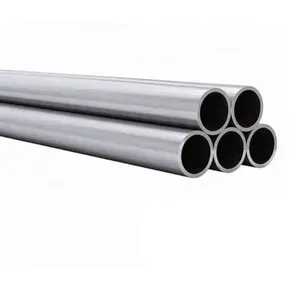 Read More

Contact Us
Recommended Products
-
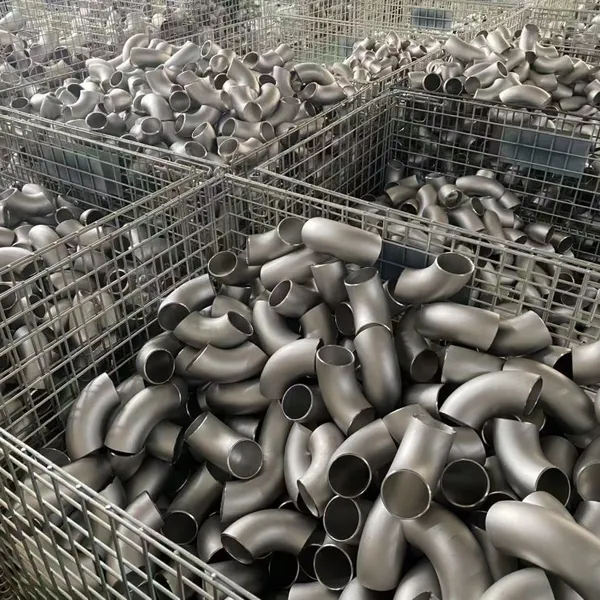
 Stainless Steel Elbow Welded Elbow 45/90/180-degree Seamless Pressed Elbow Long Radius Elbow Short Radius Elbow WholesaleNegotiableMOQ: 1 Piece
 -
316L/1.4405 Seamless Stainless Steel PipeNegotiableMOQ: 2 Meters
-
310s 440 Seamless Sanitary Piping Price 321 904l 201 20 Inch Seamless Steel Pipe A554 Stainless Steel PipeNegotiableMOQ: 1 Piece
-
China Brand ZZ Wholesale 304L 316 316L Welded Austenitic Piping Stainless Steel Pipe SupplierNegotiableMOQ: 2 Meters
-
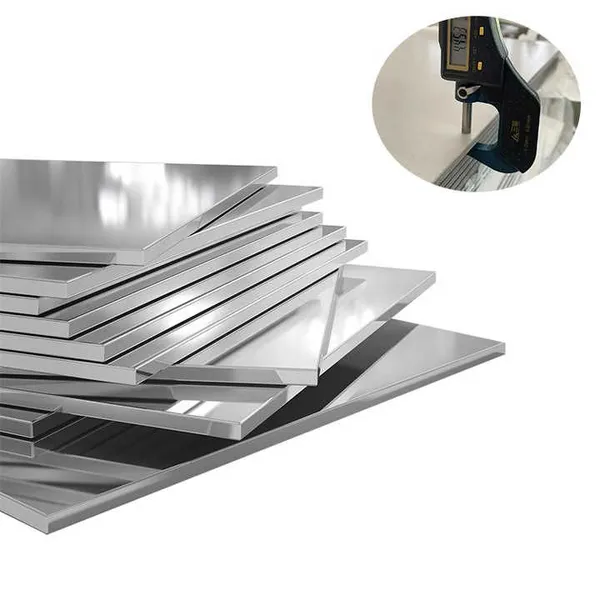
304/304L/316/409/410/904L/2205/2507/310H Premium Stainless Steel Sheets Supplier Custom Sizes & FinishesUS$ 1.72MOQ: 1 Ton
-
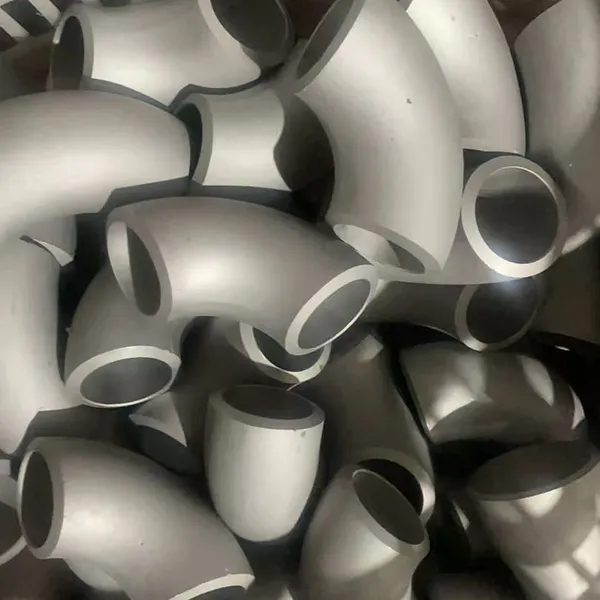
Stainless Steel ASME B16.9 Sch 45 90 Degree Pipe Fittings ElbowUS$ 8MOQ: 1 Piece
-
China Brand Zz 304L 316/316L GB En JIS Standard Thin Wall Welded Stainless Steel Water Pipe/TubeNegotiableMOQ: 2 Meters
-
BA 4 Inch 6 Inch 8 Inch 201 304 304L 316 316L Welded Seamless Stainless Steel PipeNegotiableMOQ: 2 Meters
-
ASME B36.19M-2004 SCH40S Stainless Steel Pipe - Complies With EU 3.1 CertificationUS$ 1 - 650MOQ: 1 Piece
-
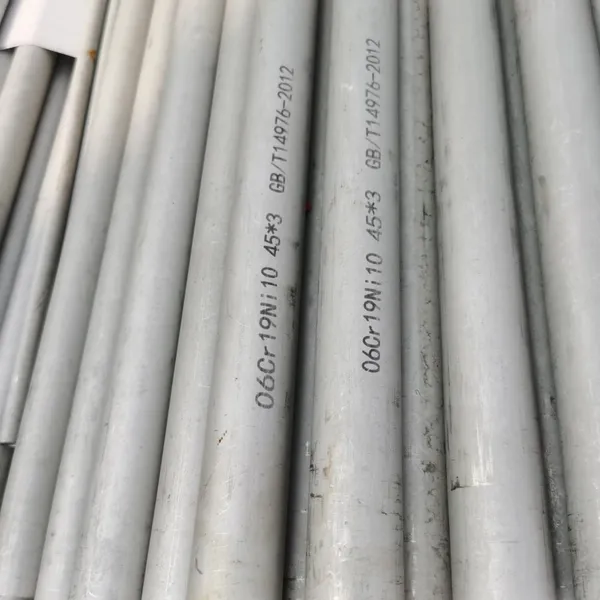
Factory TP309/TP309S/TP309H (UNS30900) Seamless Stainless Steel Pipe and Tube for Boiler BafflesUS$ 8MOQ: 200 Kilograms
-
TP347/TP347H/1.4961/S34709 Seamless Stainless Steel Pipe for UseNegotiableMOQ: 2 Meters
-
China 304 316 Stainless Steel Sanitary Welded Tube Food Grade Sanitary Grade Welded Pipe PolishingNegotiableMOQ: 1 Piece
-
China Manufacture Stainless Steel 316L Ba Seamless Welded Steel Pipe TubesUS$ 1760 - 1860MOQ: 5 Tons
-
316L/1.4405 Seamless Stainless Steel PipeNegotiableMOQ: 2 Meters
-
Stainless Steel Globe Valve – High Durability & Corrosion ResistanceNegotiableMOQ: 1 Piece
-
1.4529 Stainless Steel Flat Plate for Chemical Processing EquipmentUS$ 25 - 35MOQ: 1 Kilogram
-
Color Coated Steel Panels for Warehouse Partition Walls (Fireproof Grade)US$ 1 - 1.2MOQ: 50 Kilograms
-
Custom Width (600mm-1250mm) Colored Steel Coil With Scratch ResistanceUS$ 1 - 1.2MOQ: 50 Kilograms
-
0.5mm-3.0mm Colored Coated Steel Sheet With PVDF/Polyester CoatingUS$ 1 - 1.2MOQ: 50 Kilograms
-
JIS G 3322 Compliant Colored Coils With Third-Party Inspection ReportUS$ 1 - 1.2MOQ: 50 Kilograms