
 Business License

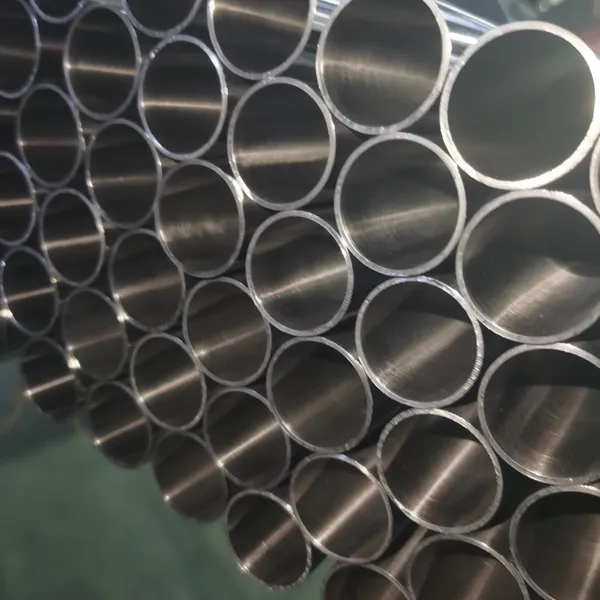
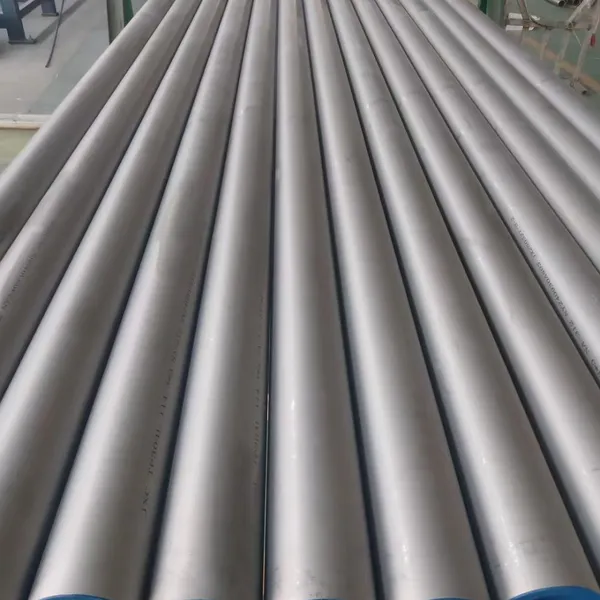
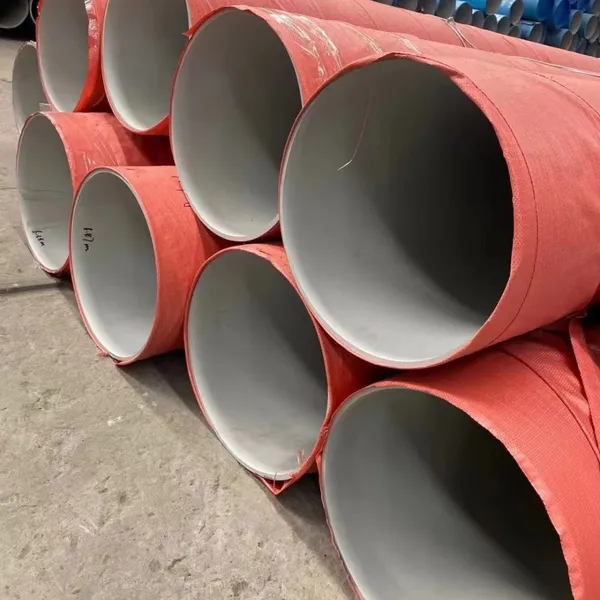
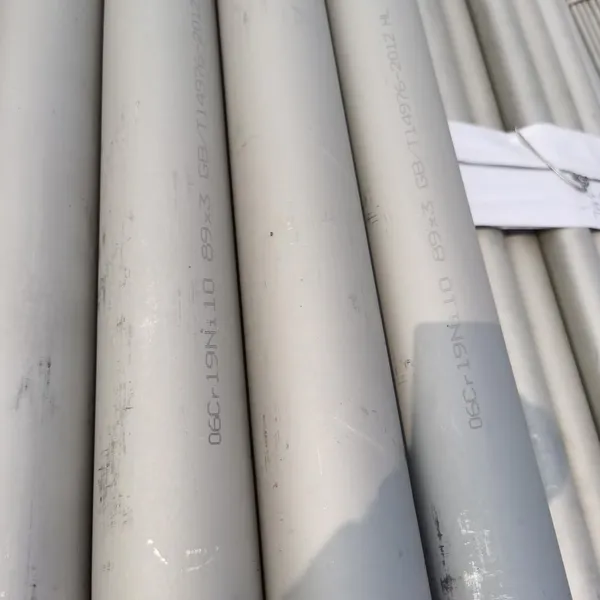
Introduction to stainless steel heat exchange tubes
The following is an introduction to stainless steel heat exchange tubes:
Material and Characteristics
Common Materials: The main types include 304, 304L, 316, and 316L. Among them, 316 and 316L stainless steel outperform 304 and 304L stainless steel in terms of corrosion resistance, mechanical strength, and heat resistance, making them suitable for more challenging environments.
Strong Corrosion Resistance: The main components of stainless steel heat exchange tubes are iron, chromium, and nickel, which form a dense oxide layer on the surface, preventing the internal metal from contacting the external medium, thus providing strong anti-oxidation and corrosion resistance. They can be used in various chemical environments.
High Temperature and Low Temperature Resistance: It has excellent high-temperature and low-temperature resistance, can operate stably within a wide temperature range, and can adapt to different working environments without being damaged by temperature changes.
Good Thermal Conductivity: Stainless steel has good thermal conductivity, can quickly transfer heat to the heat exchange medium, thereby improving heat transfer efficiency and achieving efficient heat exchange.
Good Strength and Toughness: Although its strength is slightly lower compared to some high-strength alloy materials, under normal usage conditions, it still has sufficient strength to withstand certain pressure and tension, and has certain toughness and ductility, and is not prone to fatigue deformation.
Classification
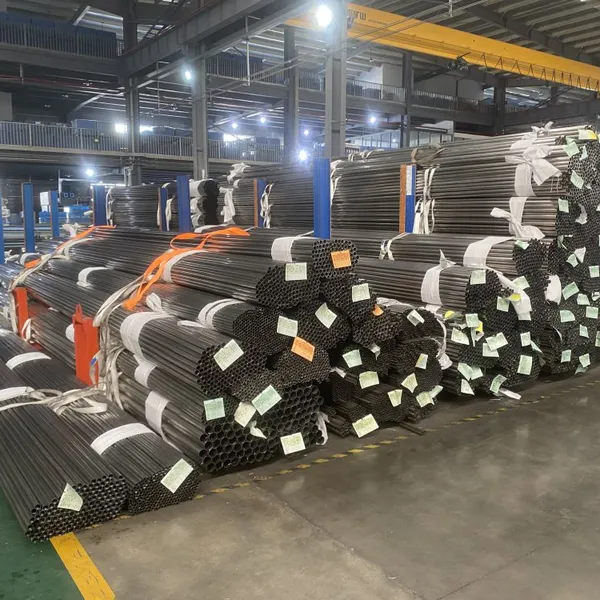
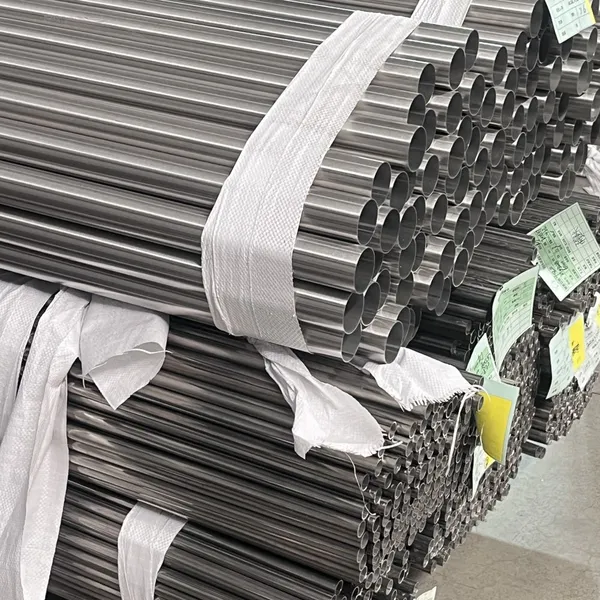
By shape classification: there are straight pipes, U-shaped pipes, corrugated pipes, etc. The straight pipe has a simple structure and is easy to install; the U-shaped pipe can save space and is suitable for some compact equipment layouts; the corrugated pipe enhances fluid turbulence through a special corrugated shape, improving heat exchange efficiency.
By manufacturing process classification: there are seamless steel pipes and welded steel pipes. Seamless steel pipes have high strength and good quality, but the cost is relatively higher; welded steel pipes have better economic performance and can meet the requirements of most conventional application scenarios.
Processing techniques
Cutting: Use cutting equipment to cut the stainless steel pipes to the required length. During the cutting process, it is necessary to control the cutting speed and accuracy to avoid material loss and deformation.
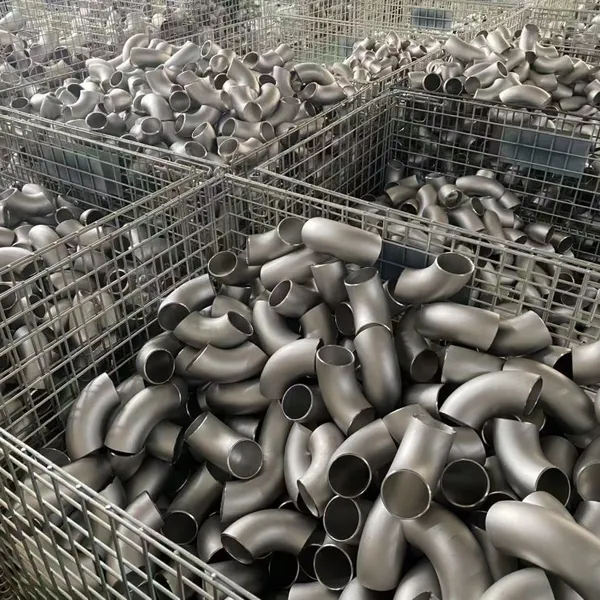
Bending: According to the design requirements, bend the pipes into specific shapes, such as U-shaped or arc-shaped. When bending, consider the yield strength and ductility of the material, and adopt appropriate bending radius and bending techniques to prevent the pipes from cracking or excessive deformation.
Welding: Welding is a key step in the processing of stainless steel heat exchange tubes. Common welding methods include TIG welding (tungsten inert gas protection welding) and PLASMA welding (plasma arc welding). TIG welding has the characteristics of high quality and stability, which can reduce contamination in the weld area and intergranular corrosion; PLASMA welding is mainly used for the welding of thickened pipes and has the advantages of fast speed, stability, and no pollution at high temperatures.
Surface treatment: To improve the corrosion resistance, wear resistance, and heat exchange efficiency of the heat exchange tubes, surface treatment is required, such as polishing, acid washing, and passivation. Polishing can make the surface of the heat exchange tubes smoother, reducing dirt adhesion and flow resistance; acid washing and passivation can further remove impurities and oxide films on the surface, enhancing the corrosion resistance of the surface.
Application fields
Chemical industry: It is used in various chemical reaction equipment, distillation towers, heat exchangers, etc., and can resist the erosion of corrosive media, ensuring the stable operation and long-term use of the equipment.
Petroleum industry: In the fields of petroleum refining and petrochemicals, stainless steel heat exchange tubes are used in heating, cooling, condensation and other process procedures, and can withstand high temperatures, high pressures and corrosive media.
Electric power industry: In equipment such as condensers, evaporators, and heat exchangers in power plants, stainless steel heat exchange tubes can achieve efficient heat transfer and energy conversion, ensuring the stable operation of power production.
Food and beverage industry: Due to its safety and hygiene characteristics, it is often used in food processing equipment, beverage cooling systems, and dairy production equipment, meeting food hygiene standards.
Pharmaceutical industry: In pharmaceutical equipment, such as reaction tanks, evaporators, and condensers, stainless steel heat exchange tubes can meet the strict standards for temperature control and hygiene requirements in the pharmaceutical production process.
enforce standards
Common standards include ASTM A312, ASTM A213, and ASTM A269, etc. These standards specify the diameter, wall thickness, and material properties of stainless steel heat exchange tubes, ensuring that they comply with relevant industry standards and safety regulations.
Recently Posted
-
Does the stainless steel welded pipe have specific temperature requirements during the solution heat
January 20, 2026Solution heat treatment involves heating stainless steel to a high temperature and then rapidly cooling it to achieve an oversatur Read More
 -
Can stainless steel welded pipes be made into thick pipes
January 20, 2026With the improvement of high-quality welding technology and increasingly strict weld inspection, the application fields of s Read More
 -
Three types of commonly available food-grade stainless steel on the market
January 20, 2026The common food-grade stainless steel pipes are mainly composed of iron, chromium and carbon and other elements. Household stainle Read More
 -
What are the requirements for stainless steel welding pipe production equipment
January 20, 2026As is well known, stainless steel welded pipes have been widely used in various industries such as machinery, chemical engineering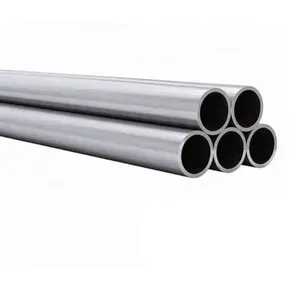 Read More

Contact Us
Recommended Products
-
 Stainless Steel Elbow Welded Elbow 45/90/180-degree Seamless Pressed Elbow Long Radius Elbow Short Radius Elbow WholesaleNegotiableMOQ: 1 Piece
 -
316L/1.4405 Seamless Stainless Steel PipeNegotiableMOQ: 2 Meters
-
310s 440 Seamless Sanitary Piping Price 321 904l 201 20 Inch Seamless Steel Pipe A554 Stainless Steel PipeNegotiableMOQ: 1 Piece
-
China Brand ZZ Wholesale 304L 316 316L Welded Austenitic Piping Stainless Steel Pipe SupplierNegotiableMOQ: 2 Meters
-
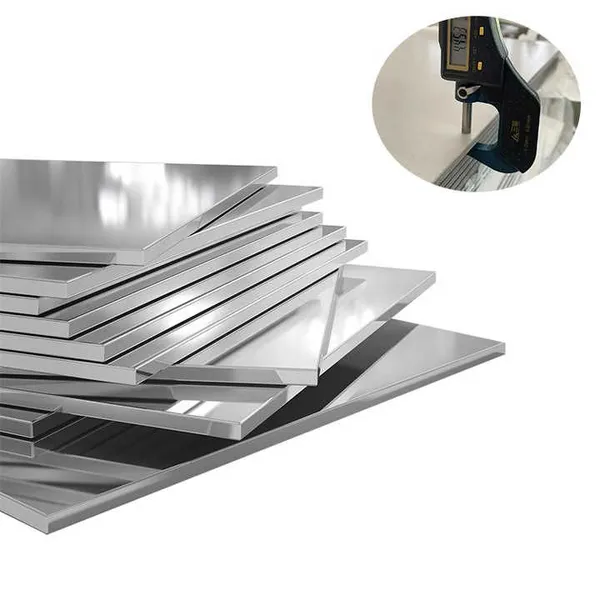
304/304L/316/409/410/904L/2205/2507/310H Premium Stainless Steel Sheets Supplier Custom Sizes & FinishesUS$ 1.72MOQ: 1 Ton
-
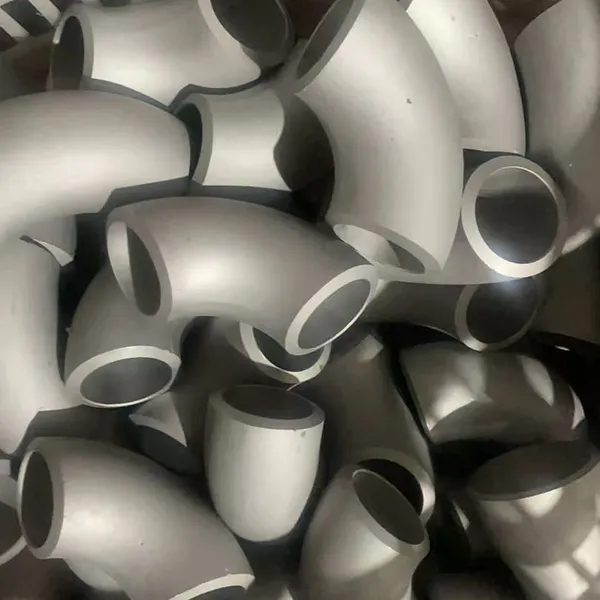
Stainless Steel ASME B16.9 Sch 45 90 Degree Pipe Fittings ElbowUS$ 8MOQ: 1 Piece
-
China Brand Zz 304L 316/316L GB En JIS Standard Thin Wall Welded Stainless Steel Water Pipe/TubeNegotiableMOQ: 2 Meters
-
BA 4 Inch 6 Inch 8 Inch 201 304 304L 316 316L Welded Seamless Stainless Steel PipeNegotiableMOQ: 2 Meters
-
ASME B36.19M-2004 SCH40S Stainless Steel Pipe - Complies With EU 3.1 CertificationUS$ 1 - 650MOQ: 1 Piece
-
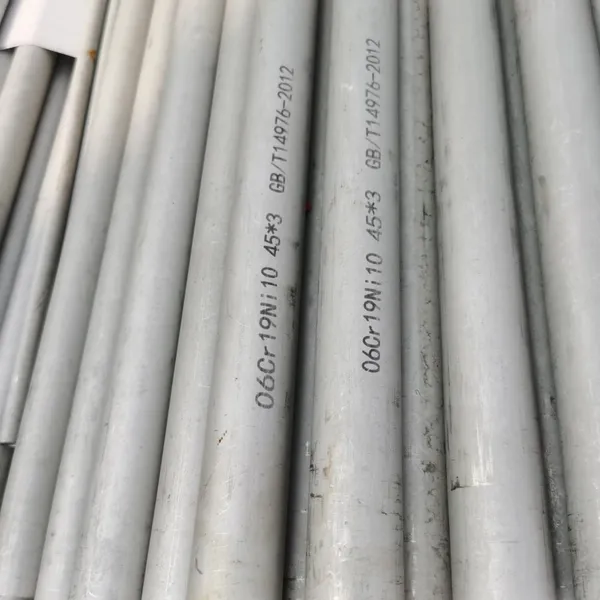
Factory TP309/TP309S/TP309H (UNS30900) Seamless Stainless Steel Pipe and Tube for Boiler BafflesUS$ 8MOQ: 200 Kilograms
-
TP347/TP347H/1.4961/S34709 Seamless Stainless Steel Pipe for UseNegotiableMOQ: 2 Meters
-
China 304 316 Stainless Steel Sanitary Welded Tube Food Grade Sanitary Grade Welded Pipe PolishingNegotiableMOQ: 1 Piece
-
China Manufacture Stainless Steel 316L Ba Seamless Welded Steel Pipe TubesUS$ 1760 - 1860MOQ: 5 Tons
-
316L/1.4405 Seamless Stainless Steel PipeNegotiableMOQ: 2 Meters
-
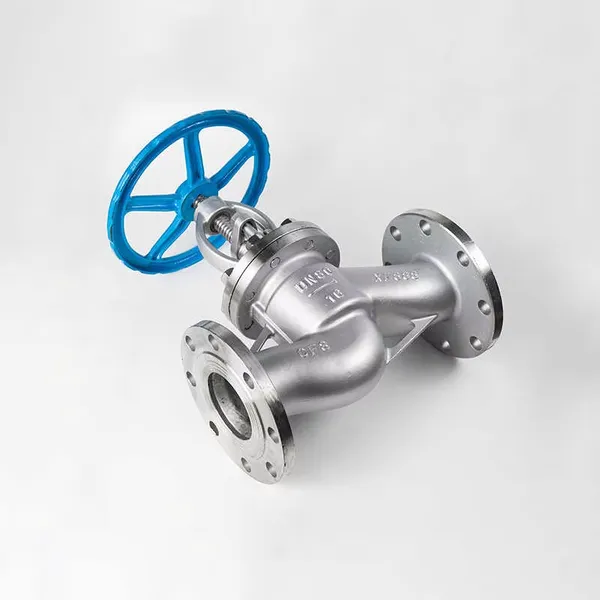
Stainless Steel Globe Valve – High Durability & Corrosion ResistanceNegotiableMOQ: 1 Piece
-
1.4529 Stainless Steel Flat Plate for Chemical Processing EquipmentUS$ 25 - 35MOQ: 1 Kilogram
-
Color Coated Steel Panels for Warehouse Partition Walls (Fireproof Grade)US$ 1 - 1.2MOQ: 50 Kilograms
-
Custom Width (600mm-1250mm) Colored Steel Coil With Scratch ResistanceUS$ 1 - 1.2MOQ: 50 Kilograms
-
0.5mm-3.0mm Colored Coated Steel Sheet With PVDF/Polyester CoatingUS$ 1 - 1.2MOQ: 50 Kilograms
-
JIS G 3322 Compliant Colored Coils With Third-Party Inspection ReportUS$ 1 - 1.2MOQ: 50 Kilograms