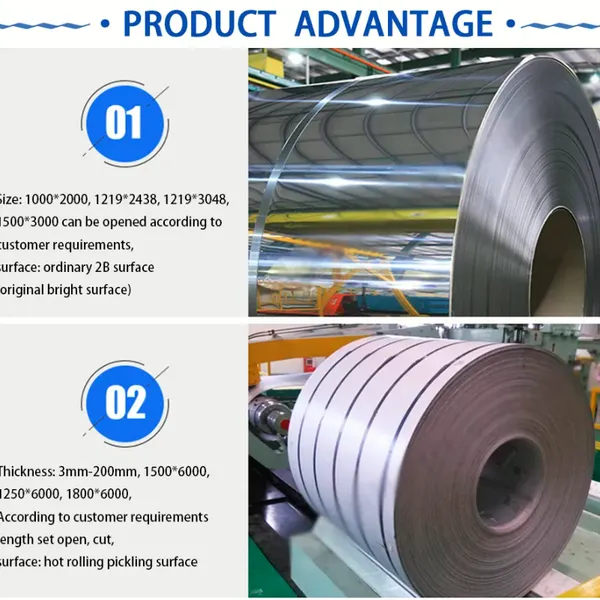

 Business License

What are the main manufacturing processes used for producing high-pressure resistant stainless steel
The manufacturing process of high-pressure resistant stainless steel pipes needs to take into account the material strength, dimensional accuracy and corrosion resistance. The key lies in ensuring the stability of the pipe material under high-pressure conditions through processing and treatment. Here is a detailed introduction to the main manufacturing process:
I. Raw Material Preparation and Pre-treatment
Material Selection and Smelting: Select specific grades of stainless steel (such as 316, 321, 347, etc.) based on pressure resistance requirements. Smelt using an electric arc furnace or vacuum induction furnace, controlling the content of alloy elements such as carbon, chromium, nickel, and molybdenum (for high-pressure scenarios, the carbon content needs to be reduced to minimize the risk of intergranular corrosion), ensuring the purity of the steel billet.
Steel Billet Rolling: Heat the smelted steel billet to 1100-1250℃, and roll it into round tube billets (rough tubes) using a primary rolling machine to lay the foundation for subsequent shaping.
II. Forming Process
Hot Rolling Tubes:
Heat the round tube billet to the austenitization temperature (approximately 1050 - 1150℃), pass the solid billet through a piercing machine to form a hollow tube, and then roll it through a rolling machine (such as a continuous rolling machine or a cyclic tube rolling machine) to the desired wall thickness and diameter. This process can enhance the density and mechanical properties of the tube material, and is suitable for large-diameter, thick-walled high-pressure tubes.
Cold Rolling / Cold Drawing Tube Making:
Perform cold processing on the hot-rolled tubes:
Cold Rolling: Roll the tubes at room temperature using a cold rolling machine, precisely controlling the dimensional accuracy (tolerance can reach ±0.05mm), improving the surface finish (Ra ≤ 0.8μm), and simultaneously increasing the strength through work hardening (tensile strength can be increased by 10% - 30%).
Cold Drawing: Use molds to forcibly draw the tubes through a specific diameter, further refining the grain structure, suitable for small-diameter, thin-walled high-pressure tubes (such as precision tubes with an outer diameter of ≤ 50mm).
Welded Tube Making (for specific scenarios):
Roll and weld stainless steel sheets (such as TIG welding, laser welding), forming the tube material, and then through expansion, straightening, etc. processing. Suitable for large-diameter high-pressure tubes, but requires extremely high welding quality (avoiding pores, cracks, and ensuring the weld strength is consistent with the base material).
III. Performance Optimization Process
Heat Treatment:
Solution Treatment: Heat the pipe to 1050-1150℃ (depending on the material), hold for a period of time, then quickly cool with water to ensure that alloy elements (such as chromium, nickel, and molybdenum) are uniformly dissolved in the matrix, eliminating processing stress and restoring corrosion resistance and toughness.
Tempering Treatment: For some martensitic or precipitation hardening stainless steels (such as 17-4PH), heat for 480-620℃ to promote the formation of strengthening phases (such as Cu-rich phases), significantly increasing strength (tensile strength can reach above 1100 MPa), meeting the requirements of ultra-high pressure.
Surface Treatment:
Acid Washing and Passivation: Use a nitric acid - hydrofluoric acid mixture to remove surface oxide scale, forming a passivation film (Cr₂O₃), enhancing corrosion resistance (salt spray test can last for over 1000 hours without rusting).
Polishing: Reduce surface roughness (Ra ≤ 0.02 μm) through mechanical or chemical polishing, reducing medium retention and corrosion risks, suitable for clean high-pressure fields such as food and medicine.
IV. Quality Inspection Process
Non-destructive Testing: This includes ultrasonic testing (for detecting internal defects), eddy current testing (for detecting surface defects), water pressure test (maintaining pressure at 1.5 times the design pressure for 30 minutes without leakage), and flattening test (to verify plasticity and welding quality). These tests ensure that the pipe materials have no cracks, voids, etc. as potential hazards.
Mechanical Performance Testing: Sampling tests are conducted to measure tensile strength, yield strength, elongation rate, etc., to ensure compliance with ASTM, GB, etc. standards (for example, the yield strength of 316L high-pressure pipe needs to be ≥ 205 MPa, and the tensile strength needs to be ≥ 520 MPa).
The combination application of these processes enables high-pressure stainless steel pipes to meet the pressure requirements (from tens of MPa to hundreds of MPa), temperature requirements (-270°C to 650°C), and corrosion environment requirements in various scenarios, which is the core guarantee for its reliable application in the high-pressure industrial field.
Recently Posted
-
Does the stainless steel welded pipe have specific temperature requirements during the solution heat
January 20, 2026Solution heat treatment involves heating stainless steel to a high temperature and then rapidly cooling it to achieve an oversatur Read More
 -
Can stainless steel welded pipes be made into thick pipes
January 20, 2026With the improvement of high-quality welding technology and increasingly strict weld inspection, the application fields of s Read More
 -
Three types of commonly available food-grade stainless steel on the market
January 20, 2026The common food-grade stainless steel pipes are mainly composed of iron, chromium and carbon and other elements. Household stainle Read More
 -
What are the requirements for stainless steel welding pipe production equipment
January 20, 2026As is well known, stainless steel welded pipes have been widely used in various industries such as machinery, chemical engineering Read More

Contact Us
Recommended Products
-
 Stainless Steel Elbow Welded Elbow 45/90/180-degree Seamless Pressed Elbow Long Radius Elbow Short Radius Elbow WholesaleNegotiableMOQ: 1 Piece
 -
316L/1.4405 Seamless Stainless Steel PipeNegotiableMOQ: 2 Meters
-
310s 440 Seamless Sanitary Piping Price 321 904l 201 20 Inch Seamless Steel Pipe A554 Stainless Steel PipeNegotiableMOQ: 1 Piece
-
China Brand ZZ Wholesale 304L 316 316L Welded Austenitic Piping Stainless Steel Pipe SupplierNegotiableMOQ: 2 Meters
-
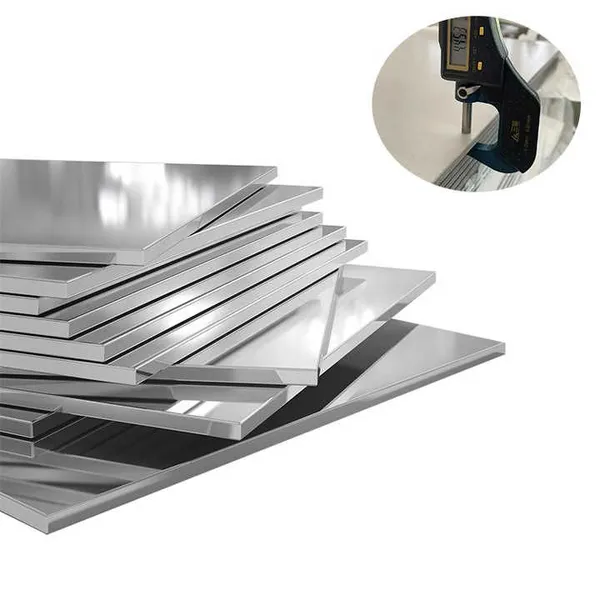
304/304L/316/409/410/904L/2205/2507/310H Premium Stainless Steel Sheets Supplier Custom Sizes & FinishesUS$ 1.72MOQ: 1 Ton
-
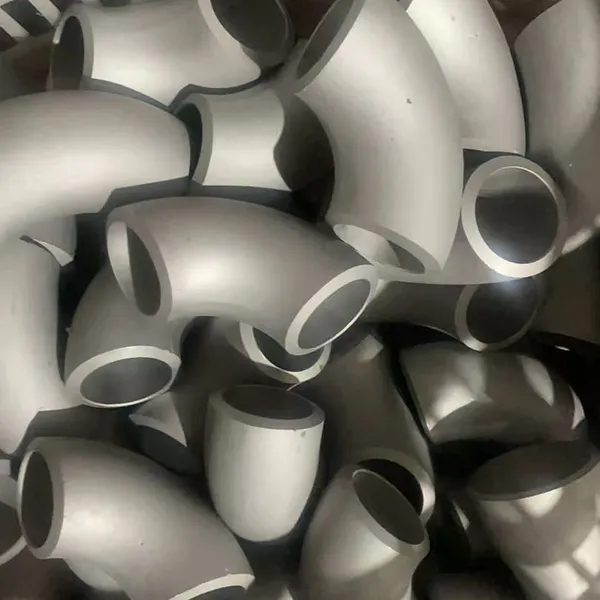
Stainless Steel ASME B16.9 Sch 45 90 Degree Pipe Fittings ElbowUS$ 8MOQ: 1 Piece
-
China Brand Zz 304L 316/316L GB En JIS Standard Thin Wall Welded Stainless Steel Water Pipe/TubeNegotiableMOQ: 2 Meters
-
BA 4 Inch 6 Inch 8 Inch 201 304 304L 316 316L Welded Seamless Stainless Steel PipeNegotiableMOQ: 2 Meters
-
ASME B36.19M-2004 SCH40S Stainless Steel Pipe - Complies With EU 3.1 CertificationUS$ 1 - 650MOQ: 1 Piece
-
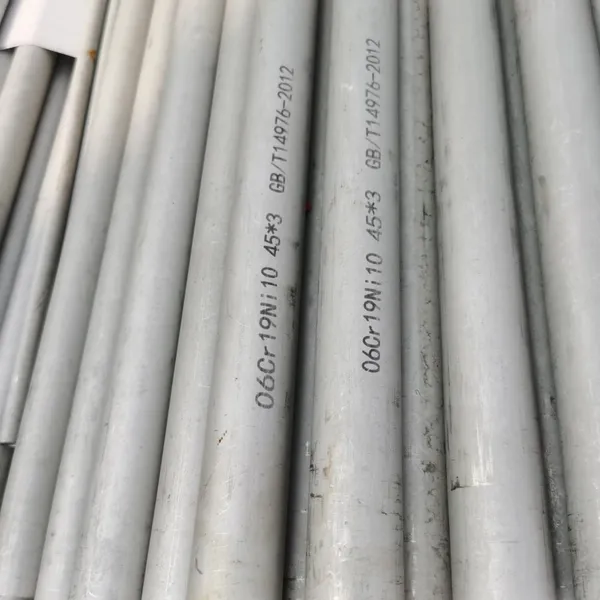
Factory TP309/TP309S/TP309H (UNS30900) Seamless Stainless Steel Pipe and Tube for Boiler BafflesUS$ 8MOQ: 200 Kilograms
-
TP347/TP347H/1.4961/S34709 Seamless Stainless Steel Pipe for UseNegotiableMOQ: 2 Meters
-
China 304 316 Stainless Steel Sanitary Welded Tube Food Grade Sanitary Grade Welded Pipe PolishingNegotiableMOQ: 1 Piece
-
China Manufacture Stainless Steel 316L Ba Seamless Welded Steel Pipe TubesUS$ 1760 - 1860MOQ: 5 Tons
-
316L/1.4405 Seamless Stainless Steel PipeNegotiableMOQ: 2 Meters
-
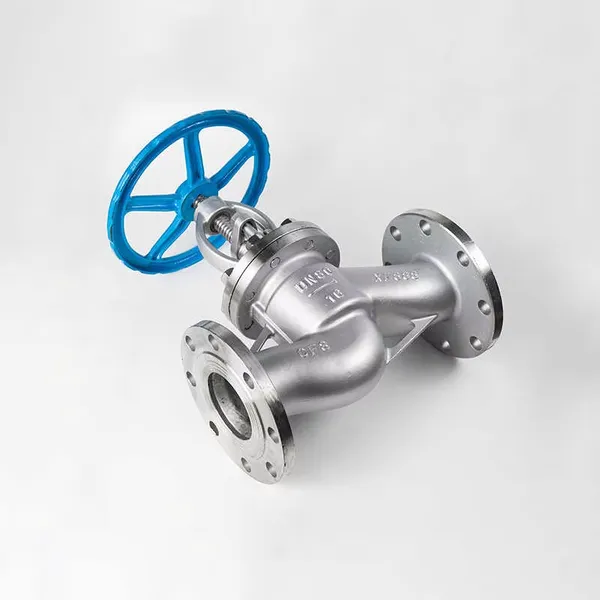
Stainless Steel Globe Valve – High Durability & Corrosion ResistanceNegotiableMOQ: 1 Piece
-
1.4529 Stainless Steel Flat Plate for Chemical Processing EquipmentUS$ 25 - 35MOQ: 1 Kilogram
-
Color Coated Steel Panels for Warehouse Partition Walls (Fireproof Grade)US$ 1 - 1.2MOQ: 50 Kilograms
-
Custom Width (600mm-1250mm) Colored Steel Coil With Scratch ResistanceUS$ 1 - 1.2MOQ: 50 Kilograms
-
0.5mm-3.0mm Colored Coated Steel Sheet With PVDF/Polyester CoatingUS$ 1 - 1.2MOQ: 50 Kilograms
-
JIS G 3322 Compliant Colored Coils With Third-Party Inspection ReportUS$ 1 - 1.2MOQ: 50 Kilograms