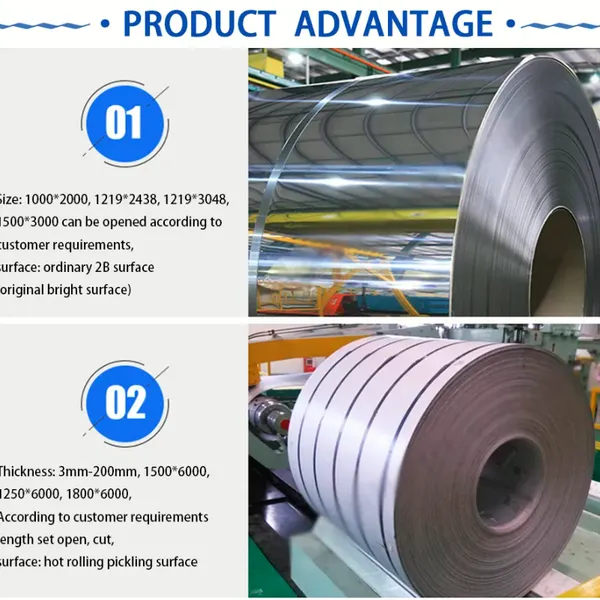

 Business License

What are the optimal ratios of each element in different types of stainless steel pipes
The alloy element ratios for different types of stainless steel pipes need to be optimized based on their microstructure characteristics, performance requirements, and application scenarios. The following are typical element ratio ranges and key characteristic analyses for common types:
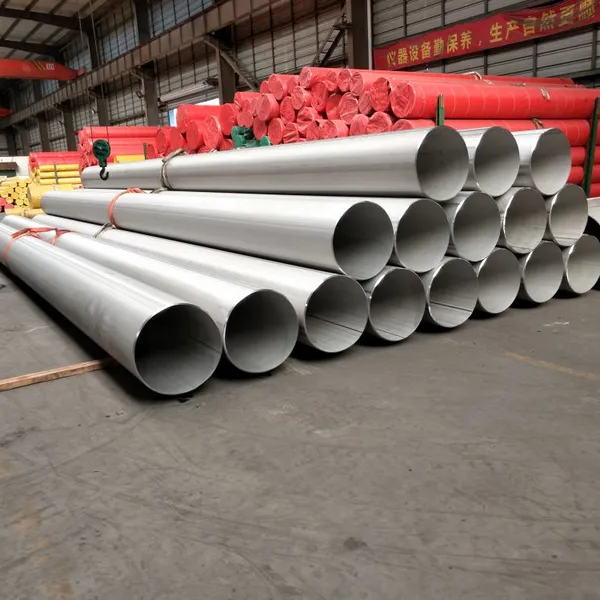
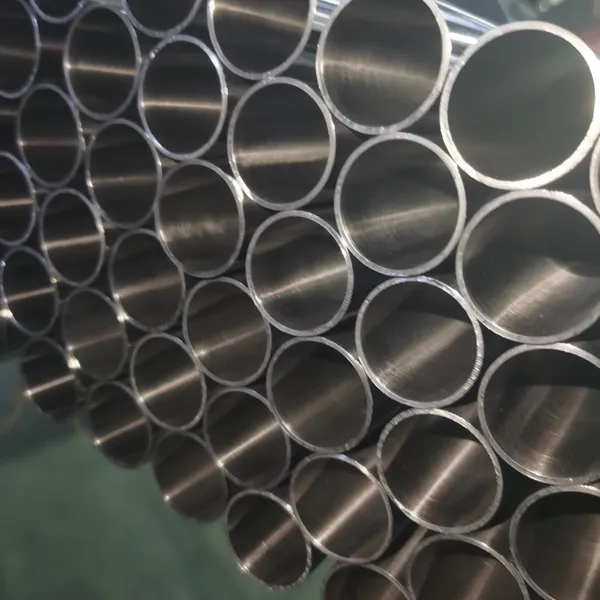
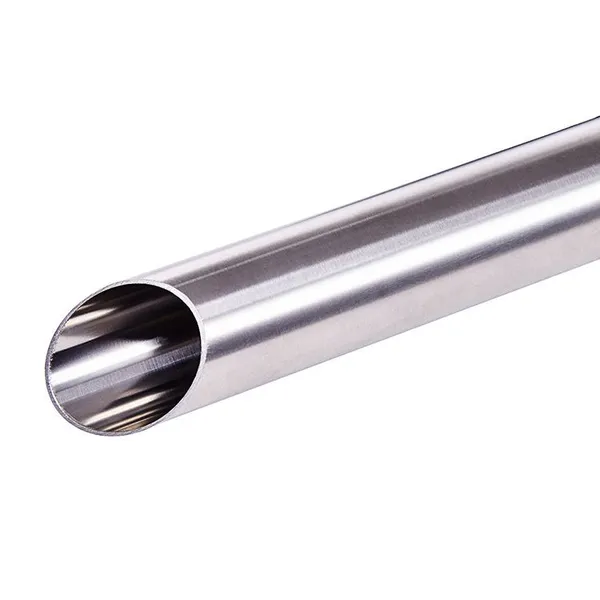
1. Austenitic stainless steel (with an austenitic structure as the main component, good toughness, and no magnetism) Picture One
Core ratio logic:
Cr-Ni synergy: The base ratio is 18Cr-8Ni (304), with Ni expanding the austenite zone and Cr ensuring the corrosion resistance of the passivation film;
The role of Mo: In the 316 series, 2-3% Mo significantly enhances the resistance to chloride ion corrosion;
Carbon content control: Low carbon (L) or adding Ti/Nb to fix the carbon content to avoid intergranular corrosion.
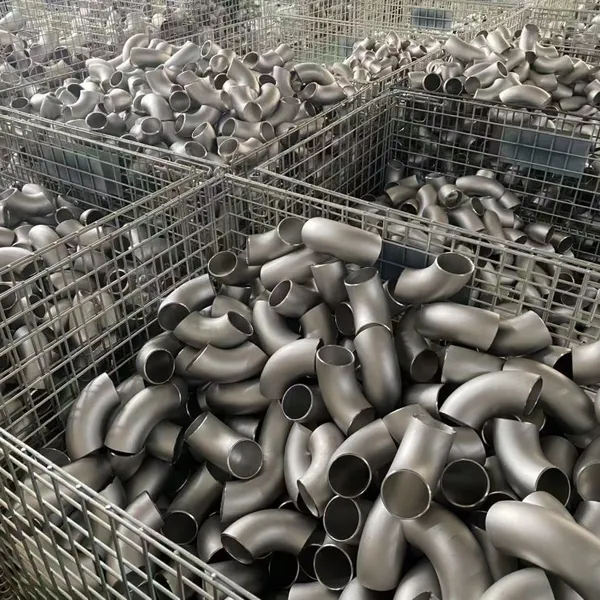
II. Ferritic Stainless Steel (mainly composed of ferrite structure, low cost, magnetic)
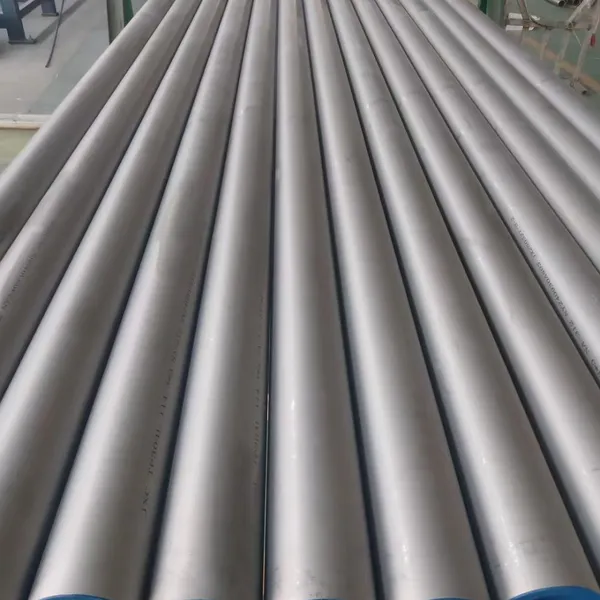
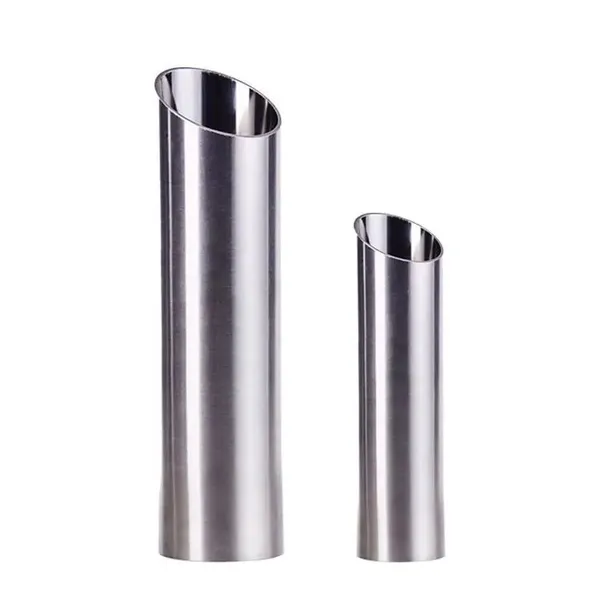
Picture 2
Core ratio logic:
High Cr, Low Ni: The Cr content is 16-22%, ensuring corrosion resistance, and the Ni content is extremely low to reduce cost;
Ultra-low carbon + Mo: For example, in 444, Mo enhances the resistance to pitting corrosion, suitable for environments with chloride ions;
Structure characteristics: The ferrite structure results in high strength but poor toughness. The Cr content needs to be controlled to avoid embrittlement.
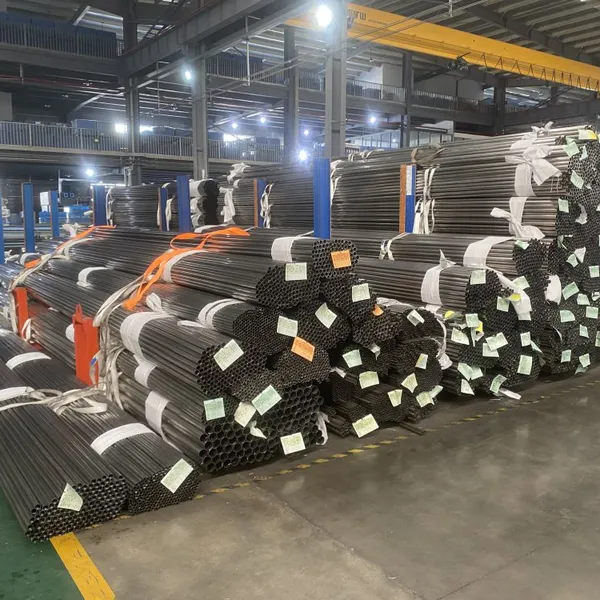
III. Martensitic Stainless Steel (Heat-treatable for strengthening, high strength, moderate corrosion resistance)
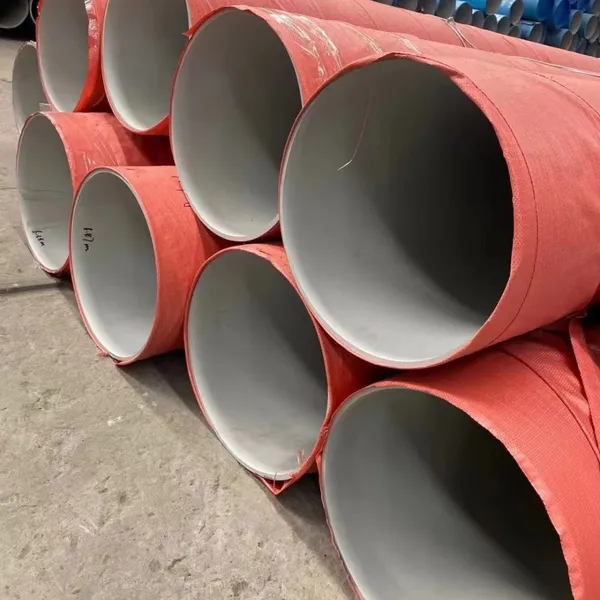
Picture 3
Core ratio logic:
Carbon-chromium balance: The higher the carbon content, the higher the hardness after heat treatment (e.g., 440C can reach HRC58+), but chromium must ensure basic corrosion resistance (≥11.5%);
Heat treatment: It is necessary to optimize strength and toughness through heat treatment (such as quenching + tempering), typically applied in scenarios requiring wear resistance.
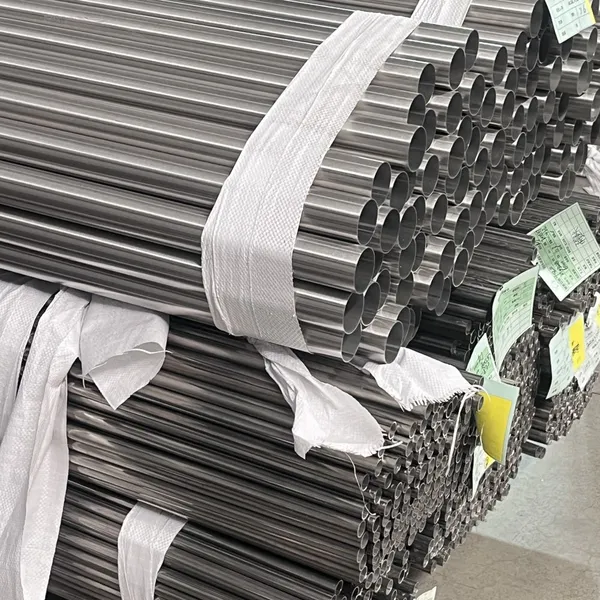
IV. Duplex Stainless Steel (Austenitic + Ferritic Dual Phase Structure, High Strength + High Corrosion Resistance)
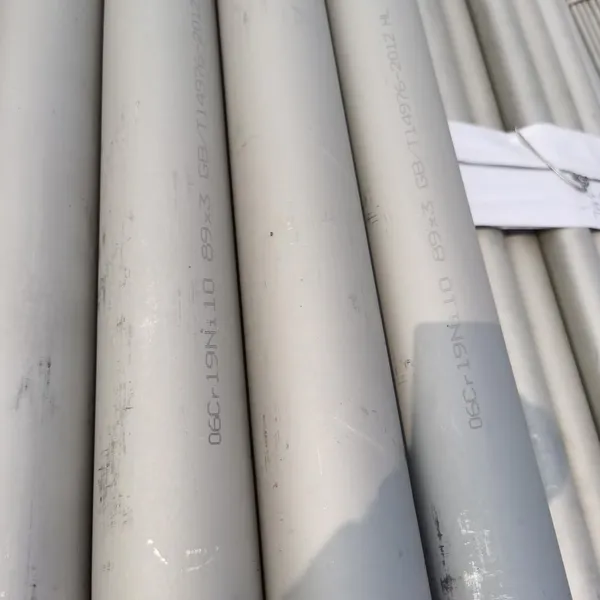
Picture IV
Core Ratio Logic:
Dual-phase balance: The synergistic effect of Cr-Ni-Mo-N forms approximately 50% austenite + 50% ferrite, with a strength (yield strength ≥ 450 MPa) that is twice that of 304;
High corrosion resistance design: High Cr + Mo + N enhances the ability to resist stress corrosion cracking (SCC), especially suitable for harsh environments containing Cl⁻ and H₂S.
V. Precipitation Hardening Stainless Steel (can be strengthened through aging treatment, high strength + corrosion resistance)
Picture V
Core ratio logic:
Aging strengthening elements: Cu, Nb, etc. form precipitates (such as Ni₃Nb), through aging treatment (480-620℃) to enhance strength (tensile strength ≥ 1000 MPa);
Corrosion resistance foundation: Cr ≥ 15% ensures the stability of the passivation film, suitable for scenarios requiring "high strength + corrosion resistance" (such as marine engineering).
VI. Special Types of Stainless Steel (Economical or Functional)
Picture VI
Core Principles of Ratio Design
1. Corrosion Resistance Priority:
Oxidizing environment (such as air, nitric acid): Cr content ≥ 18%;
Chloride-containing environment (seawater, salt fog): Add Mo (2-4%) + high Cr (≥ 22%), such as 316L, 2205;
Intergranular Corrosion Resistance: Low carbon (C ≤ 0.03%) or add Ti/Nb to fix carbon.
2. Balance of Strength and Toughness:
Austenitic steel enhances toughness through Ni to stabilize the structure;
Duplex steel achieves high strength (yield strength ≥ 450 MPa) and fatigue resistance through duplex structure;
Martensitic steel regulates hardness through carbon content and heat treatment (e.g., when C = 0.2% for 420, hardness can reach HRC 30+).
3. Cost and Practicality Consideration:
Economical scenarios (such as decoration) can choose 200 series (high Mn, low Ni);
For high-temperature conditions, select 310S (high Cr-Ni), rather than blindly increasing expensive elements (such as Mo).
Summary
There is no "perfect" element ratio for stainless steel pipes. The design must take into account the characteristics of the medium (acid / alkali / salt), temperature, pressure, processing method (welding / stamping), and cost for a comprehensive consideration. For example:
Food-grade pipes are selected as 304/316 (low C + corrosion-resistant);
Marine engineering pipes are chosen as 2205/2507 (high Cr-Mo-N + resistance to SCC);
Cutting tools are selected as 420/440C (high C + Cr to ensure hardness and rust prevention).
In practical applications, the composition range in standards such as ASTM and GB can be referred to, and the microstructure can be optimized through heat treatment (such as solution treatment and aging) to achieve maximum performance.
Recently Posted
-
Does the stainless steel welded pipe have specific temperature requirements during the solution heat
January 20, 2026Solution heat treatment involves heating stainless steel to a high temperature and then rapidly cooling it to achieve an oversatur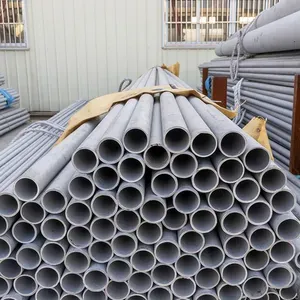 Read More
 -
Can stainless steel welded pipes be made into thick pipes
January 20, 2026With the improvement of high-quality welding technology and increasingly strict weld inspection, the application fields of s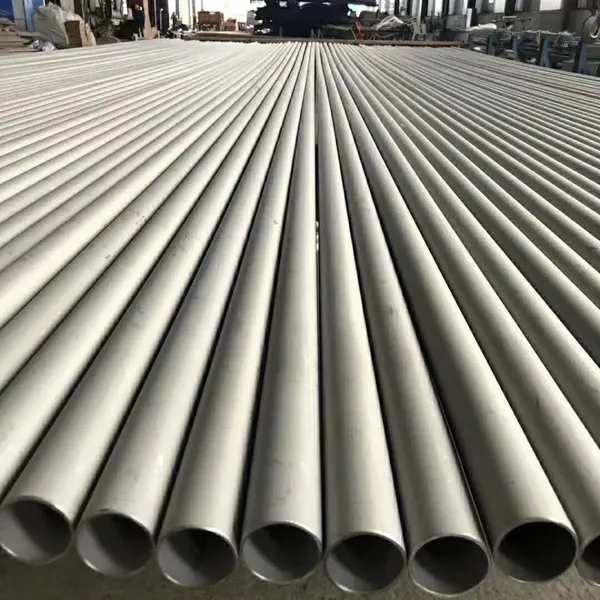 Read More
 -
Three types of commonly available food-grade stainless steel on the market
January 20, 2026The common food-grade stainless steel pipes are mainly composed of iron, chromium and carbon and other elements. Household stainle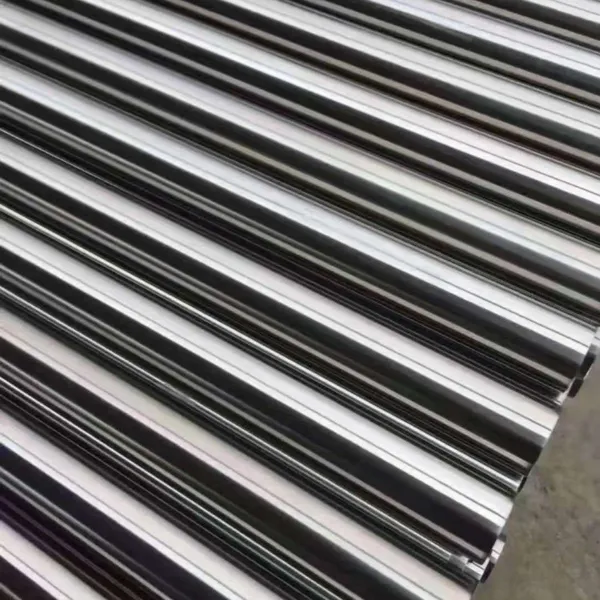 Read More
 -
What are the requirements for stainless steel welding pipe production equipment
January 20, 2026As is well known, stainless steel welded pipes have been widely used in various industries such as machinery, chemical engineering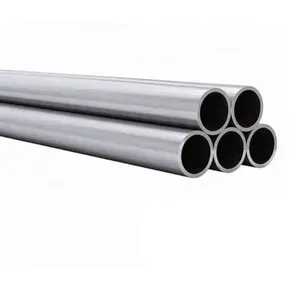 Read More

Contact Us
Recommended Products
-
 Stainless Steel Elbow Welded Elbow 45/90/180-degree Seamless Pressed Elbow Long Radius Elbow Short Radius Elbow WholesaleNegotiableMOQ: 1 Piece
 -
316L/1.4405 Seamless Stainless Steel PipeNegotiableMOQ: 2 Meters
-
310s 440 Seamless Sanitary Piping Price 321 904l 201 20 Inch Seamless Steel Pipe A554 Stainless Steel PipeNegotiableMOQ: 1 Piece
-
China Brand ZZ Wholesale 304L 316 316L Welded Austenitic Piping Stainless Steel Pipe SupplierNegotiableMOQ: 2 Meters
-
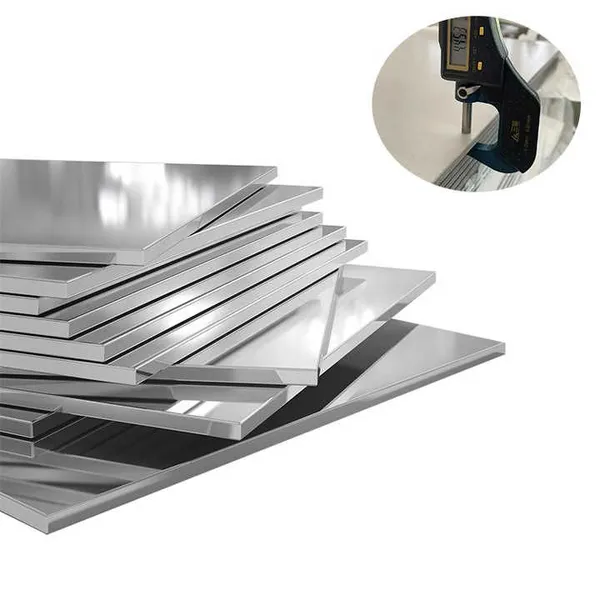
304/304L/316/409/410/904L/2205/2507/310H Premium Stainless Steel Sheets Supplier Custom Sizes & FinishesUS$ 1.72MOQ: 1 Ton
-
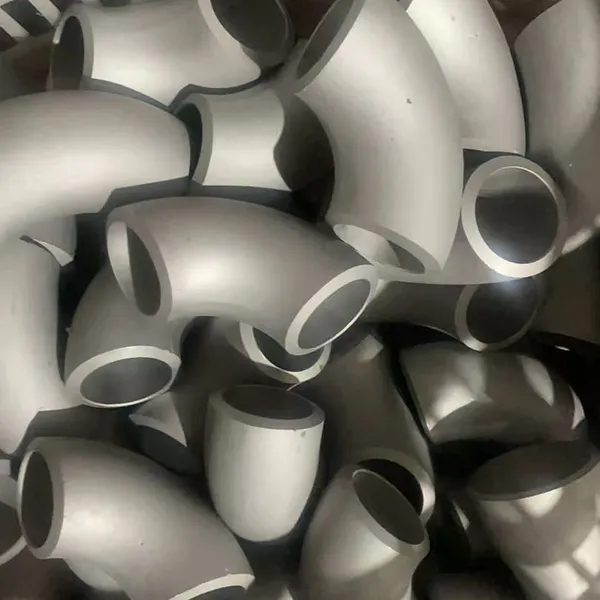
Stainless Steel ASME B16.9 Sch 45 90 Degree Pipe Fittings ElbowUS$ 8MOQ: 1 Piece
-
China Brand Zz 304L 316/316L GB En JIS Standard Thin Wall Welded Stainless Steel Water Pipe/TubeNegotiableMOQ: 2 Meters
-
BA 4 Inch 6 Inch 8 Inch 201 304 304L 316 316L Welded Seamless Stainless Steel PipeNegotiableMOQ: 2 Meters
-
ASME B36.19M-2004 SCH40S Stainless Steel Pipe - Complies With EU 3.1 CertificationUS$ 1 - 650MOQ: 1 Piece
-
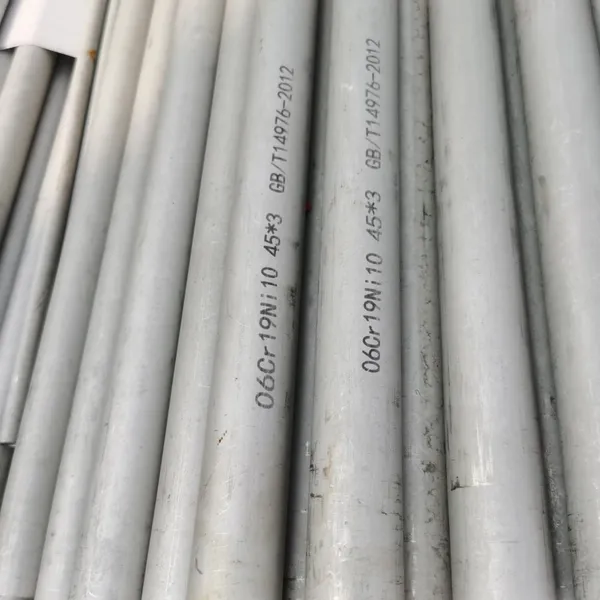
Factory TP309/TP309S/TP309H (UNS30900) Seamless Stainless Steel Pipe and Tube for Boiler BafflesUS$ 8MOQ: 200 Kilograms
-
TP347/TP347H/1.4961/S34709 Seamless Stainless Steel Pipe for UseNegotiableMOQ: 2 Meters
-
China 304 316 Stainless Steel Sanitary Welded Tube Food Grade Sanitary Grade Welded Pipe PolishingNegotiableMOQ: 1 Piece
-
China Manufacture Stainless Steel 316L Ba Seamless Welded Steel Pipe TubesUS$ 1760 - 1860MOQ: 5 Tons
-
316L/1.4405 Seamless Stainless Steel PipeNegotiableMOQ: 2 Meters
-
Stainless Steel Globe Valve – High Durability & Corrosion ResistanceNegotiableMOQ: 1 Piece
-
1.4529 Stainless Steel Flat Plate for Chemical Processing EquipmentUS$ 25 - 35MOQ: 1 Kilogram
-
Color Coated Steel Panels for Warehouse Partition Walls (Fireproof Grade)US$ 1 - 1.2MOQ: 50 Kilograms
-
Custom Width (600mm-1250mm) Colored Steel Coil With Scratch ResistanceUS$ 1 - 1.2MOQ: 50 Kilograms
-
0.5mm-3.0mm Colored Coated Steel Sheet With PVDF/Polyester CoatingUS$ 1 - 1.2MOQ: 50 Kilograms
-
JIS G 3322 Compliant Colored Coils With Third-Party Inspection ReportUS$ 1 - 1.2MOQ: 50 Kilograms