
 Business License

Detailed Explanation of EP (Electrolytic) Stainless Steel Tubes
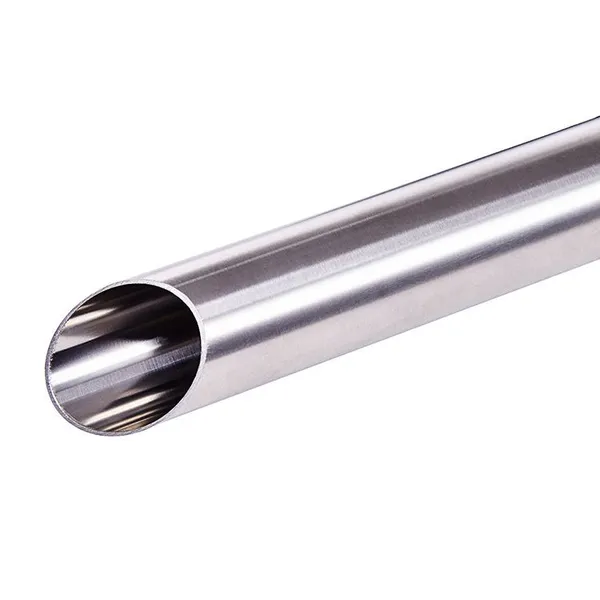
EP electrolytic stainless steel tubes refer to stainless steel tubes that have undergone electro-polishing treatment. The surface of these tubes is finely polished and activated through electrochemical processes, resulting in a highly uniform, smooth, and corrosion-resistant surface. This treatment technology is widely used in fields that require high hygiene, corrosion resistance, and surface quality, such as pharmaceuticals, food processing, semiconductors, medical devices, and high-end chemical industries.
I. The principle of EP electrolytic stainless steel tubes
Electrochemical polishing process:
The stainless steel tube is used as the anode and immersed in an electrolyte (usually a mixture of sulfuric acid and phosphoric acid) and then connected to a direct current. The microscopic protrusions on the metal surface are dissolved first, thereby eliminating microscopic irregularities and achieving a mirror-like polishing effect.
Surface modification:
After polishing, a chromium-rich passivation layer forms on the stainless steel surface, enhancing corrosion resistance and reducing microbial adhesion and pollutant residue.
II. Key characteristics
Super smooth surface:
The surface roughness (Ra) can be reduced to below 0.1 μm, approaching a mirror-like effect, significantly reducing the risk of particle or microbial retention.
High corrosion resistance:
After removing surface impurities, the passivation layer becomes more uniform and dense, enhancing the ability to resist corrosive media such as acids, alkalis, and chloride ions.
Easy cleaning:
The smooth surface is easy to clean, meeting strict hygiene standards such as GMP (Good Manufacturing Practice) and FDA (Food and Drug Administration).
Long-lasting durability:
The polished layer has high stability and a long service life, with low maintenance costs.
III. Main application fields
Pharmaceuticals and biotechnology:
Used in clean pipe systems (such as CIP/SIP cleaning systems), bioreactors, and pure water delivery pipes.
Food processing:
Hygiene-level pipes for juice, dairy products, and beverage production lines to prevent bacterial growth.
Semiconductor industry:
Ultra-pure water circulation systems, chemical gas delivery pipes to avoid contamination of chip manufacturing.
Medical devices:
Cleaning pipes for surgical instruments, medical gas delivery systems.
High-end chemicals:
Corrosion-resistant pipes for strong acids and alkalis.
IV. Differences from ordinary stainless steel tubes (as shown in Figure 1)
V. Process flow
Pre-treatment: Mechanical polishing to remove surface flaws.
Electrolytic polishing: Connecting to an electrolyte and applying direct current to selectively dissolve the protruding parts.
Neutralization and cleaning: Removing residual electrolyte to prevent secondary contamination.
Drying and quality inspection: Ensuring no oil stains or particles on the surface, meeting industry standards.
VI. Industry standards and certifications
ASTM B912: Standard for electrolytic polishing of stainless steel.
ASME BPE: Pipeline standards for biopharmaceutical engineering (requiring Ra ≤ 0.8 μm).
ISO 15848: Test for sealing performance of industrial valves (applicable to highly corrosive media).
GMP/FDA: Mandatory hygiene certification for the pharmaceutical industry.
VII. Precautions
Electrolyte selection: Adjust the formula according to the stainless steel material (such as 316L) to avoid excessive corrosion.
Current density control: Excessive current may cause over-polishing or hydrogen embrittlement.
Post-treatment protection: Thorough drying is required after polishing to avoid oxidation or contamination.
Cost considerations: The process is complex and more expensive than ordinary stainless steel tubes, requiring a balance of performance requirements.
VIII. Typical cases
Pharmaceutical industry: A pharmaceutical company's pure water system uses EP stainless steel tubes, with the microbial detection pass rate increasing from 85% to 99.9%.
Semiconductor manufacturing: A wafer factory's ultra-pure water pipes use EP polished pipes, with the particle contamination rate dropping by 90%.
Food processing: A dairy enterprise's CIP cleaning system uses EP pipes, with the cleaning cycle shortened by 30%.
Recently Posted
-
Does the stainless steel welded pipe have specific temperature requirements during the solution heat
January 20, 2026Solution heat treatment involves heating stainless steel to a high temperature and then rapidly cooling it to achieve an oversatur Read More
 -
Can stainless steel welded pipes be made into thick pipes
January 20, 2026With the improvement of high-quality welding technology and increasingly strict weld inspection, the application fields of s Read More
 -
Three types of commonly available food-grade stainless steel on the market
January 20, 2026The common food-grade stainless steel pipes are mainly composed of iron, chromium and carbon and other elements. Household stainle Read More
 -
What are the requirements for stainless steel welding pipe production equipment
January 20, 2026As is well known, stainless steel welded pipes have been widely used in various industries such as machinery, chemical engineering Read More

Contact Us
Recommended Products
-
 Stainless Steel Elbow Welded Elbow 45/90/180-degree Seamless Pressed Elbow Long Radius Elbow Short Radius Elbow WholesaleNegotiableMOQ: 1 Piece
 -
316L/1.4405 Seamless Stainless Steel PipeNegotiableMOQ: 2 Meters
-
310s 440 Seamless Sanitary Piping Price 321 904l 201 20 Inch Seamless Steel Pipe A554 Stainless Steel PipeNegotiableMOQ: 1 Piece
-
China Brand ZZ Wholesale 304L 316 316L Welded Austenitic Piping Stainless Steel Pipe SupplierNegotiableMOQ: 2 Meters
-
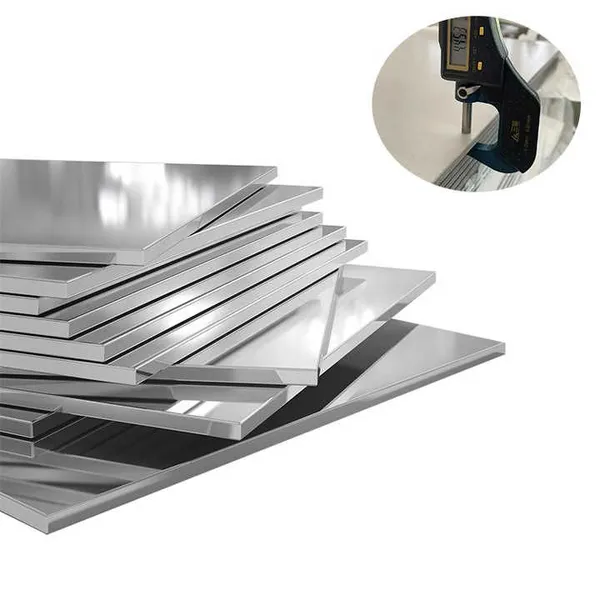
304/304L/316/409/410/904L/2205/2507/310H Premium Stainless Steel Sheets Supplier Custom Sizes & FinishesUS$ 1.72MOQ: 1 Ton
-
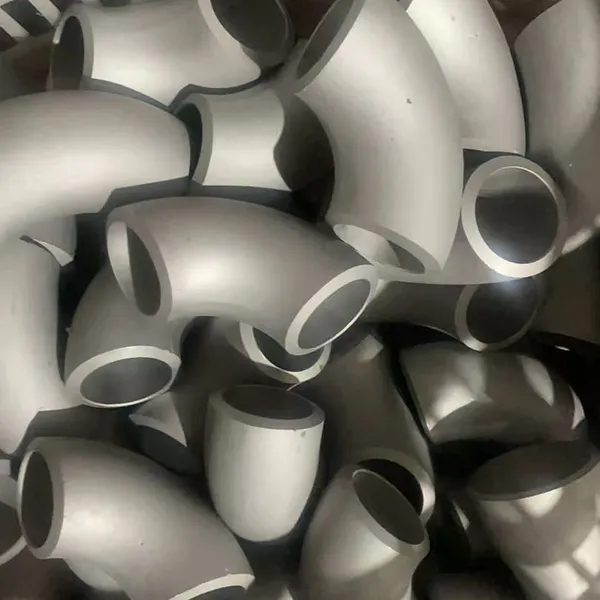
Stainless Steel ASME B16.9 Sch 45 90 Degree Pipe Fittings ElbowUS$ 8MOQ: 1 Piece
-
China Brand Zz 304L 316/316L GB En JIS Standard Thin Wall Welded Stainless Steel Water Pipe/TubeNegotiableMOQ: 2 Meters
-
BA 4 Inch 6 Inch 8 Inch 201 304 304L 316 316L Welded Seamless Stainless Steel PipeNegotiableMOQ: 2 Meters
-
ASME B36.19M-2004 SCH40S Stainless Steel Pipe - Complies With EU 3.1 CertificationUS$ 1 - 650MOQ: 1 Piece
-
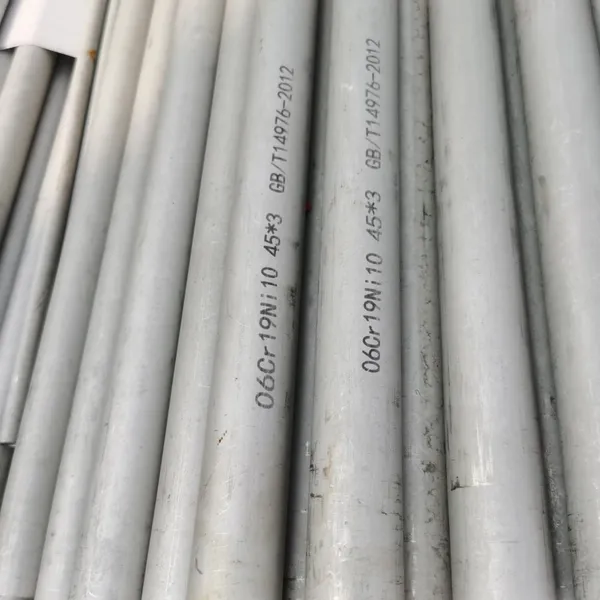
Factory TP309/TP309S/TP309H (UNS30900) Seamless Stainless Steel Pipe and Tube for Boiler BafflesUS$ 8MOQ: 200 Kilograms
-
TP347/TP347H/1.4961/S34709 Seamless Stainless Steel Pipe for UseNegotiableMOQ: 2 Meters
-
China 304 316 Stainless Steel Sanitary Welded Tube Food Grade Sanitary Grade Welded Pipe PolishingNegotiableMOQ: 1 Piece
-
China Manufacture Stainless Steel 316L Ba Seamless Welded Steel Pipe TubesUS$ 1760 - 1860MOQ: 5 Tons
-
316L/1.4405 Seamless Stainless Steel PipeNegotiableMOQ: 2 Meters
-
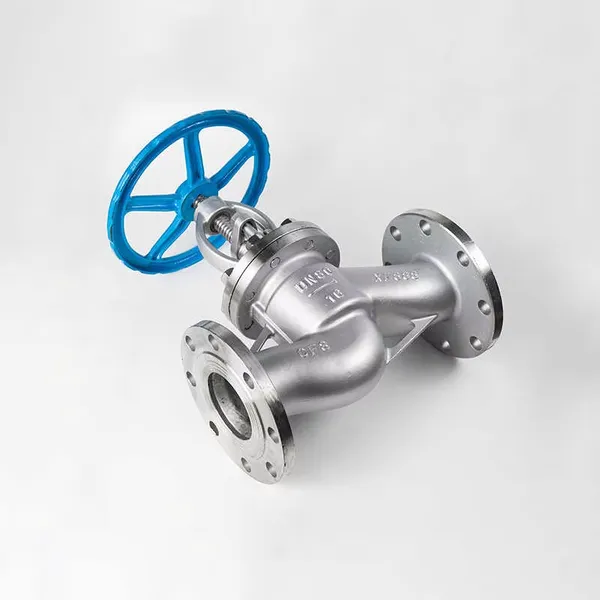
Stainless Steel Globe Valve – High Durability & Corrosion ResistanceNegotiableMOQ: 1 Piece
-
1.4529 Stainless Steel Flat Plate for Chemical Processing EquipmentUS$ 25 - 35MOQ: 1 Kilogram
-
Color Coated Steel Panels for Warehouse Partition Walls (Fireproof Grade)US$ 1 - 1.2MOQ: 50 Kilograms
-
Custom Width (600mm-1250mm) Colored Steel Coil With Scratch ResistanceUS$ 1 - 1.2MOQ: 50 Kilograms
-
0.5mm-3.0mm Colored Coated Steel Sheet With PVDF/Polyester CoatingUS$ 1 - 1.2MOQ: 50 Kilograms
-
JIS G 3322 Compliant Colored Coils With Third-Party Inspection ReportUS$ 1 - 1.2MOQ: 50 Kilograms