
 Business License

How to ensure the shape accuracy of stainless steel tubes during electrochemical machining
To ensure the shape accuracy of stainless steel tubes during electrolytic processing, multiple aspects need to be considered and controlled. The specific measures are as follows:
Precisely design the cathode shape
Based on the target shape of the stainless steel tube, the cathode shape is precisely designed using computer-aided design (CAD) technology. Considering the electric field distribution and material dissolution laws during the electrolytic processing, the cathode shape is optimized to generate a uniform electric field during the processing, thereby achieving uniform material dissolution on the surface of the stainless steel tube and ensuring the shape accuracy.
For example, for stainless steel tubes with complex curved surfaces, a three-dimensional model is established to simulate the electric field distribution, and the curvature and shape of the cathode surface are adjusted to ensure that the electric field distribution on the surface of the stainless steel tube conforms to the expected processing shape requirements.
Rationally select processing parameters
Electrolyte parameters: Select appropriate electrolyte components, concentrations, temperatures, and flow rates. The electrolyte should have good conductivity and stability to ensure the uniformity of the electrolytic processing. For example, using a 10%-20% mass fraction sodium chloride electrolyte, with a temperature controlled at 20 - 60℃, and a flow rate within a certain range, the electrolyte can flow uniformly on the surface of the stainless steel tube, avoiding shape errors caused by uneven electrolyte distribution.
Current density: Precisely control the current density to ensure its uniform distribution on the surface of the stainless steel tube. Based on the material, shape, and processing requirements of the stainless steel tube, select an appropriate current density range, generally between 10 - 50A/cm². By adjusting the shape, position of the electrodes, and power supply parameters, the current density can be made as consistent as possible throughout the processing surface, preventing uneven material dissolution due to excessive or insufficient current density in certain areas, which would affect the shape accuracy.
Electrode gap: Maintain an appropriate and uniform electrode gap. The electrode gap is generally controlled between 0.1 - 1mm. Too small a gap can cause short circuits, while too large a gap will reduce the processing accuracy. During the processing, use high-precision positioning devices and electrode adjustment mechanisms to ensure that the gap between the electrodes and the stainless steel tube remains constant throughout the processing area, achieving stable electrolytic processing and ensuring shape accuracy.
Ensure equipment accuracy and stability
Machine tool accuracy: Use high-precision electrolytic processing machines, with the movement accuracy of the coordinate axes reaching a high level, such as a positioning accuracy within ±0.01mm and a repeat positioning accuracy within ±0.005mm. The worktable of the machine should have good flatness and stability to ensure the position accuracy of the stainless steel tube during the processing, avoiding stainless steel tube shape deviations caused by machine movement errors.
Power supply stability: Equip a stable DC power supply, with the output voltage and current of the power supply having high stability, with the voltage fluctuation range controlled within ±1% and the current fluctuation range controlled within ±2%. The stable power supply can provide a uniform electric field, ensuring the consistency of the electrolytic processing and facilitating the improvement of the shape accuracy of the stainless steel tube.
Electrolyte circulation system: The electrolyte circulation system should ensure the uniform supply and timely renewal of the electrolyte. The flow and pressure of the circulation pump should be able to meet the processing requirements and have good stability. At the same time, a filtration device should be equipped to remove impurities and metal ions from the electrolyte to prevent adverse effects on the processing process and ensure the shape accuracy of the stainless steel tube.
Real-time monitoring and feedback control
During electrolytic processing, use online monitoring technology, such as using non-contact measurement sensors to monitor the shape changes of the stainless steel tube and the wear of the electrodes in real time. Based on the monitoring data, adjust processing parameters such as current density distribution or electrode position as needed to compensate for processing errors and ensure shape accuracy.
Establish a mathematical model of the processing process, combine real-time monitoring data for analysis and prediction, and achieve model-based feedback control. By continuously optimizing the processing parameters and control strategies, the electrochemical machining process can always be maintained in the optimal state, ensuring that the shape accuracy of the stainless steel tube meets the requirements.
Optimize clamping and positioning
Design a reasonable clamping fixture to ensure that the stainless steel tube is firmly fixed during the machining process, avoiding shaking or displacement caused by loose clamping. The clamping fixture should have good rigidity and accuracy, ensuring that the axis of the stainless steel tube coincides with the axis of the electrode, and maintaining a relative position unchanged during the machining process.
Use high-precision positioning methods, such as using positioning pins, positioning blocks, etc., to accurately determine the position of the stainless steel tube on the machine tool worktable. The positioning accuracy should be within ±0.05mm. At the same time, during the clamping process, pre-positioning and calibration of the stainless steel tube should be carried out to ensure that it is in the correct initial position before the machining, providing a foundation for ensuring the shape accuracy.
Recently Posted
-
Does the stainless steel welded pipe have specific temperature requirements during the solution heat
January 20, 2026Solution heat treatment involves heating stainless steel to a high temperature and then rapidly cooling it to achieve an oversatur Read More
 -
Can stainless steel welded pipes be made into thick pipes
January 20, 2026With the improvement of high-quality welding technology and increasingly strict weld inspection, the application fields of s Read More
 -
Three types of commonly available food-grade stainless steel on the market
January 20, 2026The common food-grade stainless steel pipes are mainly composed of iron, chromium and carbon and other elements. Household stainle Read More
 -
What are the requirements for stainless steel welding pipe production equipment
January 20, 2026As is well known, stainless steel welded pipes have been widely used in various industries such as machinery, chemical engineering Read More

Contact Us
Recommended Products
-
 Stainless Steel Elbow Welded Elbow 45/90/180-degree Seamless Pressed Elbow Long Radius Elbow Short Radius Elbow WholesaleNegotiableMOQ: 1 Piece
 -
316L/1.4405 Seamless Stainless Steel PipeNegotiableMOQ: 2 Meters
-
310s 440 Seamless Sanitary Piping Price 321 904l 201 20 Inch Seamless Steel Pipe A554 Stainless Steel PipeNegotiableMOQ: 1 Piece
-
China Brand ZZ Wholesale 304L 316 316L Welded Austenitic Piping Stainless Steel Pipe SupplierNegotiableMOQ: 2 Meters
-
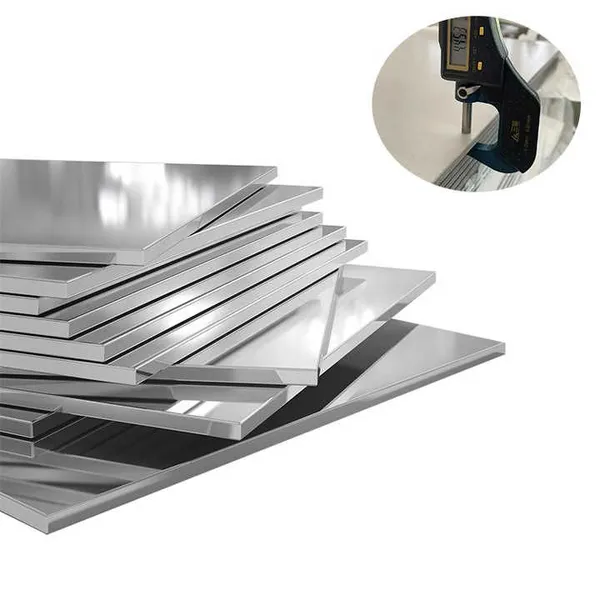
304/304L/316/409/410/904L/2205/2507/310H Premium Stainless Steel Sheets Supplier Custom Sizes & FinishesUS$ 1.72MOQ: 1 Ton
-
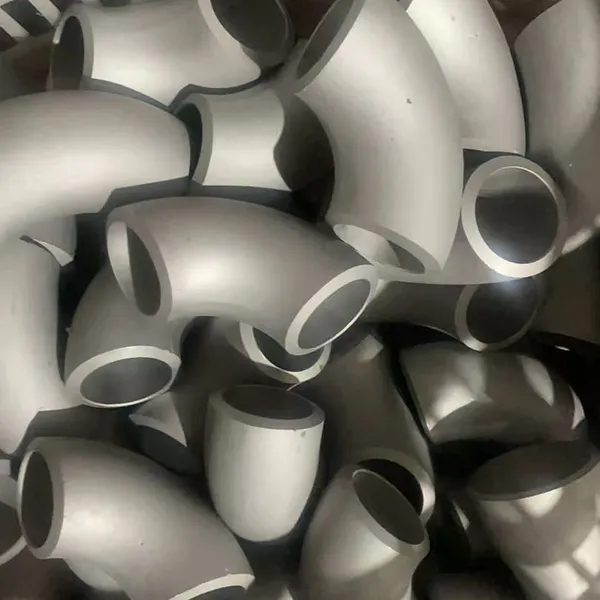
Stainless Steel ASME B16.9 Sch 45 90 Degree Pipe Fittings ElbowUS$ 8MOQ: 1 Piece
-
China Brand Zz 304L 316/316L GB En JIS Standard Thin Wall Welded Stainless Steel Water Pipe/TubeNegotiableMOQ: 2 Meters
-
BA 4 Inch 6 Inch 8 Inch 201 304 304L 316 316L Welded Seamless Stainless Steel PipeNegotiableMOQ: 2 Meters
-
ASME B36.19M-2004 SCH40S Stainless Steel Pipe - Complies With EU 3.1 CertificationUS$ 1 - 650MOQ: 1 Piece
-
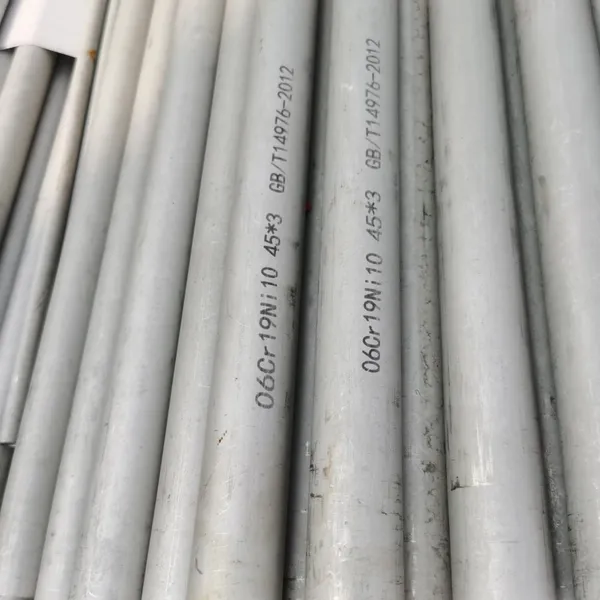
Factory TP309/TP309S/TP309H (UNS30900) Seamless Stainless Steel Pipe and Tube for Boiler BafflesUS$ 8MOQ: 200 Kilograms
-
TP347/TP347H/1.4961/S34709 Seamless Stainless Steel Pipe for UseNegotiableMOQ: 2 Meters
-
China 304 316 Stainless Steel Sanitary Welded Tube Food Grade Sanitary Grade Welded Pipe PolishingNegotiableMOQ: 1 Piece
-
China Manufacture Stainless Steel 316L Ba Seamless Welded Steel Pipe TubesUS$ 1760 - 1860MOQ: 5 Tons
-
316L/1.4405 Seamless Stainless Steel PipeNegotiableMOQ: 2 Meters
-
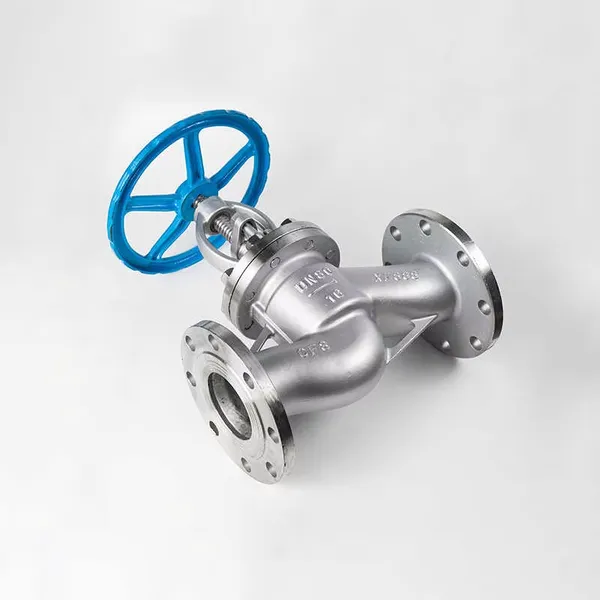
Stainless Steel Globe Valve – High Durability & Corrosion ResistanceNegotiableMOQ: 1 Piece
-
1.4529 Stainless Steel Flat Plate for Chemical Processing EquipmentUS$ 25 - 35MOQ: 1 Kilogram
-
Color Coated Steel Panels for Warehouse Partition Walls (Fireproof Grade)US$ 1 - 1.2MOQ: 50 Kilograms
-
Custom Width (600mm-1250mm) Colored Steel Coil With Scratch ResistanceUS$ 1 - 1.2MOQ: 50 Kilograms
-
0.5mm-3.0mm Colored Coated Steel Sheet With PVDF/Polyester CoatingUS$ 1 - 1.2MOQ: 50 Kilograms
-
JIS G 3322 Compliant Colored Coils With Third-Party Inspection ReportUS$ 1 - 1.2MOQ: 50 Kilograms