
 Business License

Where exactly does the corrosion resistance of 316 stainless steel pipes perform better in high-temp
The 316 stainless steel pipe, due to the addition of molybdenum (Mo, with a content of 2-3%) and higher levels of chromium (Cr, 16-18%), nickel (Ni, 10-14%), exhibits significantly superior corrosion resistance in high-temperature environments compared to ordinary austenitic stainless steel (such as 304). Its advantages are mainly reflected in the following aspects, particularly being well-suited for complex corrosion scenarios in high-temperature conditions (such as in the chemical, energy, and metallurgical industries):
1. Stronger anti-oxidation and corrosion resistance at high temperatures
In a high-temperature environment (typically above 300°C, especially in the range of 500-800°C), metal materials are prone to undergo oxidation reactions with oxygen and water vapor in the air, forming an oxide film. If the oxide film is unstable or prone to detachment, it will cause continuous corrosion of the material (i.e., "high-temperature oxidation").
In 316, chromium (Cr) combines preferentially with oxygen at high temperatures to form a dense Cr₂O₃ oxide film, which adheres tightly to the surface. This film effectively prevents corrosive media such as oxygen and water vapor from penetrating the substrate and further oxidizing it.
The addition of molybdenum (Mo) further enhances the stability of the oxide film. Especially in high-temperature atmospheres containing sulfur and carbon (such as in chemical kilns and gas turbine exhaust environments), it can reduce the damage to the oxide film caused by sulfides and carbonates, and slow down the oxidation rate.
In contrast, 304 does not contain molybdenum. In an oxidation environment at temperatures above 600℃, the oxide film is prone to failure due to the erosion of sulfur and carbon, and the corrosion rate is significantly faster.
2. Superior corrosion resistance in high-temperature acidic media
In the chemical industry, high-temperature acidic media (such as high-temperature sulfuric acid, hydrochloric acid, organic acid vapors, etc.) are common highly corrosive environments. The corrosion resistance advantages of 316 are manifested as follows:
Anti-pitting and crevice corrosion: High temperatures accelerate the activity of corrosive ions such as chloride ions (Cl⁻) and sulfate ions (SO₄²⁻), which can easily cause pitting (local perforation) or crevice corrosion (such as at flange connections or at weld joint gaps). Molybdenum (Mo) can significantly enhance the "passivation film repair ability" of the stainless steel surface. Even if the local passivation film is damaged by corrosive ions, it can quickly re-form a protective film to inhibit the expansion of pitting and crevice corrosion.
For instance, in a dilute sulfuric acid at high temperature (80 - 150℃) or in a solution containing chloride ions, the corrosion rate of 316 is only 1/5 to 1/10 of that of 304.
Relative stability against intergranular corrosion: Although the carbon content of 316 (≤0.08%) is higher than that of 316L, Cr₂₃C₆ may precipitate (resulting in chromium deficiency at the grain boundaries) within the sensitization temperature range of 450-850℃. However, compared to 304, the synergistic effect of its higher chromium, nickel content and molybdenum can still alleviate the occurrence of intergranular corrosion to a certain extent. Especially in weak corrosive media at high temperatures (such as neutral hot water and weakly oxidizing solutions), the intergranular corrosion risk of 316 is lower than that of 304.
III. Outstanding corrosion resistance to high-temperature sulfur-containing and chlorine-containing media
In high-temperature environments containing sulfur (such as H₂S, SO₂) or chlorine (such as HCl gas, chlorinated hydrocarbon vapor), etc. (such as heating furnaces in oil refineries, chlorine-based chemical pipelines), the corrosion resistance advantage of 316 is particularly prominent:
Anti-sulfurization corrosion: At high temperatures, sulfur reacts with metals to form sulfides (such as FeS), causing the material to become brittle and flake off. Molybdenum can combine with sulfur to form a more stable MoS₂, reducing the formation of iron-based sulfides. Meanwhile, the presence of chromium enhances the density of the sulfide film, reducing the corrosion rate.
Resistance to chlorine corrosion: Chlorine is highly reactive at high temperatures and can destroy the passive film on stainless steel, leading to "chloride embrittlement". The nickel (Ni) in 316 enhances the austenitic stability of the material, reduces the lattice distortion caused by chlorine, and molybdenum further increases the "tolerance" to chloride ions, delaying corrosion cracking (such as stress corrosion cracking).
IV. Synergistic Advantages of High Temperature Mechanical Properties and Corrosion Resistance
At high temperatures, the mechanical properties of materials (such as strength and toughness) will decline, and corrosion will accelerate this process (such as corrosion fatigue). 316 has more stable mechanical properties at high temperatures:
Nickel (Ni), as an element for forming austenite, can maintain the austenite structure at high temperatures, preventing the increase in brittleness caused by phase transformation.
The synergistic effect of carbon and molybdenum has, to a certain extent, enhanced the high-temperature strength of the material (such as tensile strength and creep strength), making it less prone to accelerated corrosion (such as stress corrosion) due to the deterioration of mechanical properties in high-temperature corrosive environments.
Summary
The superior corrosion resistance of 316 stainless steel in high-temperature environments is fundamentally attributed to the addition of molybdenum and the synergistic effect with chromium and nickel: it not only enhances the stability of the high-temperature oxide film but also improves its corrosion resistance to acidic media, chloride ions, sulfur ions, etc., while maintaining good high-temperature mechanical properties. Therefore, it is more suitable for use in pipeline systems in chemical and energy industries that operate at high temperatures (typically ≤ 800℃) and in corrosive media such as high-temperature acids, sulfur-containing gases. Its corrosion resistance lifespan is much longer than that of 304 stainless steel (which does not contain molybdenum).
(Note: If the temperature exceeds 800℃, materials with higher resistance to high temperatures such as 310S should be considered. These materials have a higher chromium and nickel content and exhibit better oxidation resistance.)
Recently Posted
-
Does the stainless steel welded pipe have specific temperature requirements during the solution heat
January 20, 2026Solution heat treatment involves heating stainless steel to a high temperature and then rapidly cooling it to achieve an oversatur Read More
 -
Can stainless steel welded pipes be made into thick pipes
January 20, 2026With the improvement of high-quality welding technology and increasingly strict weld inspection, the application fields of s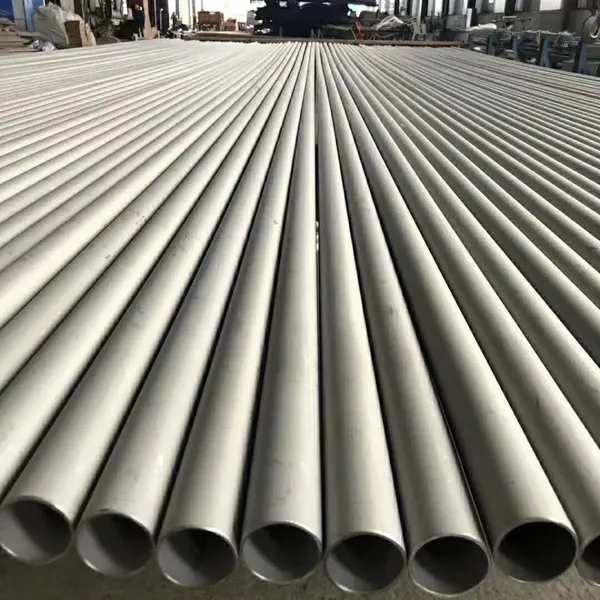 Read More
 -
Three types of commonly available food-grade stainless steel on the market
January 20, 2026The common food-grade stainless steel pipes are mainly composed of iron, chromium and carbon and other elements. Household stainle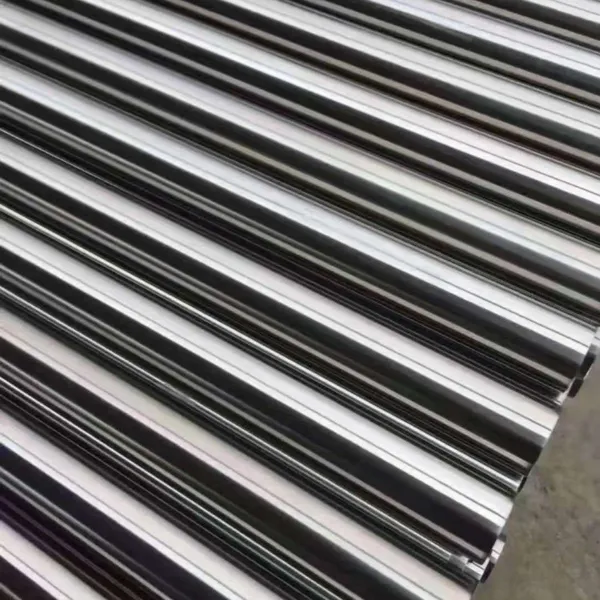 Read More
 -
What are the requirements for stainless steel welding pipe production equipment
January 20, 2026As is well known, stainless steel welded pipes have been widely used in various industries such as machinery, chemical engineering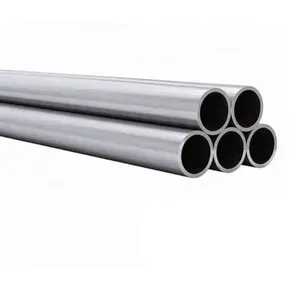 Read More

Contact Us
Recommended Products
-
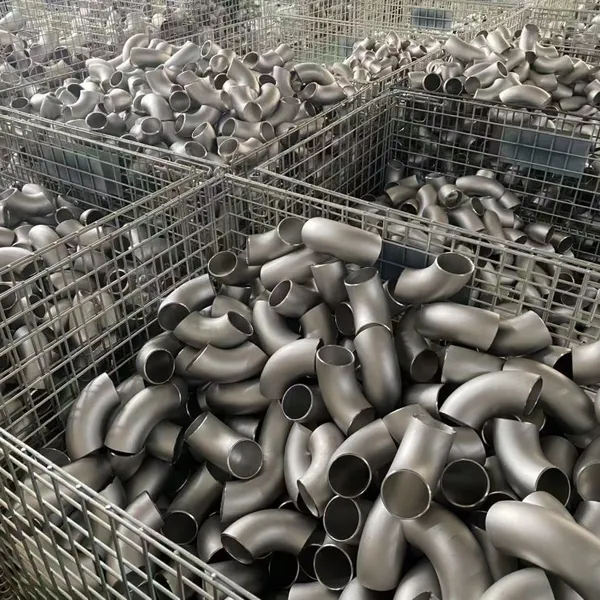
 Stainless Steel Elbow Welded Elbow 45/90/180-degree Seamless Pressed Elbow Long Radius Elbow Short Radius Elbow WholesaleNegotiableMOQ: 1 Piece
 -
316L/1.4405 Seamless Stainless Steel PipeNegotiableMOQ: 2 Meters
-
310s 440 Seamless Sanitary Piping Price 321 904l 201 20 Inch Seamless Steel Pipe A554 Stainless Steel PipeNegotiableMOQ: 1 Piece
-
China Brand ZZ Wholesale 304L 316 316L Welded Austenitic Piping Stainless Steel Pipe SupplierNegotiableMOQ: 2 Meters
-
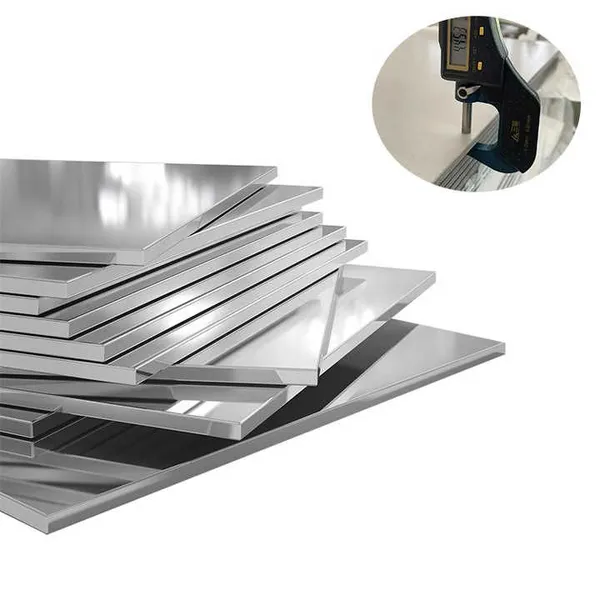
304/304L/316/409/410/904L/2205/2507/310H Premium Stainless Steel Sheets Supplier Custom Sizes & FinishesUS$ 1.72MOQ: 1 Ton
-
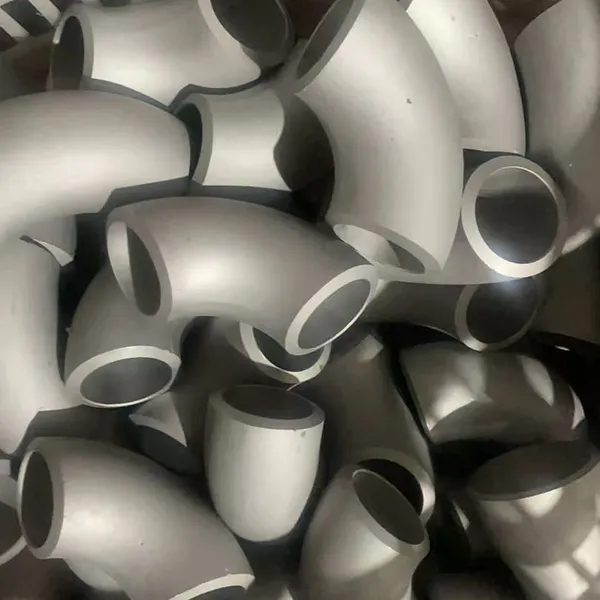
Stainless Steel ASME B16.9 Sch 45 90 Degree Pipe Fittings ElbowUS$ 8MOQ: 1 Piece
-
China Brand Zz 304L 316/316L GB En JIS Standard Thin Wall Welded Stainless Steel Water Pipe/TubeNegotiableMOQ: 2 Meters
-
BA 4 Inch 6 Inch 8 Inch 201 304 304L 316 316L Welded Seamless Stainless Steel PipeNegotiableMOQ: 2 Meters
-
ASME B36.19M-2004 SCH40S Stainless Steel Pipe - Complies With EU 3.1 CertificationUS$ 1 - 650MOQ: 1 Piece
-
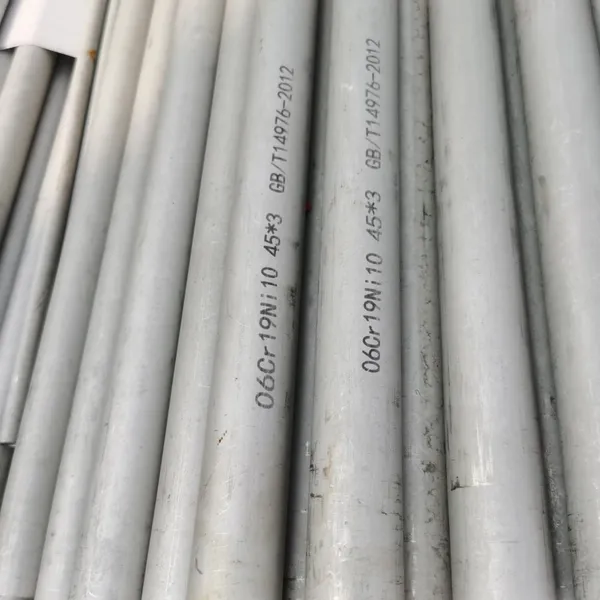
Factory TP309/TP309S/TP309H (UNS30900) Seamless Stainless Steel Pipe and Tube for Boiler BafflesUS$ 8MOQ: 200 Kilograms
-
TP347/TP347H/1.4961/S34709 Seamless Stainless Steel Pipe for UseNegotiableMOQ: 2 Meters
-
China 304 316 Stainless Steel Sanitary Welded Tube Food Grade Sanitary Grade Welded Pipe PolishingNegotiableMOQ: 1 Piece
-
China Manufacture Stainless Steel 316L Ba Seamless Welded Steel Pipe TubesUS$ 1760 - 1860MOQ: 5 Tons
-
316L/1.4405 Seamless Stainless Steel PipeNegotiableMOQ: 2 Meters
-
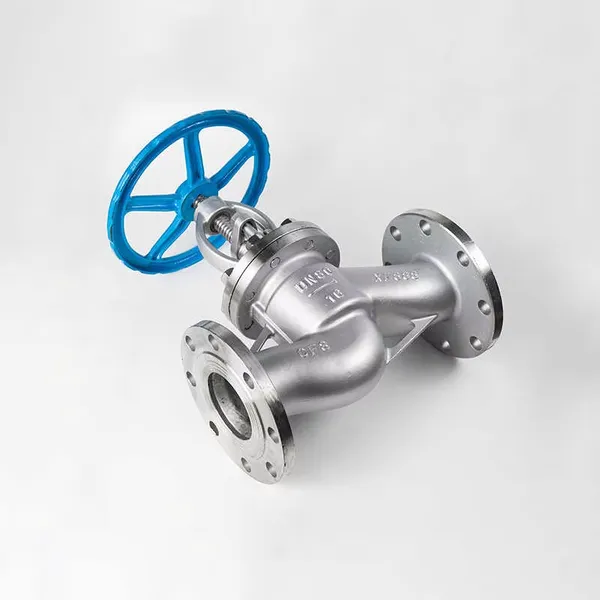
Stainless Steel Globe Valve – High Durability & Corrosion ResistanceNegotiableMOQ: 1 Piece
-
1.4529 Stainless Steel Flat Plate for Chemical Processing EquipmentUS$ 25 - 35MOQ: 1 Kilogram
-
Color Coated Steel Panels for Warehouse Partition Walls (Fireproof Grade)US$ 1 - 1.2MOQ: 50 Kilograms
-
Custom Width (600mm-1250mm) Colored Steel Coil With Scratch ResistanceUS$ 1 - 1.2MOQ: 50 Kilograms
-
0.5mm-3.0mm Colored Coated Steel Sheet With PVDF/Polyester CoatingUS$ 1 - 1.2MOQ: 50 Kilograms
-
JIS G 3322 Compliant Colored Coils With Third-Party Inspection ReportUS$ 1 - 1.2MOQ: 50 Kilograms