
 Business License

What factors affect the corrosion resistance of non-magnetic stainless steel pipes?
The corrosion resistance of non-magnetic stainless steel tubes is the core performance for their application in fields such as medical devices, chemical engineering, and marine engineering. The strength of its corrosion resistance is closely related to various factors, which can be summarized into several major aspects: the composition and microstructure of the material itself, as well as the external operating environment.
I. Core Factors of the Materials
1. Alloy Composition
The corrosion resistance of non-magnetic stainless steel (mainly austenitic stainless steel) mainly relies on the synergistic effect of alloying elements. The key elements include:
Chromium (Cr): It is the core element for forming the protective film. When the chromium content is ≥ 12%, a dense Cr₂O₃ oxide film (passivation film) can form on the surface, preventing oxygen and corrosive media from invading the substrate. The higher the chromium content (such as 316L with 16%-18% chromium), the stronger the stability of the passivation film and the better the resistance to general corrosion (such as oxidative corrosion).
Nickel (Ni): It is the key element for maintaining the austenitic structure (ensuring non-magnetic properties), and can also enhance the toughness of the passivation film and the corrosion resistance to organic acids and neutral salt solutions. However, excessive nickel content (such as over 20%) may increase costs, and the content needs to be controlled in scenarios where people are allergic to nickel (such as medical devices).
Molybdenum (Mo): It is a "key element" that significantly enhances the resistance to pitting and crevice corrosion. Molybdenum can form a more stable MoO₃ in the passivation film, especially in chloride ion environments (such as seawater, blood, disinfectants), which can inhibit the damage of chloride ions to the passivation film (such as 316L with 2%-3% molybdenum, the corrosion resistance to chlorine is much better than 304 stainless steel without molybdenum).
Carbon (C): Excessive carbon content (such as > 0.08%) will combine with chromium during welding or high-temperature use to form Cr₂₃C₆ carbides, reducing the chromium content near the grain boundaries (the "poor chromium zone"), causing intergranular corrosion. Therefore, ultra-low carbon types (such as 316L, C ≤ 0.03%) have better intergranular corrosion resistance.
Other elements:
Nitrogen (N): It can enhance the stability of austenitic (auxiliary to maintain non-magnetic properties), and also increase the density of the passivation film, enhancing the resistance to pitting (such as 2205 duplex steel with N 0.14%-0.20%).
Titanium (Ti), Niobium (Nb): They combine with carbon to form stable carbides (such as TiC), avoiding the consumption of chromium, and are often used in stainless steels with higher carbon content (such as 321), reducing the risk of intergranular corrosion.
2. Microscopic Structure and Processing State
Crystal Structure: Most non-magnetic stainless steels have a single-phase austenitic structure (such as 316L), and their uniform microstructure can reduce the local penetration of corrosive media; if part of the austenite transforms into ferrite due to cold processing or welding (with a weak magnetic property), a "micro-battery effect" may form, accelerating local corrosion.
Surface State:
The higher the surface finish (such as Ra ≤ 0.05 μm after electrolytic polishing), the more difficult it is for corrosive media to adhere and penetrate, and the stronger the corrosion resistance (for example, medical device 316LVM stainless steel pipes need to undergo electrolytic polishing to reduce bacterial adhesion and corrosion points).
Surface scratches, oxide scale or oil residue will damage the passivation film, becoming the starting point of corrosion, and need to be repaired through acid washing and passivation treatment.
Grain Size: Fine-grained structure (such as through cold rolling refinement) can increase the number of grain boundaries, improve the uniformity of the passivation film, and reduce the risk of local corrosion.
II. External Operating Environment Factors
1. Types and Concentrations of Corrosive Media
Chemical media: Acidic (such as hydrochloric acid, citric acid), alkaline (such as sodium hydroxide), or neutral salts (such as sodium chloride) have a significant impact on corrosion resistance. For example, 316L, due to its molybdenum content, has a much better resistance to pitting in high-concentration chloride ions (such as in blood dialysis fluid) than 304; however, in strong oxidizing acids (such as concentrated nitric acid), the difference in corrosion resistance between the two is relatively small.
Microorganisms: In humid environments, bacteria (such as sulfate-reducing bacteria) may adhere to the surface to form biofilms, secreting organic acids to destroy the passive film, causing "microbial corrosion" (especially at the pipe interface of medical devices).
2. Temperature and Pressure
Temperature: High temperature accelerates chemical reactions and reduces the stability of the passivation film. For example, in 316L stainless steel in a chloride ion solution above 100℃, the pitting tendency significantly increases; while duplex steel (such as 2205) has high strength at high temperatures and is more durable in a high-pressure steam sterilization environment (134℃).
Pressure: In high-pressure environments, the penetration ability of corrosive media (such as high-pressure oxygen, chlorine-containing steam) increases, which may exacerbate crevice corrosion (such as the connection part of pipeline flanges), and a sealing design should be combined to reduce crevices.
3. Electrochemical Environment
In electrolyte solutions (such as blood, seawater), when stainless steel comes into contact with other metals, "electrochemical corrosion" may occur. For instance, if a non-magnetic stainless steel pipe is connected to a copper component, due to the difference in electrode potential between the two materials, the stainless steel may act as the anode and be accelerated in corrosion.
III. Effects during processing and usage
Welding quality: If protection is inadequate during the welding process, it may result in oxidation of the weld seam, loss of alloy elements, or the formation of hardened tissue due to rapid cooling, thereby reducing local corrosion resistance (which needs to be restored through post-weld heat treatment).
Stress state: Residual stresses generated by cold processing (such as bending and rolling) may cause "stress corrosion cracking", especially when combined with chloride ions and tensile stress (such as at the bending part of medical device catheters), and these stresses need to be eliminated through annealing.
Summary
The corrosion resistance of non-magnetic stainless steel tubes is the result of the combined effects of material composition (such as chromium, molybdenum, carbon, etc.), microstructure, surface condition, external medium, temperature, pressure, and electrochemical environment. In practical applications (such as in medical devices), the appropriate model (such as 316L, 316LVM) needs to be selected based on specific scenarios (such as whether it comes into contact with high-chloride media, whether it is to be implanted for a long time, and whether it is subjected to high-temperature sterilization), and the corrosion resistance can be optimized through processing techniques (such as electrolytic polishing, stress relief).
Recently Posted
-
Does the stainless steel welded pipe have specific temperature requirements during the solution heat
January 20, 2026Solution heat treatment involves heating stainless steel to a high temperature and then rapidly cooling it to achieve an oversatur Read More
 -
Can stainless steel welded pipes be made into thick pipes
January 20, 2026With the improvement of high-quality welding technology and increasingly strict weld inspection, the application fields of s Read More
 -
Three types of commonly available food-grade stainless steel on the market
January 20, 2026The common food-grade stainless steel pipes are mainly composed of iron, chromium and carbon and other elements. Household stainle Read More
 -
What are the requirements for stainless steel welding pipe production equipment
January 20, 2026As is well known, stainless steel welded pipes have been widely used in various industries such as machinery, chemical engineering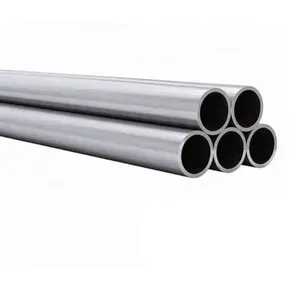 Read More

Contact Us
Recommended Products
-
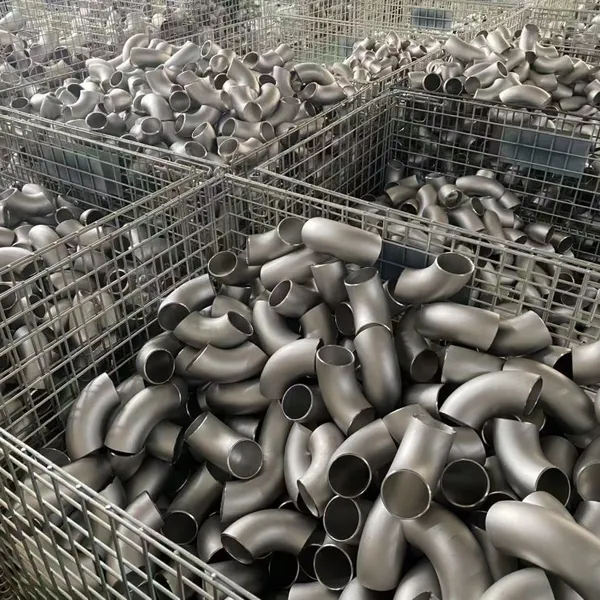
 Stainless Steel Elbow Welded Elbow 45/90/180-degree Seamless Pressed Elbow Long Radius Elbow Short Radius Elbow WholesaleNegotiableMOQ: 1 Piece
 -
316L/1.4405 Seamless Stainless Steel PipeNegotiableMOQ: 2 Meters
-
310s 440 Seamless Sanitary Piping Price 321 904l 201 20 Inch Seamless Steel Pipe A554 Stainless Steel PipeNegotiableMOQ: 1 Piece
-
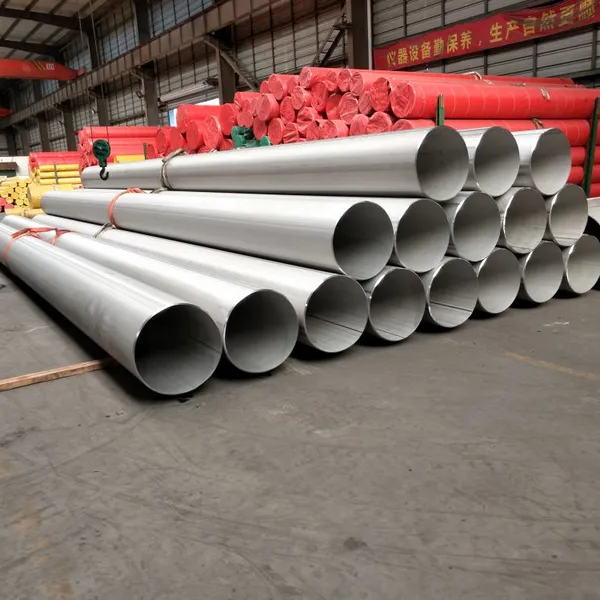
China Brand ZZ Wholesale 304L 316 316L Welded Austenitic Piping Stainless Steel Pipe SupplierNegotiableMOQ: 2 Meters
-
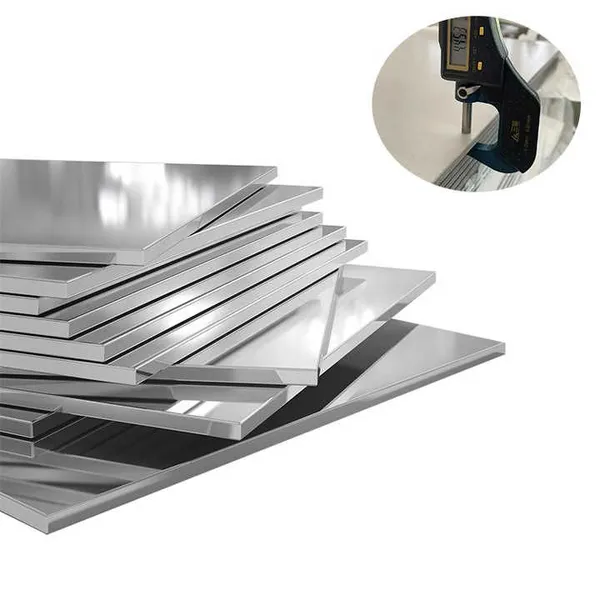
304/304L/316/409/410/904L/2205/2507/310H Premium Stainless Steel Sheets Supplier Custom Sizes & FinishesUS$ 1.72MOQ: 1 Ton
-
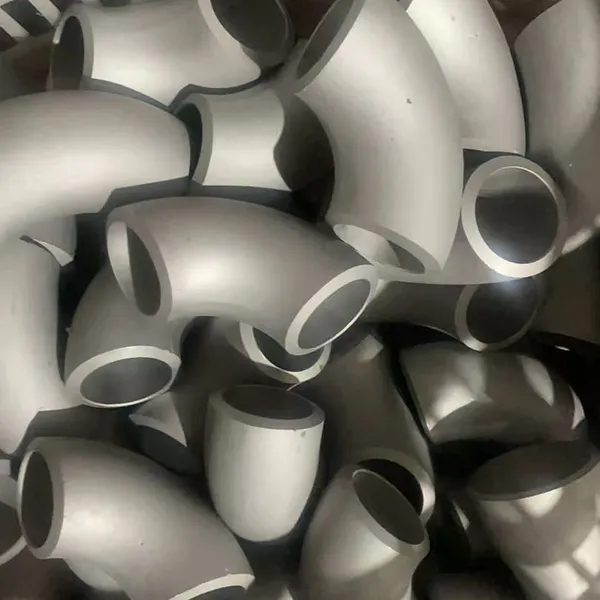
Stainless Steel ASME B16.9 Sch 45 90 Degree Pipe Fittings ElbowUS$ 8MOQ: 1 Piece
-
China Brand Zz 304L 316/316L GB En JIS Standard Thin Wall Welded Stainless Steel Water Pipe/TubeNegotiableMOQ: 2 Meters
-
BA 4 Inch 6 Inch 8 Inch 201 304 304L 316 316L Welded Seamless Stainless Steel PipeNegotiableMOQ: 2 Meters
-
ASME B36.19M-2004 SCH40S Stainless Steel Pipe - Complies With EU 3.1 CertificationUS$ 1 - 650MOQ: 1 Piece
-
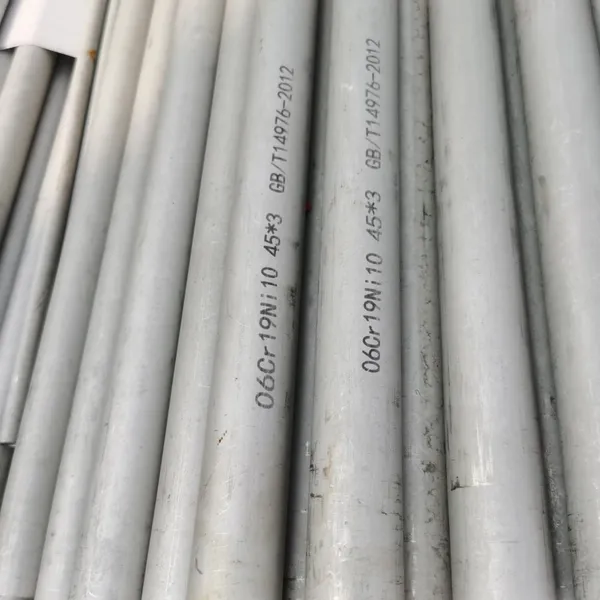
Factory TP309/TP309S/TP309H (UNS30900) Seamless Stainless Steel Pipe and Tube for Boiler BafflesUS$ 8MOQ: 200 Kilograms
-
TP347/TP347H/1.4961/S34709 Seamless Stainless Steel Pipe for UseNegotiableMOQ: 2 Meters
-
China 304 316 Stainless Steel Sanitary Welded Tube Food Grade Sanitary Grade Welded Pipe PolishingNegotiableMOQ: 1 Piece
-
China Manufacture Stainless Steel 316L Ba Seamless Welded Steel Pipe TubesUS$ 1760 - 1860MOQ: 5 Tons
-
316L/1.4405 Seamless Stainless Steel PipeNegotiableMOQ: 2 Meters
-
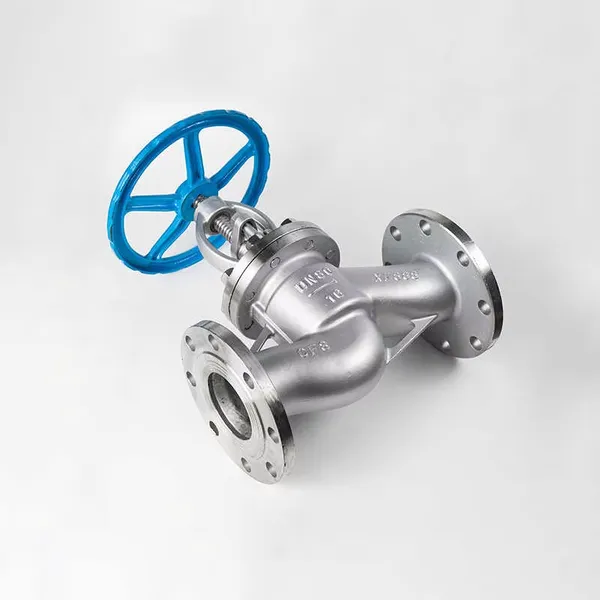
Stainless Steel Globe Valve – High Durability & Corrosion ResistanceNegotiableMOQ: 1 Piece
-
1.4529 Stainless Steel Flat Plate for Chemical Processing EquipmentUS$ 25 - 35MOQ: 1 Kilogram
-
Color Coated Steel Panels for Warehouse Partition Walls (Fireproof Grade)US$ 1 - 1.2MOQ: 50 Kilograms
-
Custom Width (600mm-1250mm) Colored Steel Coil With Scratch ResistanceUS$ 1 - 1.2MOQ: 50 Kilograms
-
0.5mm-3.0mm Colored Coated Steel Sheet With PVDF/Polyester CoatingUS$ 1 - 1.2MOQ: 50 Kilograms
-
JIS G 3322 Compliant Colored Coils With Third-Party Inspection ReportUS$ 1 - 1.2MOQ: 50 Kilograms