
 Business License

What details should be noted when performing solution treatment on duplex stainless steel pipes
Solid solution treatment of duplex stainless steel pipes requires attention to details such as temperature, holding time, and cooling rate to ensure uniform microstructure and corrosion resistance. The specific requirements are as follows:
I. Temperature Control
Precise setting of temperature range:
For conventional duplex steel (such as S32205), it should be controlled within 1050-1100℃, while for super duplex steel (such as S32750), it should be within 1100-1150℃. A temperature that is too low may lead to the retention of precipitated phases (such as σ phase), and a temperature that is too high will cause a decrease in the proportion of austenite, affecting performance.
Requirements for furnace temperature uniformity:
The temperature difference within the furnace should be ≤ ±10℃. It is recommended to use vacuum furnaces or protective atmosphere furnaces (such as nitrogen) to avoid high-temperature oxidation that causes chromium loss on the surface and affects corrosion resistance.
II. Control of Holding Time
Adjust the duration based on wall thickness:
The holding time is generally 1-2 minutes per mm of wall thickness δ (mm). For example, when δ = 10mm, the holding time should be 10-20 minutes to ensure complete dissolution of carbides and uniformity of the two-phase structure.
Avoid excessive holding time:
Exceeding the optimal time can lead to coarse grains, reduced plasticity and toughness, as well as increased energy consumption and oxidation risk.
III. Control of Cooling Rate
Rapid cooling to below the phase transformation temperature:
Rapidly cool from the solid solution temperature to below 400°C (such as water cooling or air cooling + forced air cooling) to prevent the formation of the 475°C brittleness zone (hardening due to ferrite precipitation) and σ phase (Cr-Fe intermetallic compound). The cooling rate should be ≥ 50°C/s.
Selection of cooling medium:
Thin-walled tubes (δ ≤ 5mm) can be air-cooled, while thick-walled tubes (δ > 5mm) must be water-cooled to avoid uneven cooling leading to non-uniform microstructure or stress concentration.
IV. Surface Protection and Cleaning
Preventing Oxidation and Decarburization:
Before entering the furnace, remove surface oil and scale. High-temperature anti-oxidation agents can be sprayed. If an air furnace is used, acid washing (such as a 10% hydrofluoric acid + 30% nitric acid solution) should be conducted after cooling to remove the oxide layer and restore the passive film.
Avoiding Residual Contamination:
Tooling that comes into contact with the pipe material should be made of stainless steel or ceramic to prevent iron ion contamination (such as local corrosion caused by iron filings residue).
V. Stress and Deformation Control
Optimization of loading method:
The tubes should be vertically suspended or horizontally placed on heat-resistant supports, avoiding stacking and squeezing. This prevents oval deformation due to self-weight at high temperatures. The distance between supports should be no more than 1.5 meters.
Post-cooling stress relief treatment:
For precision pipe fittings, low-temperature annealing at 200-300°C can be conducted after solution treatment to eliminate cooling stress and prevent deformation caused by stress release during subsequent processing.
VI. Performance Testing and Verification
Metallographic structure inspection:
Randomly selected samples are examined for the proportion of austenite and ferrite phases (target 45% - 55%), with no residual precipitated phases and grain size of 5 - 8 grades (ASTM standard).
Hardness test:
The hardness after solution treatment should be ≤ HB290. If it exceeds this value, the temperature or holding time should be readjusted to avoid an increased tendency towards work hardening.
Strict control of the above details can ensure that the duplex stainless steel pipe acquires a uniform two-phase structure after solution treatment, thereby enhancing its corrosion resistance and processing performance.
Recently Posted
-
Does the stainless steel welded pipe have specific temperature requirements during the solution heat
January 20, 2026Solution heat treatment involves heating stainless steel to a high temperature and then rapidly cooling it to achieve an oversatur Read More
 -
Can stainless steel welded pipes be made into thick pipes
January 20, 2026With the improvement of high-quality welding technology and increasingly strict weld inspection, the application fields of s Read More
 -
Three types of commonly available food-grade stainless steel on the market
January 20, 2026The common food-grade stainless steel pipes are mainly composed of iron, chromium and carbon and other elements. Household stainle Read More
 -
What are the requirements for stainless steel welding pipe production equipment
January 20, 2026As is well known, stainless steel welded pipes have been widely used in various industries such as machinery, chemical engineering Read More

Contact Us
Recommended Products
-
 Stainless Steel Elbow Welded Elbow 45/90/180-degree Seamless Pressed Elbow Long Radius Elbow Short Radius Elbow WholesaleNegotiableMOQ: 1 Piece
 -
316L/1.4405 Seamless Stainless Steel PipeNegotiableMOQ: 2 Meters
-
310s 440 Seamless Sanitary Piping Price 321 904l 201 20 Inch Seamless Steel Pipe A554 Stainless Steel PipeNegotiableMOQ: 1 Piece
-
China Brand ZZ Wholesale 304L 316 316L Welded Austenitic Piping Stainless Steel Pipe SupplierNegotiableMOQ: 2 Meters
-
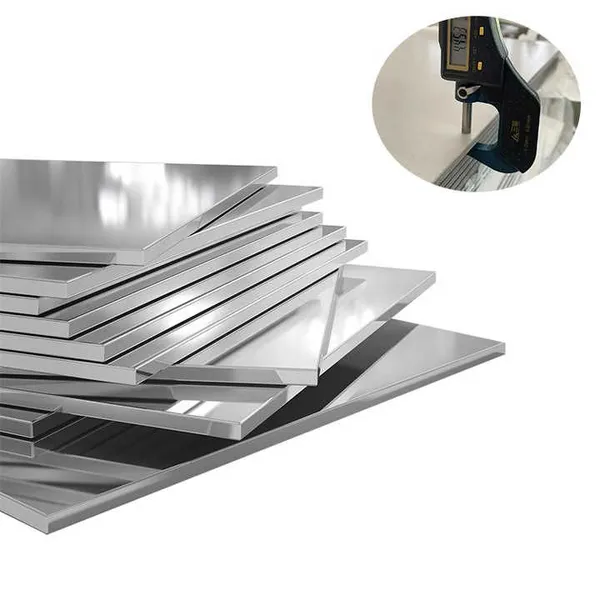
304/304L/316/409/410/904L/2205/2507/310H Premium Stainless Steel Sheets Supplier Custom Sizes & FinishesUS$ 1.72MOQ: 1 Ton
-
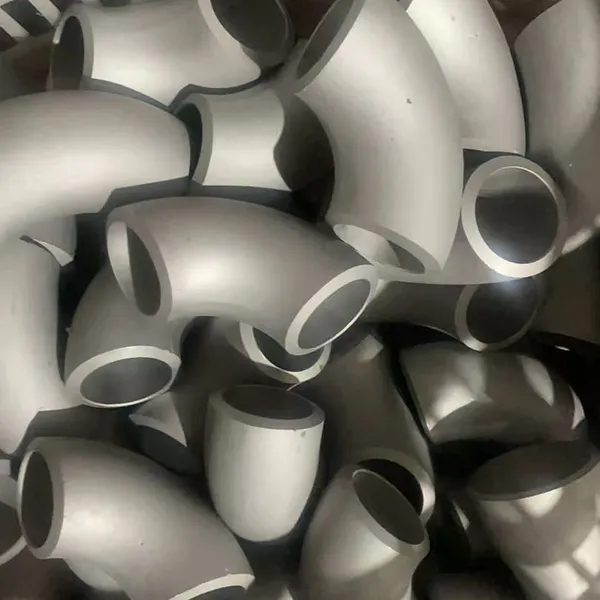
Stainless Steel ASME B16.9 Sch 45 90 Degree Pipe Fittings ElbowUS$ 8MOQ: 1 Piece
-
China Brand Zz 304L 316/316L GB En JIS Standard Thin Wall Welded Stainless Steel Water Pipe/TubeNegotiableMOQ: 2 Meters
-
BA 4 Inch 6 Inch 8 Inch 201 304 304L 316 316L Welded Seamless Stainless Steel PipeNegotiableMOQ: 2 Meters
-
ASME B36.19M-2004 SCH40S Stainless Steel Pipe - Complies With EU 3.1 CertificationUS$ 1 - 650MOQ: 1 Piece
-
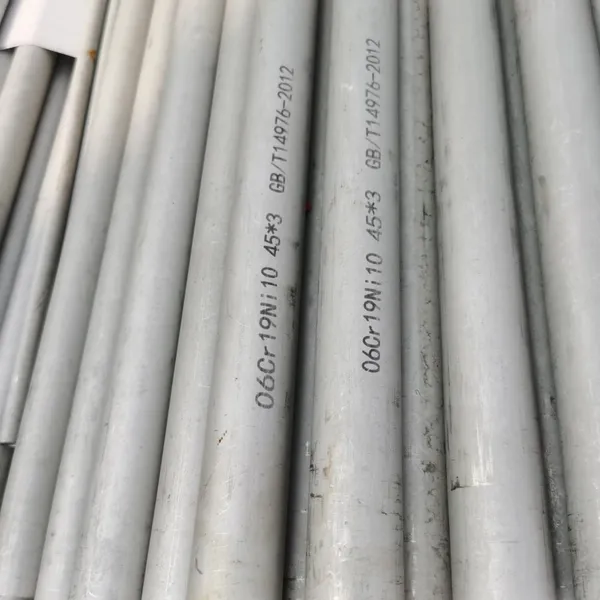
Factory TP309/TP309S/TP309H (UNS30900) Seamless Stainless Steel Pipe and Tube for Boiler BafflesUS$ 8MOQ: 200 Kilograms
-
TP347/TP347H/1.4961/S34709 Seamless Stainless Steel Pipe for UseNegotiableMOQ: 2 Meters
-
China 304 316 Stainless Steel Sanitary Welded Tube Food Grade Sanitary Grade Welded Pipe PolishingNegotiableMOQ: 1 Piece
-
China Manufacture Stainless Steel 316L Ba Seamless Welded Steel Pipe TubesUS$ 1760 - 1860MOQ: 5 Tons
-
316L/1.4405 Seamless Stainless Steel PipeNegotiableMOQ: 2 Meters
-
Stainless Steel Globe Valve – High Durability & Corrosion ResistanceNegotiableMOQ: 1 Piece
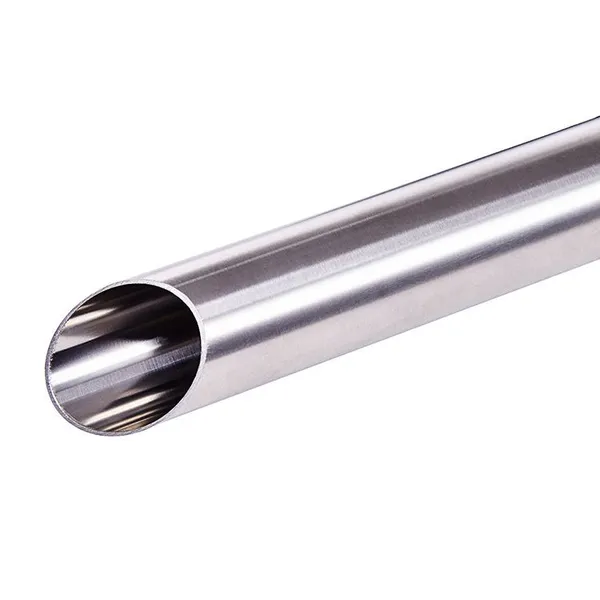
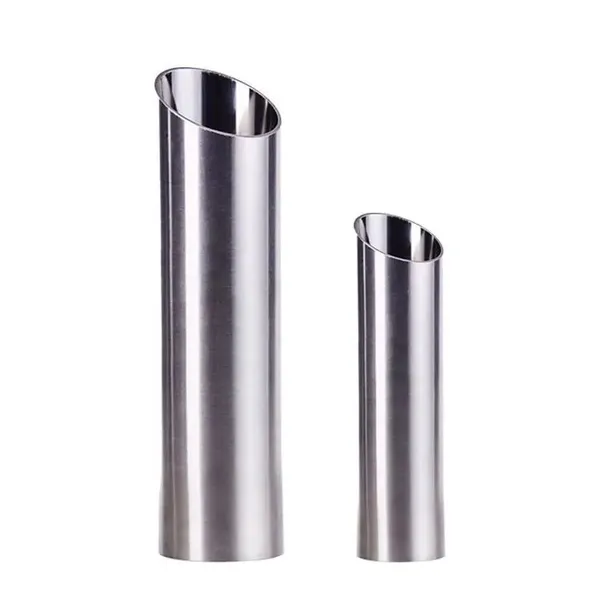
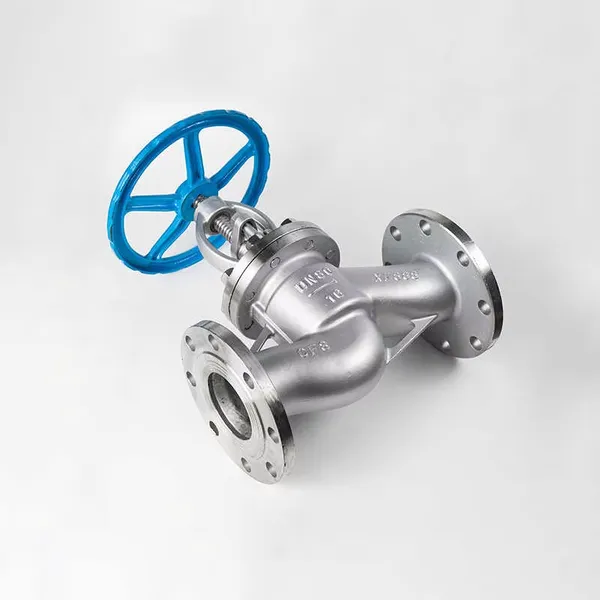
-
1.4529 Stainless Steel Flat Plate for Chemical Processing EquipmentUS$ 25 - 35MOQ: 1 Kilogram
-
Color Coated Steel Panels for Warehouse Partition Walls (Fireproof Grade)US$ 1 - 1.2MOQ: 50 Kilograms
-
Custom Width (600mm-1250mm) Colored Steel Coil With Scratch ResistanceUS$ 1 - 1.2MOQ: 50 Kilograms
-
0.5mm-3.0mm Colored Coated Steel Sheet With PVDF/Polyester CoatingUS$ 1 - 1.2MOQ: 50 Kilograms
-
JIS G 3322 Compliant Colored Coils With Third-Party Inspection ReportUS$ 1 - 1.2MOQ: 50 Kilograms