
 Business License

Will the degreasing treatment have an impact on the performance of stainless steel welded pipes
The influence of degreasing treatment on the performance of stainless steel welded pipes needs to be analyzed based on the process principle. The following are the specific impacts and differences:
1. Chemical degreasing performance impact
Corrosion resistance: Under normal process conditions (weak alkaline solution with pH ≤ 10 and temperature <60°C), the degreasing process does not damage the passivation film, and the salt spray test (5% NaCl solution) lasts for ≥ 500 hours without rust; if the reagent residue exists, it may cause local pitting corrosion.
Mechanical properties: Without mechanical external force, the tensile strength (σb) and elongation (δ) are consistent with the base material (such as 304 steel σb ≥ 520 MPa), and there is no risk of stress concentration.
Welding compatibility: The surface cleanliness is high (oil residue ≤ 5mg/m²), the porosity of the weld bead is reduced to <1%, and the uniformity of the weld penetration is improved.
II. Performance Impact of Mechanical Degreasing
Corrosion Resistance: Abrasive blasting (with abrasive hardness > HV400) may damage the surface passivation film, and the salt spray test's corrosion resistance time is shortened by 10%-20%; subsequent passivation treatment (such as nitric acid passivation) is required to restore the film layer.
Mechanical Properties: Mechanical friction may cause surface hardening (hardness increases by 10-15HV), thin-walled tubes (with wall thickness <1mm) may develop microcracks, affecting fatigue strength (life decreases by 5%-10% under cyclic loading).
Welding Compatibility: Increased surface roughness (Ra > 1.6μm), residual flux is prone to remain, which may cause slag inclusion in the weld seam; secondary cleaning (such as ultrasonic water washing) is required.
III. Key Performance Comparison Table
Chemical degreasing (standard operation)
Salt spray resistance: No rust for 500-800 hours
Surface hardness: Consistent with the base material (HV150-200)
Welding porosity rate: <1%
Fatigue strength (10⁶ cycles): σa = 210 MPa (for 304 steel)
Mechanical degreasing (conventional sandblasting)
Salt spray resistance: 400-600 hours (requires passivation)
Surface hardness: Local HV170-230 (hardened layer depth 5-10 μm)
Weld porosity rate: 1.5%-3% (requires pre-treatment)
Fatigue strength (10⁶ cycles): σa = 190-200 MPa (304 steel)
IV. Process Selection Suggestions
For high corrosion resistance scenarios (such as in healthcare and food industries): Chemical degreasing must be performed, and the residual chemicals must be verified (electrical conductivity detection ≤ 10 μS/cm);
For components subjected to dynamic loads: Avoid mechanical degreasing to prevent surface hardening that leads to stress concentration;
For workpieces that require subsequent passivation treatment: Mechanical degreasing can be prioritized (with high efficiency in removing heavy oil stains), but an additional passivation step is necessary to restore corrosion resistance.
Recently Posted
-
Does the stainless steel welded pipe have specific temperature requirements during the solution heat
January 20, 2026Solution heat treatment involves heating stainless steel to a high temperature and then rapidly cooling it to achieve an oversatur Read More
 -
Can stainless steel welded pipes be made into thick pipes
January 20, 2026With the improvement of high-quality welding technology and increasingly strict weld inspection, the application fields of s Read More
 -
Three types of commonly available food-grade stainless steel on the market
January 20, 2026The common food-grade stainless steel pipes are mainly composed of iron, chromium and carbon and other elements. Household stainle Read More
 -
What are the requirements for stainless steel welding pipe production equipment
January 20, 2026As is well known, stainless steel welded pipes have been widely used in various industries such as machinery, chemical engineering Read More

Contact Us
Recommended Products
-
 Stainless Steel Elbow Welded Elbow 45/90/180-degree Seamless Pressed Elbow Long Radius Elbow Short Radius Elbow WholesaleNegotiableMOQ: 1 Piece
 -
316L/1.4405 Seamless Stainless Steel PipeNegotiableMOQ: 2 Meters
-
310s 440 Seamless Sanitary Piping Price 321 904l 201 20 Inch Seamless Steel Pipe A554 Stainless Steel PipeNegotiableMOQ: 1 Piece
-
China Brand ZZ Wholesale 304L 316 316L Welded Austenitic Piping Stainless Steel Pipe SupplierNegotiableMOQ: 2 Meters
-
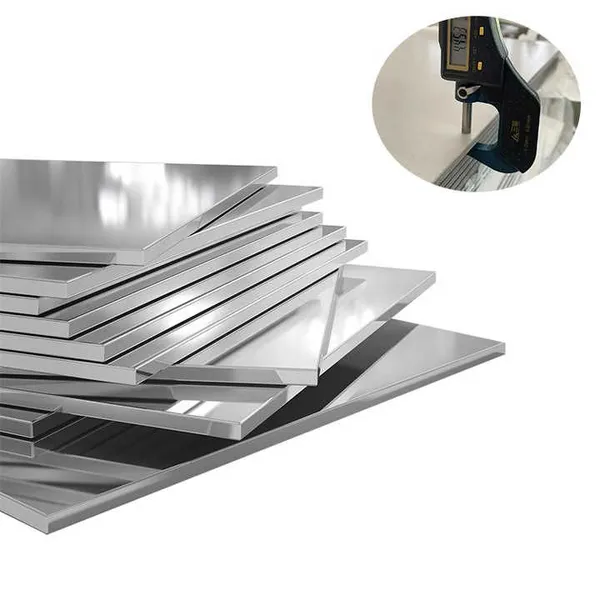
304/304L/316/409/410/904L/2205/2507/310H Premium Stainless Steel Sheets Supplier Custom Sizes & FinishesUS$ 1.72MOQ: 1 Ton
-
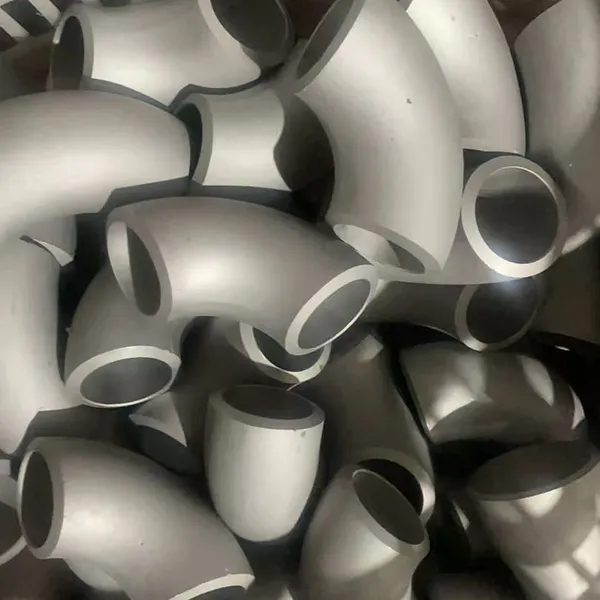
Stainless Steel ASME B16.9 Sch 45 90 Degree Pipe Fittings ElbowUS$ 8MOQ: 1 Piece
-
China Brand Zz 304L 316/316L GB En JIS Standard Thin Wall Welded Stainless Steel Water Pipe/TubeNegotiableMOQ: 2 Meters
-
BA 4 Inch 6 Inch 8 Inch 201 304 304L 316 316L Welded Seamless Stainless Steel PipeNegotiableMOQ: 2 Meters
-
ASME B36.19M-2004 SCH40S Stainless Steel Pipe - Complies With EU 3.1 CertificationUS$ 1 - 650MOQ: 1 Piece
-
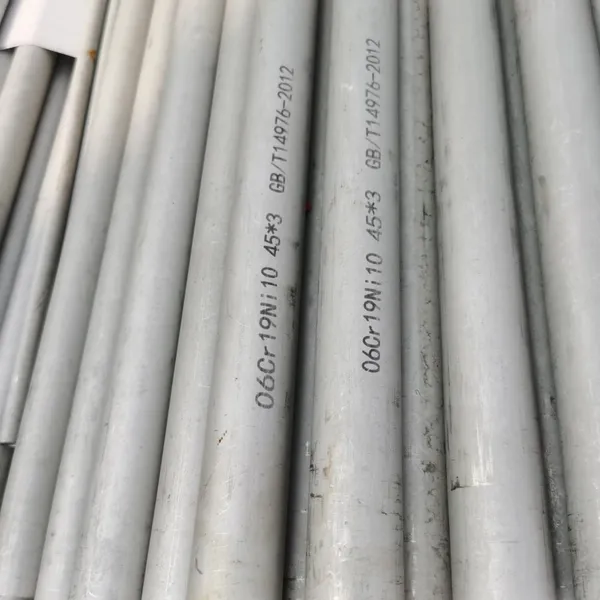
Factory TP309/TP309S/TP309H (UNS30900) Seamless Stainless Steel Pipe and Tube for Boiler BafflesUS$ 8MOQ: 200 Kilograms
-
TP347/TP347H/1.4961/S34709 Seamless Stainless Steel Pipe for UseNegotiableMOQ: 2 Meters
-
China 304 316 Stainless Steel Sanitary Welded Tube Food Grade Sanitary Grade Welded Pipe PolishingNegotiableMOQ: 1 Piece
-
China Manufacture Stainless Steel 316L Ba Seamless Welded Steel Pipe TubesUS$ 1760 - 1860MOQ: 5 Tons
-
316L/1.4405 Seamless Stainless Steel PipeNegotiableMOQ: 2 Meters
-
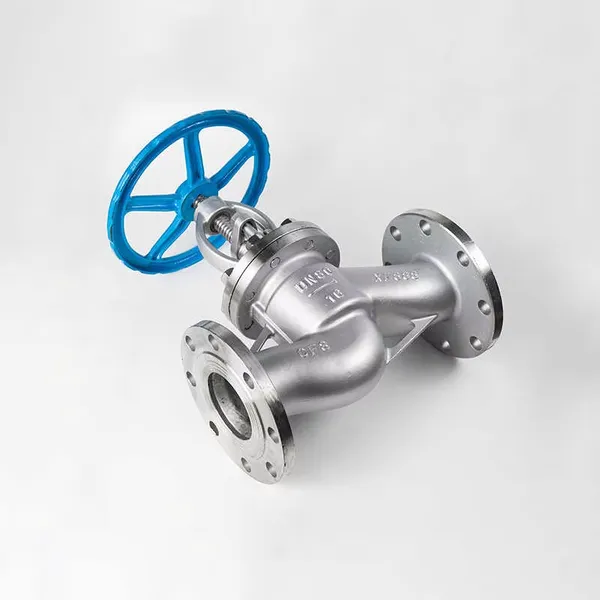
Stainless Steel Globe Valve – High Durability & Corrosion ResistanceNegotiableMOQ: 1 Piece
-
1.4529 Stainless Steel Flat Plate for Chemical Processing EquipmentUS$ 25 - 35MOQ: 1 Kilogram
-
Color Coated Steel Panels for Warehouse Partition Walls (Fireproof Grade)US$ 1 - 1.2MOQ: 50 Kilograms
-
Custom Width (600mm-1250mm) Colored Steel Coil With Scratch ResistanceUS$ 1 - 1.2MOQ: 50 Kilograms
-
0.5mm-3.0mm Colored Coated Steel Sheet With PVDF/Polyester CoatingUS$ 1 - 1.2MOQ: 50 Kilograms
-
JIS G 3322 Compliant Colored Coils With Third-Party Inspection ReportUS$ 1 - 1.2MOQ: 50 Kilograms