
 Business License

How to improve the usage environment of 316L stainless steel pipes to prevent stress corrosion crack
To improve the usage environment of 316L stainless steel pipes and prevent stress corrosion cracking (SCC), measures should be taken from three aspects: controlling stress, medium corrosion factors, and temperature. The specific measures are as follows:
1. Reduce stress levels
Optimize design and processing: Avoid stress concentration (such as reducing right-angle and sharp-angled structures), and adopt smooth transitions; Perform stress-relieving annealing after cold processing (holding at approximately 300-350°C for a while and then cooling slowly) to eliminate processing residual stress.
Reasonable installation and fixation: Avoid forced assembly for pipeline layout, use flexible connections (such as expansion joints) to reduce thermal stress; Set the spacing of fixed supports reasonably to avoid fatigue stress induced by vibration.
2. Control corrosive media
Reduce harmful ions such as Cl⁻ and O₂:
Avoid contact with seawater, salt fog or solutions containing chlorides. If avoidance is not possible, the concentration of Cl⁻ in the medium should be kept below 25 ppm and the O₂ content below 1 ppm.
Regularly clean the pipes to remove deposits (such as concentrated FeCl₃, MgCl₂, etc.), and use neutral cleaning agents (pH = 6.5 - 7.5).
Adjust the pH value of the medium: Maintain a weakly alkaline medium (pH ≥ 9) to inhibit anode dissolution reactions. This can be achieved by adding corrosion inhibitors (such as nitrates, chromates) or neutralizing agents (such as NaOH).
3. Temperature Control Range
Avoid sensitive temperature intervals: 316L is susceptible to Cl⁻ stress corrosion within the temperature range of 50 to 150℃. It is advisable to keep the medium temperature below 50℃ or above 150℃ (this should be determined based on specific operating conditions).
Cooling or insulation measures: In high-temperature environments, add a cooling system (such as jacket water cooling). In low-temperature scenarios, prevent condensation from causing Cl⁻ concentration.
4. Auxiliary protective measures
Surface protection: Apply corrosion-resistant coatings (such as epoxy resin, polytetrafluoroethylene) to isolate the medium from the metal surface; adopt electrochemical protection (cathodic protection) to reduce the metal's potential to the non-active zone.
Regular monitoring and maintenance: Use ultrasonic testing (UT) or eddy current testing (ET) to detect micro-cracks, with a particular focus on welds, elbows, and other vulnerable corrosion areas; in case of corrosion signs, replace or repair promptly.
Key logic: The SCC resistance of 316L must simultaneously meet the requirements of "tensile stress + corrosive medium (such as Cl⁻) + sensitive temperature". Removing any one of these elements can effectively prevent it. In practical applications, a comprehensive approach should be adopted based on the specific working conditions, with a priority given to controlling the medium and eliminating the stress.
Recently Posted
-
Does the stainless steel welded pipe have specific temperature requirements during the solution heat
January 20, 2026Solution heat treatment involves heating stainless steel to a high temperature and then rapidly cooling it to achieve an oversatur Read More
 -
Can stainless steel welded pipes be made into thick pipes
January 20, 2026With the improvement of high-quality welding technology and increasingly strict weld inspection, the application fields of s Read More
 -
Three types of commonly available food-grade stainless steel on the market
January 20, 2026The common food-grade stainless steel pipes are mainly composed of iron, chromium and carbon and other elements. Household stainle Read More
 -
What are the requirements for stainless steel welding pipe production equipment
January 20, 2026As is well known, stainless steel welded pipes have been widely used in various industries such as machinery, chemical engineering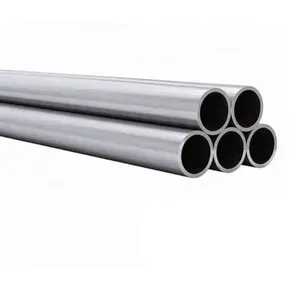 Read More

Contact Us
Recommended Products
-
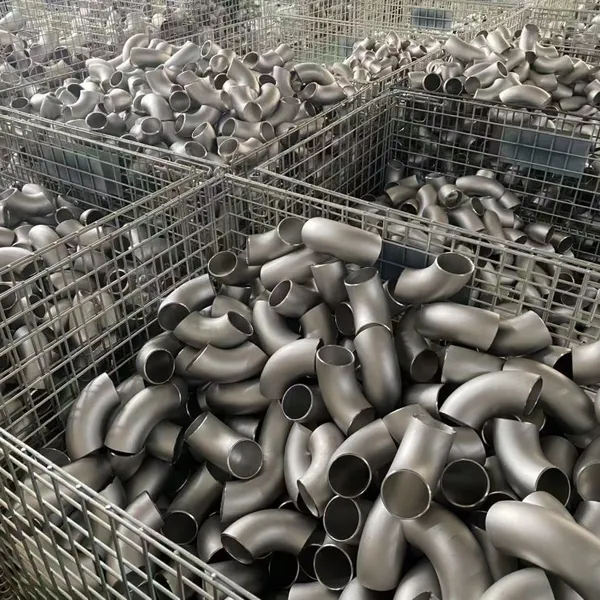
 Stainless Steel Elbow Welded Elbow 45/90/180-degree Seamless Pressed Elbow Long Radius Elbow Short Radius Elbow WholesaleNegotiableMOQ: 1 Piece
 -
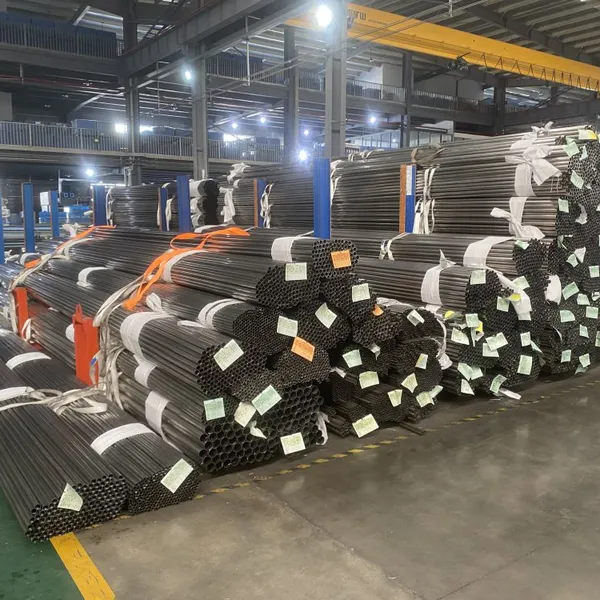
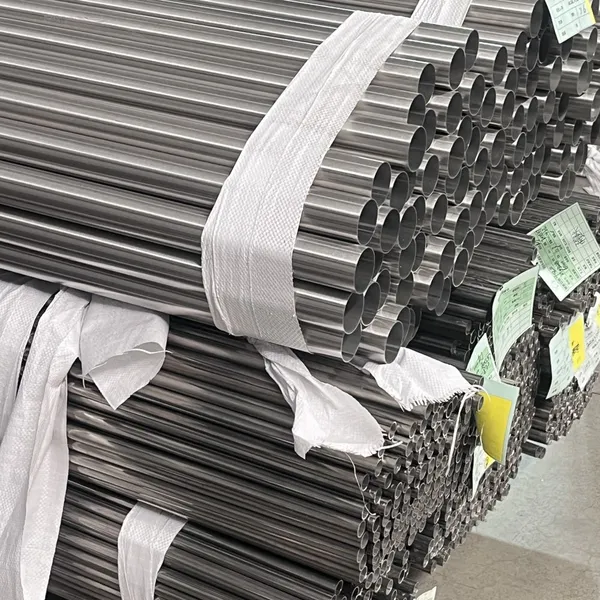
316L/1.4405 Seamless Stainless Steel PipeNegotiableMOQ: 2 Meters
-
310s 440 Seamless Sanitary Piping Price 321 904l 201 20 Inch Seamless Steel Pipe A554 Stainless Steel PipeNegotiableMOQ: 1 Piece
-
China Brand ZZ Wholesale 304L 316 316L Welded Austenitic Piping Stainless Steel Pipe SupplierNegotiableMOQ: 2 Meters
-
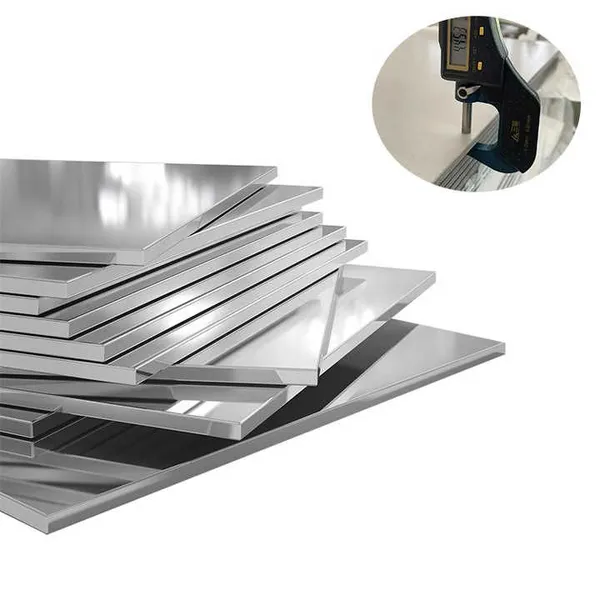
304/304L/316/409/410/904L/2205/2507/310H Premium Stainless Steel Sheets Supplier Custom Sizes & FinishesUS$ 1.72MOQ: 1 Ton
-
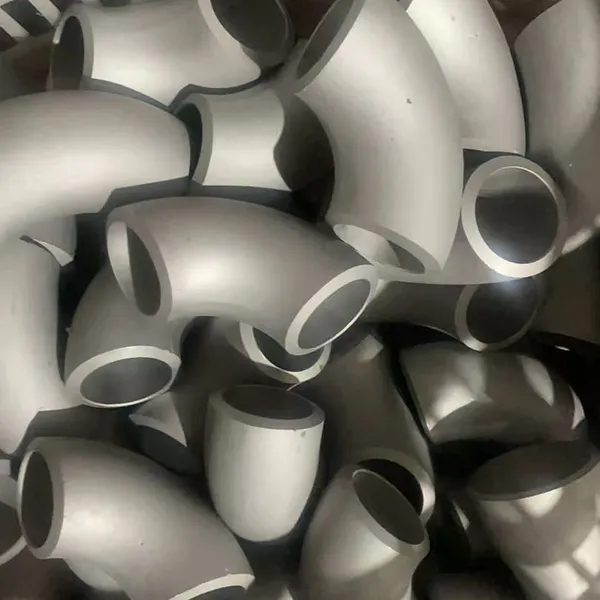
Stainless Steel ASME B16.9 Sch 45 90 Degree Pipe Fittings ElbowUS$ 8MOQ: 1 Piece
-
China Brand Zz 304L 316/316L GB En JIS Standard Thin Wall Welded Stainless Steel Water Pipe/TubeNegotiableMOQ: 2 Meters
-
BA 4 Inch 6 Inch 8 Inch 201 304 304L 316 316L Welded Seamless Stainless Steel PipeNegotiableMOQ: 2 Meters
-
ASME B36.19M-2004 SCH40S Stainless Steel Pipe - Complies With EU 3.1 CertificationUS$ 1 - 650MOQ: 1 Piece
-
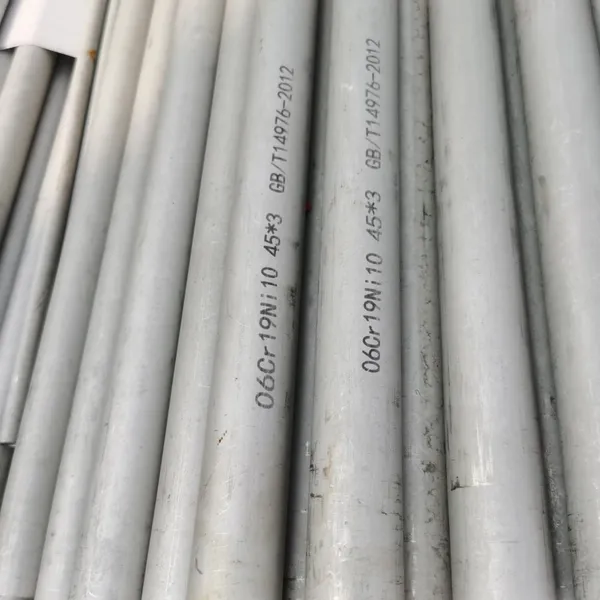
Factory TP309/TP309S/TP309H (UNS30900) Seamless Stainless Steel Pipe and Tube for Boiler BafflesUS$ 8MOQ: 200 Kilograms
-
TP347/TP347H/1.4961/S34709 Seamless Stainless Steel Pipe for UseNegotiableMOQ: 2 Meters
-
China 304 316 Stainless Steel Sanitary Welded Tube Food Grade Sanitary Grade Welded Pipe PolishingNegotiableMOQ: 1 Piece
-
China Manufacture Stainless Steel 316L Ba Seamless Welded Steel Pipe TubesUS$ 1760 - 1860MOQ: 5 Tons
-
316L/1.4405 Seamless Stainless Steel PipeNegotiableMOQ: 2 Meters
-
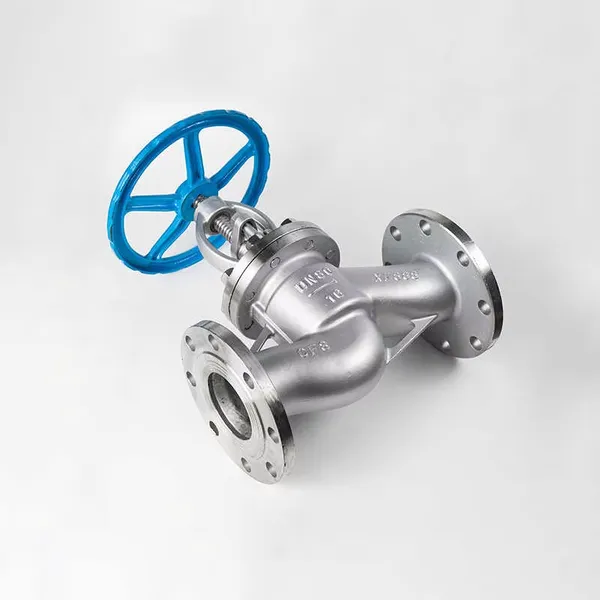
Stainless Steel Globe Valve – High Durability & Corrosion ResistanceNegotiableMOQ: 1 Piece
-
1.4529 Stainless Steel Flat Plate for Chemical Processing EquipmentUS$ 25 - 35MOQ: 1 Kilogram
-
Color Coated Steel Panels for Warehouse Partition Walls (Fireproof Grade)US$ 1 - 1.2MOQ: 50 Kilograms
-
Custom Width (600mm-1250mm) Colored Steel Coil With Scratch ResistanceUS$ 1 - 1.2MOQ: 50 Kilograms
-
0.5mm-3.0mm Colored Coated Steel Sheet With PVDF/Polyester CoatingUS$ 1 - 1.2MOQ: 50 Kilograms
-
JIS G 3322 Compliant Colored Coils With Third-Party Inspection ReportUS$ 1 - 1.2MOQ: 50 Kilograms