
 Business License

The principle and influencing factors of the high-temperature color change on the surface of stainle
The surface oxide film of stainless steel welded pipes is actually a five-color transparent film. Its color variation is influenced by the principle of light interference. During light interference, which color is actually displayed mainly depends on the change in the thickness of the surface oxide film. Therefore, the oxidation resistance of 304 stainless steel pipes is an effective method to solve their color change at high temperatures.
The factors influencing oxidation resistance mainly include the influence of chemical elements, the influence of the oxide film, and the influence of surface roughness.
1. Chemical element
The carbon content in 304 tubes is relatively low. In high-temperature environments, carbon atoms are prone to diffuse into the stainless steel matrix structure during the oxidation process. Therefore, the oxidation process of the tube also involves the carbon diffusion process.
Therefore, the test can be conducted on steels with different contents of chromium, silicon, and nickel for high-temperature cycling experiments. After the test, the increase ratio of carbon content in various types of steel will be measured, and the degree of oxidation of the materials will be judged based on the carbonizing amount.
In order to deeply verify the influence of silicon element on the carburization resistance performance of stainless steel products tubes, only the proportion of silicon element was adjusted in 310S, and then a high-temperature cycling test was conducted. The final test results showed that when the mass fraction of chromium element was increased to above 22% or the mass fraction of silicon element was increased by more than 2%, the high-temperature oxidation resistance performance of the steel tubes significantly improved.
2. Oxide Film Impact
The superficial tough oxide film can prevent the oxidizing agent from penetrating into the stainless steel matrix, that is, it can prevent the oxidation from continuing to occur. However, the loose oxide film will cause the oxide film to continue to thicken. In a continuous production line, a forced oxidation operation is carried out on stainless steel pipes using the continuous pickling method to enhance the density of the oxide film.
3. Surface Roughness Impact
In a high-temperature environment, the oxidation of 304 stainless steel pipes will thicken the surface oxide film. This situation is directly related to the material's own oxidation resistance and its heat absorption capacity. Surface roughness, surface reflectance, etc. will affect the heat absorption per unit area of the pipe and thus influence the degree of color change.
Practice has shown that when the surface roughness of the thin-walled stainless steel pipe is lower than 0.022 μm, its heat absorption capacity significantly decreases. The pipe will not further oxidize, and the thickness of the oxide film in a high-temperature environment remains basically unchanged, with a very slight color change.
Recently Posted
-
Does the stainless steel welded pipe have specific temperature requirements during the solution heat
January 20, 2026Solution heat treatment involves heating stainless steel to a high temperature and then rapidly cooling it to achieve an oversatur Read More
 -
Can stainless steel welded pipes be made into thick pipes
January 20, 2026With the improvement of high-quality welding technology and increasingly strict weld inspection, the application fields of s Read More
 -
Three types of commonly available food-grade stainless steel on the market
January 20, 2026The common food-grade stainless steel pipes are mainly composed of iron, chromium and carbon and other elements. Household stainle Read More
 -
What are the requirements for stainless steel welding pipe production equipment
January 20, 2026As is well known, stainless steel welded pipes have been widely used in various industries such as machinery, chemical engineering Read More

Contact Us
Recommended Products
-
 Stainless Steel Elbow Welded Elbow 45/90/180-degree Seamless Pressed Elbow Long Radius Elbow Short Radius Elbow WholesaleNegotiableMOQ: 1 Piece
 -
316L/1.4405 Seamless Stainless Steel PipeNegotiableMOQ: 2 Meters
-
310s 440 Seamless Sanitary Piping Price 321 904l 201 20 Inch Seamless Steel Pipe A554 Stainless Steel PipeNegotiableMOQ: 1 Piece
-
China Brand ZZ Wholesale 304L 316 316L Welded Austenitic Piping Stainless Steel Pipe SupplierNegotiableMOQ: 2 Meters
-
304/304L/316/409/410/904L/2205/2507/310H Premium Stainless Steel Sheets Supplier Custom Sizes & FinishesUS$ 1.72MOQ: 1 Ton
-
Stainless Steel ASME B16.9 Sch 45 90 Degree Pipe Fittings ElbowUS$ 8MOQ: 1 Piece
-
China Brand Zz 304L 316/316L GB En JIS Standard Thin Wall Welded Stainless Steel Water Pipe/TubeNegotiableMOQ: 2 Meters
-
BA 4 Inch 6 Inch 8 Inch 201 304 304L 316 316L Welded Seamless Stainless Steel PipeNegotiableMOQ: 2 Meters
-
ASME B36.19M-2004 SCH40S Stainless Steel Pipe - Complies With EU 3.1 CertificationUS$ 1 - 650MOQ: 1 Piece
-
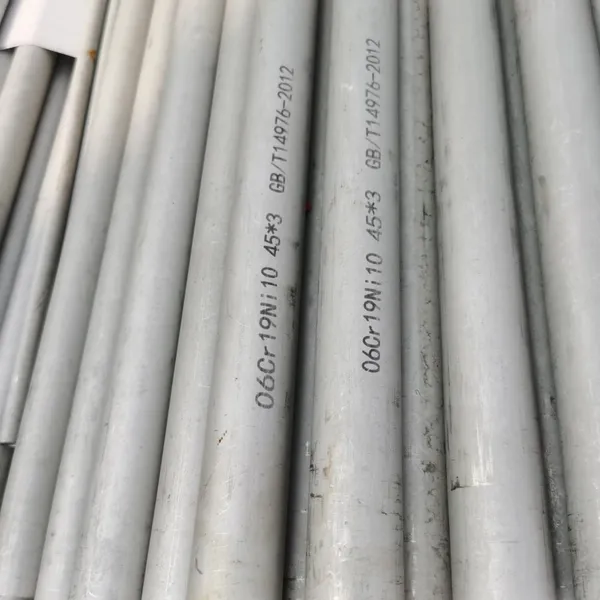
Factory TP309/TP309S/TP309H (UNS30900) Seamless Stainless Steel Pipe and Tube for Boiler BafflesUS$ 8MOQ: 200 Kilograms
-
TP347/TP347H/1.4961/S34709 Seamless Stainless Steel Pipe for UseNegotiableMOQ: 2 Meters
-
China 304 316 Stainless Steel Sanitary Welded Tube Food Grade Sanitary Grade Welded Pipe PolishingNegotiableMOQ: 1 Piece
-
China Manufacture Stainless Steel 316L Ba Seamless Welded Steel Pipe TubesUS$ 1760 - 1860MOQ: 5 Tons
-
316L/1.4405 Seamless Stainless Steel PipeNegotiableMOQ: 2 Meters
-
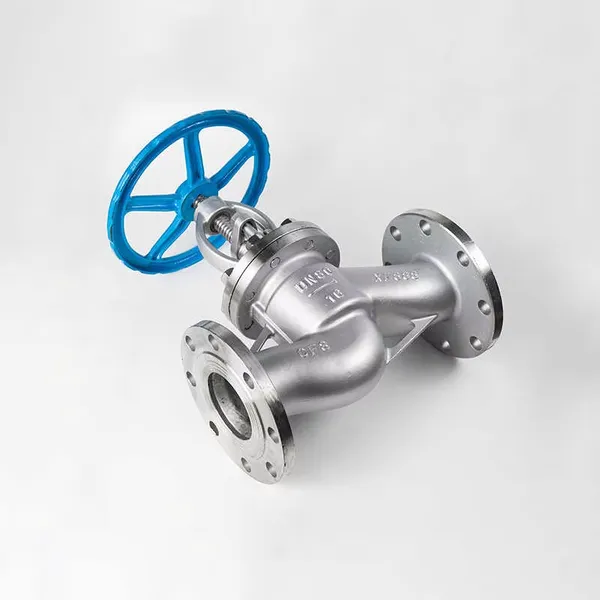
Stainless Steel Globe Valve – High Durability & Corrosion ResistanceNegotiableMOQ: 1 Piece
-
1.4529 Stainless Steel Flat Plate for Chemical Processing EquipmentUS$ 25 - 35MOQ: 1 Kilogram
-
Color Coated Steel Panels for Warehouse Partition Walls (Fireproof Grade)US$ 1 - 1.2MOQ: 50 Kilograms
-
Custom Width (600mm-1250mm) Colored Steel Coil With Scratch ResistanceUS$ 1 - 1.2MOQ: 50 Kilograms
-
0.5mm-3.0mm Colored Coated Steel Sheet With PVDF/Polyester CoatingUS$ 1 - 1.2MOQ: 50 Kilograms
-
JIS G 3322 Compliant Colored Coils With Third-Party Inspection ReportUS$ 1 - 1.2MOQ: 50 Kilograms