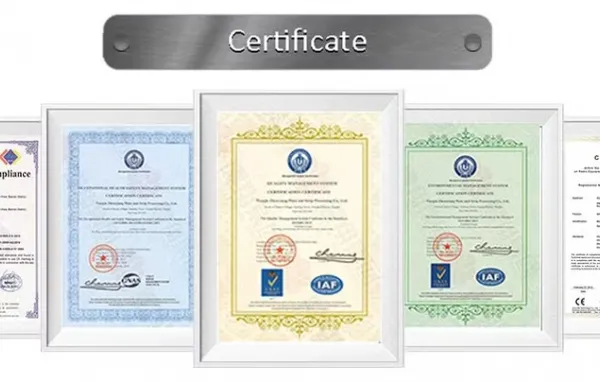

 Business License

Why are water pipes and pipelines always made of stainless steel
1. Health and Environmental Protection
Stainless steel materials, as environmentally friendly and hygienic materials of the 21st century, have had many successful application records in manufacturing water pipes in developed countries for many years.
Stainless steel pipes can be 100% recycled, while ABS and PPR pipes cannot be 100% recycled.
2. Corrosion-resistant and long service life
It can avoid the problem of yellow stains on water basins and bathtubs caused by pipe corrosion. Cast iron pipes are prone to corrosion and rusting, have a short service life, and pipe corrosion and scaling are likely to cause blockages.
Under the long-term continuous working pressure as stipulated, the cast iron pipes with a lifespan of up to 100 years are prone to corrosion and rusting, resulting in a short service life. The lifespan of PPR is less than one quarter of that of stainless steel.
3. Thermal expansion coefficient, tensile strength
Stainless steel pipes are one fourth the size of other plastic pipes. The excessively high expansion coefficient can cause water leakage in the pipes when the environmental temperature changes.
The tensile strength of stainless steel pipes is ≥ 530, while that of plastic pipes is ≥ 49. The strength of plastic products is only 9.2% of that of stainless steel. Insufficient strength is one of the factors causing water pipes to leak under external force.
4. Attractive appearance and convenient connection
The inner and outer walls of the product are smooth, resulting in low fluid resistance and a soft color. The design is beautiful. Cast iron pipes are prone to rust and are not aesthetically pleasing.
Stainless steel pipes are connected by compression fitting, which is cost-effective, fast, simple to operate, and safe and reliable. ABS pipes are bonded using ABS resin; while cast iron metal pipes are generally connected by thread, which is prone to leakage. Other stainless steel pipes are connected by welding, which is costly and takes a long time to install.
5. No aging, resistant to high temperatures
The stainless steel pipes show no signs of aging, while the plastic pipes deteriorate severely when exposed to light.
The maximum operating temperature of thin-walled stainless steel pipes can reach above 120℃, and the minimum temperature can reach -20℃. The heat distortion temperature of ABS pipe materials is 80℃. Plastic pipe materials are not resistant to high temperatures and will produce toxic gases when burned.
Recently Posted
-
Does the stainless steel welded pipe have specific temperature requirements during the solution heat
January 20, 2026Solution heat treatment involves heating stainless steel to a high temperature and then rapidly cooling it to achieve an oversatur Read More
 -
Can stainless steel welded pipes be made into thick pipes
January 20, 2026With the improvement of high-quality welding technology and increasingly strict weld inspection, the application fields of s Read More
 -
Three types of commonly available food-grade stainless steel on the market
January 20, 2026The common food-grade stainless steel pipes are mainly composed of iron, chromium and carbon and other elements. Household stainle Read More
 -
What are the requirements for stainless steel welding pipe production equipment
January 20, 2026As is well known, stainless steel welded pipes have been widely used in various industries such as machinery, chemical engineering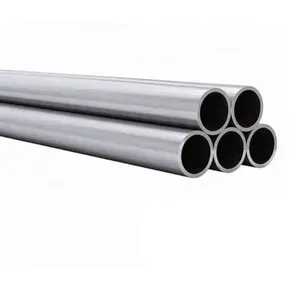 Read More

Contact Us
Recommended Products
-
 Stainless Steel Elbow Welded Elbow 45/90/180-degree Seamless Pressed Elbow Long Radius Elbow Short Radius Elbow WholesaleNegotiableMOQ: 1 Piece
 -
316L/1.4405 Seamless Stainless Steel PipeNegotiableMOQ: 2 Meters
-
310s 440 Seamless Sanitary Piping Price 321 904l 201 20 Inch Seamless Steel Pipe A554 Stainless Steel PipeNegotiableMOQ: 1 Piece
-
China Brand ZZ Wholesale 304L 316 316L Welded Austenitic Piping Stainless Steel Pipe SupplierNegotiableMOQ: 2 Meters
-
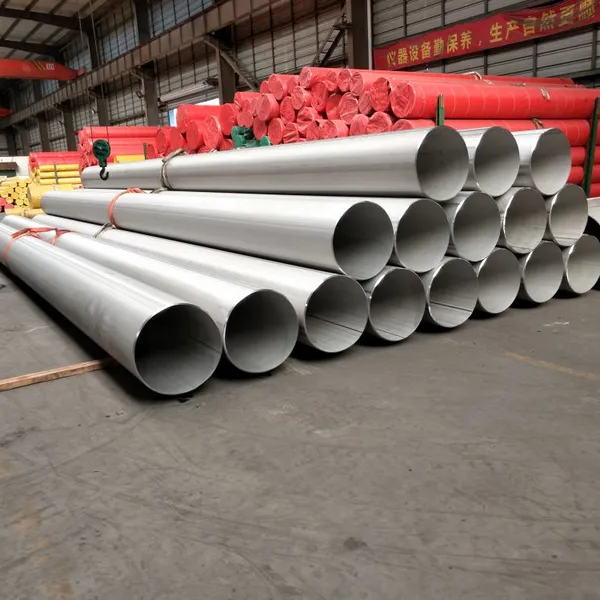
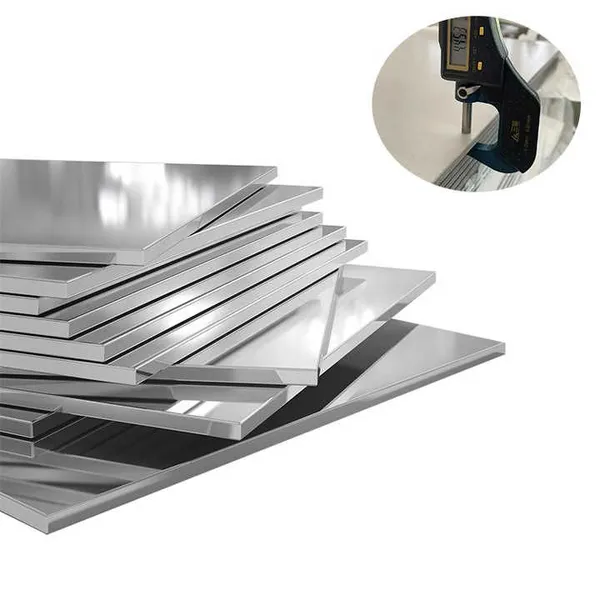
304/304L/316/409/410/904L/2205/2507/310H Premium Stainless Steel Sheets Supplier Custom Sizes & FinishesUS$ 1.72MOQ: 1 Ton
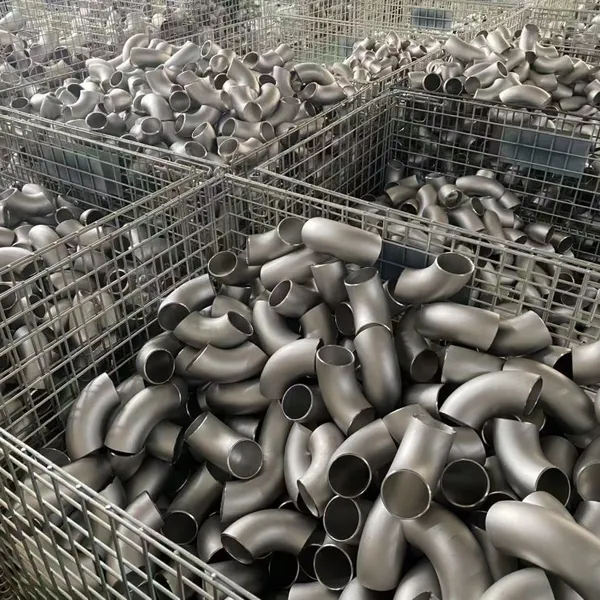
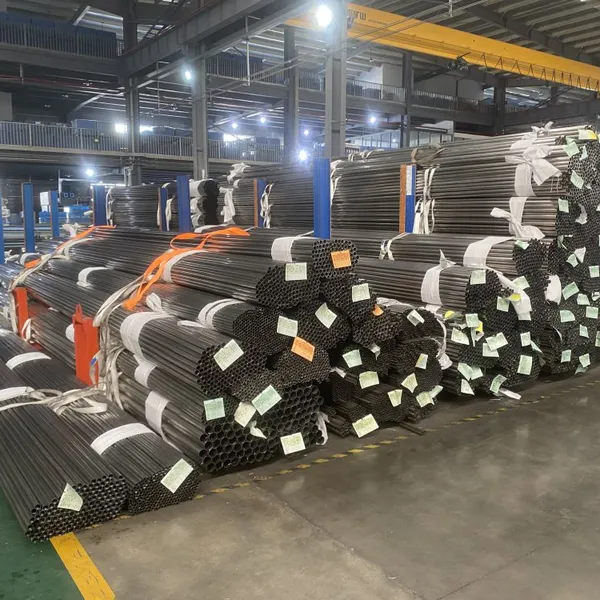
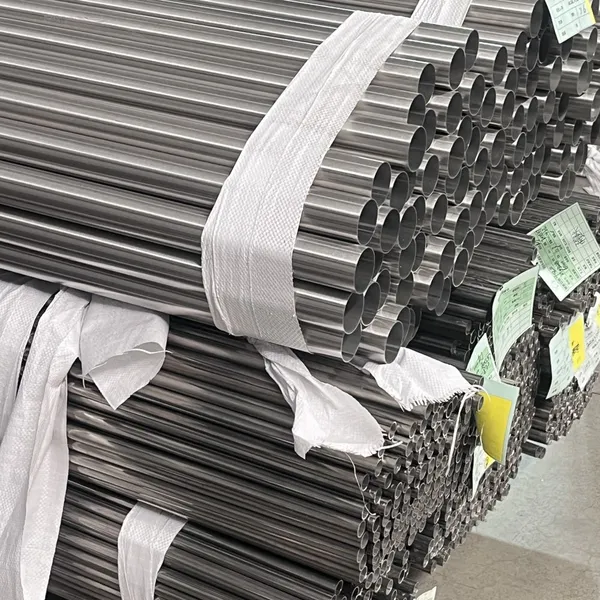
-
Stainless Steel ASME B16.9 Sch 45 90 Degree Pipe Fittings ElbowUS$ 8MOQ: 1 Piece
-
China Brand Zz 304L 316/316L GB En JIS Standard Thin Wall Welded Stainless Steel Water Pipe/TubeNegotiableMOQ: 2 Meters
-
BA 4 Inch 6 Inch 8 Inch 201 304 304L 316 316L Welded Seamless Stainless Steel PipeNegotiableMOQ: 2 Meters
-
ASME B36.19M-2004 SCH40S Stainless Steel Pipe - Complies With EU 3.1 CertificationUS$ 1 - 650MOQ: 1 Piece
-
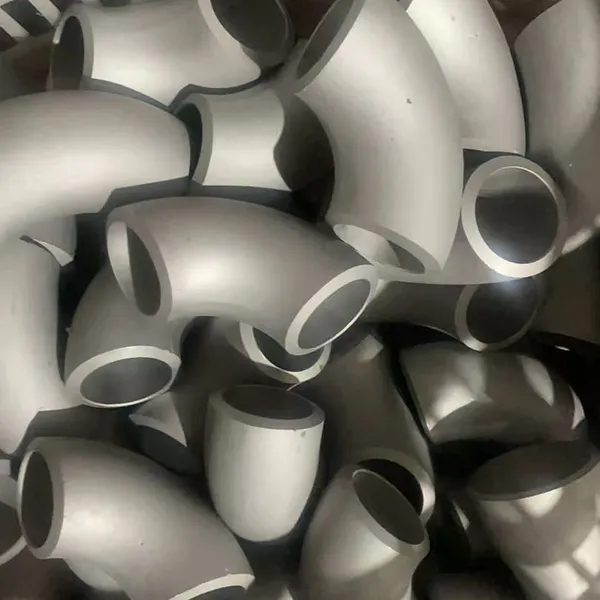
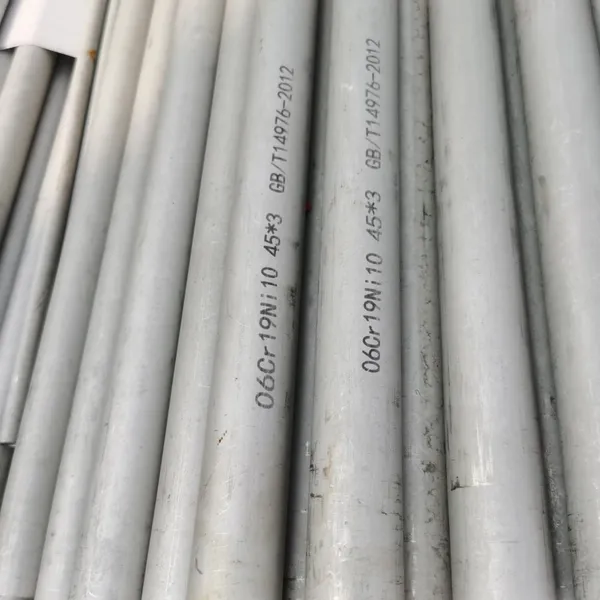
Factory TP309/TP309S/TP309H (UNS30900) Seamless Stainless Steel Pipe and Tube for Boiler BafflesUS$ 8MOQ: 200 Kilograms
-
TP347/TP347H/1.4961/S34709 Seamless Stainless Steel Pipe for UseNegotiableMOQ: 2 Meters
-
China 304 316 Stainless Steel Sanitary Welded Tube Food Grade Sanitary Grade Welded Pipe PolishingNegotiableMOQ: 1 Piece
-
China Manufacture Stainless Steel 316L Ba Seamless Welded Steel Pipe TubesUS$ 1760 - 1860MOQ: 5 Tons
-
316L/1.4405 Seamless Stainless Steel PipeNegotiableMOQ: 2 Meters
-
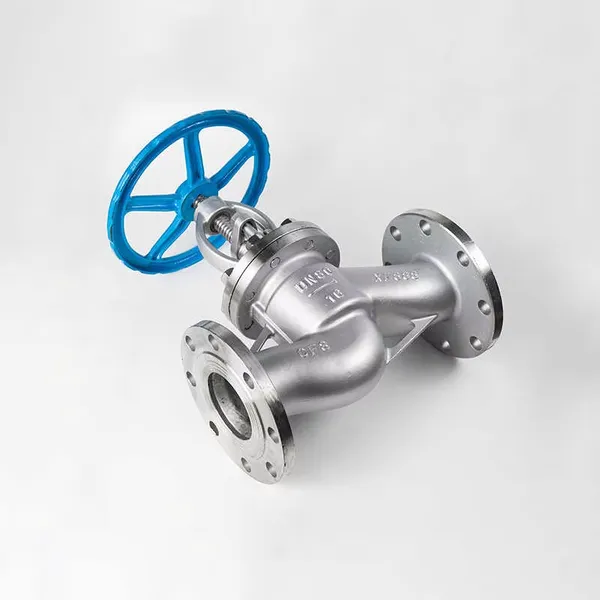
Stainless Steel Globe Valve – High Durability & Corrosion ResistanceNegotiableMOQ: 1 Piece
-
World's Most Affordable Color-Coated Steel Sheets - 0.3mm to 3mm Thickness - Mill Test Report IncludedUS$ 1102MOQ: 10 Kilograms
-
Color-Coated Steel Sheets With 15-Year Fade Warranty - JIS G 3322 Standard CompliantUS$ 1102MOQ: 10 Kilograms
-
Prefab Building Material - 0.4mm Color-Coated Corrugated Sheets - 100,000㎡ Monthly OutputUS$ 1102MOQ: 10 Kilograms
-
Industrial-Grade Color-Coated Sheets - 150-250g/m² Zinc Coating - Weather & UV ResistantUS$ 1102MOQ: 10 Kilograms
-
Factory-Direct Color-Coated Steel Plates - PVDF/Polyester Coating - 1220mm Standard WidthUS$ 1102MOQ: 10 Kilograms