
 Business License

How to select qualified stainless steel pipes
Stainless steel pipes have been widely used in new construction of sanitary fixtures, architectural decoration, food and medical fields, mechanical manufacturing, natural gas, water supply, petrochemicals, aerospace, etc. However, their popularity is not high in other fields. When people who have no experience with stainless steel pipes want to purchase them, how can they distinguish the quality of the pipes?
The quality of stainless steel pipes can be judged according to certain standards in China. The Chinese national standard GB/T19228.2-2011 "Stainless Steel Compression-Type Pipe Fittings Components" provides a range for the dimensions and tolerances, weight, technical requirements, inspection, marking, packaging and storage transportation of stainless steel pipes.
1. Check if the wall thickness meets the standard.
Currently, the domestic stainless steel pipe market and the stainless steel pipes produced by manufacturers are generally divided into two series: the national standard series 1 and the national standard series 2. These two thin-walled stainless steel pipes may have different outer diameters and wall thicknesses under the same nominal diameter (DN). For specific detailed data, please consult the merchants. Besides the national standard products, there are also American standard, European standard, and Japanese standard product specifications. Of course, it should be noted that pipe fittings of different series cannot be mixed, as this will increase the risk of pipeline leakage. Besides wasting materials, it also increases the construction time of the project.
Some might ask, should the wall thickness be as thick as possible? Of course, in a certain sense, using stainless steel pipes with a thicker wall can better ensure the safety and reliability of the pipeline system. However, due to the high cost of stainless steel materials, an increase in wall thickness inevitably means an increase in the cost of the pipeline system. From the perspectives of practicality and economy, as long as the wall thickness meets the requirements for service life, it is sufficient. But especially, we need to be vigilant about products with insufficient wall thickness.
2. Examine the material of raw materials
The raw materials required for the production of stainless steel pipes and fittings are stainless steel. The prices of different grades and specifications of stainless steel vary significantly. There are also differences in prices among different grades such as 304, 316, and 316L. The choice depends on the specific application scenario. In most cases, the corrosion resistance of 304 stainless steel and 316 stainless steel is not much different, but in some cases, the difference can be significant. 316 stainless steel has better corrosion resistance than 304 stainless steel, and it is also resistant to corrosion from marine and erosive industrial atmospheres. Therefore, when choosing stainless steel products or even stainless steel pipes, 304 steel pipes have excellent rust resistance in dry and clean atmospheres. However, if moved to a coastal area with a large amount of salt in the sea fog, it will quickly rust; while 316 steel pipes perform well. 316L has a lower carbon content and better corrosion resistance. Among the three, 316L has the best corrosion resistance and can be selected as needed.
3. Check the production company's qualifications
Of course, if you still can't understand the above two points, then this one must be clear. To purchase qualified products, you first need to select the right production company.
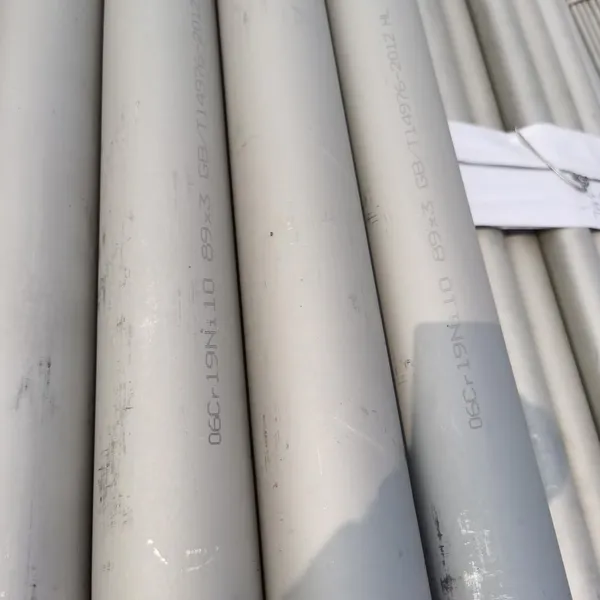
The production company of stainless steel pipes and pipe fittings should have the quality certificate of the products and relevant material quality inspection reports. The pipes and pipe fittings should clearly indicate the product raw materials, specifications, production batch, and the name of the production company. Good products always attach great importance to their own brands, and there will definitely be an official factory qualification certificate.
4. Check the after-sales warranty service
The products sold by the manufacturer have undergone strict quality inspection procedures before shipment to ensure product quality. Please carefully inspect the goods upon receipt. If any issues arise, please contact the merchant promptly.
Upon seeing this, I believe you have now understood how to select stainless steel pipes.
Recently Posted
-
Does the stainless steel welded pipe have specific temperature requirements during the solution heat
January 20, 2026Solution heat treatment involves heating stainless steel to a high temperature and then rapidly cooling it to achieve an oversatur Read More
 -
Can stainless steel welded pipes be made into thick pipes
January 20, 2026With the improvement of high-quality welding technology and increasingly strict weld inspection, the application fields of s Read More
 -
Three types of commonly available food-grade stainless steel on the market
January 20, 2026The common food-grade stainless steel pipes are mainly composed of iron, chromium and carbon and other elements. Household stainle Read More
 -
What are the requirements for stainless steel welding pipe production equipment
January 20, 2026As is well known, stainless steel welded pipes have been widely used in various industries such as machinery, chemical engineering Read More

Contact Us
Recommended Products
-
 Stainless Steel Elbow Welded Elbow 45/90/180-degree Seamless Pressed Elbow Long Radius Elbow Short Radius Elbow WholesaleNegotiableMOQ: 1 Piece
 -
316L/1.4405 Seamless Stainless Steel PipeNegotiableMOQ: 2 Meters
-
310s 440 Seamless Sanitary Piping Price 321 904l 201 20 Inch Seamless Steel Pipe A554 Stainless Steel PipeNegotiableMOQ: 1 Piece
-
China Brand ZZ Wholesale 304L 316 316L Welded Austenitic Piping Stainless Steel Pipe SupplierNegotiableMOQ: 2 Meters
-
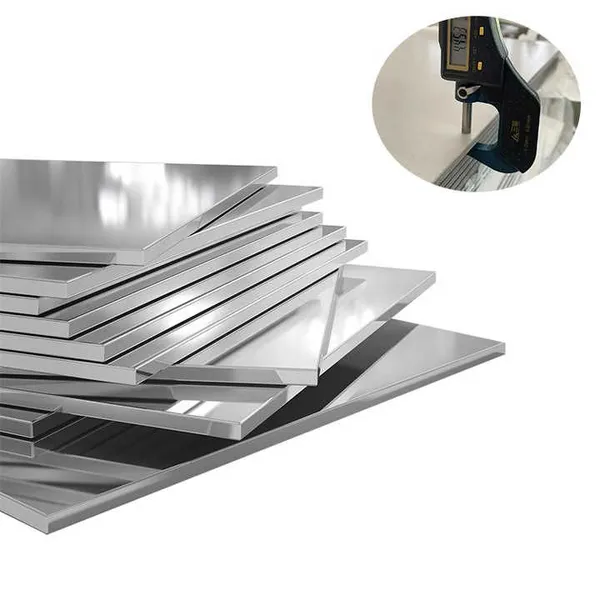
304/304L/316/409/410/904L/2205/2507/310H Premium Stainless Steel Sheets Supplier Custom Sizes & FinishesUS$ 1.72MOQ: 1 Ton
-
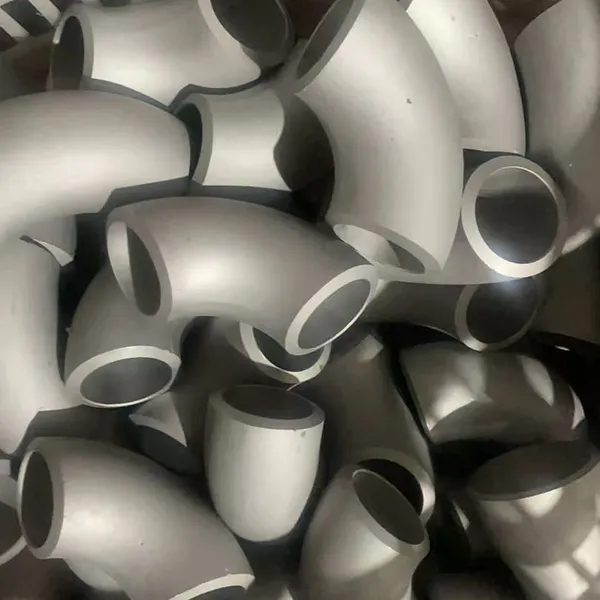
Stainless Steel ASME B16.9 Sch 45 90 Degree Pipe Fittings ElbowUS$ 8MOQ: 1 Piece
-
China Brand Zz 304L 316/316L GB En JIS Standard Thin Wall Welded Stainless Steel Water Pipe/TubeNegotiableMOQ: 2 Meters
-
BA 4 Inch 6 Inch 8 Inch 201 304 304L 316 316L Welded Seamless Stainless Steel PipeNegotiableMOQ: 2 Meters
-
ASME B36.19M-2004 SCH40S Stainless Steel Pipe - Complies With EU 3.1 CertificationUS$ 1 - 650MOQ: 1 Piece
-
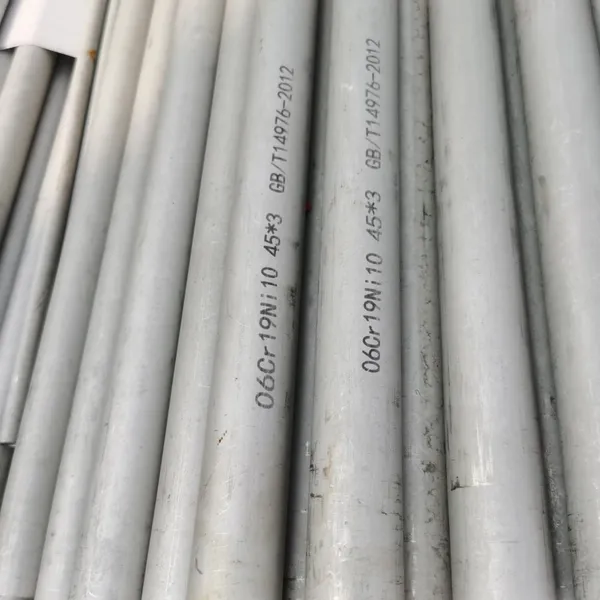
Factory TP309/TP309S/TP309H (UNS30900) Seamless Stainless Steel Pipe and Tube for Boiler BafflesUS$ 8MOQ: 200 Kilograms
-
TP347/TP347H/1.4961/S34709 Seamless Stainless Steel Pipe for UseNegotiableMOQ: 2 Meters
-
China 304 316 Stainless Steel Sanitary Welded Tube Food Grade Sanitary Grade Welded Pipe PolishingNegotiableMOQ: 1 Piece
-
China Manufacture Stainless Steel 316L Ba Seamless Welded Steel Pipe TubesUS$ 1760 - 1860MOQ: 5 Tons
-
316L/1.4405 Seamless Stainless Steel PipeNegotiableMOQ: 2 Meters
-
Stainless Steel Globe Valve – High Durability & Corrosion ResistanceNegotiableMOQ: 1 Piece
-
1.4529 Stainless Steel Flat Plate for Chemical Processing EquipmentUS$ 25 - 35MOQ: 1 Kilogram
-
Color Coated Steel Panels for Warehouse Partition Walls (Fireproof Grade)US$ 1 - 1.2MOQ: 50 Kilograms
-
Custom Width (600mm-1250mm) Colored Steel Coil With Scratch ResistanceUS$ 1 - 1.2MOQ: 50 Kilograms
-
0.5mm-3.0mm Colored Coated Steel Sheet With PVDF/Polyester CoatingUS$ 1 - 1.2MOQ: 50 Kilograms
-
JIS G 3322 Compliant Colored Coils With Third-Party Inspection ReportUS$ 1 - 1.2MOQ: 50 Kilograms