
 Business License

What are the causes of surface corrosion on thin-walled stainless steel pipes
As people's requirements for the hygiene and safety of drinking water have increased, stainless steel water pipes have been widely used in public buildings and urban residences. The occurrence of corrosion damage in stainless steel pipes can generally be divided into two types: general corrosion and local corrosion. Corrosion usually refers to the corrosion that occurs uniformly or non-uniformly over the entire surface of the component. This kind of corrosion is easily noticed and easier to deal with. Now let's take a look at the causes of corrosion on the surface of stainless steel pipes.
Corrosion usually does not affect the entire surface of stainless steel pipes, but occurs only within or around the defects. This kind of localized corrosion problem is generally referred to as pitting corrosion or crevice corrosion, and both will cause corrosion to penetrate deep and spread widely, but will not affect the majority of the surface of the pipes. Let's first talk about the causes of surface corrosion on thin-walled stainless steel pipes.
1. Dust
In production processing enterprises, there are often areas with dust. The dust in the ambient air will continuously settle on the surface of the stainless steel thin-walled tubes. These dust particles can be washed off with water or alkaline solutions. However, if the dirt is sticky, a high-pressure water gun should be used for cleaning.
2. Floating iron powder or embedded iron
On the surface of thin-walled stainless steel pipes, free iron can cause rust and corrosion of the pipes. Therefore, it must be removed. Floating iron powder can usually be removed along with the dust. For some with stronger adhesion, it must be treated as embedded iron.
Apart from dust, there are many sources of surface iron. These include cleaning with ordinary carbon steel wire brushes and shot peening treatment using sand, glass beads or other abrasives previously used on plain carbon steel, low alloy steel or cast iron parts, or grinding of non-stainless products near stainless steel components and equipment. If no protection measures are taken for stainless steel during cutting or lifting processes, iron from steel wire ropes, lifting equipment and workbenches can easily embed in or contaminate the surface.
3. Scratches
To prevent the accumulation of process lubricants, products or dirt, it is necessary to mechanically clean the rough surfaces such as scratches on the thin-walled stainless steel tubes to make them smooth.
4. Heat Tempering Color and Other Oxidation Layers
During the welding or polishing process, there is no such thing as food-grade stainless steel tubes available. When stainless steel tubes are exposed to high temperatures in the air, the weld seams, the underside of the weld seams, and the bottom surfaces will all develop a chromium oxide heat tempering color. This heat tempering color is thinner than the oxidation protection film and is clearly visible. The color is determined by its thickness and can present as a rainbow color, blue, purple to light yellow and brown. Thicker oxides are usually black.
This is due to their prolonged exposure to high temperatures. Whenever any of these oxide layers form, the chromium content on the metal surface decreases, resulting in a reduction in the corrosion resistance of these areas. Not only must the heat tempering color and other oxide layers be removed, but the precision tubes must also clean the chromium-poor metal layer beneath them.
5. Rust Stains
Sometimes, rust spots may appear on thin-walled stainless steel pipes or equipment, indicating that the surface of the pipe material has been severely contaminated. Before the equipment is put into use, the rust must be removed. The surface that has been thoroughly cleaned should be tested through a rust test and/or a water test.
The above are the factors causing corrosion of thin-walled stainless steel pipes and the corresponding prevention measures. The reasons for the electrochemical reaction of the pipe materials include poor corrosion resistance of the material, acidic substances, and surface scratches. Therefore, to prevent corrosion, it is necessary to select materials with stronger corrosion resistance; apply a transparent silicone resin protective film on the surface; and avoid intense collisions or friction between the thin-walled stainless steel pipes and other objects.
Recently Posted
-
Does the stainless steel welded pipe have specific temperature requirements during the solution heat
January 20, 2026Solution heat treatment involves heating stainless steel to a high temperature and then rapidly cooling it to achieve an oversatur Read More
 -
Can stainless steel welded pipes be made into thick pipes
January 20, 2026With the improvement of high-quality welding technology and increasingly strict weld inspection, the application fields of s Read More
 -
Three types of commonly available food-grade stainless steel on the market
January 20, 2026The common food-grade stainless steel pipes are mainly composed of iron, chromium and carbon and other elements. Household stainle Read More
 -
What are the requirements for stainless steel welding pipe production equipment
January 20, 2026As is well known, stainless steel welded pipes have been widely used in various industries such as machinery, chemical engineering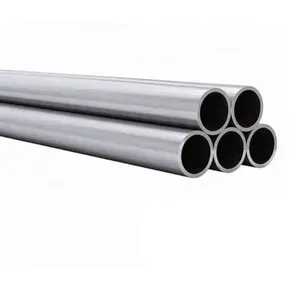 Read More

Contact Us
Recommended Products
-
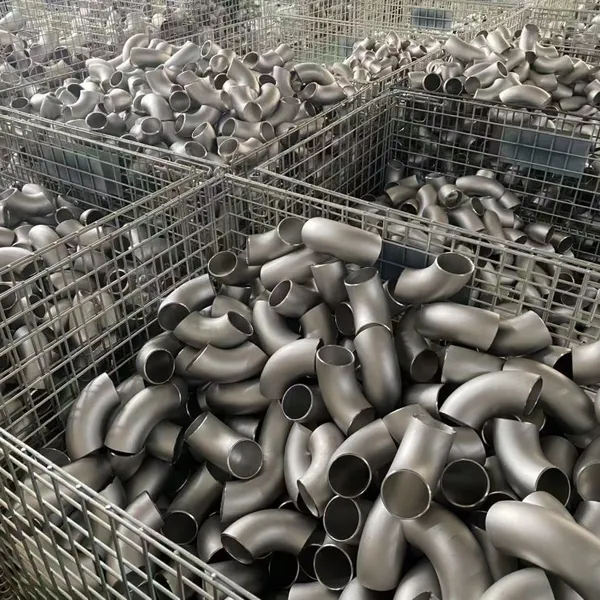
 Stainless Steel Elbow Welded Elbow 45/90/180-degree Seamless Pressed Elbow Long Radius Elbow Short Radius Elbow WholesaleNegotiableMOQ: 1 Piece
 -
316L/1.4405 Seamless Stainless Steel PipeNegotiableMOQ: 2 Meters
-
310s 440 Seamless Sanitary Piping Price 321 904l 201 20 Inch Seamless Steel Pipe A554 Stainless Steel PipeNegotiableMOQ: 1 Piece
-
China Brand ZZ Wholesale 304L 316 316L Welded Austenitic Piping Stainless Steel Pipe SupplierNegotiableMOQ: 2 Meters
-
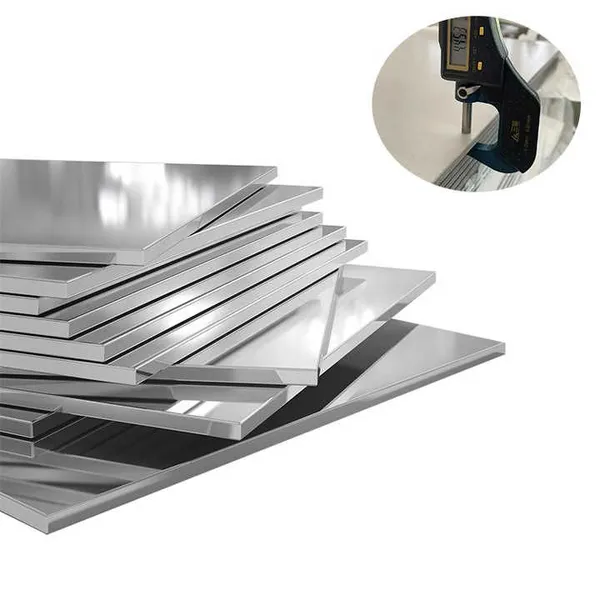
304/304L/316/409/410/904L/2205/2507/310H Premium Stainless Steel Sheets Supplier Custom Sizes & FinishesUS$ 1.72MOQ: 1 Ton
-
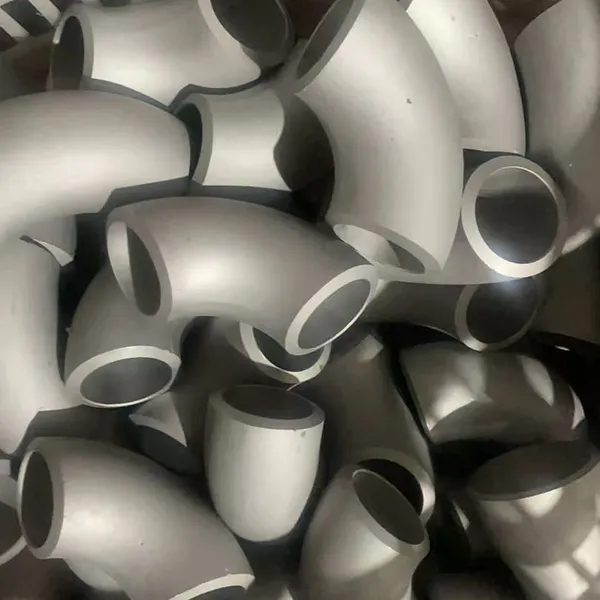
Stainless Steel ASME B16.9 Sch 45 90 Degree Pipe Fittings ElbowUS$ 8MOQ: 1 Piece
-
China Brand Zz 304L 316/316L GB En JIS Standard Thin Wall Welded Stainless Steel Water Pipe/TubeNegotiableMOQ: 2 Meters
-
BA 4 Inch 6 Inch 8 Inch 201 304 304L 316 316L Welded Seamless Stainless Steel PipeNegotiableMOQ: 2 Meters
-
ASME B36.19M-2004 SCH40S Stainless Steel Pipe - Complies With EU 3.1 CertificationUS$ 1 - 650MOQ: 1 Piece
-
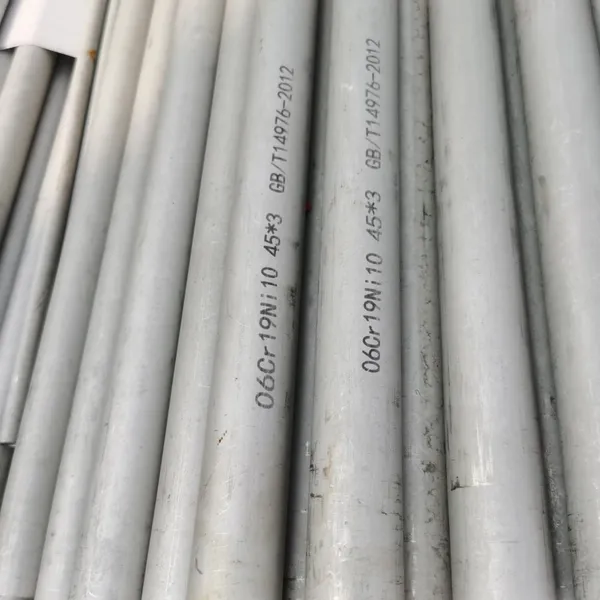
Factory TP309/TP309S/TP309H (UNS30900) Seamless Stainless Steel Pipe and Tube for Boiler BafflesUS$ 8MOQ: 200 Kilograms
-
TP347/TP347H/1.4961/S34709 Seamless Stainless Steel Pipe for UseNegotiableMOQ: 2 Meters
-
China 304 316 Stainless Steel Sanitary Welded Tube Food Grade Sanitary Grade Welded Pipe PolishingNegotiableMOQ: 1 Piece
-
China Manufacture Stainless Steel 316L Ba Seamless Welded Steel Pipe TubesUS$ 1760 - 1860MOQ: 5 Tons
-
316L/1.4405 Seamless Stainless Steel PipeNegotiableMOQ: 2 Meters
-
Stainless Steel Globe Valve – High Durability & Corrosion ResistanceNegotiableMOQ: 1 Piece
-
1.4529 Stainless Steel Flat Plate for Chemical Processing EquipmentUS$ 25 - 35MOQ: 1 Kilogram
-
Color Coated Steel Panels for Warehouse Partition Walls (Fireproof Grade)US$ 1 - 1.2MOQ: 50 Kilograms
-
Custom Width (600mm-1250mm) Colored Steel Coil With Scratch ResistanceUS$ 1 - 1.2MOQ: 50 Kilograms
-
0.5mm-3.0mm Colored Coated Steel Sheet With PVDF/Polyester CoatingUS$ 1 - 1.2MOQ: 50 Kilograms
-
JIS G 3322 Compliant Colored Coils With Third-Party Inspection ReportUS$ 1 - 1.2MOQ: 50 Kilograms