
 Business License

Today, let's learn about what kinds of stainless steel pipes are there
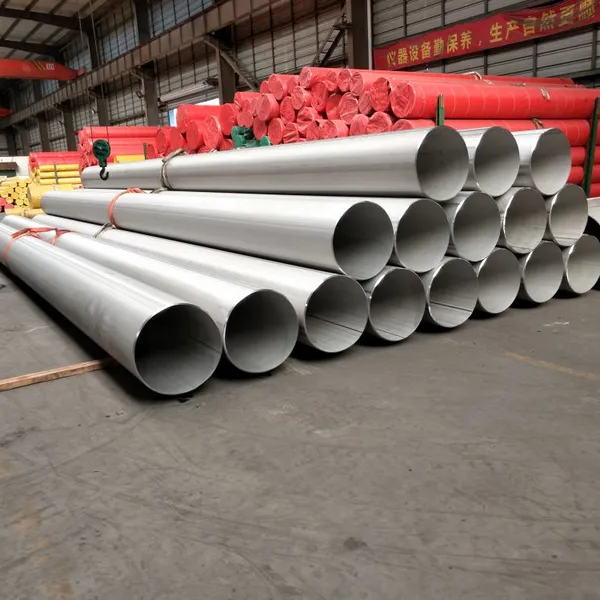
Stainless steel pipes are classified according to their material into ordinary carbon steel pipes, high-quality carbon structural steel pipes, alloy structural pipes, alloy steel pipes, bearing steel pipes, stainless steel pipes, as well as double-metal composite pipes, coated and coated pipes, etc., which are designed to save precious metals and meet special requirements. The types of stainless steel pipes are numerous and their uses vary, with different technical requirements and production methods. Currently, the outer diameter range of the produced steel pipes is 0.1 - 4500mm, and the wall thickness range is 0.01 - 250mm. To distinguish their characteristics, steel pipes are usually classified in the following way.
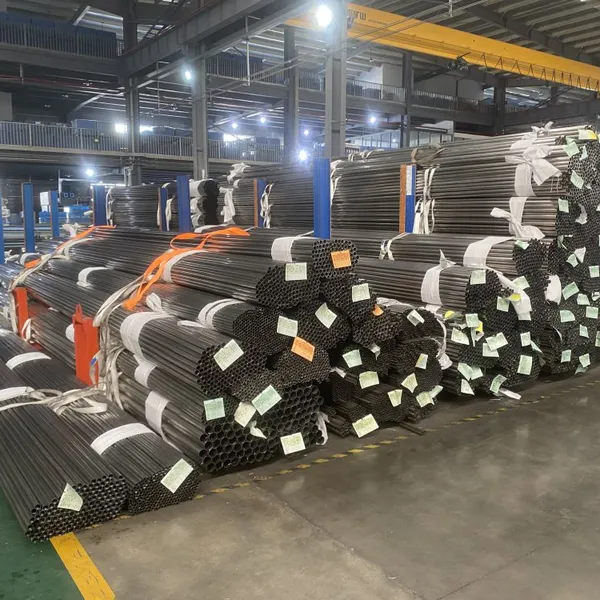
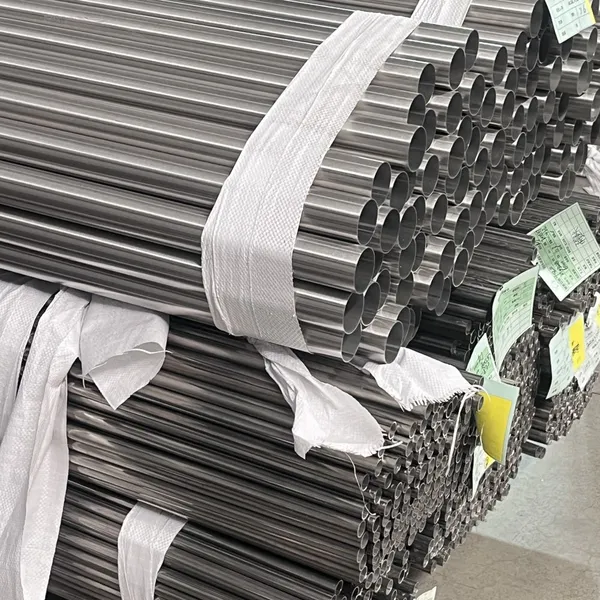
2. Production Method Stainless steel pipes are classified into two major categories based on production methods: seamless pipes and welded pipes. Seamless pipes can be further divided into hot-rolled pipes, cold-rolled pipes, cold-drawn pipes, and extruded pipes, etc. Cold drawing and cold rolling are the secondary processing of steel pipes; welded pipes include straight seam welded pipes and spiral welded pipes, etc.
3. Cross-sectional shape Stainless steel pipes are classified into round pipes and special-shaped pipes based on their cross-sectional shapes. Special-shaped pipes include rectangular pipes, rhombic pipes, elliptical pipes, hexagonal pipes, octagonal pipes, and various asymmetrical cross-section pipes. These special-shaped pipes are widely used in various structural components, tools, and mechanical parts. Compared with round pipes, special-shaped pipes generally have larger moment of inertia and cross-sectional modulus, and greater bending and torsion resistance, which can significantly reduce the structural weight and save steel. Shaanxi Huailite Trading Co., Ltd. mainly deals in high-quality seamless steel pipes, alloy pipes, etc. from various national steel mills such as Baosteel and Baogang. It is particularly renowned in the industry for its business in thick-walled pipes, special pipes, high-pressure boiler pipes, and alloy pipes. Stainless steel pipes can also be classified into equal-section pipes and variable-section pipes based on their longitudinal cross-sectional shapes. Variable-section pipes include conical pipes, stepped pipes, and periodic section pipes, etc.
4. Pipe end shape Stainless steel pipes can be classified into smooth pipes and threaded pipes (pipes with threads) based on their pipe end conditions. Threaded pipes can further be divided into ordinary threaded pipes (used for low-pressure purposes such as water and gas transmission, with ordinary cylindrical or conical pipe threads for connection) and special threaded pipes (used for petroleum and geological drilling, for important threaded pipes, special thread connections are adopted). For some special-purpose pipes, to compensate for the impact of threads on the strength of the pipe end, it is common to increase the thickness of the pipe end before threading (internal thickening, external thickening, or both internal and external thickening).
Recently Posted
-
Does the stainless steel welded pipe have specific temperature requirements during the solution heat
January 20, 2026Solution heat treatment involves heating stainless steel to a high temperature and then rapidly cooling it to achieve an oversatur Read More
 -
Can stainless steel welded pipes be made into thick pipes
January 20, 2026With the improvement of high-quality welding technology and increasingly strict weld inspection, the application fields of s Read More
 -
Three types of commonly available food-grade stainless steel on the market
January 20, 2026The common food-grade stainless steel pipes are mainly composed of iron, chromium and carbon and other elements. Household stainle Read More
 -
What are the requirements for stainless steel welding pipe production equipment
January 20, 2026As is well known, stainless steel welded pipes have been widely used in various industries such as machinery, chemical engineering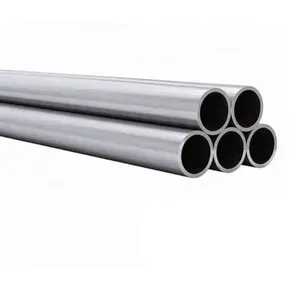 Read More

Contact Us
Recommended Products
-
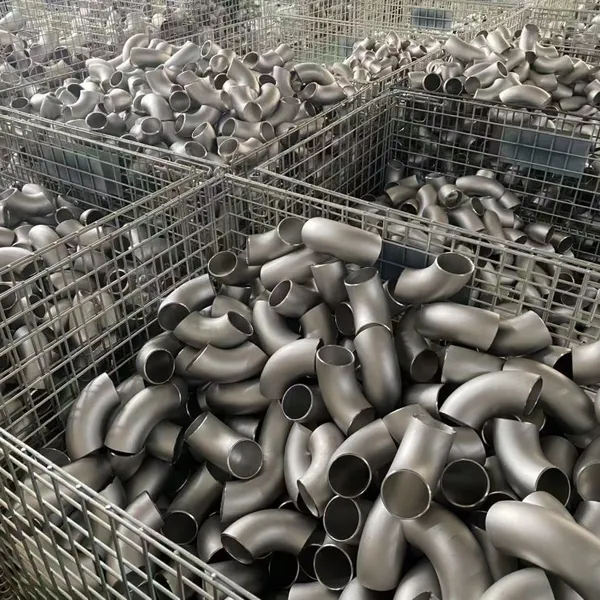
 Stainless Steel Elbow Welded Elbow 45/90/180-degree Seamless Pressed Elbow Long Radius Elbow Short Radius Elbow WholesaleNegotiableMOQ: 1 Piece
 -
316L/1.4405 Seamless Stainless Steel PipeNegotiableMOQ: 2 Meters
-
310s 440 Seamless Sanitary Piping Price 321 904l 201 20 Inch Seamless Steel Pipe A554 Stainless Steel PipeNegotiableMOQ: 1 Piece
-
China Brand ZZ Wholesale 304L 316 316L Welded Austenitic Piping Stainless Steel Pipe SupplierNegotiableMOQ: 2 Meters
-
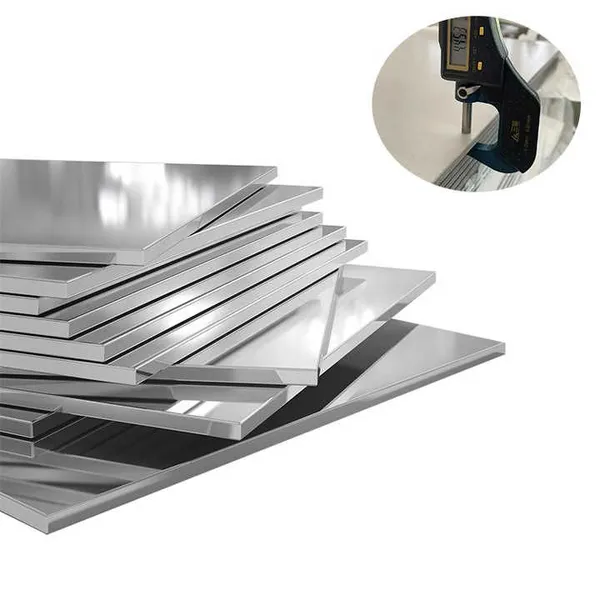
304/304L/316/409/410/904L/2205/2507/310H Premium Stainless Steel Sheets Supplier Custom Sizes & FinishesUS$ 1.72MOQ: 1 Ton
-
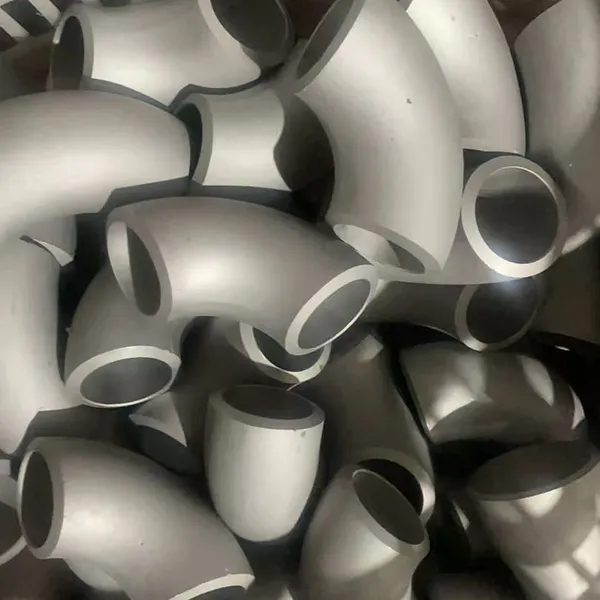
Stainless Steel ASME B16.9 Sch 45 90 Degree Pipe Fittings ElbowUS$ 8MOQ: 1 Piece
-
China Brand Zz 304L 316/316L GB En JIS Standard Thin Wall Welded Stainless Steel Water Pipe/TubeNegotiableMOQ: 2 Meters
-
BA 4 Inch 6 Inch 8 Inch 201 304 304L 316 316L Welded Seamless Stainless Steel PipeNegotiableMOQ: 2 Meters
-
ASME B36.19M-2004 SCH40S Stainless Steel Pipe - Complies With EU 3.1 CertificationUS$ 1 - 650MOQ: 1 Piece
-
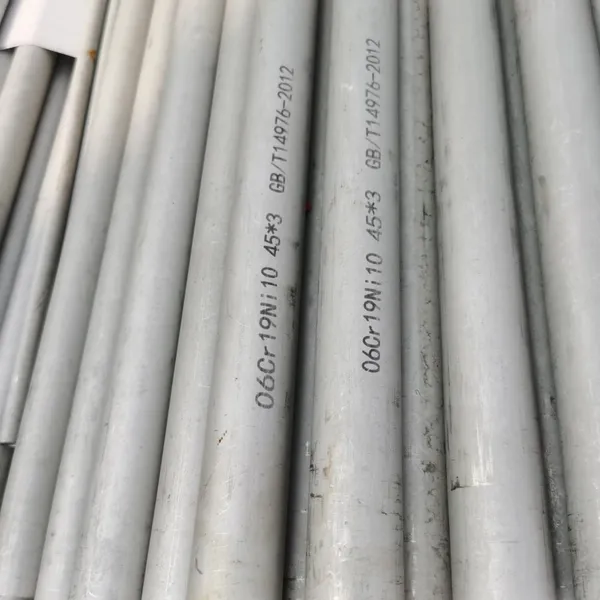
Factory TP309/TP309S/TP309H (UNS30900) Seamless Stainless Steel Pipe and Tube for Boiler BafflesUS$ 8MOQ: 200 Kilograms
-
TP347/TP347H/1.4961/S34709 Seamless Stainless Steel Pipe for UseNegotiableMOQ: 2 Meters
-
China 304 316 Stainless Steel Sanitary Welded Tube Food Grade Sanitary Grade Welded Pipe PolishingNegotiableMOQ: 1 Piece
-
China Manufacture Stainless Steel 316L Ba Seamless Welded Steel Pipe TubesUS$ 1760 - 1860MOQ: 5 Tons
-
316L/1.4405 Seamless Stainless Steel PipeNegotiableMOQ: 2 Meters
-
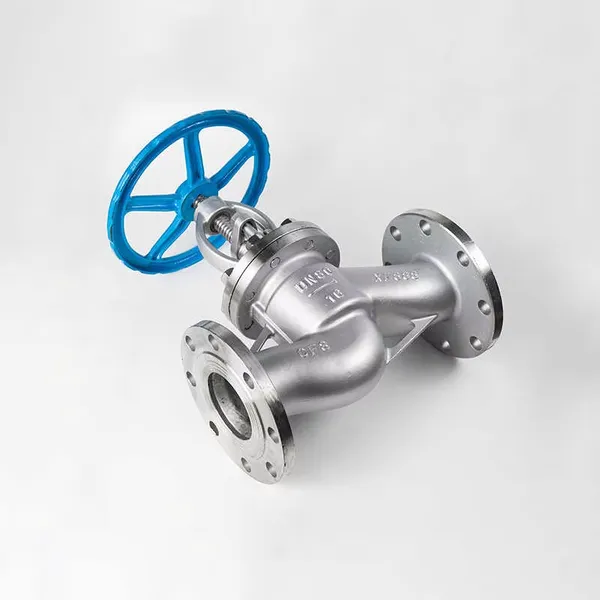
Stainless Steel Globe Valve – High Durability & Corrosion ResistanceNegotiableMOQ: 1 Piece
-
1.4529 Stainless Steel Flat Plate for Chemical Processing EquipmentUS$ 25 - 35MOQ: 1 Kilogram
-
Color Coated Steel Panels for Warehouse Partition Walls (Fireproof Grade)US$ 1 - 1.2MOQ: 50 Kilograms
-
Custom Width (600mm-1250mm) Colored Steel Coil With Scratch ResistanceUS$ 1 - 1.2MOQ: 50 Kilograms
-
0.5mm-3.0mm Colored Coated Steel Sheet With PVDF/Polyester CoatingUS$ 1 - 1.2MOQ: 50 Kilograms
-
JIS G 3322 Compliant Colored Coils With Third-Party Inspection ReportUS$ 1 - 1.2MOQ: 50 Kilograms