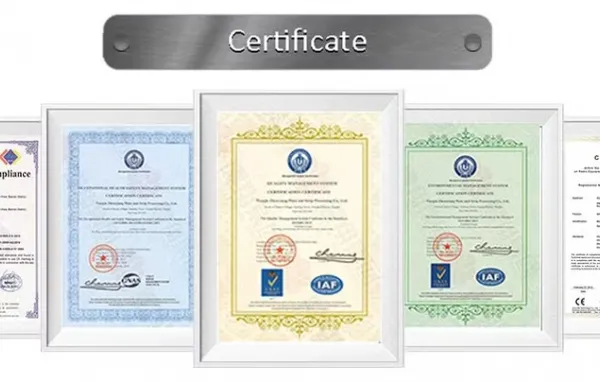

 Business License

What is sanitary grade stainless steel pipe
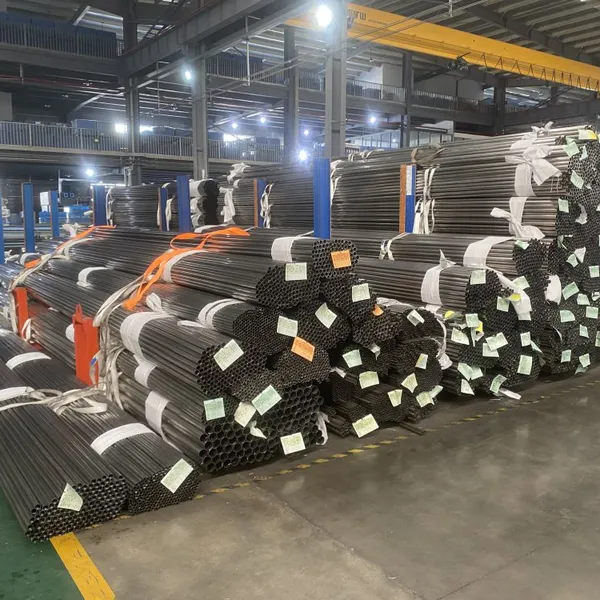
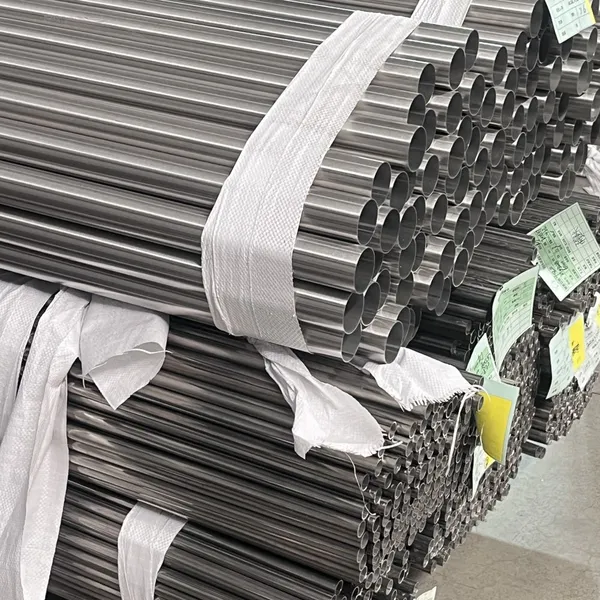
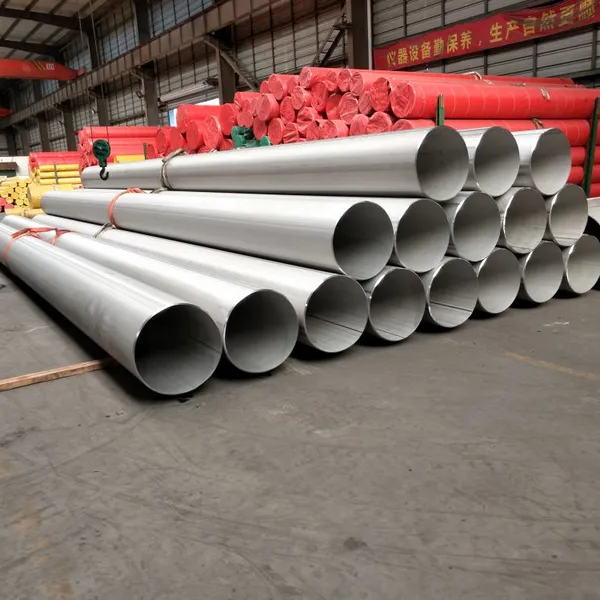
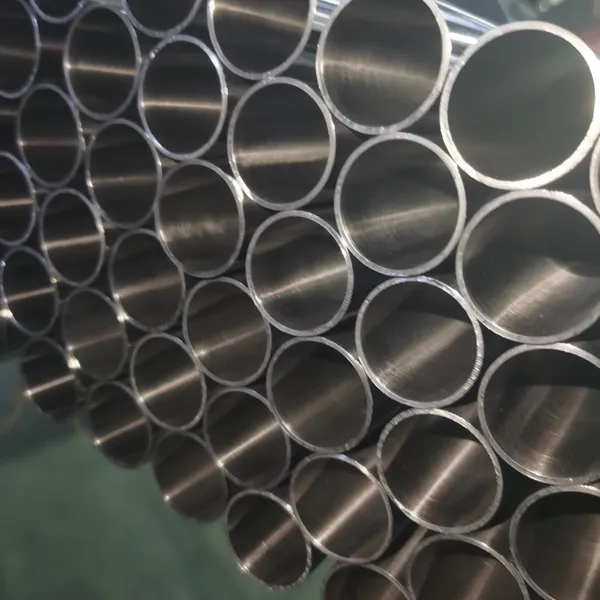
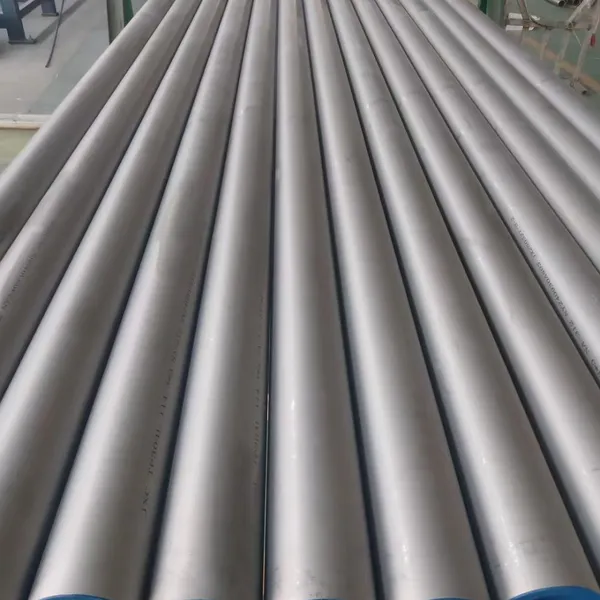
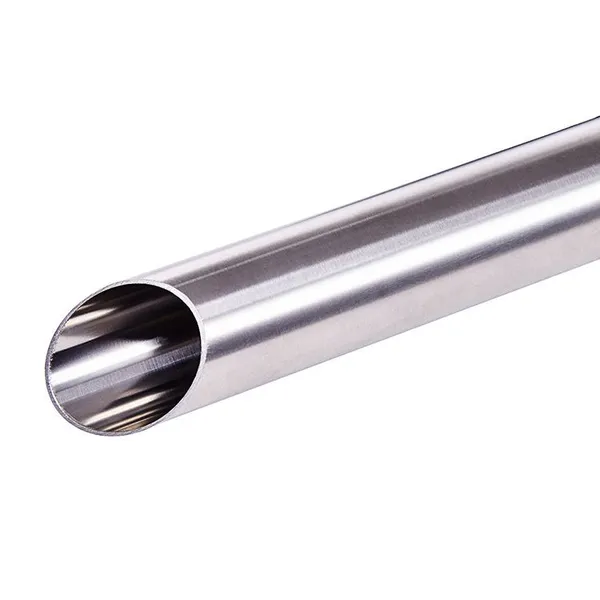
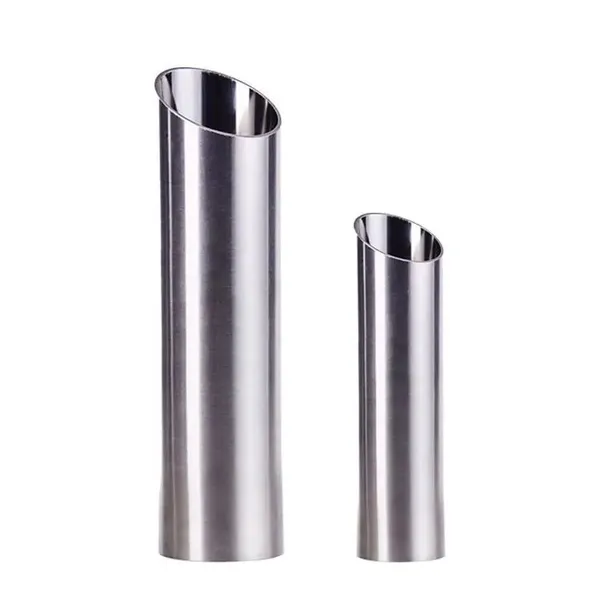
Stainless steel sanitary pipes are hollow long-round steel bars, which are widely used in industrial transportation pipelines and mechanical structural components in industries such as petroleum, chemical engineering, medical care, food processing, light industry, and mechanical instruments. The performance of stainless steel pipes of different materials also varies. The following part briefly describes stainless steel sanitary pipes.
I. What is Stainless Steel Sanitary Pipe
Stainless steel sanitary pipe is a type of long strip steel with a hollow cross-section and no seams on the periphery. The thicker the wall thickness of this product, the more economical and practical it becomes. The thinner the wall thickness, the higher the processing cost will be. The process determines its limited performance. Generally, seamless steel pipes have low precision: uneven wall thickness, low brightness of the inner and outer surfaces, high cost of fixed-length, and there are also scratches and black spots on the inner and outer surfaces that are difficult to remove. Its detection and shaping must be processed offline. 304 or 316L stainless steel pipes, sanitary grade steel pipes, stainless steel pipes (manufacturer, specification); Therefore, it demonstrates its superiority in high-pressure, high-strength, and mechanical structure materials.
II. Application of Sanitary Stainless Steel Pipes
Stainless steel pipes are mainly used in production equipment and assembly lines for food, beverages, wines, and biological engineering. The main requirements for sanitary stainless steel pipes include surface finish, passivation layer, and oil resistance:
1. Surface finish: The inner and outer surfaces of the steel pipe are polished to make the surface shiny; that is, it becomes a mirror-like surface. The main purpose is to prevent the fluid substances flowing in the pipeline from forming suspended walls on the pipe surface. These suspended walls are prone to contamination and can cause blockages in the pipeline.
2. Passivation Layer: After polishing, the sanitary grade stainless steel pipes need to be placed in the passivation tank for soaking. An acidic passivation solution is used to oxidize the surface of the sanitary grade stainless steel pipes, forming a passivation layer, which helps to achieve the anti-corrosion effect of the pipes.
3. Oil-free Degree: After the passivation process is completed, perform an oil-free cleaning to remove the oil and other contaminants from the surface of the steel pipe. After the process is finished, an oil analysis instrument is required for inspection. This mainly aims to prevent the oil contamination on the pipe wall from contaminating the fluids flowing inside the pipe and causing any substances to be affected.
III. Advantages of Stainless Steel Sanitary Pipes
1. It does not produce any harmful metal impurities that are detrimental to human health.
It meets health requirements. Take a look at medical equipment and food utensils, and we will understand that sanitary-grade stainless steel is the safest and most hygienic material for water pipes. Thin-walled stainless steel water pipes will not cause secondary pollution to the water quality and can meet the requirements of direct drinking water quality standards set by the state.
2. It will not cause any pollution to the environment.
The thin-walled stainless steel pipe is a type of water pipe that can be fully recycled; it will not leave any unmanageable garbage for future generations.
3. Saving Water Resources
The thin-walled stainless steel pipe material has a higher strength than all other water pipe materials. This significantly reduces the possibility of water leakage due to external forces on the pipes, and greatly saves water resources.
4. Excellent wear-resistant and corrosion-resistant properties
The stainless steel water pipes can withstand erosion from high-speed water flow of up to 30 meters per second. The thin and dense chromium-rich oxide film on the surface of the stainless steel makes the water pipes have excellent corrosion resistance in all water qualities, including soft water.
5. Reducing heat loss
The insulation performance of thin-walled stainless steel water pipes is 24 times that of copper water pipes. This significantly reduces the heat loss during hot water transportation.
Recently Posted
-
Does the stainless steel welded pipe have specific temperature requirements during the solution heat
January 20, 2026Solution heat treatment involves heating stainless steel to a high temperature and then rapidly cooling it to achieve an oversatur Read More
 -
Can stainless steel welded pipes be made into thick pipes
January 20, 2026With the improvement of high-quality welding technology and increasingly strict weld inspection, the application fields of s Read More
 -
Three types of commonly available food-grade stainless steel on the market
January 20, 2026The common food-grade stainless steel pipes are mainly composed of iron, chromium and carbon and other elements. Household stainle Read More
 -
What are the requirements for stainless steel welding pipe production equipment
January 20, 2026As is well known, stainless steel welded pipes have been widely used in various industries such as machinery, chemical engineering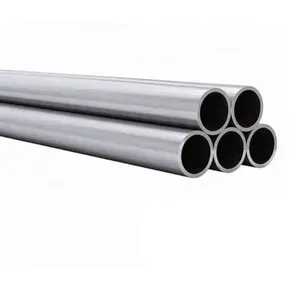 Read More

Contact Us
Recommended Products
-
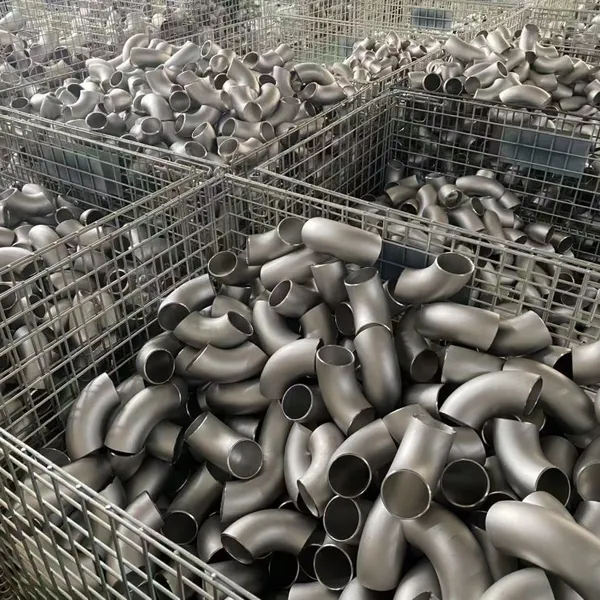
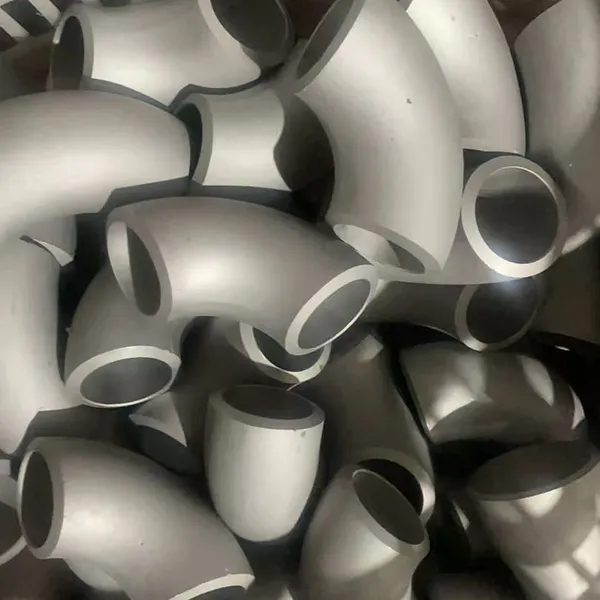
 Stainless Steel Elbow Welded Elbow 45/90/180-degree Seamless Pressed Elbow Long Radius Elbow Short Radius Elbow WholesaleNegotiableMOQ: 1 Piece
 -
316L/1.4405 Seamless Stainless Steel PipeNegotiableMOQ: 2 Meters
-
310s 440 Seamless Sanitary Piping Price 321 904l 201 20 Inch Seamless Steel Pipe A554 Stainless Steel PipeNegotiableMOQ: 1 Piece
-
China Brand ZZ Wholesale 304L 316 316L Welded Austenitic Piping Stainless Steel Pipe SupplierNegotiableMOQ: 2 Meters
-
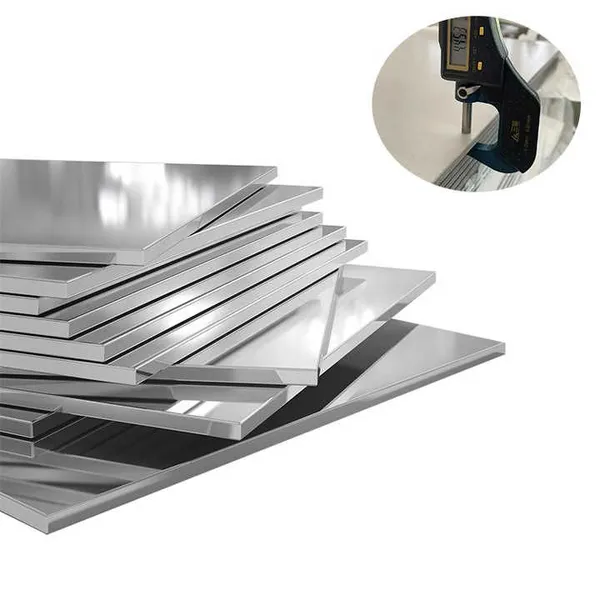
304/304L/316/409/410/904L/2205/2507/310H Premium Stainless Steel Sheets Supplier Custom Sizes & FinishesUS$ 1.72MOQ: 1 Ton
-
Stainless Steel ASME B16.9 Sch 45 90 Degree Pipe Fittings ElbowUS$ 8MOQ: 1 Piece
-
China Brand Zz 304L 316/316L GB En JIS Standard Thin Wall Welded Stainless Steel Water Pipe/TubeNegotiableMOQ: 2 Meters
-
BA 4 Inch 6 Inch 8 Inch 201 304 304L 316 316L Welded Seamless Stainless Steel PipeNegotiableMOQ: 2 Meters
-
ASME B36.19M-2004 SCH40S Stainless Steel Pipe - Complies With EU 3.1 CertificationUS$ 1 - 650MOQ: 1 Piece
-
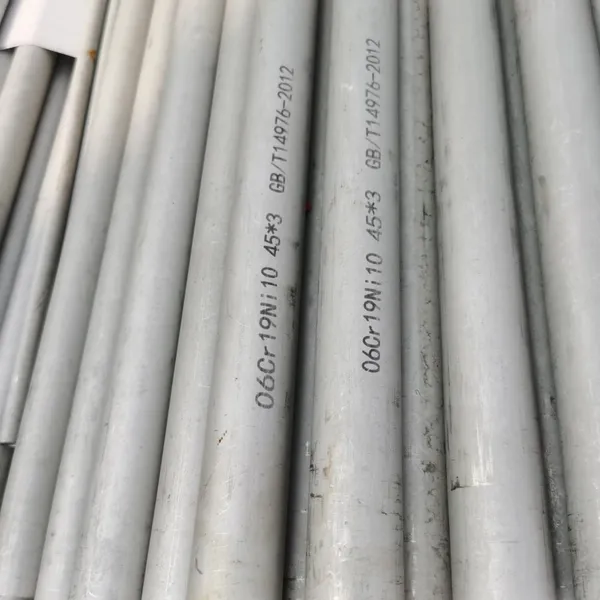
Factory TP309/TP309S/TP309H (UNS30900) Seamless Stainless Steel Pipe and Tube for Boiler BafflesUS$ 8MOQ: 200 Kilograms
-
TP347/TP347H/1.4961/S34709 Seamless Stainless Steel Pipe for UseNegotiableMOQ: 2 Meters
-
China 304 316 Stainless Steel Sanitary Welded Tube Food Grade Sanitary Grade Welded Pipe PolishingNegotiableMOQ: 1 Piece
-
China Manufacture Stainless Steel 316L Ba Seamless Welded Steel Pipe TubesUS$ 1760 - 1860MOQ: 5 Tons
-
316L/1.4405 Seamless Stainless Steel PipeNegotiableMOQ: 2 Meters
-
Stainless Steel Globe Valve – High Durability & Corrosion ResistanceNegotiableMOQ: 1 Piece
-
World's Most Affordable Color-Coated Steel Sheets - 0.3mm to 3mm Thickness - Mill Test Report IncludedUS$ 1102MOQ: 10 Kilograms
-
Color-Coated Steel Sheets With 15-Year Fade Warranty - JIS G 3322 Standard CompliantUS$ 1102MOQ: 10 Kilograms
-
Prefab Building Material - 0.4mm Color-Coated Corrugated Sheets - 100,000㎡ Monthly OutputUS$ 1102MOQ: 10 Kilograms
-
Industrial-Grade Color-Coated Sheets - 150-250g/m² Zinc Coating - Weather & UV ResistantUS$ 1102MOQ: 10 Kilograms
-
Factory-Direct Color-Coated Steel Plates - PVDF/Polyester Coating - 1220mm Standard WidthUS$ 1102MOQ: 10 Kilograms