
 Business License

Today, we'll "teach you how to preserve 304 stainless steel pipes"
If 304 stainless steel pipes are not properly stored, their appearance will be greatly compromised. And for a casual small warehouse, it is impossible to properly store 304 stainless steel pipes. In fact, 304 stainless steel pipes do not not rust; they just have high corrosion resistance, so they rarely rust. However, if the storage method of the stainless steel water pipes is improper, rusting will occur. This article will discuss how to store 304 stainless steel pipes. So, what should be done to better preserve and manage the stainless steel pipes?
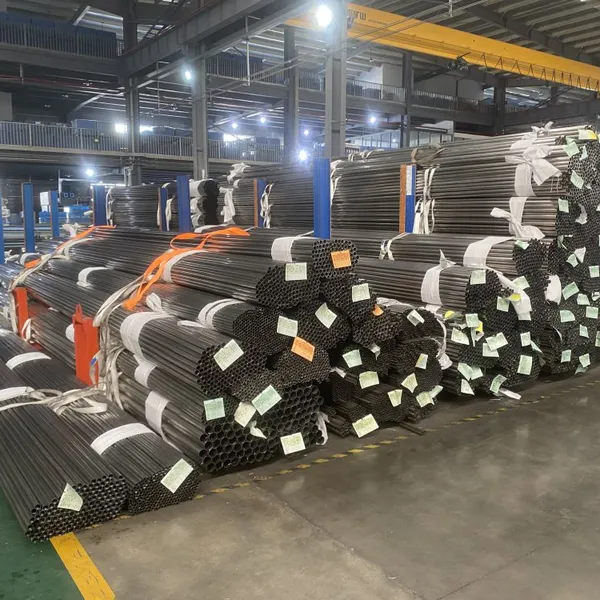
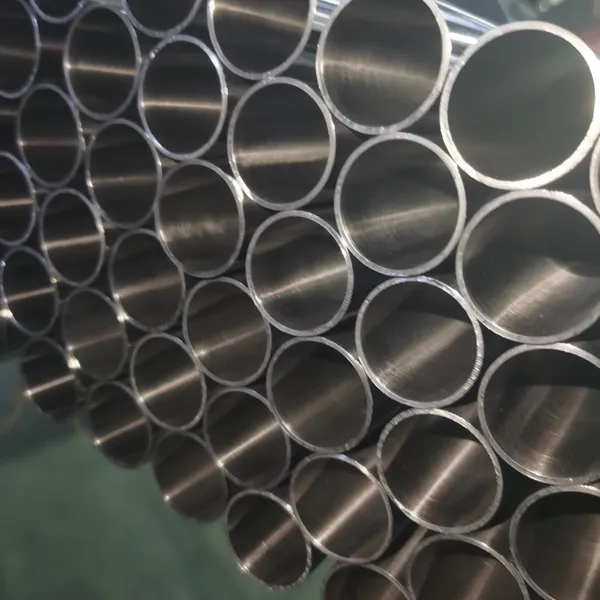
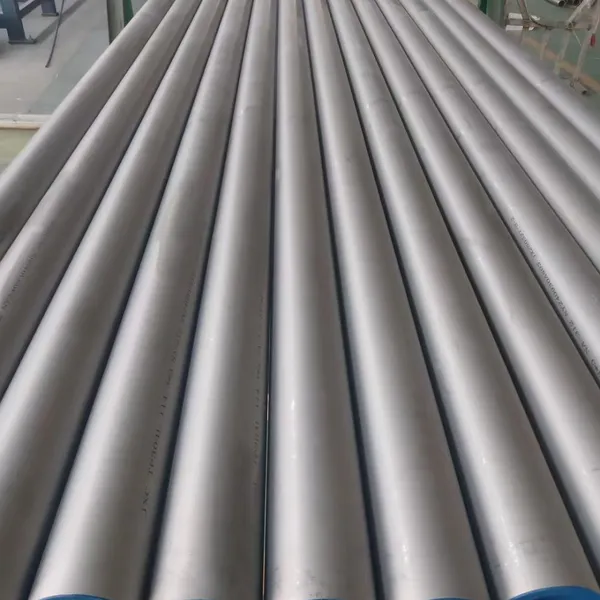
1. Proper stacking
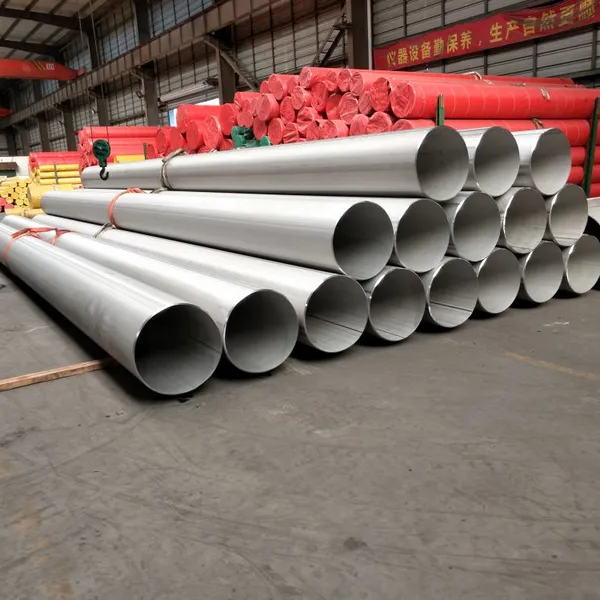
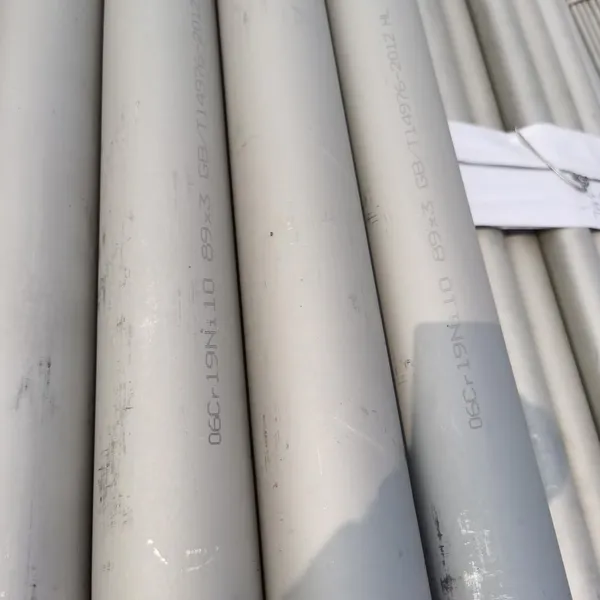
The principle for stacking stainless steel pipes is to stack them by type and specification in a stable and safe manner, to prevent confusion and corrosion, and also to facilitate our daily search.
2. Keep the warehouse clean and strengthen material maintenance
Before entering the warehouse, 304 stainless steel pipes need to be prevented from being exposed to rain or contaminated with impurities. For those that have been exposed to rain or become dirty, depending on their properties, other methods should be used to clean them. For those with high hardness, steel wire brushes can be used; for those with low hardness, cloth, cotton, etc. can be used for wiping. After entering the warehouse, regular inspections are required. If rust is found, the rust layer should be removed promptly. Usually, after the surface of stainless steel welded pipes is cleaned thoroughly, no oil needs to be applied; however, for thin-walled stainless steel pipes and alloy steel pipes, after rust removal, both the inner and outer surfaces should be coated with anti-rust oil before storage; for severely rusted ones, they should not be stored for too long and should be used as soon as possible after rust removal.
3. Select an appropriate location
For the storage of stainless steel pipes, the location should be clean and have good drainage. There should be no harmful gases or dust near the factory or mine. When storing steel pipes, they should not be placed together with corrosive materials such as acids, alkalis, salts, and cement. Different models should also be stored separately to avoid confusion and contact with corrosive substances.
The pipes must be covered with padding. Some thin-walled pipes are expensive, prone to corrosion, and still need to be stored in the warehouse; among them, the selection of the warehouse should be based on geographical conditions. Usually, a common closed warehouse is adopted, that is, a warehouse with a roof, walls, tight doors and windows, and ventilation facilities; the environmental requirements for the warehouse are to ensure good ventilation on sunny days and to close the warehouse to prevent moisture on rainy days.
4. Outer packaging design protection layer for steel pipes
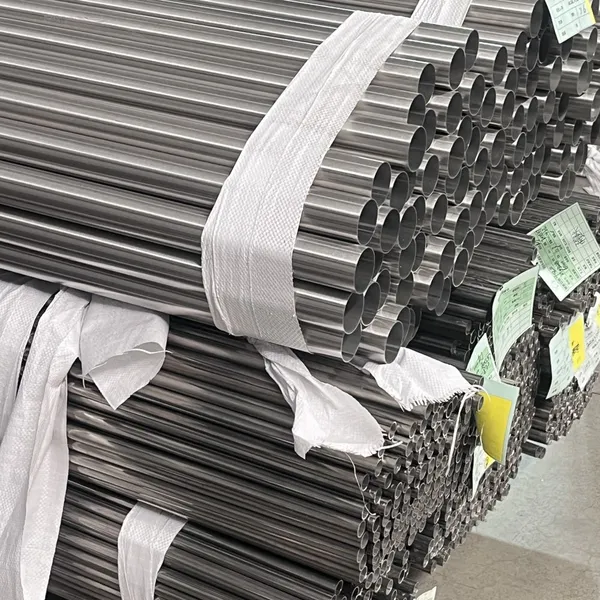
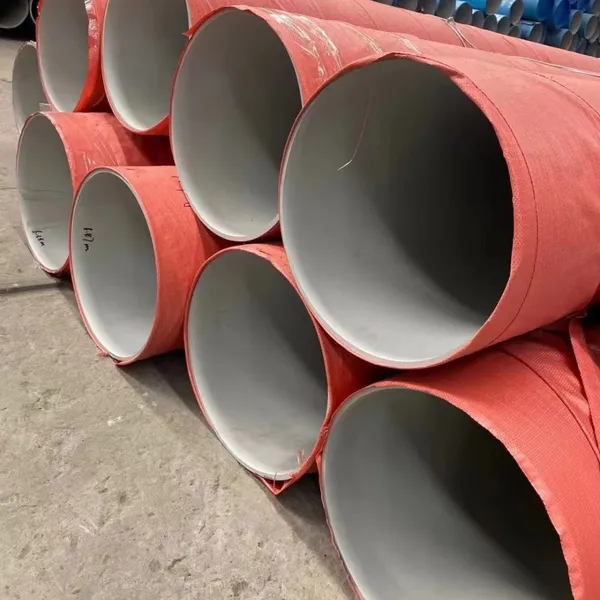
For 304 stainless steel pipes, surface treatment is usually carried out during production, and before leaving the factory, they are packaged uniformly in bags and sealed as a whole to prevent the pipes from coming into contact with the outside world and avoid product corrosion. This is an important measure to prevent material corrosion from the source. During transportation and handling, we should pay attention to environmental protection and avoid any damage, which can extend the storage period of the stainless steel materials.
This is all the information you need regarding how to store 304 stainless steel pipes. To store the pipes, you need to provide an outer packaging, find a suitable place for storage, stack them reasonably by type and specification. Additionally, keep the warehouse clean and strengthen the maintenance of the materials. If the stainless steel pipes you purchase need to be stored, please pay attention to the above points to prevent the performance of the pipes from being affected. Improper storage conditions not only cannot protect the stainless steel pipes but will also significantly reduce their performance.
Recently Posted
-
Does the stainless steel welded pipe have specific temperature requirements during the solution heat
January 20, 2026Solution heat treatment involves heating stainless steel to a high temperature and then rapidly cooling it to achieve an oversatur Read More
 -
Can stainless steel welded pipes be made into thick pipes
January 20, 2026With the improvement of high-quality welding technology and increasingly strict weld inspection, the application fields of s Read More
 -
Three types of commonly available food-grade stainless steel on the market
January 20, 2026The common food-grade stainless steel pipes are mainly composed of iron, chromium and carbon and other elements. Household stainle Read More
 -
What are the requirements for stainless steel welding pipe production equipment
January 20, 2026As is well known, stainless steel welded pipes have been widely used in various industries such as machinery, chemical engineering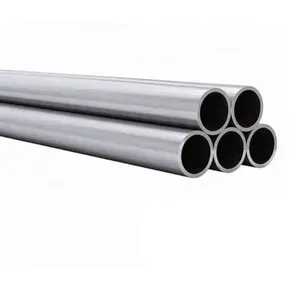 Read More

Contact Us
Recommended Products
-
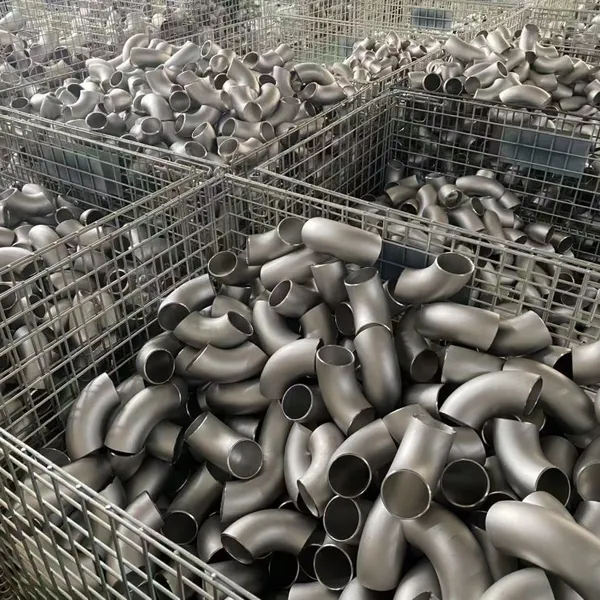
 Stainless Steel Elbow Welded Elbow 45/90/180-degree Seamless Pressed Elbow Long Radius Elbow Short Radius Elbow WholesaleNegotiableMOQ: 1 Piece
 -
316L/1.4405 Seamless Stainless Steel PipeNegotiableMOQ: 2 Meters
-
310s 440 Seamless Sanitary Piping Price 321 904l 201 20 Inch Seamless Steel Pipe A554 Stainless Steel PipeNegotiableMOQ: 1 Piece
-
China Brand ZZ Wholesale 304L 316 316L Welded Austenitic Piping Stainless Steel Pipe SupplierNegotiableMOQ: 2 Meters
-
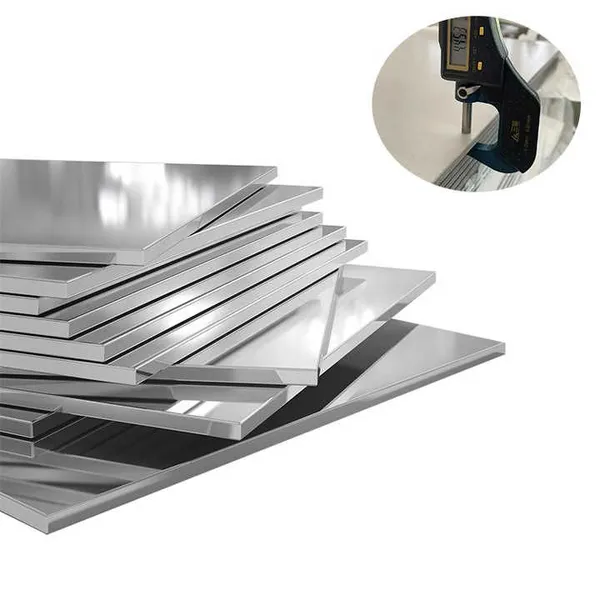
304/304L/316/409/410/904L/2205/2507/310H Premium Stainless Steel Sheets Supplier Custom Sizes & FinishesUS$ 1.72MOQ: 1 Ton
-
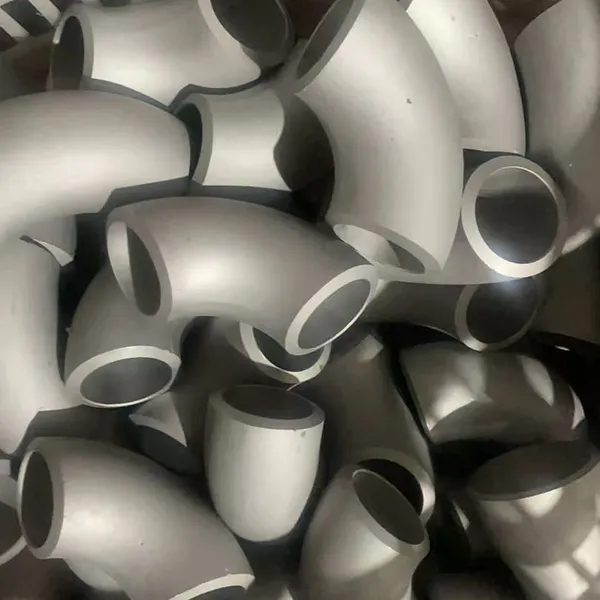
Stainless Steel ASME B16.9 Sch 45 90 Degree Pipe Fittings ElbowUS$ 8MOQ: 1 Piece
-
China Brand Zz 304L 316/316L GB En JIS Standard Thin Wall Welded Stainless Steel Water Pipe/TubeNegotiableMOQ: 2 Meters
-
BA 4 Inch 6 Inch 8 Inch 201 304 304L 316 316L Welded Seamless Stainless Steel PipeNegotiableMOQ: 2 Meters
-
ASME B36.19M-2004 SCH40S Stainless Steel Pipe - Complies With EU 3.1 CertificationUS$ 1 - 650MOQ: 1 Piece
-
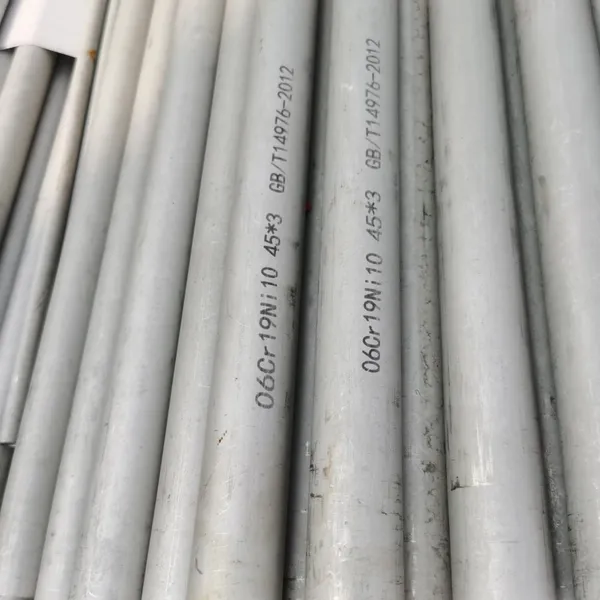
Factory TP309/TP309S/TP309H (UNS30900) Seamless Stainless Steel Pipe and Tube for Boiler BafflesUS$ 8MOQ: 200 Kilograms
-
TP347/TP347H/1.4961/S34709 Seamless Stainless Steel Pipe for UseNegotiableMOQ: 2 Meters
-
China 304 316 Stainless Steel Sanitary Welded Tube Food Grade Sanitary Grade Welded Pipe PolishingNegotiableMOQ: 1 Piece
-
China Manufacture Stainless Steel 316L Ba Seamless Welded Steel Pipe TubesUS$ 1760 - 1860MOQ: 5 Tons
-
316L/1.4405 Seamless Stainless Steel PipeNegotiableMOQ: 2 Meters
-
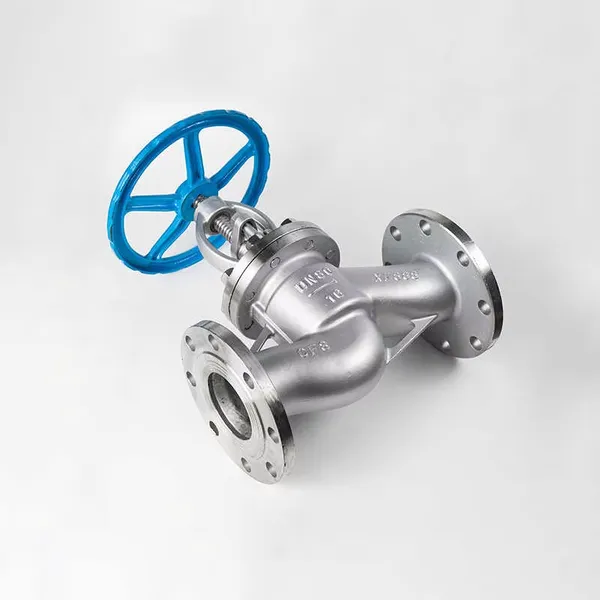
Stainless Steel Globe Valve – High Durability & Corrosion ResistanceNegotiableMOQ: 1 Piece
-
1.4529 Stainless Steel Flat Plate for Chemical Processing EquipmentUS$ 25 - 35MOQ: 1 Kilogram
-
Color Coated Steel Panels for Warehouse Partition Walls (Fireproof Grade)US$ 1 - 1.2MOQ: 50 Kilograms
-
Custom Width (600mm-1250mm) Colored Steel Coil With Scratch ResistanceUS$ 1 - 1.2MOQ: 50 Kilograms
-
0.5mm-3.0mm Colored Coated Steel Sheet With PVDF/Polyester CoatingUS$ 1 - 1.2MOQ: 50 Kilograms
-
JIS G 3322 Compliant Colored Coils With Third-Party Inspection ReportUS$ 1 - 1.2MOQ: 50 Kilograms