
 Business License

Today, let's talk about the advantages and applications of stainless steel pipes
I. Characteristics of Stainless Steel Pipes
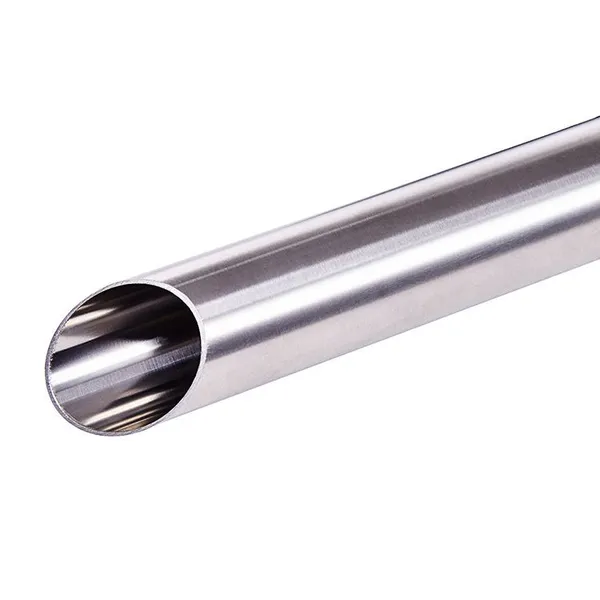
Stainless steel pipes possess stable chemical properties and do not contain any toxic elements or environmental pollutants. The inner wall of the pipe is smooth, making it resistant to rust and scaling. It is safe and hygienic, and all performance indicators meet the requirements of hygiene standards. Stainless steel water pipes can be directly used in direct drinking water systems without causing secondary pollution to the water quality inside the pipe. They comply with the drinking water health standards issued by the World Health Organization and meet the requirements of green and healthy standards.
Stainless steel water pipes have excellent mechanical properties, with strong impact resistance, good ductility and toughness, capable of withstanding powerful external forces, and their tensile strength is much higher than that of other pipe materials. In winter, water in plastic pipes may freeze due to low temperatures, causing pipe bursts, which requires careful protection. However, stainless steel pipes are basically not affected by temperature. They not only have excellent corrosion resistance, being able to withstand the impact of various acids, alkalis, and salt solutions, but also have good high-temperature strength, excellent fire resistance and heat radiation resistance, being less affected by thermal expansion and contraction. Their performance and shape will not change due to long-term high temperatures.
Plastic pipes do not recycle other materials and cause pollution to the environment. In contrast, stainless steel pipes can be 100% recycled and will not pollute the environment. Moreover, due to their excellent properties, they significantly reduce the possibility of water pipes leaking under external forces, saving water resources. Although the price of stainless steel pipes is higher than that of plastic pipes, the lifespan of stainless steel pipes is universally recognized and its performance is far superior to that of plastic pipes. They do not require pipeline maintenance, significantly reducing maintenance costs, and have a relatively better overall economic performance.
II. Applications of Stainless Steel Pipes
1. Sanitary-grade stainless steel water pipes
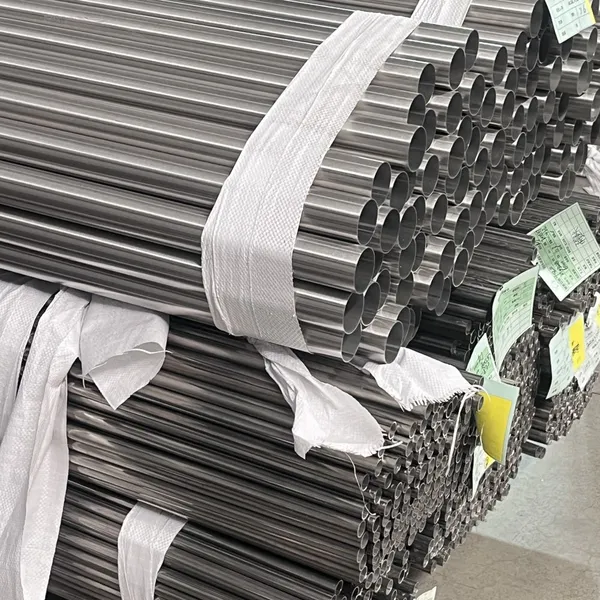
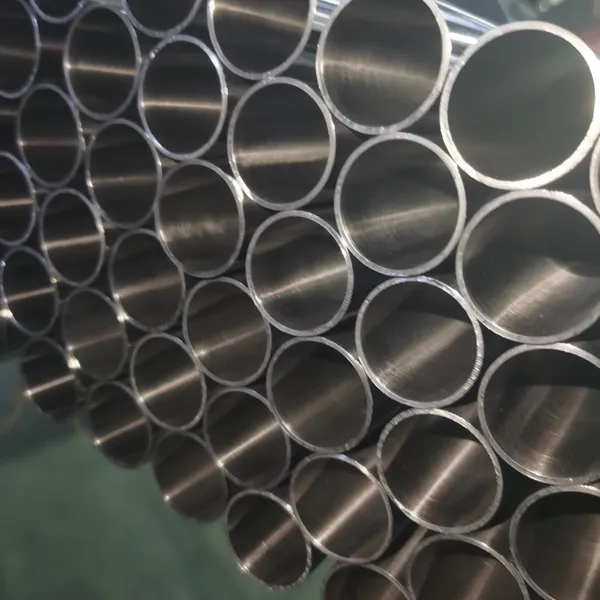
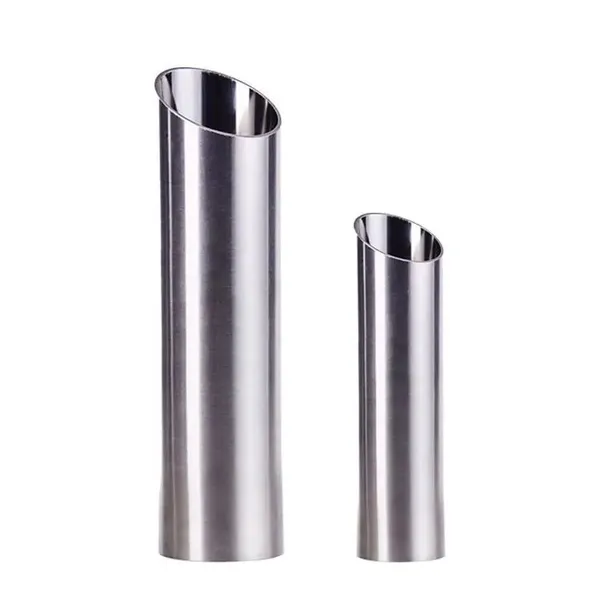
Sanitary-grade stainless steel pipes typically use 304 and 316L stainless steel, which are the most commonly used stainless steel materials on the market at present. Additionally, both the inside and outside of the pipes need to be polished to make the pipe surface extremely smooth and shiny, with a good passivation layer, easy to clean, less prone to adhering to media, and strong corrosion resistance. Stainless steel pipes commonly used in water supply projects must comply with hygiene and safety standards.
2. Stainless steel industrial pipes
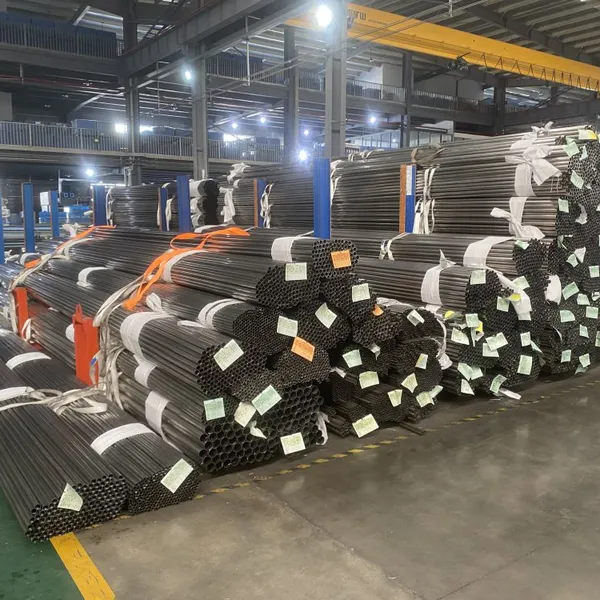
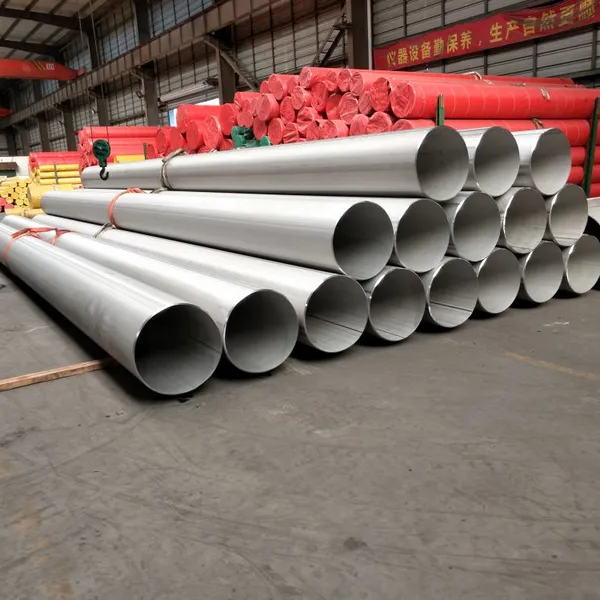
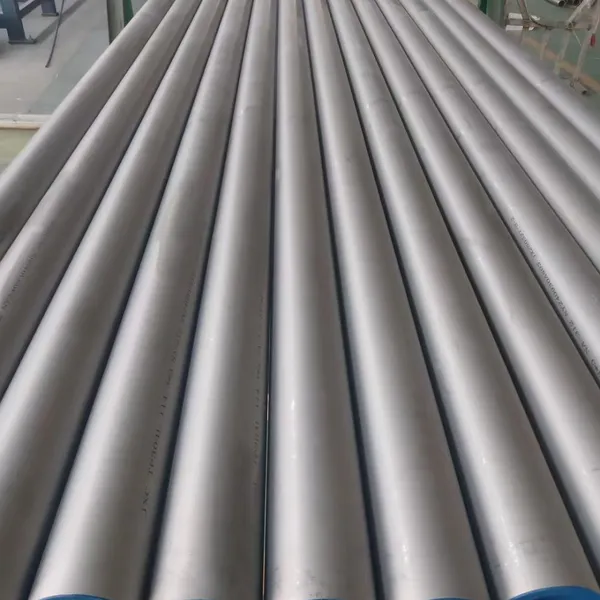
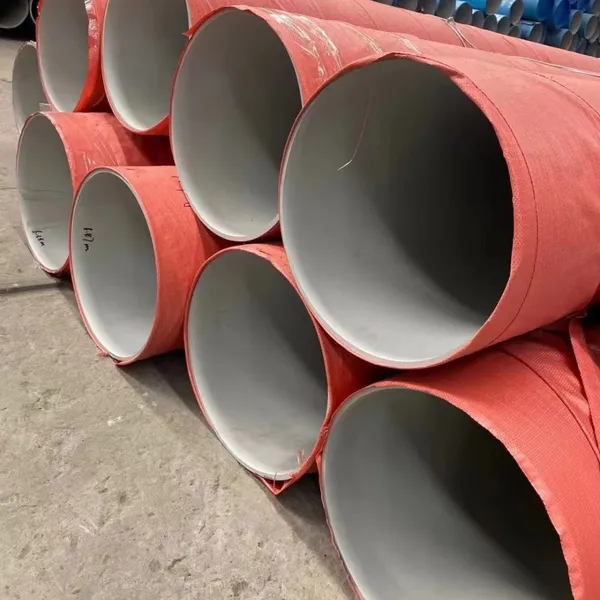
Hygienic-grade stainless steel pipes are used for water supply in enterprises and daily life, while food-grade stainless steel pipes are used in the processing industry of Chinese food. Stainless steel industrial pipes mainly include those used in drainage system engineering. Stainless steel industrial pipes have large diameters, thick walls, high pressure resistance, and corrosion resistance, and have low requirements for surface quality. Therefore, we do not need internal and external polishing treatment, reducing the number of processes in social production, as well as the cost and natural price compared to hygienic-grade and food-grade pipes, which are more favorable.
3. Stainless Steel Products Pipes
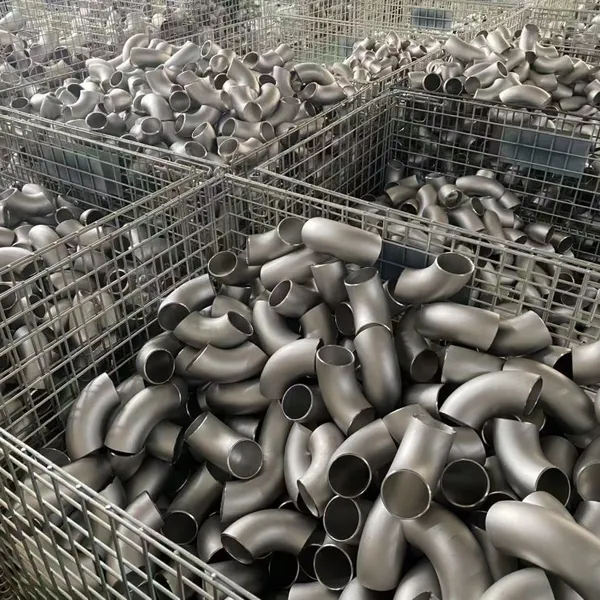
According to different requirements of customers, they can be classified into many different categories. For example, stainless steel furniture pipes, bathroom pipes, water supply pipes, and piping for mechanical equipment, etc. Features: strict requirements regarding specifications, surface brightness, and craftsmanship. There will also be requirements for elbows, expansion, and contraction.
Recently Posted
-
Does the stainless steel welded pipe have specific temperature requirements during the solution heat
January 20, 2026Solution heat treatment involves heating stainless steel to a high temperature and then rapidly cooling it to achieve an oversatur Read More
 -
Can stainless steel welded pipes be made into thick pipes
January 20, 2026With the improvement of high-quality welding technology and increasingly strict weld inspection, the application fields of s Read More
 -
Three types of commonly available food-grade stainless steel on the market
January 20, 2026The common food-grade stainless steel pipes are mainly composed of iron, chromium and carbon and other elements. Household stainle Read More
 -
What are the requirements for stainless steel welding pipe production equipment
January 20, 2026As is well known, stainless steel welded pipes have been widely used in various industries such as machinery, chemical engineering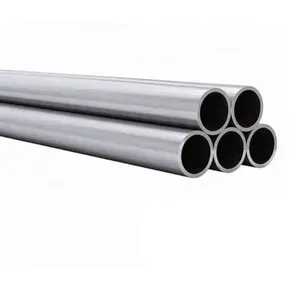 Read More

Contact Us
Recommended Products
-
 Stainless Steel Elbow Welded Elbow 45/90/180-degree Seamless Pressed Elbow Long Radius Elbow Short Radius Elbow WholesaleNegotiableMOQ: 1 Piece
 -
316L/1.4405 Seamless Stainless Steel PipeNegotiableMOQ: 2 Meters
-
310s 440 Seamless Sanitary Piping Price 321 904l 201 20 Inch Seamless Steel Pipe A554 Stainless Steel PipeNegotiableMOQ: 1 Piece
-
China Brand ZZ Wholesale 304L 316 316L Welded Austenitic Piping Stainless Steel Pipe SupplierNegotiableMOQ: 2 Meters
-
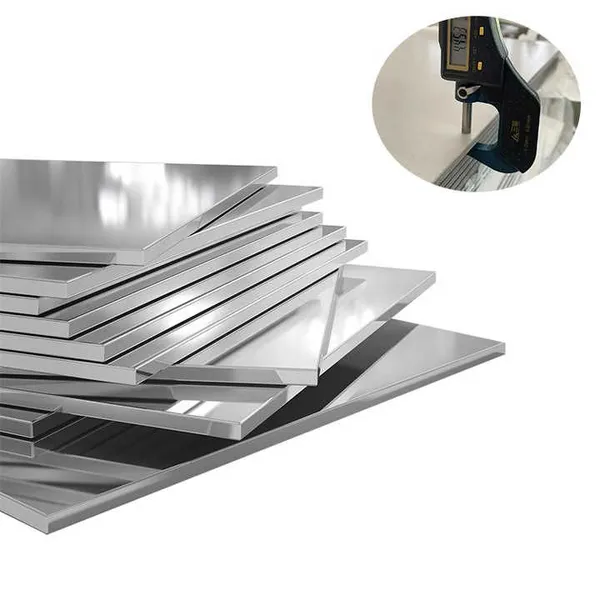
304/304L/316/409/410/904L/2205/2507/310H Premium Stainless Steel Sheets Supplier Custom Sizes & FinishesUS$ 1.72MOQ: 1 Ton
-
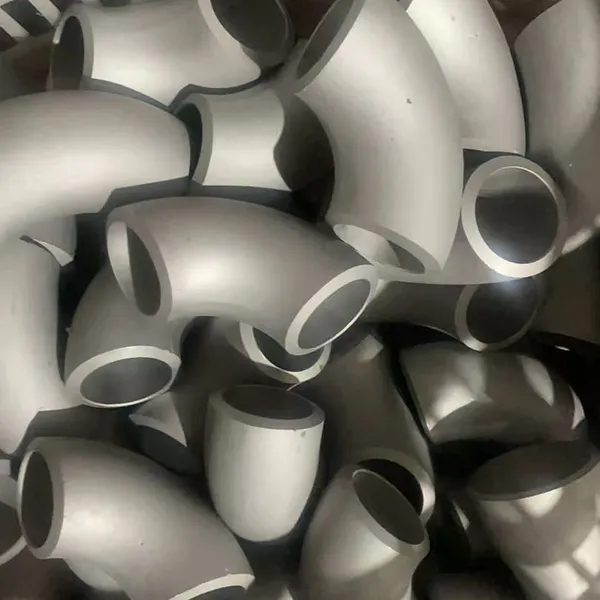
Stainless Steel ASME B16.9 Sch 45 90 Degree Pipe Fittings ElbowUS$ 8MOQ: 1 Piece
-
China Brand Zz 304L 316/316L GB En JIS Standard Thin Wall Welded Stainless Steel Water Pipe/TubeNegotiableMOQ: 2 Meters
-
BA 4 Inch 6 Inch 8 Inch 201 304 304L 316 316L Welded Seamless Stainless Steel PipeNegotiableMOQ: 2 Meters
-
ASME B36.19M-2004 SCH40S Stainless Steel Pipe - Complies With EU 3.1 CertificationUS$ 1 - 650MOQ: 1 Piece
-
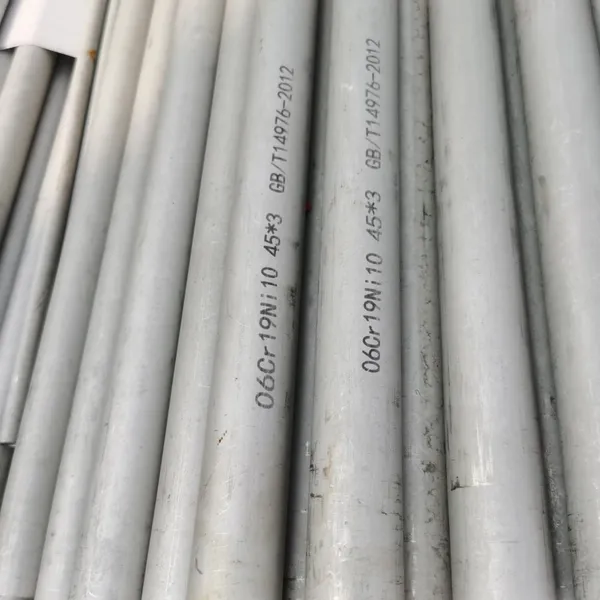
Factory TP309/TP309S/TP309H (UNS30900) Seamless Stainless Steel Pipe and Tube for Boiler BafflesUS$ 8MOQ: 200 Kilograms
-
TP347/TP347H/1.4961/S34709 Seamless Stainless Steel Pipe for UseNegotiableMOQ: 2 Meters
-
China 304 316 Stainless Steel Sanitary Welded Tube Food Grade Sanitary Grade Welded Pipe PolishingNegotiableMOQ: 1 Piece
-
China Manufacture Stainless Steel 316L Ba Seamless Welded Steel Pipe TubesUS$ 1760 - 1860MOQ: 5 Tons
-
316L/1.4405 Seamless Stainless Steel PipeNegotiableMOQ: 2 Meters
-
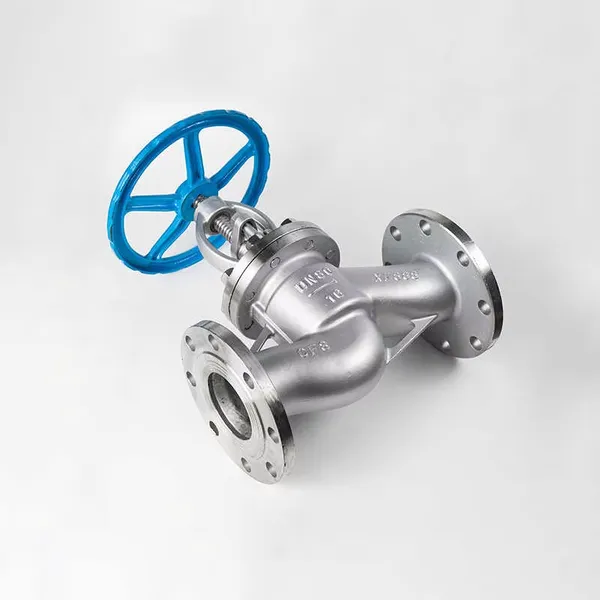
Stainless Steel Globe Valve – High Durability & Corrosion ResistanceNegotiableMOQ: 1 Piece
-
1.4529 Stainless Steel Flat Plate for Chemical Processing EquipmentUS$ 25 - 35MOQ: 1 Kilogram
-
Color Coated Steel Panels for Warehouse Partition Walls (Fireproof Grade)US$ 1 - 1.2MOQ: 50 Kilograms
-
Custom Width (600mm-1250mm) Colored Steel Coil With Scratch ResistanceUS$ 1 - 1.2MOQ: 50 Kilograms
-
0.5mm-3.0mm Colored Coated Steel Sheet With PVDF/Polyester CoatingUS$ 1 - 1.2MOQ: 50 Kilograms
-
JIS G 3322 Compliant Colored Coils With Third-Party Inspection ReportUS$ 1 - 1.2MOQ: 50 Kilograms