
 Business License

Revealing the Common Corrosion Types of Stainless Steel Pipes
Stainless steel water pipes have been widely used in water supply systems due to their excellent corrosion resistance and high strength. However, during actual use, stainless steel pipes may still suffer from various types of corrosion, which can affect their service life and safety. This article will reveal several common types of corrosion for stainless steel pipes, helping readers better understand and prevent these corrosion problems.
Intergranular corrosion
Intergranular corrosion is a common type of local corrosion in stainless steel water pipes. It mainly occurs in acidic media with medium concentration of sulfuric acid, high concentration of nitric acid, and organic acids. The characteristic of intergranular corrosion is that the corrosion proceeds along the grain boundaries, resulting in a lack of chromium at the grain boundaries, which further accelerates the corrosion. This type of corrosion is not easily observable from the outside, but it seriously affects the mechanical properties and corrosion resistance of the material.
preventive measure
Choose stainless steel materials with a low carbon content and avoid prolonged heating or slow cooling in the temperature range of 450 to 800 degrees Celsius to reduce the release of chromium carbide.
Carry out regular passivation treatment to enhance the corrosion resistance of the stainless steel surface.
2. Pitting corrosion
Pitting corrosion, also known as pitting, is a highly destructive form of local corrosion. It typically occurs in water solutions containing ions such as chlorine, bromine, and iodine, forming small holes that then rapidly corrode. In severe cases, it can penetrate the steel plate. The development speed of pitting corrosion is extremely fast and difficult to predict, posing a serious threat to the safe operation of stainless steel water pipes.
preventive measure
Select stainless steel materials with good resistance to pitting corrosion, such as those with high chromium and high molybdenum content.
Control the chloride ion content in the medium to prevent excessive usage.
3. Pitting Corrosion
Crevice corrosion occurs in the gaps formed between the surface of stainless steel water pipes and other objects, such as at the joints of rivets, gaskets, and bolts. Due to the poor flow of the solution within the gaps, active anions like chloride ions are concentrated, thereby accelerating the corrosion process. Crevice corrosion is often difficult to detect, but once it forms, it will rapidly expand, seriously affecting the sealing and safety of the water pipes.
preventive measure
Try to avoid creating any gaps on the surface of the stainless steel water pipes, and optimize the design and manufacturing processes.
Regularly inspect and maintain the connections of water pipes to ensure they are properly sealed.
4. Stress Corrosion Cracking (SCC)
Stress corrosion cracking refers to the failure phenomenon of stainless steel subjected to stress in a specific corrosive medium, where cracks propagate and cause the material to fail. It typically occurs in environments containing chloride ions, such as seawater and salt water. Stress corrosion cracking has a brittle fracture morphology, and the direction of crack propagation is approximately perpendicular to the tensile stress direction.
preventive measure
Select stainless steel materials with good resistance to stress corrosion, such as ferritic stainless steel or duplex stainless steel.
During the design and manufacturing processes, efforts should be made to minimize or eliminate residual stress and applied stress.
5. Comprehensive Corrosion
Overall corrosion refers to the corrosion phenomenon that occurs uniformly over the entire surface of the stainless steel water pipe. Although the rate of overall corrosion is relatively slow, it can still cause the material to gradually thin over time, ultimately affecting the strength and sealing performance of the pipe. Stainless steel is prone to overall corrosion in strong acid and strong alkali environments.
preventive measure
Avoid exposing the stainless steel water pipes to strong acids and strong bases.
Regularly conduct corrosion monitoring and assessment, and promptly take measures to prevent the occurrence of overall corrosion.
Conclusion
Although stainless steel water pipes have excellent corrosion resistance, they may still suffer from various types of corrosion during actual use. Understanding and preventing these corrosion types is of great significance for ensuring the safe operation of the pipes and extending their service life. By adopting reasonable material selection, design, and maintenance measures, we can effectively reduce the corrosion problems of stainless steel pipes and ensure their long-term stable operation.
Recently Posted
-
Does the stainless steel welded pipe have specific temperature requirements during the solution heat
January 20, 2026Solution heat treatment involves heating stainless steel to a high temperature and then rapidly cooling it to achieve an oversatur Read More
 -
Can stainless steel welded pipes be made into thick pipes
January 20, 2026With the improvement of high-quality welding technology and increasingly strict weld inspection, the application fields of s Read More
 -
Three types of commonly available food-grade stainless steel on the market
January 20, 2026The common food-grade stainless steel pipes are mainly composed of iron, chromium and carbon and other elements. Household stainle Read More
 -
What are the requirements for stainless steel welding pipe production equipment
January 20, 2026As is well known, stainless steel welded pipes have been widely used in various industries such as machinery, chemical engineering Read More

Contact Us
Recommended Products
-
 Stainless Steel Elbow Welded Elbow 45/90/180-degree Seamless Pressed Elbow Long Radius Elbow Short Radius Elbow WholesaleNegotiableMOQ: 1 Piece
 -
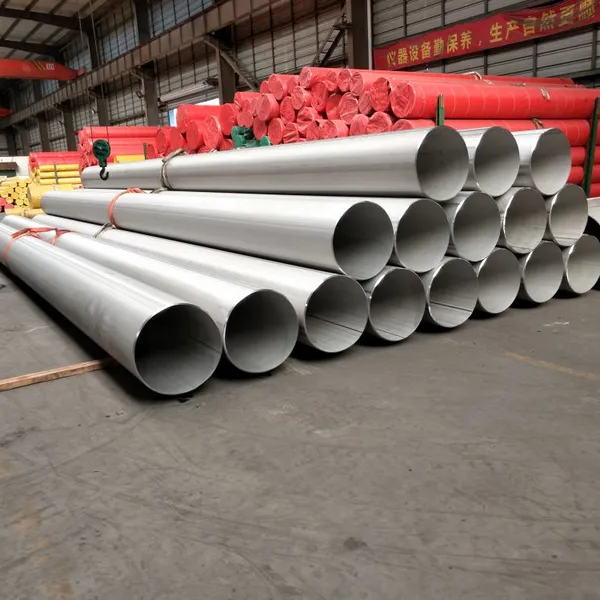
316L/1.4405 Seamless Stainless Steel PipeNegotiableMOQ: 2 Meters
-
310s 440 Seamless Sanitary Piping Price 321 904l 201 20 Inch Seamless Steel Pipe A554 Stainless Steel PipeNegotiableMOQ: 1 Piece
-
China Brand ZZ Wholesale 304L 316 316L Welded Austenitic Piping Stainless Steel Pipe SupplierNegotiableMOQ: 2 Meters
-
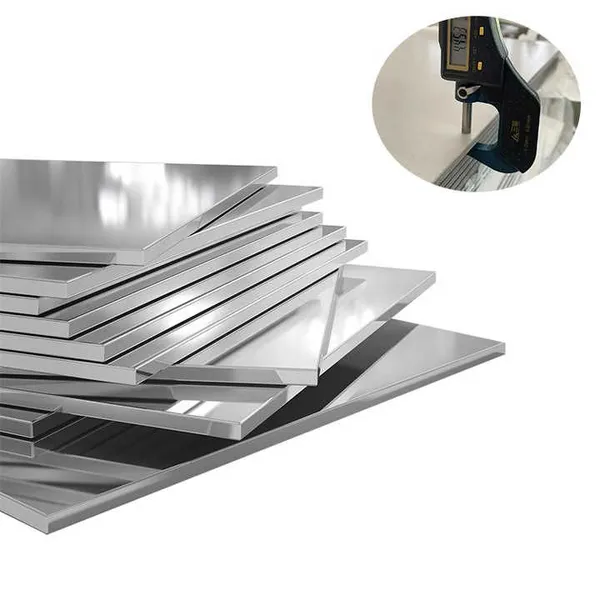
304/304L/316/409/410/904L/2205/2507/310H Premium Stainless Steel Sheets Supplier Custom Sizes & FinishesUS$ 1.72MOQ: 1 Ton
-
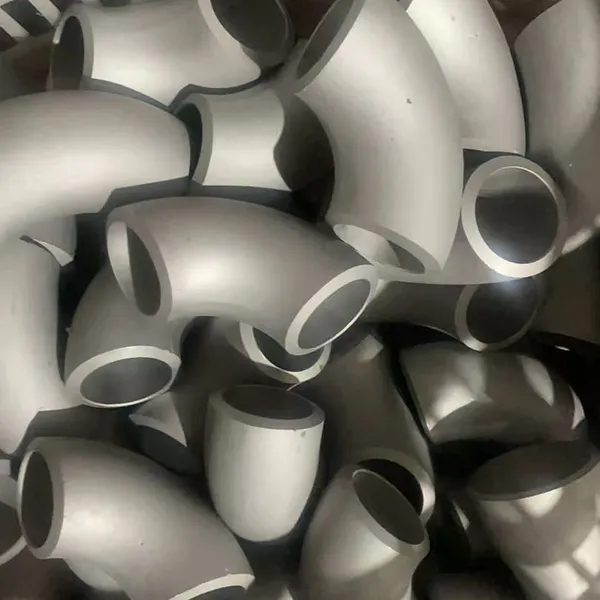
Stainless Steel ASME B16.9 Sch 45 90 Degree Pipe Fittings ElbowUS$ 8MOQ: 1 Piece
-
China Brand Zz 304L 316/316L GB En JIS Standard Thin Wall Welded Stainless Steel Water Pipe/TubeNegotiableMOQ: 2 Meters
-
BA 4 Inch 6 Inch 8 Inch 201 304 304L 316 316L Welded Seamless Stainless Steel PipeNegotiableMOQ: 2 Meters
-
ASME B36.19M-2004 SCH40S Stainless Steel Pipe - Complies With EU 3.1 CertificationUS$ 1 - 650MOQ: 1 Piece
-
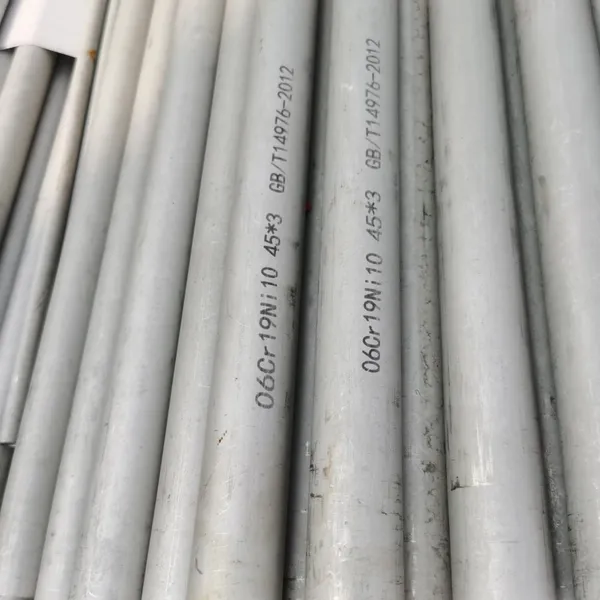
Factory TP309/TP309S/TP309H (UNS30900) Seamless Stainless Steel Pipe and Tube for Boiler BafflesUS$ 8MOQ: 200 Kilograms
-
TP347/TP347H/1.4961/S34709 Seamless Stainless Steel Pipe for UseNegotiableMOQ: 2 Meters
-
China 304 316 Stainless Steel Sanitary Welded Tube Food Grade Sanitary Grade Welded Pipe PolishingNegotiableMOQ: 1 Piece
-
China Manufacture Stainless Steel 316L Ba Seamless Welded Steel Pipe TubesUS$ 1760 - 1860MOQ: 5 Tons
-
316L/1.4405 Seamless Stainless Steel PipeNegotiableMOQ: 2 Meters
-
Stainless Steel Globe Valve – High Durability & Corrosion ResistanceNegotiableMOQ: 1 Piece
-
1.4529 Stainless Steel Flat Plate for Chemical Processing EquipmentUS$ 25 - 35MOQ: 1 Kilogram
-
Color Coated Steel Panels for Warehouse Partition Walls (Fireproof Grade)US$ 1 - 1.2MOQ: 50 Kilograms
-
Custom Width (600mm-1250mm) Colored Steel Coil With Scratch ResistanceUS$ 1 - 1.2MOQ: 50 Kilograms
-
0.5mm-3.0mm Colored Coated Steel Sheet With PVDF/Polyester CoatingUS$ 1 - 1.2MOQ: 50 Kilograms
-
JIS G 3322 Compliant Colored Coils With Third-Party Inspection ReportUS$ 1 - 1.2MOQ: 50 Kilograms