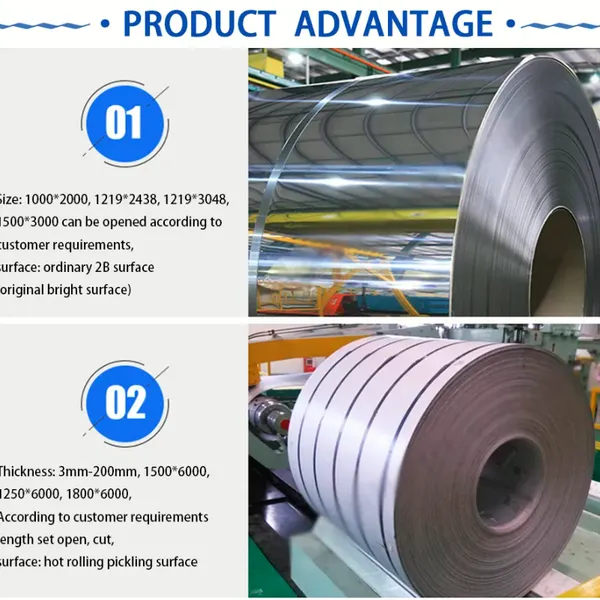

 Business License

Introduction to the classification of stainless steel pipes
Stainless steel pipes, as a widely used material in various fields such as construction, industry, and healthcare, come in numerous types, each with its own specific application and characteristics. Understanding the classification of stainless steel pipes can help us make better choices and use this material more effectively. This article will provide a detailed introduction to the main classifications of stainless steel pipes, helping readers better understand this material.
I. Classification by Components
Cr series (400 series): This type of stainless steel mainly contains chromium and has good corrosion resistance and wear resistance. However, it usually does not have the excellent welding properties and toughness like austenitic stainless steel. Typical representatives include 409, 410, 430, etc.
Cr-Ni series (300 series): This is the most common stainless steel series, containing chromium and nickel elements. It has excellent corrosion resistance and toughness, and also has good weldability. Typical representatives include 304 and 316, among which 304 stainless steel is the most commonly used food-grade stainless steel.
Cr-Mn-Ni (200 series): This is a low-cost stainless steel that contains chromium, manganese and nickel. Although its corrosion resistance and toughness are slightly lower than those of the 300 series, it is more economical in terms of price.
Eutectic hardening series (600 series): This type of stainless steel enhances its strength and hardness by incorporating eutectic hardening elements (such as copper, aluminum, etc.), and is suitable for applications requiring high strength and corrosion resistance.
II. Classification by Organization Type
Austenitic stainless steel: such as 304, 316, etc., possess excellent corrosion resistance, formability and weldability, and are non-magnetic or weakly magnetic. It is widely used in food processing, chemical industry, medical devices and other fields.
Ferritic stainless steel: such as 430, has a high chromium content, possesses excellent corrosion resistance and oxidation resistance, is magnetic, and has a higher thermal conductivity than austenitic stainless steel. It is suitable for manufacturing some utensils that require high thermal conductivity.
Martensitic stainless steel: such as 410, 440, etc. The main alloying elements are chromium, iron and carbon. Through heat treatment, its hardness and strength can be changed. It is commonly used for manufacturing tools, cutting tools, mechanical parts, etc.
Duplex stainless steel: It combines the advantages of austenitic and ferritic stainless steel, featuring high strength, excellent corrosion resistance and weldability. It is suitable for some occasions where the material performance is highly demanded, such as marine engineering and chemical equipment.
III. Classification by Function
Decorative stainless steel pipes: Mainly used in architectural decoration and interior renovation, they have high requirements for appearance. Usually, various surface treatments such as polishing, sandblasting, and coloring are carried out.
Industrial stainless steel pipes: Applied in industries such as chemical engineering, petroleum, power, papermaking, and pharmaceuticals. Depending on the specific usage environment and requirements, different materials and specifications of stainless steel pipes should be selected.
Stainless steel pipes for food hygiene: Used in food processing, beverages, dairy products and other industries, the hygiene performance of the material is extremely demanding. They must comply with relevant food hygiene standards.
Structural stainless steel tubes: Used in building structures, bridges, mechanical structures, etc., they need to have high strength and stability.
IV. Classification by Production Process
Seamless stainless steel pipe: It is produced by the seamless pipe manufacturing process. The solid steel billet is processed through perforation, rolling, etc., to form a seamless pipe. The quality of seamless stainless steel pipes is high and their performance is stable. They are suitable for applications where high quality of pipe materials is required.
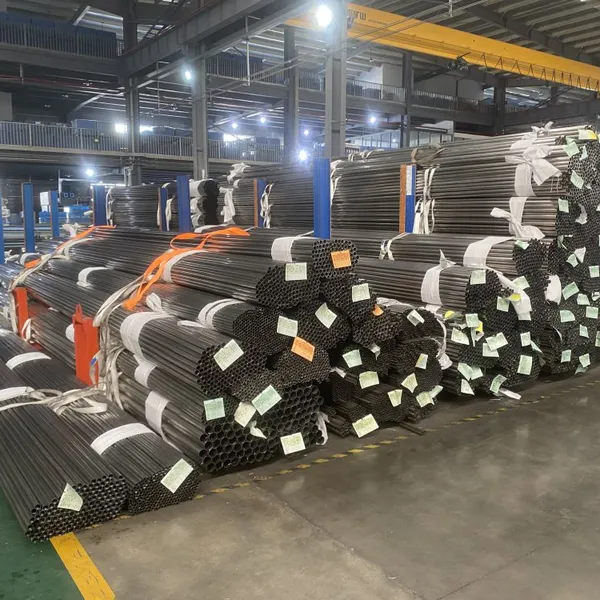
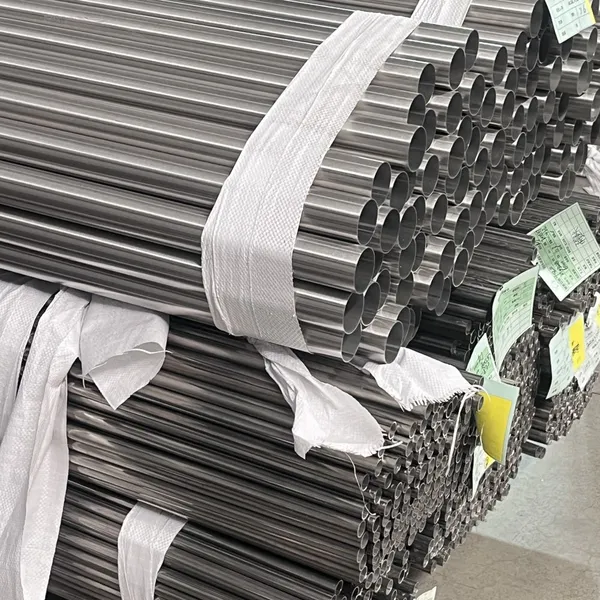
Welding stainless steel pipes: Stainless steel plates or steel strips are welded together to form pipe materials. Common welding methods include argon arc welding, high-frequency welding, and plasma welding, etc. The production efficiency of welding stainless steel pipes is high and the cost is low, but the performance of the welding area may be affected to some extent.
In conclusion, the classification of stainless steel pipes is diverse. Each type has its own unique characteristics and application fields. Understanding these classifications helps us select the appropriate stainless steel pipe material based on specific needs, ensuring the smooth progress of the project and the maximum utilization of the materials.
Recently Posted
-
Does the stainless steel welded pipe have specific temperature requirements during the solution heat
January 20, 2026Solution heat treatment involves heating stainless steel to a high temperature and then rapidly cooling it to achieve an oversatur Read More
 -
Can stainless steel welded pipes be made into thick pipes
January 20, 2026With the improvement of high-quality welding technology and increasingly strict weld inspection, the application fields of s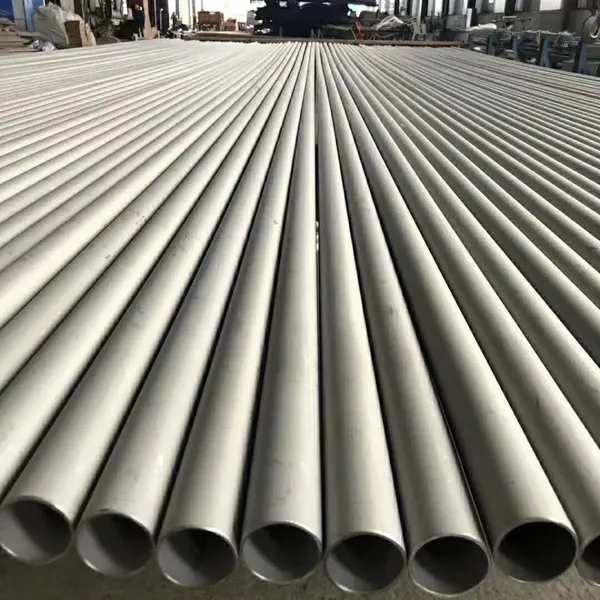 Read More
 -
Three types of commonly available food-grade stainless steel on the market
January 20, 2026The common food-grade stainless steel pipes are mainly composed of iron, chromium and carbon and other elements. Household stainle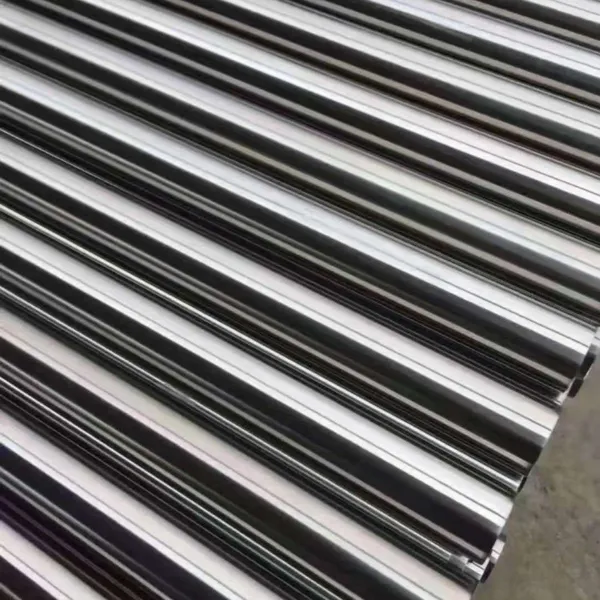 Read More
 -
What are the requirements for stainless steel welding pipe production equipment
January 20, 2026As is well known, stainless steel welded pipes have been widely used in various industries such as machinery, chemical engineering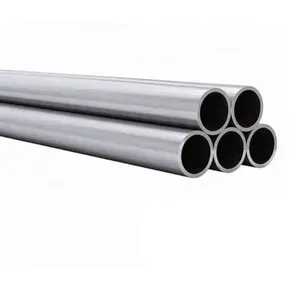 Read More

Contact Us
Recommended Products
-
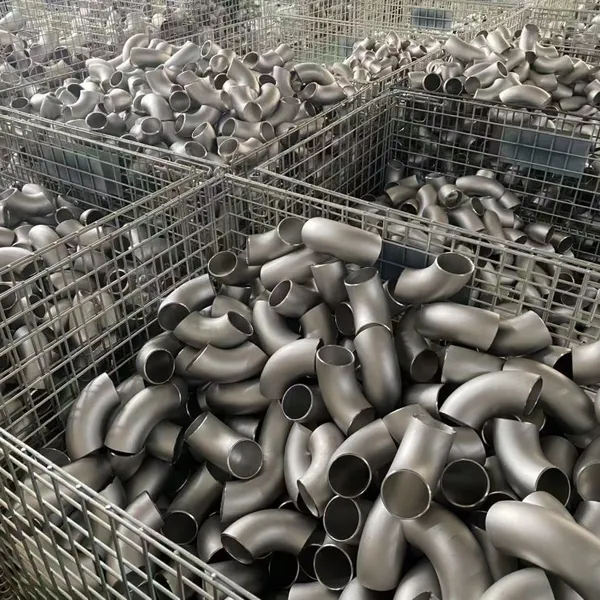
 Stainless Steel Elbow Welded Elbow 45/90/180-degree Seamless Pressed Elbow Long Radius Elbow Short Radius Elbow WholesaleNegotiableMOQ: 1 Piece
 -
316L/1.4405 Seamless Stainless Steel PipeNegotiableMOQ: 2 Meters
-
310s 440 Seamless Sanitary Piping Price 321 904l 201 20 Inch Seamless Steel Pipe A554 Stainless Steel PipeNegotiableMOQ: 1 Piece
-
China Brand ZZ Wholesale 304L 316 316L Welded Austenitic Piping Stainless Steel Pipe SupplierNegotiableMOQ: 2 Meters
-
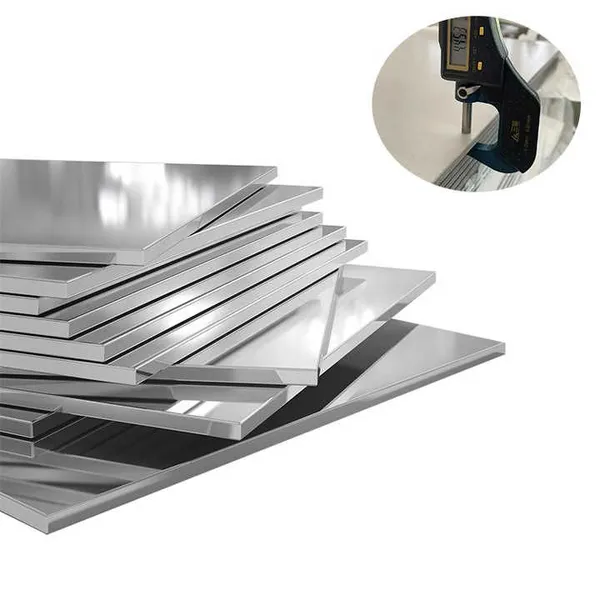
304/304L/316/409/410/904L/2205/2507/310H Premium Stainless Steel Sheets Supplier Custom Sizes & FinishesUS$ 1.72MOQ: 1 Ton
-
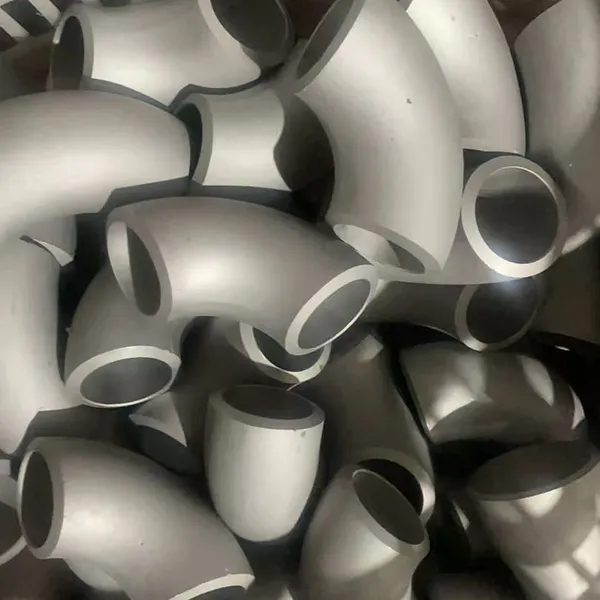
Stainless Steel ASME B16.9 Sch 45 90 Degree Pipe Fittings ElbowUS$ 8MOQ: 1 Piece
-
China Brand Zz 304L 316/316L GB En JIS Standard Thin Wall Welded Stainless Steel Water Pipe/TubeNegotiableMOQ: 2 Meters
-
BA 4 Inch 6 Inch 8 Inch 201 304 304L 316 316L Welded Seamless Stainless Steel PipeNegotiableMOQ: 2 Meters
-
ASME B36.19M-2004 SCH40S Stainless Steel Pipe - Complies With EU 3.1 CertificationUS$ 1 - 650MOQ: 1 Piece
-
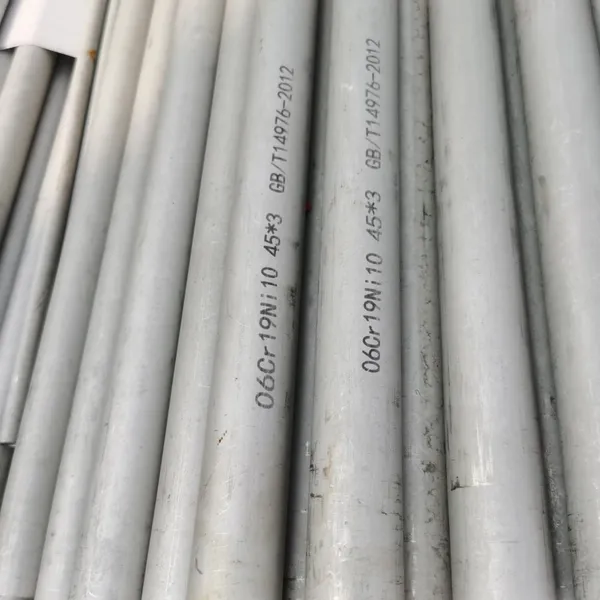
Factory TP309/TP309S/TP309H (UNS30900) Seamless Stainless Steel Pipe and Tube for Boiler BafflesUS$ 8MOQ: 200 Kilograms
-
TP347/TP347H/1.4961/S34709 Seamless Stainless Steel Pipe for UseNegotiableMOQ: 2 Meters
-
China 304 316 Stainless Steel Sanitary Welded Tube Food Grade Sanitary Grade Welded Pipe PolishingNegotiableMOQ: 1 Piece
-
China Manufacture Stainless Steel 316L Ba Seamless Welded Steel Pipe TubesUS$ 1760 - 1860MOQ: 5 Tons
-
316L/1.4405 Seamless Stainless Steel PipeNegotiableMOQ: 2 Meters
-
Stainless Steel Globe Valve – High Durability & Corrosion ResistanceNegotiableMOQ: 1 Piece
-
1.4529 Stainless Steel Flat Plate for Chemical Processing EquipmentUS$ 25 - 35MOQ: 1 Kilogram
-
Color Coated Steel Panels for Warehouse Partition Walls (Fireproof Grade)US$ 1 - 1.2MOQ: 50 Kilograms
-
Custom Width (600mm-1250mm) Colored Steel Coil With Scratch ResistanceUS$ 1 - 1.2MOQ: 50 Kilograms
-
0.5mm-3.0mm Colored Coated Steel Sheet With PVDF/Polyester CoatingUS$ 1 - 1.2MOQ: 50 Kilograms
-
JIS G 3322 Compliant Colored Coils With Third-Party Inspection ReportUS$ 1 - 1.2MOQ: 50 Kilograms