
 Business License

Introduction to the packaging standards for 304 thin-walled stainless steel water pipes
In modern architecture, water supply and drainage systems, and the industrial sector, 304 thin-walled stainless steel pipes have gradually become a popular choice in the market due to their excellent corrosion resistance, high strength, and good hygiene properties. However, to ensure that these high-quality pipes are not damaged during transportation, storage, and installation, strict packaging requirements have been set. This article will deeply explore the specific packaging requirements for 304 thin-walled stainless steel pipes and how these requirements guarantee the quality and safety of the pipes.
1. A balance between protection and identification
Protective packaging
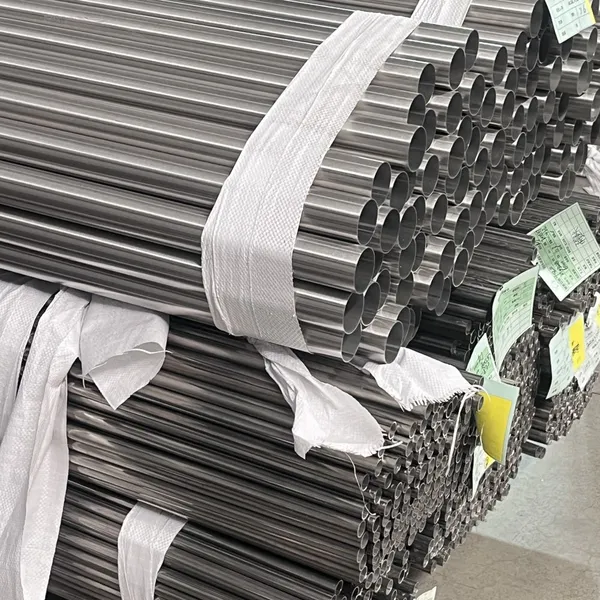
Before leaving the factory, the merchants will affix labels on the surface of the 304 thin-walled stainless steel pipes, indicating the merchant's name, trademark, material code, size and standard number, etc. This is not only a proof of the product's identity but also an embodiment of quality assurance. Subsequently, the pipes will undergo meticulous packaging to prevent physical damage such as scratches and impacts during transportation and storage. Common packaging methods include tightly wrapping with snake skin bags or plastic bags, and covering the pipe opening with a blue cap as protection to ensure that every detail of the pipe is properly taken care of.
2. Clear identification
In addition to physical protection, the labels on the packaging are also of great significance. Clear and accurate labels not only facilitate customers' identification and use, but also enable quick traceability to the production source in case of any problems. Therefore, merchants should ensure that all label information is complete, error-free, and complies with relevant standards and regulations during the packaging process.
II. Diversified Packaging to Meet Different Needs
Industrial packaging
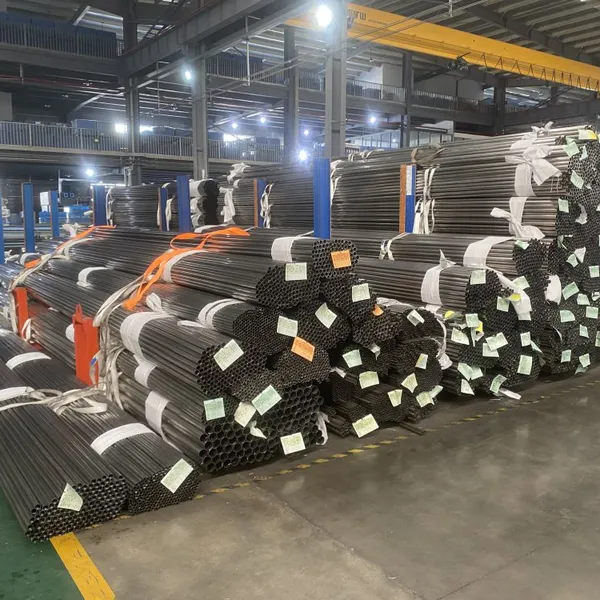
For 304 thin-walled stainless steel water pipes used for industrial purposes, they are usually tied and fixed with iron wire, then wrapped in woven bags for packaging, and sealed at both ends with transparent adhesive tape. This packaging method is simple, practical, and low-cost, and is suitable for large-scale transportation and storage.
2. Precision stainless steel tube packaging
For more precise stainless steel pipes with higher requirements, the packaging method is more complex. A common approach is to wrap the pipes with plastic foam, then divide them into smaller bundles, tighten them with cloth strips, and finally package them in woven bags and secure them with adhesive tape. This method can effectively reduce the damage to the pipes caused by vibrations and friction. For high-end customers, they may also choose to use standardized wooden crates for packaging to provide a higher level of protection.
3. Foreign trade and special packaging
For 304 thin-walled stainless steel water pipes with export or special requirements, the packaging method may be more complex. For instance, internal plugs are added at both ends to prevent dust and impurities from entering the pipe interior. At the same time, multi-layer packaging is carried out using non-woven fabric and woven bags on the outside. Each water pipe may also be wrapped with transparent tape to enhance sealing and stability. In cases of large-scale transportation, wooden boxes may be used for packaging to provide stronger protection.
III. Notes on Transportation and Storage
Protection during transportation
During transportation, it is necessary to ensure that the pipeline is securely tied down to prevent any collisions or rolling during the vehicle's movement. At the same time, transportation should be avoided during rainy days to prevent corrosion caused by rainwater. After reaching the destination, the pipeline should be placed as soon as possible in a clean area free from corrosive chemicals and other debris.
2. Control of the storage environment
The 304 thin-walled stainless steel water pipes should be stored in a dry, clean environment free from corrosive gases, avoiding disorderly stacking and mixed placement with other objects. The stacking height should not exceed 5 layers and they should not be stored outdoors to prevent moisture and corrosion. During storage, the condition of the pipes should be checked regularly to ensure they are intact.
IV. Conclusion
In conclusion, the 304 thin-walled stainless steel water pipes have very strict requirements for packaging. By focusing on both protection and identification, we ensure that the pipes are not damaged during transportation, storage, and installation. At the same time, we provide various packaging methods according to different needs to meet the requirements of different customer groups. These requirements not only reflect the merchants' emphasis on product quality but also provide customers with a safer and more reliable solution.
Recently Posted
-
Does the stainless steel welded pipe have specific temperature requirements during the solution heat
January 20, 2026Solution heat treatment involves heating stainless steel to a high temperature and then rapidly cooling it to achieve an oversatur Read More
 -
Can stainless steel welded pipes be made into thick pipes
January 20, 2026With the improvement of high-quality welding technology and increasingly strict weld inspection, the application fields of s Read More
 -
Three types of commonly available food-grade stainless steel on the market
January 20, 2026The common food-grade stainless steel pipes are mainly composed of iron, chromium and carbon and other elements. Household stainle Read More
 -
What are the requirements for stainless steel welding pipe production equipment
January 20, 2026As is well known, stainless steel welded pipes have been widely used in various industries such as machinery, chemical engineering Read More

Contact Us
Recommended Products
-
 Stainless Steel Elbow Welded Elbow 45/90/180-degree Seamless Pressed Elbow Long Radius Elbow Short Radius Elbow WholesaleNegotiableMOQ: 1 Piece
 -
316L/1.4405 Seamless Stainless Steel PipeNegotiableMOQ: 2 Meters
-
310s 440 Seamless Sanitary Piping Price 321 904l 201 20 Inch Seamless Steel Pipe A554 Stainless Steel PipeNegotiableMOQ: 1 Piece
-
China Brand ZZ Wholesale 304L 316 316L Welded Austenitic Piping Stainless Steel Pipe SupplierNegotiableMOQ: 2 Meters
-
304/304L/316/409/410/904L/2205/2507/310H Premium Stainless Steel Sheets Supplier Custom Sizes & FinishesUS$ 1.72MOQ: 1 Ton
-
Stainless Steel ASME B16.9 Sch 45 90 Degree Pipe Fittings ElbowUS$ 8MOQ: 1 Piece
-
China Brand Zz 304L 316/316L GB En JIS Standard Thin Wall Welded Stainless Steel Water Pipe/TubeNegotiableMOQ: 2 Meters
-
BA 4 Inch 6 Inch 8 Inch 201 304 304L 316 316L Welded Seamless Stainless Steel PipeNegotiableMOQ: 2 Meters
-
ASME B36.19M-2004 SCH40S Stainless Steel Pipe - Complies With EU 3.1 CertificationUS$ 1 - 650MOQ: 1 Piece
-
Factory TP309/TP309S/TP309H (UNS30900) Seamless Stainless Steel Pipe and Tube for Boiler BafflesUS$ 8MOQ: 200 Kilograms
-
TP347/TP347H/1.4961/S34709 Seamless Stainless Steel Pipe for UseNegotiableMOQ: 2 Meters
-
China 304 316 Stainless Steel Sanitary Welded Tube Food Grade Sanitary Grade Welded Pipe PolishingNegotiableMOQ: 1 Piece
-
China Manufacture Stainless Steel 316L Ba Seamless Welded Steel Pipe TubesUS$ 1760 - 1860MOQ: 5 Tons
-
316L/1.4405 Seamless Stainless Steel PipeNegotiableMOQ: 2 Meters
-
Stainless Steel Globe Valve – High Durability & Corrosion ResistanceNegotiableMOQ: 1 Piece
-
1.4529 Stainless Steel Flat Plate for Chemical Processing EquipmentUS$ 25 - 35MOQ: 1 Kilogram
-
Color Coated Steel Panels for Warehouse Partition Walls (Fireproof Grade)US$ 1 - 1.2MOQ: 50 Kilograms
-
Custom Width (600mm-1250mm) Colored Steel Coil With Scratch ResistanceUS$ 1 - 1.2MOQ: 50 Kilograms
-
0.5mm-3.0mm Colored Coated Steel Sheet With PVDF/Polyester CoatingUS$ 1 - 1.2MOQ: 50 Kilograms
-
JIS G 3322 Compliant Colored Coils With Third-Party Inspection ReportUS$ 1 - 1.2MOQ: 50 Kilograms