
 Business License

14 Common Types of Water Supply and Drainage Pipes Selection Details - Part 2
VIII. Welded Steel Pipes
1. Building Materials Knowledge
Welded steel pipes refer to steel pipes that are formed into circular or square shapes by bending steel strips or plates, then welded together. These pipes have seams on their surfaces. The raw materials used for welded steel pipes are steel plates or strips. Welded steel pipes have lower costs and higher production efficiency compared to seamless steel pipes.
2. Common Specifications
Nominal Diameter: DN15, DN20, DN25, DN32, DN40, DN50, DN65, DN80, DN100, DN150, DN200, DN250, DN300, DN350, DN400, DN500, DN600, DN700, DN800, DN900, DN1000, DN1200
3. Connection Methods
For DN ≤ 80mm, threaded connection; for DN ≥ 100mm, welding or flange connection
4. Applicable Specifications and Standards
For DN ≤ 80mm, threaded connection; for DN ≥ 100mm, welding or flange connection. "Low-pressure fluid transportation welded steel pipes" GB/T 3091-2008
5. Material Skills
Generally used for circulating cooling water pipelines, pressure drainage pipelines, and rainwater pipelines in factories and high-rise buildings.
IX. Chlorinated Polyvinyl Chloride (PVC-C) Water Supply Pipes
1. Building Materials Knowledge
PVC-C pipes are pipe fittings made from chlorinated polyvinyl chloride resin. Its remarkable advantages lie in its durability, corrosion resistance, resistance to acids and alkalis, aging resistance, low thermal expansion coefficient, low thermal conductivity, good flame retardancy, and excellent hygiene performance. PVC-C pipes comply with all hygiene standards for plastic cold and hot water pipes in China and have a very promising market prospect. In foreign countries, PVC-C is widely used for manufacturing domestic cold and hot water transportation pipes and pipe fittings. Its heat loss is low, it does not drip water, there is no water scale accumulation, it can be continuously used at a temperature of 82℃ and a pressure of 0.7MPa, and has received the certification of safe drinking water from the National Environmental Health Foundation of the United States. In addition, since the ignition point of PVC-C is much higher than that of wood, reaching over 450℃, PVC-C has been used for fire sprinkler systems in foreign countries. Currently, China has also begun to use PVC-C pipes in fire protection systems.
2. Common Specifications
Nominal Outer Diameter: dn20, dn25, dn32, dn40, dn50, dn63, dn75, dn90, dn110, dn125, dn140, dn160. Multi-story buildings can adopt the S6.3 series, and high-rise buildings should adopt the S5 series (the main water supply trunk pipes and pump room piping should not be used); outdoor buried pipelines with a working pressure of ≤ 1.0MPa can adopt the S6.3 series, and > 1.0MPa should adopt the S5 series. Pipe material linear expansion coefficient: 0.06mm/m.℃; same material pipe fittings; self-extinguishing.
3. Connection Methods
Gluing socket connection
4. Applicable Specifications and Standards
"Cold and hot water chlorinated polyvinyl chloride (PVC-C) piping system" GB/T 18993-2016
"Technical regulations for building water supply chlorinated polyvinyl chloride (PVC-C) piping" CECS 136: 2016
X. Polyethylene (PE) Water Supply Pipes (PE80, PE100)
1. Building Materials Knowledge
Polyethylene (PE) water supply pipes have smooth inner walls and do not change with time, resulting in low friction resistance, energy saving, and pressure loss approximately 30% less than that of steel pipes. They can be selected with smaller diameters than steel pipes. The hygiene performance is good, without additives, and there is no possibility of contaminating drinking water. The ISO standard classifies polyethylene materials as level 0 (the lowest level), which does not mold, and is a material that is not prone to mold, and has higher mold resistance than some commonly used plastic materials. Polyethylene has a longer lifespan without accumulation of scale.
2. Common Specifications Nominal outer diameter: dn20, dn25, dn32, dn40, dn50, dn63, dn75, dn90, dn110, dn125, dn140, dn160. System working pressure: Ps ≤ 0.6 MPa. Suitable for S 6.3 or S 5 series; Thermal expansion coefficient of pipe material: 0.20 mm/m.℃; Same material pipe fittings; Excellent low-temperature impact resistance, flammable.
3. Connection methods
dn ≤ 63: Socket and fusion welding connection
dn > 63: Butt fusion welding connection
dn ≤ 160: Electrofusion connection
4. Applicable norms and standards
"Water Supply Polyethylene (PE) Pipe Materials" GB/T 13663-2017
"Technical Code for Building Water Supply Polyethylene Class Pipes" CJ/T 98-2003
5. Material techniques
For PE80 at 20℃, 50 years, with a probability prediction of 97.5% of static hydraulic strength σLPL (MPa): 8.00 - 9.99 for PE100: 10.0 - 11.19
XI. Heat-resistant Polyethylene (PE-RT) Water Supply Pipes
1. Building materials knowledge
Heat-resistant polyethylene as a plastic pipe material, compared with traditional metal pipe materials such as steel pipes and iron pipes, not only has good stability, corrosion resistance, and connection reliability, but also has the advantages of energy saving, no scaling, simple installation and convenient construction, and can meet the various requirements of internal pipes in floor heating systems. Thus, the wide application of heat-resistant polyethylene pipes in urban heating projects has become an inevitable trend in the future. The research on the performance and processing technology of heat-resistant polyethylene pipes is also very necessary and has practical significance.
2. Common specifications
Nominal outer diameter: dn20, dn25, dn32, dn40, dn50, dn63, dn75, dn90, dn110, dn125, dn140, dn160;
System working pressure: Ps ≤ 0.6 MPa. Suitable for S 6.3 or S 5 series; Thermal expansion coefficient of pipe material: 0.20 mm/m.℃; Same material pipe fittings; Excellent low-temperature impact resistance, flammable.
3. Connection methods
Electrofusion connection
Fusion welding connection
4. Applicable norms and standards
"Cool and Hot Water Use Heat-resistant Polyethylene (PE-RT) Pipeline System" CJ/T 175-2016
"Technical Code for Building Water Supply Polyethylene Class Pipes" CJJ/T 98-2003
Twelve. Acrylonitrile-Butadiene-Styrene (ABS) Engineering Plastic Water Supply Pipes
1. Building materials knowledge
The material for pipe making is a mixture of acrylonitrile, butadiene and styrene, with ABS resin as the main component, only adding additives to improve its physical, mechanical properties and processing performance. The additives should be uniformly dispersed. The density of acrylonitrile-butadiene-styrene (kg/m3) is: 1000 ≤ ρ ≤ 1070. The acrylonitrile content in the acrylonitrile-butadiene-styrene raw materials should be greater than 20% (mass fraction), and the other components should not exceed 5% (mass fraction). The raw materials should be made into pipes, and tested according to GB/T 18252. The minimum required strength MRS ≥ 14 MPa, the overall usage (design) coefficient C minimum value is 1.6. The production of ABS pipes and pipe fittings should comply with GB/T 20207. The chlorinated polyvinyl chloride pipeline system for water supply and drainage should comply with the requirements of GB/T 17219-1998. According to the chemical and hygiene properties of the material, it is suitable for the transportation of fluids such as powder, liquid and gas in industrial and construction fields such as pressure water supply and drainage, sewage treatment and water treatment, petroleum, chemical industry, power electronics, metallurgy, mining, electroplating, food and beverage, air conditioning, medicine, etc.
2. Common specifications Nominal outer diameter: dn20, dn25, dn32, dn40, dn50, dn63, dn75, dn90, dn110, dn125, dn140, dn160, dn180, dn200, dn225, dn250, dn280, dn315, dn355, dn400; Pipe material linear expansion coefficient: 0.11 mm/m℃; Same material pipe fittings; Flammable.
3. Connection method
Gluing socket joint Flange connection
4. Applicable Specifications and Standards
"Acrylonitrile-Butadiene-Styrene (ABS) Pressure Pipe System Part 1: Pipes" GB/T 20207.1-2006
"Acrylonitrile-Butadiene-Styrene (ABS) Pressure Pipe System Part 1: Fittings" GB/T 20207.2-2006
5. Material Techniques
Mainly used for sewage and wastewater treatment and swimming pool water treatment system piping.
XIII. Steel-lined (Coated) Plastic Composite Water Supply Pipe
1. Building Materials Knowledge
Steel-plastic composite pipes, the product is made of seamless steel pipes and welded steel pipes as the base pipe, the inner wall is coated with high adhesion, anti-corrosion, food-grade hygienic type polyethylene powder coating or epoxy resin coating. The diameter range is DN15 - DN1200, with flanges and pressure slot coating. The length is 6m, 9m, 12m and non-fixed-length coating with a wall thickness of 100 microns to 500 microns, usually 350 microns. Hygienic and non-toxic, no scale accumulation, no microbial growth, ensuring fluid quality. Resistant to chemical corrosion, resistant to soil and marine biological corrosion, resistant to cathodic stripping. The installation process is mature, convenient and fast, similar to the connection of ordinary galvanized pipes. Good weather resistance, suitable for harsh environments such as deserts and salt lakes. The pipe wall is smooth, improving transportation efficiency, and has a long service life. Common steel-plastic composite pipes include: steel-lined polypropylene composite pipe (GSF.PP), steel-lined polyvinyl chloride composite pipe (GSF.PVC), steel-lined polyethylene composite pipe (GSF.PE), steel-lined polytetrafluoroethylene composite pipe (GSF.F4).
2. Common Specifications
Nominal diameter: DN15, DN20, DN25, DN32, DN40, DN50, DN65, DN80, DN100, DN125, DN150, outer layer galvanized steel pipe; inner lining polyethylene (PE), polypropylene (PP-R), cross-linked polyethylene (PE-X), working pressure ≤ 1.0 MPa.
3. Connection Method
When the system working pressure Ps ≤ 1.0 MPa and DN ≤ 65, use thread connection; when DN ≥ 80, use flange or groove-type clamp connection; when the system working pressure PS > 1.0 MPa and PS ≤ 1.6 MPa, use coated seamless steel pipe, flange or groove-type clamp connection.
4. Applicable Specifications and Standards
"Technical Code for Building Water Supply Steel-plastic Composite Pipe Engineering" CECS125: 2001
5. Material Techniques The working pressure of the system is no more than 2.0 MPa. Note:
Pipeline anti-corrosion - For buried cast iron pipes, a coat of cold primer oil and two coats of petroleum asphalt should be applied on the outer wall; for buried steel pipes (including hot-dip galvanized steel pipes and steel-plastic composite pipes), a coat of cold primer oil and two coats of petroleum asphalt, along with a protective layer (when the soil is highly corrosive, enhanced anti-corrosion or super-enhanced anti-corrosion can be adopted); for exposed hot-dip galvanized steel pipes, apply two coats of silver powder paint or two coats of mixed paint (for fire protection pipes); for exposed welded steel pipes and seamless steel pipes, apply two coats of anti-rust paint and two coats of mixed paint (roof rainwater drainage pipes can be painted with two coats of asphalt paint).
Recently Posted
-
Does the stainless steel welded pipe have specific temperature requirements during the solution heat
January 20, 2026Solution heat treatment involves heating stainless steel to a high temperature and then rapidly cooling it to achieve an oversatur Read More
 -
Can stainless steel welded pipes be made into thick pipes
January 20, 2026With the improvement of high-quality welding technology and increasingly strict weld inspection, the application fields of s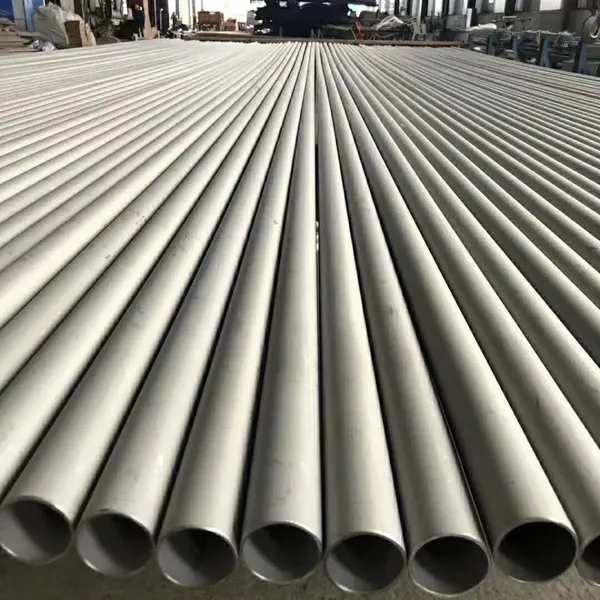 Read More
 -
Three types of commonly available food-grade stainless steel on the market
January 20, 2026The common food-grade stainless steel pipes are mainly composed of iron, chromium and carbon and other elements. Household stainle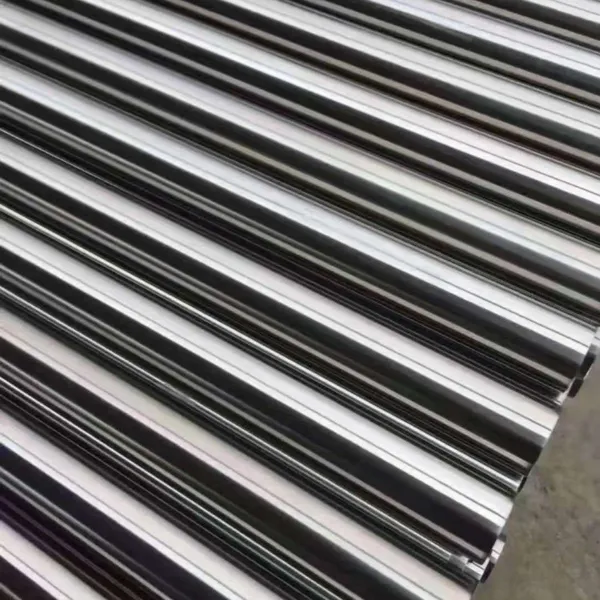 Read More
 -
What are the requirements for stainless steel welding pipe production equipment
January 20, 2026As is well known, stainless steel welded pipes have been widely used in various industries such as machinery, chemical engineering Read More

Contact Us
Recommended Products
-
 Stainless Steel Elbow Welded Elbow 45/90/180-degree Seamless Pressed Elbow Long Radius Elbow Short Radius Elbow WholesaleNegotiableMOQ: 1 Piece
 -
316L/1.4405 Seamless Stainless Steel PipeNegotiableMOQ: 2 Meters
-
310s 440 Seamless Sanitary Piping Price 321 904l 201 20 Inch Seamless Steel Pipe A554 Stainless Steel PipeNegotiableMOQ: 1 Piece
-
China Brand ZZ Wholesale 304L 316 316L Welded Austenitic Piping Stainless Steel Pipe SupplierNegotiableMOQ: 2 Meters
-
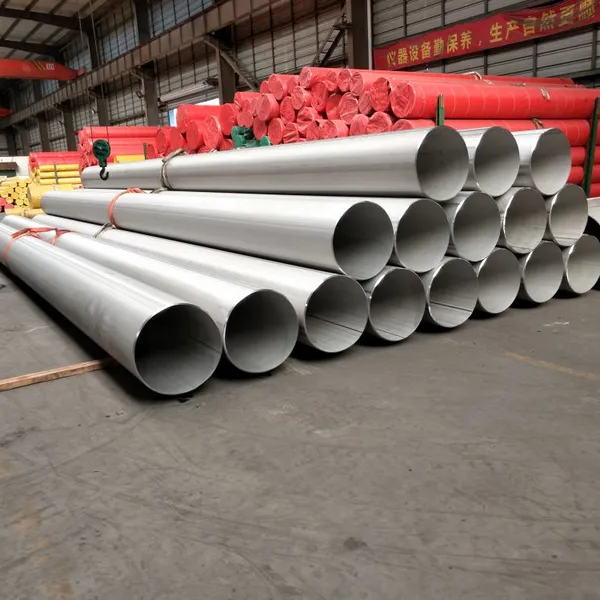
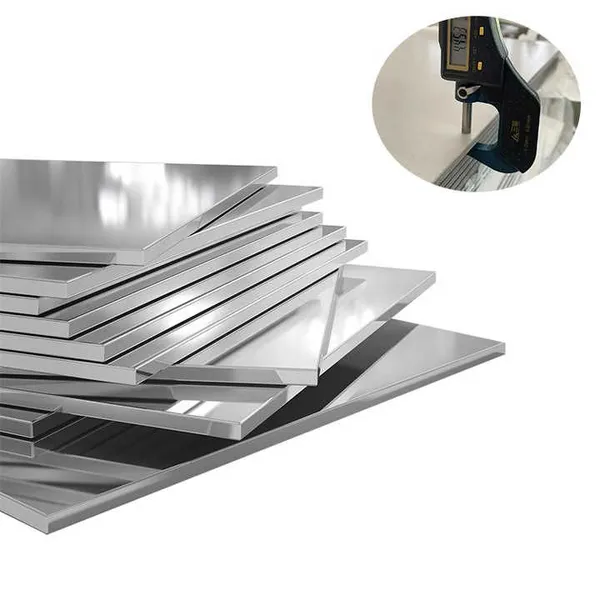
304/304L/316/409/410/904L/2205/2507/310H Premium Stainless Steel Sheets Supplier Custom Sizes & FinishesUS$ 1.72MOQ: 1 Ton
-
Stainless Steel ASME B16.9 Sch 45 90 Degree Pipe Fittings ElbowUS$ 8MOQ: 1 Piece
-
China Brand Zz 304L 316/316L GB En JIS Standard Thin Wall Welded Stainless Steel Water Pipe/TubeNegotiableMOQ: 2 Meters
-
BA 4 Inch 6 Inch 8 Inch 201 304 304L 316 316L Welded Seamless Stainless Steel PipeNegotiableMOQ: 2 Meters
-
ASME B36.19M-2004 SCH40S Stainless Steel Pipe - Complies With EU 3.1 CertificationUS$ 1 - 650MOQ: 1 Piece
-
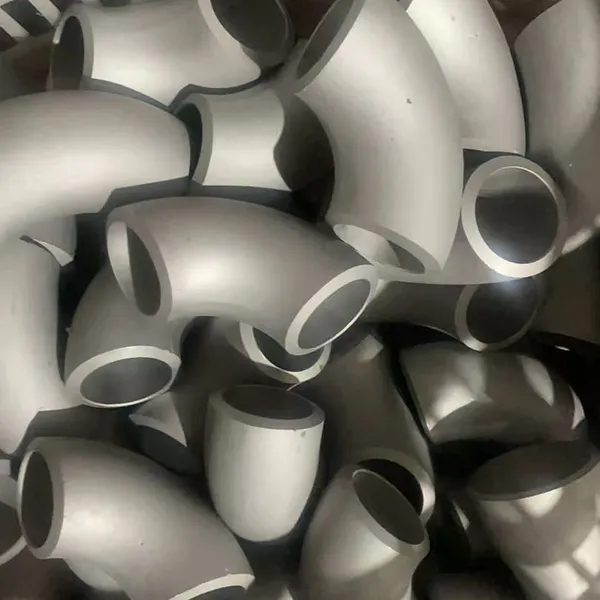
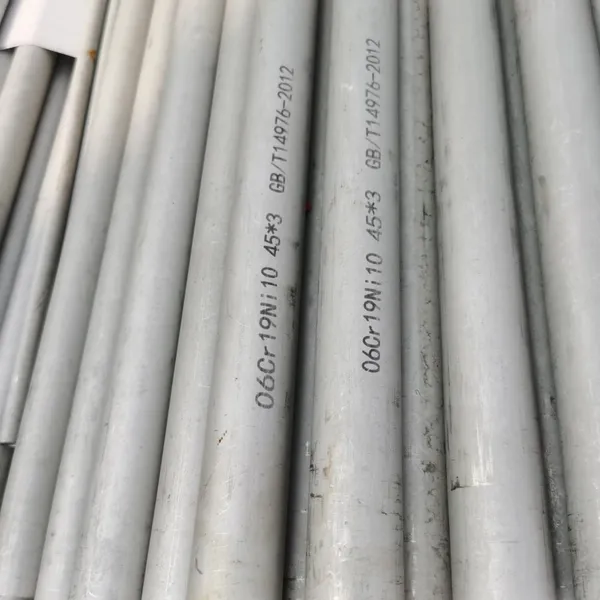
Factory TP309/TP309S/TP309H (UNS30900) Seamless Stainless Steel Pipe and Tube for Boiler BafflesUS$ 8MOQ: 200 Kilograms
-
TP347/TP347H/1.4961/S34709 Seamless Stainless Steel Pipe for UseNegotiableMOQ: 2 Meters
-
China 304 316 Stainless Steel Sanitary Welded Tube Food Grade Sanitary Grade Welded Pipe PolishingNegotiableMOQ: 1 Piece
-
China Manufacture Stainless Steel 316L Ba Seamless Welded Steel Pipe TubesUS$ 1760 - 1860MOQ: 5 Tons
-
316L/1.4405 Seamless Stainless Steel PipeNegotiableMOQ: 2 Meters
-
Stainless Steel Globe Valve – High Durability & Corrosion ResistanceNegotiableMOQ: 1 Piece
-
1.4529 Stainless Steel Flat Plate for Chemical Processing EquipmentUS$ 25 - 35MOQ: 1 Kilogram
-
Color Coated Steel Panels for Warehouse Partition Walls (Fireproof Grade)US$ 1 - 1.2MOQ: 50 Kilograms
-
Custom Width (600mm-1250mm) Colored Steel Coil With Scratch ResistanceUS$ 1 - 1.2MOQ: 50 Kilograms
-
0.5mm-3.0mm Colored Coated Steel Sheet With PVDF/Polyester CoatingUS$ 1 - 1.2MOQ: 50 Kilograms
-
JIS G 3322 Compliant Colored Coils With Third-Party Inspection ReportUS$ 1 - 1.2MOQ: 50 Kilograms