
 Business License

14 Common Types of Water Supply and Drainage Pipe Materials Selection - Part 1
I. Hard Polyvinyl Chloride (PVC-U) Water Pipes
Hard polyvinyl chloride (PVC-U) pipes are the earliest developed, largest-produced, and most widely used plastic pipes both domestically and internationally. They were successively developed and promoted in Europe, the United States, Japan and other regions since the 1940s. China began to use PVC-U pipes in the 1960s and they are widely used in drainage and water supply projects in buildings and municipal facilities. According to surveys, approximately 45% of PVC-U pipes are used in various drainage fields, mainly for building drainage pipes, about 30% are used in water supply fields, and about 15% are used in various protective pipes.
1. Building Materials Knowledge
The main characteristics of PVC-U pipes are good chemical corrosion resistance, no rusting; self-extinguishing and flame retardant; good aging resistance, and can be used for 30-50 years at -15℃ to 60℃; the inner wall is smooth, the surface tension is small, it is difficult to form deposits, and the fluid transportation capacity is 43.7% higher than that of cast iron pipes; the specific gravity is light, approximately 1/5 of that of iron pipes, the construction and installation are convenient, the installation workload is only 1/2 of that of steel pipes, so the labor intensity is low and the construction period is short; the electrical performance is good, the volume resistance is 1-31015 Ω·cm, the breakdown voltage is 23-28 kV/mm; the pipe material has low toughness, the linear expansion coefficient is small, and the temperature range of use is narrow.
PVC-U pipes have good rigidity and can meet the requirements of building material fire resistance performance, with a long service life. The connection methods can be bonding or flexible interface connection with rubber rings, and the installation is relatively simple. Classification
PVC-U pipes can generally be classified into pressure pipes and non-pressure pipes. Pressure pipes are mainly used for urban and rural water supply pipes, building water supply pipes, and low-pressure agricultural irrigation pipes.
Non-pressure pipes are mainly used for building drainage pipes and urban drainage pipes, as well as wire conduit. Urban drainage pipes can be further divided into: solid-wall pipes, double-wall corrugated pipes, radial reinforced pipes, etc.
The extrusion molding process of PVC-U water supply pipes is as follows:
Feed + extrusion + cooling and shaping + traction + inkjet marking + cutting → finished product. The main components of the extrusion process include the extruder, die head, sizing and cooling sleeve, cooling tank, traction machine, inkjet marking machine, cutting machine, expansion machine, and material rack.
2. Common specifications
(1) Nominal outer diameter: dn20, dn25, dn32, dn40, dn50, dn63, dn75, dn90, dn110, dn125, dn160, dn200, dn225, dn250, dn280, dn315;
(2) Nominal pressure grade: PN1.00, PN1.25, PN1.60; Buildings should use PN1.6 MPa pipes; the coefficient of thermal expansion of the pipe material: 0.07 mm/m.℃; same material pipe fittings; self-extinguishing.
3. Connection methods
Gluing socket interface (dn ≤ 110) Rubber ring socket flexible connection (dn ≥ 63)
4. Applicable specifications and standards
"Design and Construction Acceptance Regulations for Building Water Supply Polyvinyl Chloride Pipes" CECS 41: 2004 Standard Number: 02SS405-1 "Polyvinyl Chloride (PVC-U) Water Supply Pipes Installation"
5. Material techniques
Connections with water tanks and water supply equipment should use metal pipe sections. The burial depth of indoor buried pipelines should not be less than 300mm.
II. Random copolymer polypropylene (PP-R) water supply pipes
1. Building materials knowledge
Polypropylene can be divided into homopolymer polypropylene and copolymer polypropylene. Copolymer polypropylene is further divided into block copolymer polypropylene (PPC) and random copolymer polypropylene (PP-R). Random copolymer polypropylene is a copolymer with randomly distributed propylene and other copolymer chain segments in the main chain. Random copolymer polypropylene pipes are a new type of plastic pipe product developed recently in Europe. The PP-R raw material belongs to polyolefin, and its molecule only contains carbon and hydrogen elements, with no toxicity and reliable hygiene performance.
2. Common specifications
Nominal outer diameter: dn20, dn25, dn32, dn40, dn50, dn63, dn75, dn90, dn110, dn125, dn140, dn160; System design working pressure: Ps ≤ 0.8 MPa It is advisable to use S 5 series; 0.8 3. Connection methods Hot melt connection (electrical fusion connection can be used in narrow installation areas) 4. Applicable specifications and standards "Cooling and Hot Water Polypropylene Pipeline System" GB/T 18742.2-2017 "Technical Specifications for Building Water Supply Polypropylene Pipelines" GB/T 50349-2005 Standard Number: 02SS405-2 "Random Copolymer Polypropylene (PP-R) Water Supply Pipes Installation" 5. Material techniques Connections with water tanks and water supply equipment should use metal pipe sections. The test pressure is 1.5 times the system design working pressure, but not less than 0.9 MPa. The system design working pressure should be ≤ 1.0 MPa. III. Aluminum-plastic Composite Water Pipes 1. Building Materials Knowledge Aluminum-plastic composite pipes are the earliest type of water supply pipes to replace cast iron pipes. Their basic composition should consist of five layers, namely plastic, hot melt adhesive, aluminum alloy, hot melt adhesive, and plastic. Currently, the regions with leading quality in aluminum-plastic pipes in China are: Foshan area. Well-known brands in China are: Rizhong, Fengtai, and Meifeng. The first type has inner and outer layers of polyethylene, the second type has an inner layer of cross-linked polyethylene and an outer layer of polyethylene, and the third type has both inner and outer layers of cross-linked polyethylene with the middle layer being aluminum. Aluminum-plastic composite pipes have low loss, can be cut at will, are easy to install, and have good insulation performance. The inner and outer walls are not easily corroded. Due to the smooth inner wall, the resistance to fluid flow is very small, and they can be freely bent. The fittings are pure copper, which is expensive. The inner diameter of the copper parts is smaller than that of the aluminum-plastic composite pipes, and the diameter and flow rate are small. Moreover, poor installation may cause leakage due to thermal expansion and contraction. 2. Common Specifications Nominal outer diameter: dn20, dn25, dn32, dn40, dn50, dn63, dn75, dn90, dn110, dn125, dn140, dn160. Types include: butt-weld aluminum-plastic composite pipes, polyethylene/aluminum alloy/polyethylene (PAP), butt-weld aluminum-plastic composite pipes, polyethylene/aluminum alloy/ cross-linked polyethylene (XPAP1), cross-linked polyethylene/aluminum alloy/ cross-linked polyethylene (XPAP2), polyethylene/aluminum alloy/polyethylene (PAP3). Pipe expansion coefficient: 0.025 mm/m℃; metal pipe fittings; self-extinguishing. 3. Connection Methods Compression connection (stainless steel joint) socket connection (cast copper joint for dn≤32) spiral compression connection (cast copper joint for dn≤32) 4. Applicable Specifications and Standards "Technical Code for Building Water Supply Aluminum-Plastic Composite Pipe Engineering" CECS105:2000 Standard Number: 02SS405-3 "Installation of Aluminum-Plastic Composite Water Pipes" 5. Material Skills Connections with water tanks and water supply equipment should use metal pipe sections for transition. IV. Cross-linked Polyethylene (PE-X) Water Pipes 1. Building Materials Knowledge PE-X is a modification of PE material, where the original linear molecular chains of PE are branched to form a branched molecular chain (cross-linked), thereby improving the physical and mechanical properties and chemical stability of the material. Before modification (before cross-linking), PE is a fusible and soluble material, while after modification, it becomes an insoluble material (all known solvents cannot dissolve PE-X). The usage temperature of PE is ≤50℃, while after modification, the usage temperature of PE-X is ≤95℃, and σ (allowable stress) has been significantly increased. This type of pipe material currently dominates the water heating industry worldwide. 2. Common Specifications Nominal outer diameter: dn20, dn25, dn32, dn40, dn50, dn63, dn75, dn90, dn110, dn125, dn140, dn160. System working pressure: Ps ≤ 0.6 MPa. Suitable pipe materials include S 6.3 or S 5 series. Expansion coefficient: 0.20 mm/m℃; metal pipe fittings; excellent low-temperature impact resistance, non-flammable. 3. Connection Methods Clamping connection (socket connection) (copper forged pipe fittings or stainless steel cast pipe fittings, copper ring clamp) compression connection (stainless steel pipe fittings) 4. Applicable Specifications and Standards "Technical Code for Building Water Supply Polyethylene Pipes" CJJ/T98-2003 Standard Number: 02SS405-4 "Installation of Cross-linked Polyethylene (PE-X) Water Pipes" 5. Material Skills Connections with water tanks and water supply equipment should use metal pipe sections for transition. Small-diameter copper pipes are often used for transporting pressurized liquids (such as lubrication systems, hydraulic systems, etc.) and as pressure-measuring tubes for instruments, etc. Copper pipes have the characteristics of being sturdy and corrosion-resistant, and have become the preferred choice for modern contractors in the installation of water supply pipes, heating, and cooling systems in all residential buildings. 2. Common Specifications Nominal diameter: DN15, DN20, DN25, DN32, DN40, DN50, DN65, DN80, DN100, DN125, DN150, DN200, DN250, DN300 Coefficient of linear expansion of pipe material: 0.0176 mm/m℃ 3. Connection Methods 1) Thin-walled copper pipes ① Socket-type brazing joint: DN15 - DN300 ② Flared sleeve interface: DN15 - DN50 ③ Compression (crimping) type interface: DN15 - DN50 2) Thick-walled copper pipes ① Threaded connection: DN20 - DN150 ② Grooved connection: DN50 - DN300 ③ Live sleeve flange connection: DN50 - DN300 4. Applicable Specifications and Standards "Technical Code for Copper Pipe Systems for Building Water Supply" CECS171: 2004 Standard Number: 03S407-1 "Installation of Metal Pipes for Building Water Supply - Copper Pipes" 5. Material Techniques When installing copper pipes with a working pressure of 1.0 MPa or 1.6 MPa in walls or underground, it is advisable to apply plastic coating (the plastic coating material for the outer wall of the copper pipe is polyethylene). Six. Thin-walled Stainless Steel Pipes 1. Building Materials Knowledge Austenitic thin-walled stainless steel pipes refer to stainless steel pipes with a wall thickness ratio to the outer diameter not greater than 6%. In thin-walled stainless steel pipes, when chromium reacts with oxygen and oxidants, a protective film of Cr2O3 with a thin and tough nature is formed on the surface, providing anti-corrosion protection. Stainless steel pipes have high strength, strong corrosion resistance, good toughness, excellent vibration and shock resistance, low brittleness at low temperatures, and can ensure the purity of water during transportation, and are durable and reusable as decoration materials. 2. Common Specifications Nominal diameter: DN15, DN20, DN25, DN32, DN40, DN50, DN65, DN80, DN100 (Series I) Nominal diameter: DN15, DN20, DN25, DN32, DN40, DN50 (Series II) Nominal diameter: DN15, DN20, DN25, DN32, DN40, DN50, DN65, DN80, DN100 Nominal diameter: DN15, DN20, DN25, DN32, DN40, DN50, DN65, DN80, DN100, DN125, DN150, DN200 Nominal diameter: DN100, DN125, DN150, DN200 3. Connection Methods Compression interface, ring compression interface, socket argon arc welding joint, compression interface ≤ DN50, butt argon arc welding joint, clamp flange connection ≥ DN100, groove clamp connection 4. Applicable Specifications and Standards "Technical Code for Thin-walled Stainless Steel Pipe Systems for Building Water Supply" CECS153: 2018 Standard Number: 04S407-2 "Installation of Metal Pipes for Building Water Supply - Thin-walled Stainless Steel Pipes" 5. Material Techniques For carding interfaces with a diameter of DN ≤ 50, Series II can be selected; for DN > 50, Series I should be selected; the working pressure should be ≤ 1.6 MPa; it is not advisable to connect with other material pipes, pipe fittings, and accessories; if connection is necessary, measures such as setting conversion joints should be taken to prevent electrochemical corrosion; when installed in walls, thin-walled stainless steel pipes with plastic coating should be used. Seven. Hot-dip Galvanized Steel Pipes 1. Building Materials Knowledge Hot-dip galvanizing is a process where molten metal reacts with the iron substrate to form an alloy layer, thereby combining the substrate and the coating. The process begins with acid washing of the steel components to remove the iron oxide on the surface. After acid washing, they are cleaned in a solution of ammonium chloride or zinc chloride or a mixed solution of ammonium chloride and zinc chloride in a cleaning tank, and then sent to a hot-dip galvanizing tank. Hot-dip galvanizing has the advantages of uniform coating, strong adhesion, and long service life. 2. Common specifications Nominal diameter: DN15, DN20, DN25, DN32, DN40, DN50, DN65, DN80, DN100, DN150, DN200, DN250, DN300 3. Connection methods For DN ≤ 80mm, threaded connection is used; for DN ≥ 100mm, groove-type clamp connection is used. 4. Applicable specifications and standards "Low-pressure fluid transportation welded steel pipes" GB/T3091-2001 "Fluid transportation seamless steel pipes" GB/T8163-2018
Recently Posted
-
Does the stainless steel welded pipe have specific temperature requirements during the solution heat
January 20, 2026Solution heat treatment involves heating stainless steel to a high temperature and then rapidly cooling it to achieve an oversatur Read More
 -
Can stainless steel welded pipes be made into thick pipes
January 20, 2026With the improvement of high-quality welding technology and increasingly strict weld inspection, the application fields of s Read More
 -
Three types of commonly available food-grade stainless steel on the market
January 20, 2026The common food-grade stainless steel pipes are mainly composed of iron, chromium and carbon and other elements. Household stainle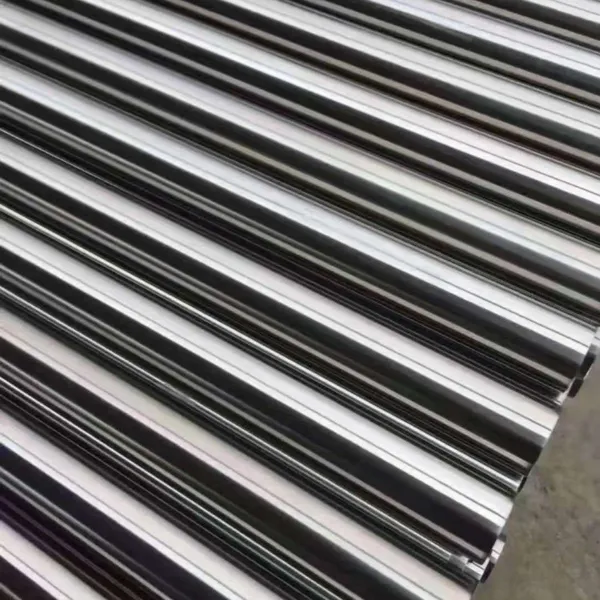 Read More
 -
What are the requirements for stainless steel welding pipe production equipment
January 20, 2026As is well known, stainless steel welded pipes have been widely used in various industries such as machinery, chemical engineering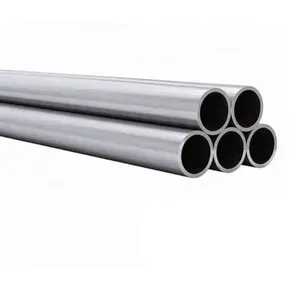 Read More

Contact Us
Recommended Products
-
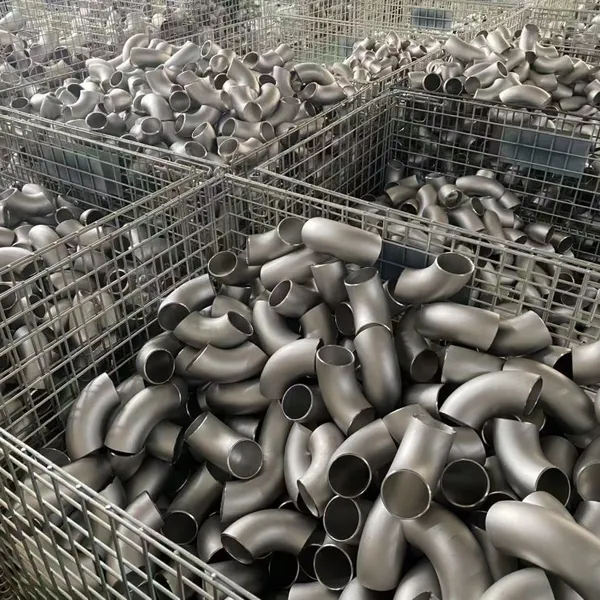
 Stainless Steel Elbow Welded Elbow 45/90/180-degree Seamless Pressed Elbow Long Radius Elbow Short Radius Elbow WholesaleNegotiableMOQ: 1 Piece
 -
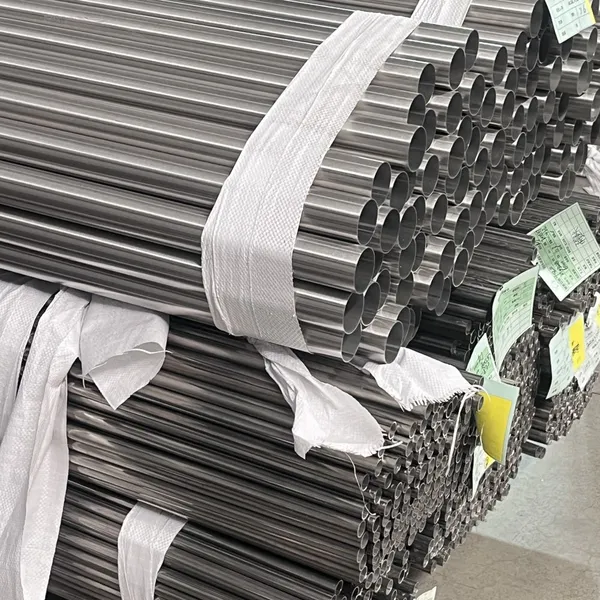
316L/1.4405 Seamless Stainless Steel PipeNegotiableMOQ: 2 Meters
-
310s 440 Seamless Sanitary Piping Price 321 904l 201 20 Inch Seamless Steel Pipe A554 Stainless Steel PipeNegotiableMOQ: 1 Piece
-
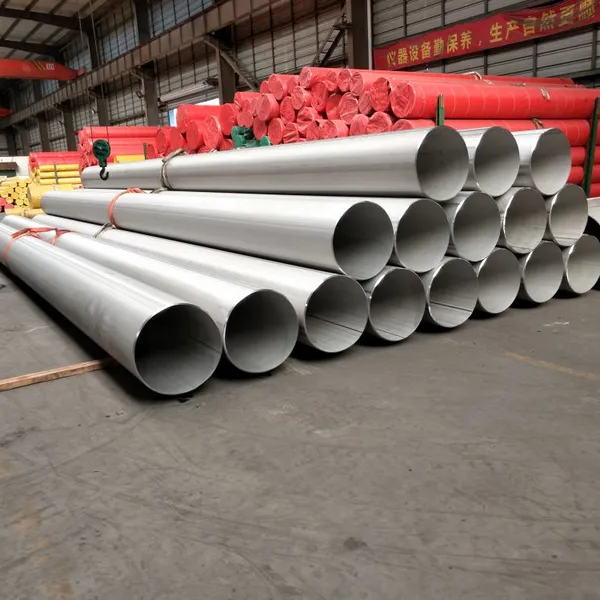
China Brand ZZ Wholesale 304L 316 316L Welded Austenitic Piping Stainless Steel Pipe SupplierNegotiableMOQ: 2 Meters
-
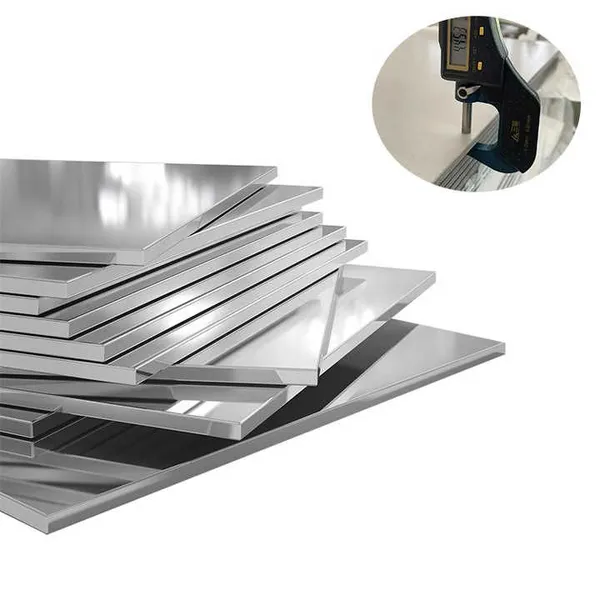
304/304L/316/409/410/904L/2205/2507/310H Premium Stainless Steel Sheets Supplier Custom Sizes & FinishesUS$ 1.72MOQ: 1 Ton
-
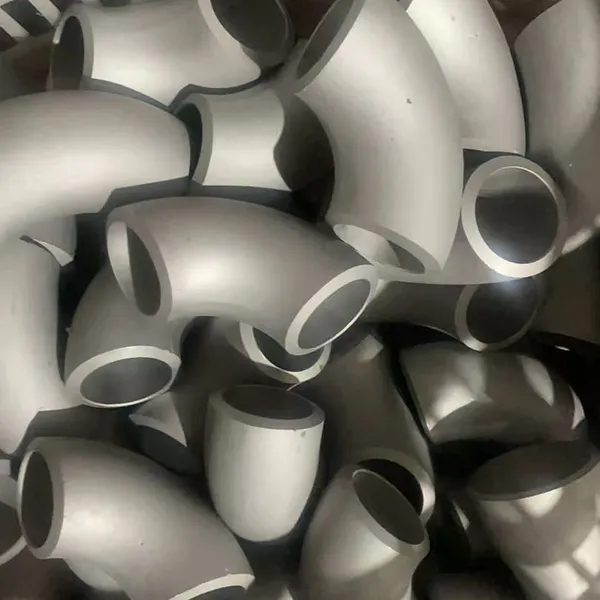
Stainless Steel ASME B16.9 Sch 45 90 Degree Pipe Fittings ElbowUS$ 8MOQ: 1 Piece
-
China Brand Zz 304L 316/316L GB En JIS Standard Thin Wall Welded Stainless Steel Water Pipe/TubeNegotiableMOQ: 2 Meters
-
BA 4 Inch 6 Inch 8 Inch 201 304 304L 316 316L Welded Seamless Stainless Steel PipeNegotiableMOQ: 2 Meters
-
ASME B36.19M-2004 SCH40S Stainless Steel Pipe - Complies With EU 3.1 CertificationUS$ 1 - 650MOQ: 1 Piece
-
Factory TP309/TP309S/TP309H (UNS30900) Seamless Stainless Steel Pipe and Tube for Boiler BafflesUS$ 8MOQ: 200 Kilograms
-
TP347/TP347H/1.4961/S34709 Seamless Stainless Steel Pipe for UseNegotiableMOQ: 2 Meters
-
China 304 316 Stainless Steel Sanitary Welded Tube Food Grade Sanitary Grade Welded Pipe PolishingNegotiableMOQ: 1 Piece
-
China Manufacture Stainless Steel 316L Ba Seamless Welded Steel Pipe TubesUS$ 1760 - 1860MOQ: 5 Tons
-
316L/1.4405 Seamless Stainless Steel PipeNegotiableMOQ: 2 Meters
-
Stainless Steel Globe Valve – High Durability & Corrosion ResistanceNegotiableMOQ: 1 Piece
-
1.4529 Stainless Steel Flat Plate for Chemical Processing EquipmentUS$ 25 - 35MOQ: 1 Kilogram
-
Color Coated Steel Panels for Warehouse Partition Walls (Fireproof Grade)US$ 1 - 1.2MOQ: 50 Kilograms
-
Custom Width (600mm-1250mm) Colored Steel Coil With Scratch ResistanceUS$ 1 - 1.2MOQ: 50 Kilograms
-
0.5mm-3.0mm Colored Coated Steel Sheet With PVDF/Polyester CoatingUS$ 1 - 1.2MOQ: 50 Kilograms
-
JIS G 3322 Compliant Colored Coils With Third-Party Inspection ReportUS$ 1 - 1.2MOQ: 50 Kilograms