
 Business License

Stainless steel electrolytic polishing process
Stainless steel has excellent corrosion resistance properties, and thus has been widely used in industry. In many cases, the surface of stainless steel products often needs to meet certain special requirements, such as low surface roughness, high gloss, matte treatment, texture effect, etc. Among them, reducing surface roughness and improving lightness, which is commonly referred to as surface polishing, is the most common requirement.
After electrolytic polishing, stainless steel exhibits several advantages:
1. The polished surface does not develop a deteriorated layer, has no additional stress, and can remove or reduce the original stress layer.
2. It can be processed for hard materials, soft materials, thin-walled, complex-shaped, and small-sized parts and products that are difficult to be polished mechanically.
3. The polishing time is short, and multiple pieces can be polished simultaneously, resulting in high production efficiency.
4. The surface roughness achievable by electrolytic polishing is related to the original surface roughness, and it can generally be improved by two levels. However, due to the poor universality of the electrolyte, short service life and strong corrosiveness, the application scope of electrolytic polishing is limited. Electrolytic polishing is mainly used for metal products and parts with small surface roughness, such as reflectors, stainless steel tableware, decorations, injection needles, springs, blades, and stainless steel pipes, etc. It can also be used for certain molds (such as bakelite molds and glass molds) and metallographic grinding plates for polishing.
The advantages and disadvantages of electrolytic polishing depend on the mechanism and process of electrolytic polishing, the main components of the polishing solution, and other factors such as the selection of process parameters, analysis of electric field distribution, and design of auxiliary electrodes.
Now, let's introduce a stainless steel electrolytic polishing process:
1. Composition and operating conditions of the polishing solution
Concentrated phosphoric acid (specific gravity 1.74) 510ml/L 887.4g/L
Concentrated sulfuric acid (specific gravity 1.84) 395ml/L 726.8g/L
LQ-60 additive 50ml/L 52.5g/L
Water 50ml/L 50g/L
Temperature 50–75℃ 60–65℃ is the best
Anode current density, DA 6–15A/dm2 10–12A/dm2 is the best
Voltage 5–8 volts
Polishing time 3–5 minutes
Cathode material Lead or lead alloy
Cathode area : Anode area 2–3 : 1
2. Slotting steps
LQ-60 additive is a surfactant. In the early stage of electrolytic polishing, it will produce a large amount of foam. Therefore, the distance between the liquid surface of the polishing solution and the top of the polishing tank should not be ≤ 15cm. Accurately calculate the volume of the electrolytic polishing solution to be prepared, and then add the required components of the polishing solution in the polishing tank according to the composition of the polishing solution.
1. Inject the required amount of water.
2. Add the required amount of phosphoric acid.
3. Remember that when diluting sulfuric acid with water, a large amount of heat will be released, and the solution temperature will rise sharply. Add while stirring, stop adding when the temperature rises to 80℃. Wait for the solution to cool down before further adding until all is added.
4. Add the required amount of LQ-60 additive, add while stirring, and thoroughly stir to ensure uniform mixing.
III. Process Flow
Chemical degreasing → Hot water cleaning → Acid immersion (1–2% sulfuric acid solution) → Electrolytic polishing → Three counter-flow cleanings → Acid immersion (5% sodium carbonate solution) → Hot water cleaning → Drying or air-drying
IV. Maintenance and replenishment of solution
1. Before entering the polishing tank, stainless steel workpieces should remove as much moisture as possible from the surface of the workpiece, as excessive moisture in the workpiece may cause severe blemishes on the polishing surface, local corrosion, and result in the workpiece being scrapped.
2. During electrolytic polishing, the stainless steel workpiece as the anode, the iron, chromium, and nickel elements contained in it continuously transform into metal ions and dissolve into the polishing solution instead of depositing on the cathode surface. As the polishing process progresses, the concentration of metal ions increases, and when it reaches a certain value, these metal ions continuously precipitate and deposit as phosphate and sulfate salts at the bottom of the polishing tank. Therefore, the polishing solution must be filtered regularly to remove these solid precipitates.
3. During the operation of the polishing tank, phosphoric acid and sulfuric acid are constantly consumed, while water is lost due to evaporation and electrolysis. In addition, the high-viscosity polishing solution is constantly lost due to the workpiece's entrainment. The liquid level of the polishing tank keeps dropping, and it is necessary to frequently replenish fresh polishing solution and water to the polishing tank.
4. The original specific gravity of the polishing solution before polishing is 1.68. During the operation of the polishing tank, the specific gravity of the polishing solution should be controlled within the range of 1.68 ± 0.03. High specific gravity and viscosity of the polishing solution indicate insufficient water content or high sulfuric acid content and low phosphoric acid content; conversely, a low specific gravity indicates excessive water content in the polishing solution. Regularly measuring the specific gravity of the polishing solution with a hydrometer is a simple and effective control method.
5. Under certain conditions, it is best to regularly analyze the acidity, phosphoric acid and sulfuric acid content of the polishing solution.
V. Equipment Requirements
The electrolytic polishing solution is usually a mineral acid and operates at a relatively high temperature. Therefore, the polishing tank, cleaning tank, cathode, heating coil, and exhaust device must be made of materials that can resist the corrosion of the polishing solution.
1. Polyethylene, polypropylene, polyvinyl chloride, epoxy glass fiber reinforced plastic, and steel tanks lined with the above materials can all be used as polishing tanks.
2. Electric heating or steam heating coils can be selected from the following materials:
(1). Tube bundle polytetrafluoroethylene heat exchanger for steam heating. Polytetrafluoroethylene electric heating tube for electric heating. Polytetrafluoroethylene heat exchanger has a high price but a long service life and is electrically neutral.
(2). Pure lead or lead-silver alloy heat exchanger: Pure lead or lead-silver alloy can be used as the steam heating coil for polishing. To increase the service life of the heat exchanger, a lead thickening should be used at the interface between the polishing liquid liquid level and the air.
(3). Quartz electric heating tube.
3. Support: Copper supports coated with plastic resin and equipped with titanium hooks have the longest service life. Since this polishing solution does not contain chromic acid, phosphor bronze can also be used as hooks.
Recently Posted
-
Does the stainless steel welded pipe have specific temperature requirements during the solution heat
January 20, 2026Solution heat treatment involves heating stainless steel to a high temperature and then rapidly cooling it to achieve an oversatur Read More
 -
Can stainless steel welded pipes be made into thick pipes
January 20, 2026With the improvement of high-quality welding technology and increasingly strict weld inspection, the application fields of s Read More
 -
Three types of commonly available food-grade stainless steel on the market
January 20, 2026The common food-grade stainless steel pipes are mainly composed of iron, chromium and carbon and other elements. Household stainle Read More
 -
What are the requirements for stainless steel welding pipe production equipment
January 20, 2026As is well known, stainless steel welded pipes have been widely used in various industries such as machinery, chemical engineering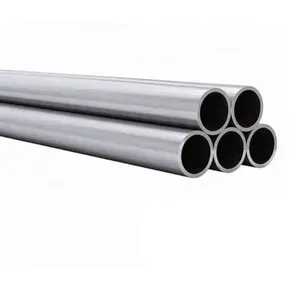 Read More

Contact Us
Recommended Products
-
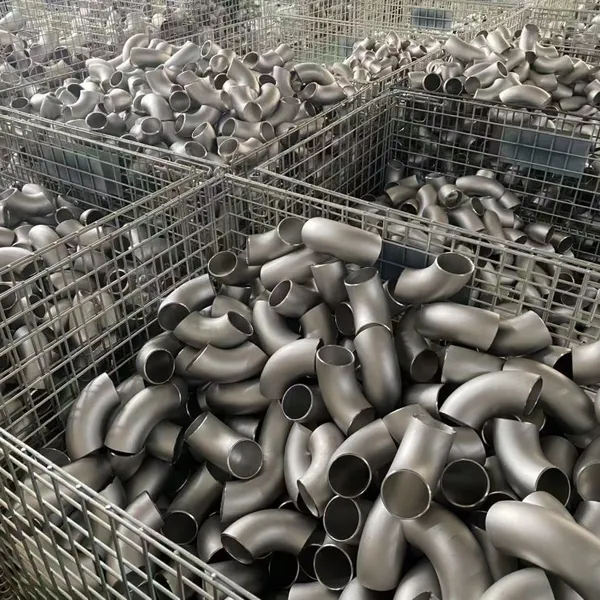
 Stainless Steel Elbow Welded Elbow 45/90/180-degree Seamless Pressed Elbow Long Radius Elbow Short Radius Elbow WholesaleNegotiableMOQ: 1 Piece
 -
316L/1.4405 Seamless Stainless Steel PipeNegotiableMOQ: 2 Meters
-
310s 440 Seamless Sanitary Piping Price 321 904l 201 20 Inch Seamless Steel Pipe A554 Stainless Steel PipeNegotiableMOQ: 1 Piece
-
China Brand ZZ Wholesale 304L 316 316L Welded Austenitic Piping Stainless Steel Pipe SupplierNegotiableMOQ: 2 Meters
-
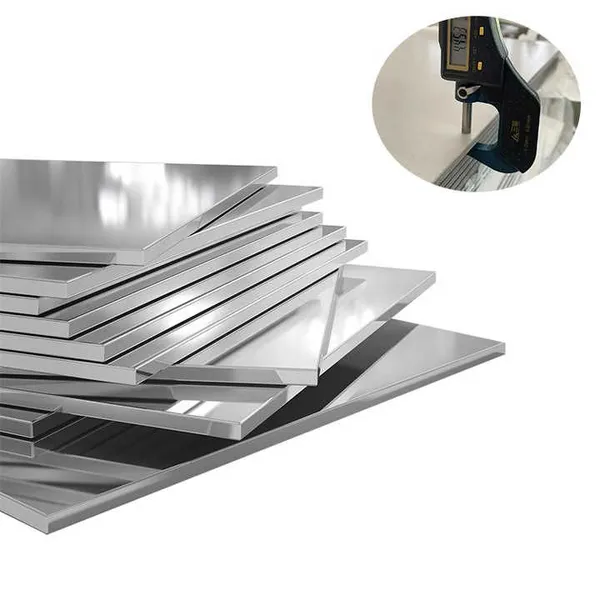
304/304L/316/409/410/904L/2205/2507/310H Premium Stainless Steel Sheets Supplier Custom Sizes & FinishesUS$ 1.72MOQ: 1 Ton
-
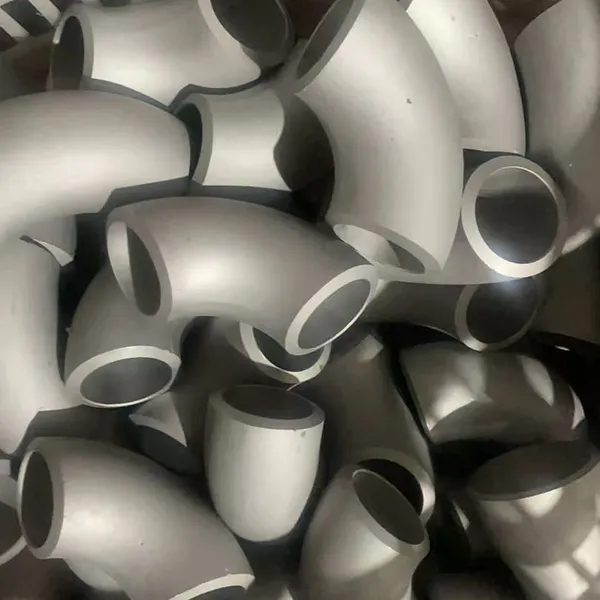
Stainless Steel ASME B16.9 Sch 45 90 Degree Pipe Fittings ElbowUS$ 8MOQ: 1 Piece
-
China Brand Zz 304L 316/316L GB En JIS Standard Thin Wall Welded Stainless Steel Water Pipe/TubeNegotiableMOQ: 2 Meters
-
BA 4 Inch 6 Inch 8 Inch 201 304 304L 316 316L Welded Seamless Stainless Steel PipeNegotiableMOQ: 2 Meters
-
ASME B36.19M-2004 SCH40S Stainless Steel Pipe - Complies With EU 3.1 CertificationUS$ 1 - 650MOQ: 1 Piece
-
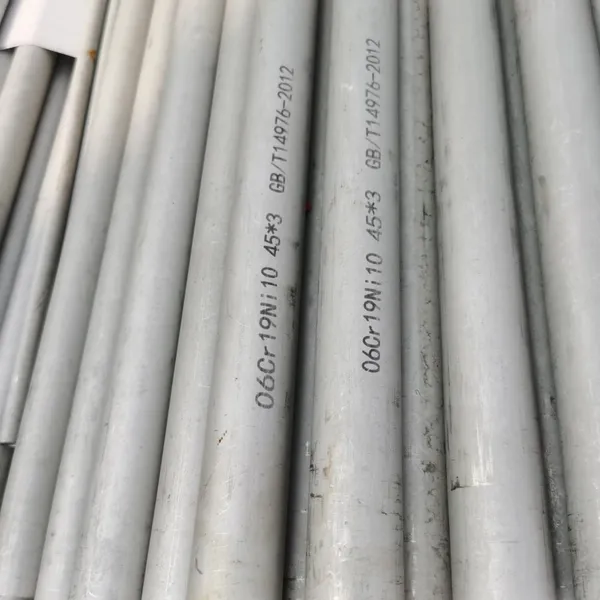
Factory TP309/TP309S/TP309H (UNS30900) Seamless Stainless Steel Pipe and Tube for Boiler BafflesUS$ 8MOQ: 200 Kilograms
-
TP347/TP347H/1.4961/S34709 Seamless Stainless Steel Pipe for UseNegotiableMOQ: 2 Meters
-
China 304 316 Stainless Steel Sanitary Welded Tube Food Grade Sanitary Grade Welded Pipe PolishingNegotiableMOQ: 1 Piece
-
China Manufacture Stainless Steel 316L Ba Seamless Welded Steel Pipe TubesUS$ 1760 - 1860MOQ: 5 Tons
-
316L/1.4405 Seamless Stainless Steel PipeNegotiableMOQ: 2 Meters
-
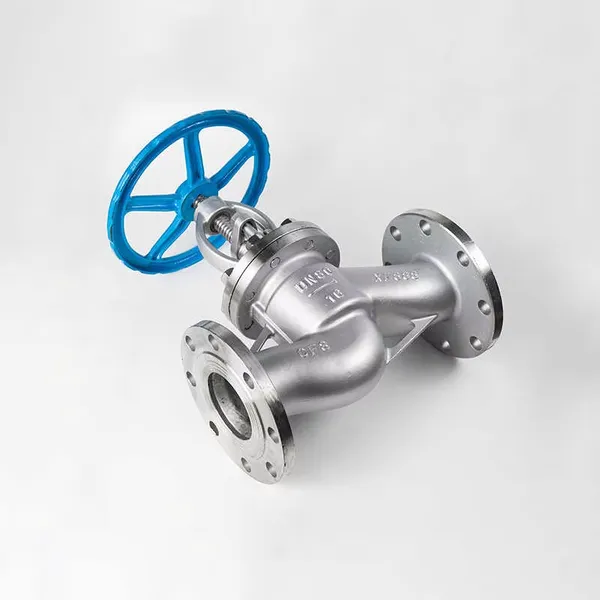
Stainless Steel Globe Valve – High Durability & Corrosion ResistanceNegotiableMOQ: 1 Piece
-
1.4529 Stainless Steel Flat Plate for Chemical Processing EquipmentUS$ 25 - 35MOQ: 1 Kilogram
-
Color Coated Steel Panels for Warehouse Partition Walls (Fireproof Grade)US$ 1 - 1.2MOQ: 50 Kilograms
-
Custom Width (600mm-1250mm) Colored Steel Coil With Scratch ResistanceUS$ 1 - 1.2MOQ: 50 Kilograms
-
0.5mm-3.0mm Colored Coated Steel Sheet With PVDF/Polyester CoatingUS$ 1 - 1.2MOQ: 50 Kilograms
-
JIS G 3322 Compliant Colored Coils With Third-Party Inspection ReportUS$ 1 - 1.2MOQ: 50 Kilograms