
 Business License

How should martensitic steel be welded
1. Welding method
Martensitic steel can be welded using all fusion welding methods except gas welding, such as stick electrode arc welding, submerged arc welding, tungsten inert gas welding, and melting electrode inert gas welding. Due to the high cold cracking sensitivity of this steel, the weldment must be thoroughly cleaned and the welding rods must be dried before welding to maintain low hydrogen or even ultra-low hydrogen conditions. When the restraint of the welding joint is large, tungsten inert gas welding or melting electrode inert gas welding is preferred. To reduce the tendency of cold cracking, the welding heat input should be appropriately increased without causing overheating and embrittlement in the near-weld zone.
2. Welding materials
The selection of welding materials should vary depending on the steel type, welding method, and the working conditions of the joint. To meet the requirements of the service performance, the chemical composition of the weld should be as close as possible to that of the base material, that is, welding materials with components close to those of the base material should be selected. However, in this case, the weld and the heat-affected zone are prone to harden and become brittle. To prevent cold cracking, heat treatment is generally required after welding. When the weldment cannot undergo heat treatment, 25-20 or 25-13 type austenitic steel welding materials should be used for welding to form an austenitic weld, relax the welding stress, and more effectively dissolve hydrogen, reducing the tendency of cold cracking. Austenitic welds have high plasticity and toughness, but low strength. Therefore, they are only suitable for weldments working under low stress conditions and are not suitable for weldments working at high temperatures. When using stick electrode arc welding, low-hydrogen type electrodes are usually used and dried at 400-450℃ for two hours before welding. For submerged arc welding, low-silicon, high alkaline or weakly acidic fluxes such as HJ172, HJ173, HJ251 should be used. TIG welding is mainly used for the bottom sealing and thin-walled welding during multi-layer welding.
3. Preheating and interlayer temperature
Preheating and maintaining the interlayer temperature are important process measures to prevent cold cracking. The selection of preheating temperature should first consider the carbon content in the steel, and secondly, the restraint of the joint, the composition of the filler metal, and the welding method. The recommended preheating temperature and heat input are based on the classification of carbon content. If the restraint of the joint is large, the preheating temperature and interlayer temperature should be increased accordingly. The interlayer temperature should be no lower than the preheating temperature. When welding with austenitic steel welding materials, no preheating or low-temperature preheating may be required depending on the thickness of the weldment.
4. Post-weld heat treatment
Post-weld heat treatment is another important process measure to prevent cold cracking. When using welding materials with components close to those of the base material, post-weld reheat treatment is generally required. When using austenitic steel welding materials for welding, post-weld heat treatment is usually not required. To ensure that the austenitic after welding can completely transform into martensite, immediate tempering after welding is not allowed. The joint should be cooled to a certain temperature below Ms point and maintained for a certain period of time before undergoing high-temperature tempering. Because if tempering is immediately performed after welding, the austenite will transform into pearlite and carbides will precipitate along the austenite grain boundaries. This structure is very brittle. However, to prevent cold cracking, it is not allowed to perform high-temperature tempering after the joint cools to room temperature. Usually, tempering is performed at 100-150℃.
Recently Posted
-
Does the stainless steel welded pipe have specific temperature requirements during the solution heat
January 20, 2026Solution heat treatment involves heating stainless steel to a high temperature and then rapidly cooling it to achieve an oversatur Read More
 -
Can stainless steel welded pipes be made into thick pipes
January 20, 2026With the improvement of high-quality welding technology and increasingly strict weld inspection, the application fields of s Read More
 -
Three types of commonly available food-grade stainless steel on the market
January 20, 2026The common food-grade stainless steel pipes are mainly composed of iron, chromium and carbon and other elements. Household stainle Read More
 -
What are the requirements for stainless steel welding pipe production equipment
January 20, 2026As is well known, stainless steel welded pipes have been widely used in various industries such as machinery, chemical engineering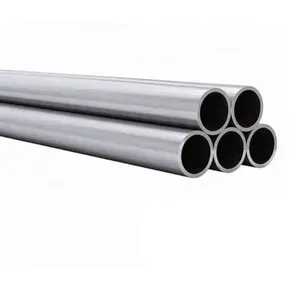 Read More

Contact Us
Recommended Products
-
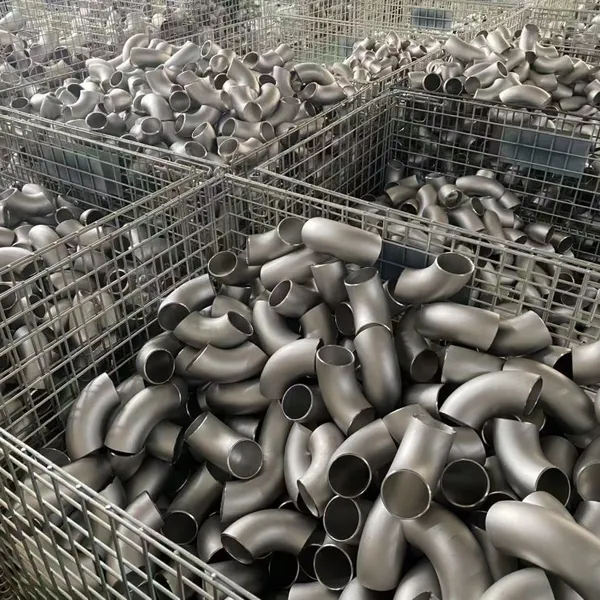
 Stainless Steel Elbow Welded Elbow 45/90/180-degree Seamless Pressed Elbow Long Radius Elbow Short Radius Elbow WholesaleNegotiableMOQ: 1 Piece
 -
316L/1.4405 Seamless Stainless Steel PipeNegotiableMOQ: 2 Meters
-
310s 440 Seamless Sanitary Piping Price 321 904l 201 20 Inch Seamless Steel Pipe A554 Stainless Steel PipeNegotiableMOQ: 1 Piece
-
China Brand ZZ Wholesale 304L 316 316L Welded Austenitic Piping Stainless Steel Pipe SupplierNegotiableMOQ: 2 Meters
-
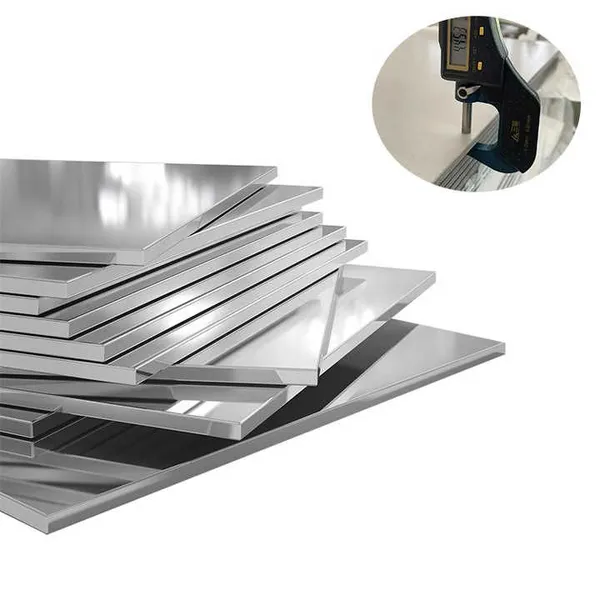
304/304L/316/409/410/904L/2205/2507/310H Premium Stainless Steel Sheets Supplier Custom Sizes & FinishesUS$ 1.72MOQ: 1 Ton
-
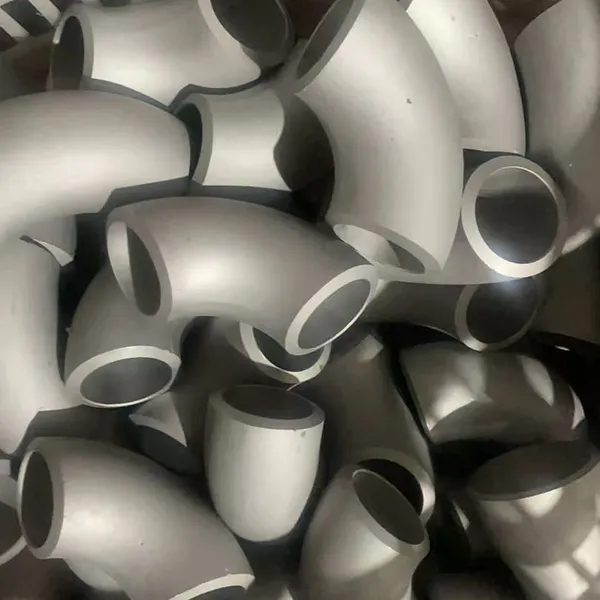
Stainless Steel ASME B16.9 Sch 45 90 Degree Pipe Fittings ElbowUS$ 8MOQ: 1 Piece
-
China Brand Zz 304L 316/316L GB En JIS Standard Thin Wall Welded Stainless Steel Water Pipe/TubeNegotiableMOQ: 2 Meters
-
BA 4 Inch 6 Inch 8 Inch 201 304 304L 316 316L Welded Seamless Stainless Steel PipeNegotiableMOQ: 2 Meters
-
ASME B36.19M-2004 SCH40S Stainless Steel Pipe - Complies With EU 3.1 CertificationUS$ 1 - 650MOQ: 1 Piece
-
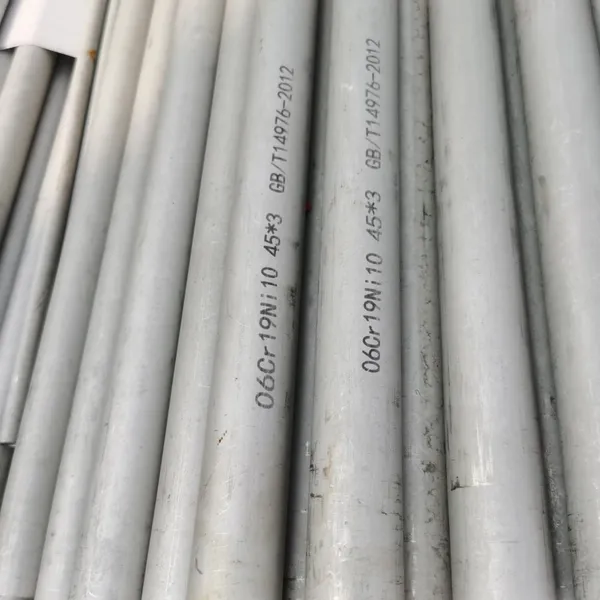
Factory TP309/TP309S/TP309H (UNS30900) Seamless Stainless Steel Pipe and Tube for Boiler BafflesUS$ 8MOQ: 200 Kilograms
-
TP347/TP347H/1.4961/S34709 Seamless Stainless Steel Pipe for UseNegotiableMOQ: 2 Meters
-
China 304 316 Stainless Steel Sanitary Welded Tube Food Grade Sanitary Grade Welded Pipe PolishingNegotiableMOQ: 1 Piece
-
China Manufacture Stainless Steel 316L Ba Seamless Welded Steel Pipe TubesUS$ 1760 - 1860MOQ: 5 Tons
-
316L/1.4405 Seamless Stainless Steel PipeNegotiableMOQ: 2 Meters
-
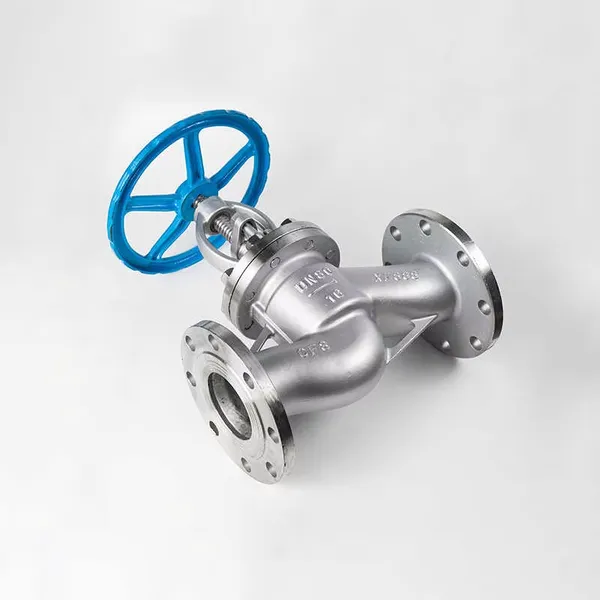
Stainless Steel Globe Valve – High Durability & Corrosion ResistanceNegotiableMOQ: 1 Piece
-
1.4529 Stainless Steel Flat Plate for Chemical Processing EquipmentUS$ 25 - 35MOQ: 1 Kilogram
-
Color Coated Steel Panels for Warehouse Partition Walls (Fireproof Grade)US$ 1 - 1.2MOQ: 50 Kilograms
-
Custom Width (600mm-1250mm) Colored Steel Coil With Scratch ResistanceUS$ 1 - 1.2MOQ: 50 Kilograms
-
0.5mm-3.0mm Colored Coated Steel Sheet With PVDF/Polyester CoatingUS$ 1 - 1.2MOQ: 50 Kilograms
-
JIS G 3322 Compliant Colored Coils With Third-Party Inspection ReportUS$ 1 - 1.2MOQ: 50 Kilograms