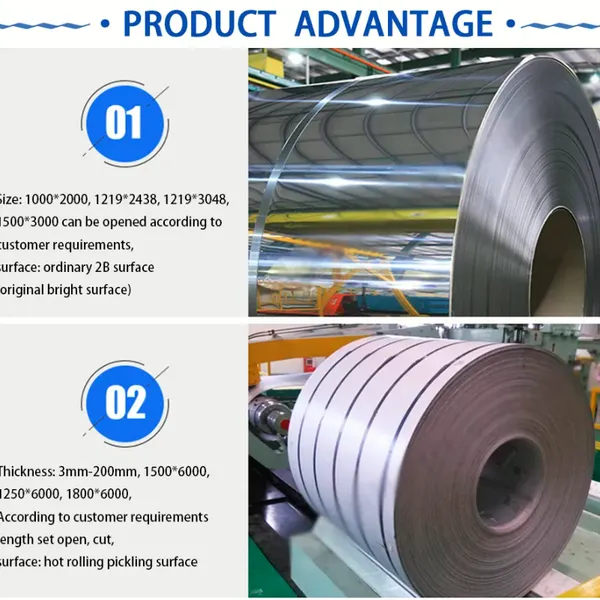

 Business License

What are the causes of hydraulic pipe gas blockage
I. Air-induced hydraulic pipe blockage
In hydraulic systems, air in the pipe usually enters through system assembly, maintenance, or prolonged system inactivity. In severe cases, it can significantly affect the efficiency of the hydraulic system. Since air is compressible, when it exists in the hydraulic system, it reduces the system's efficiency and is prone to causing hydraulic pipe blockage. To address this issue, we need to perform exhaust treatment on the system through exhaust valves and venting holes.
II. Moisture, oil stains, and sand
If there are moisture, oil stains, and sand or other impurities in the liquid pipes, it can also cause hydraulic pipe blockage. These impurities tend to follow the liquid flow into the pipes and eventually deposit on the pipe walls and elbows. This sediment not only increases friction in the pipe but also may cause the pipe to become narrow or completely blocked. Therefore, we need to install filters in the hydraulic system to filter out these impurities. Additionally, regular inspection and replacement of the filters can effectively prevent the occurrence of hydraulic pipe blockage.
III. Hydraulic pipe blockage caused by pipe blockage
During the use of hydraulic pipes, if there is a pipe blockage, it is likely to cause the problem of hydraulic pipe blockage. Common causes of pipe blockage include debris falling into the pipe, vertical or horizontal bending of the pipe, arterial sclerosis caused by pipe vibration, and aging of the pipe. In such cases, we need to use tools to clean and repair the hydraulic pipe.
Summary: The above are several common causes of hydraulic pipe blockage and the corresponding treatment methods. To address this issue, we need to frequently inspect and repair the hydraulic system during use, pay attention to maintenance, and try to prevent and avoid the occurrence of hydraulic pipe blockage as much as possible.
Recently Posted
-
Does the stainless steel welded pipe have specific temperature requirements during the solution heat
January 20, 2026Solution heat treatment involves heating stainless steel to a high temperature and then rapidly cooling it to achieve an oversatur Read More
 -
Can stainless steel welded pipes be made into thick pipes
January 20, 2026With the improvement of high-quality welding technology and increasingly strict weld inspection, the application fields of s Read More
 -
Three types of commonly available food-grade stainless steel on the market
January 20, 2026The common food-grade stainless steel pipes are mainly composed of iron, chromium and carbon and other elements. Household stainle Read More
 -
What are the requirements for stainless steel welding pipe production equipment
January 20, 2026As is well known, stainless steel welded pipes have been widely used in various industries such as machinery, chemical engineering Read More

Contact Us
Recommended Products
-
 Stainless Steel Elbow Welded Elbow 45/90/180-degree Seamless Pressed Elbow Long Radius Elbow Short Radius Elbow WholesaleNegotiableMOQ: 1 Piece
 -
316L/1.4405 Seamless Stainless Steel PipeNegotiableMOQ: 2 Meters
-
310s 440 Seamless Sanitary Piping Price 321 904l 201 20 Inch Seamless Steel Pipe A554 Stainless Steel PipeNegotiableMOQ: 1 Piece
-
China Brand ZZ Wholesale 304L 316 316L Welded Austenitic Piping Stainless Steel Pipe SupplierNegotiableMOQ: 2 Meters
-
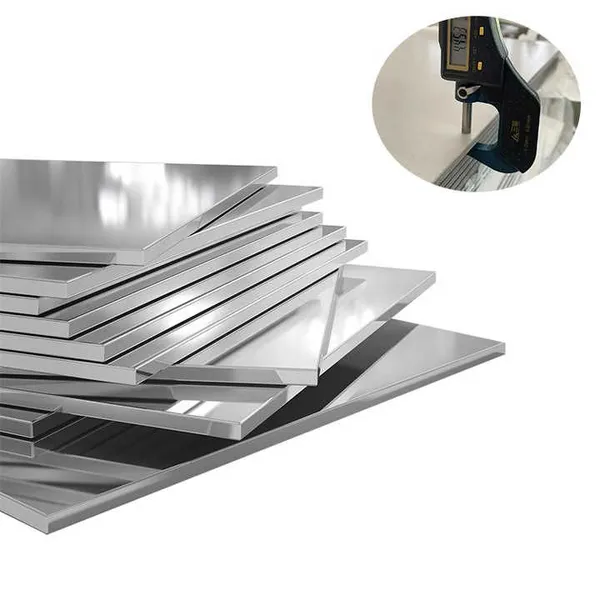
304/304L/316/409/410/904L/2205/2507/310H Premium Stainless Steel Sheets Supplier Custom Sizes & FinishesUS$ 1.72MOQ: 1 Ton
-
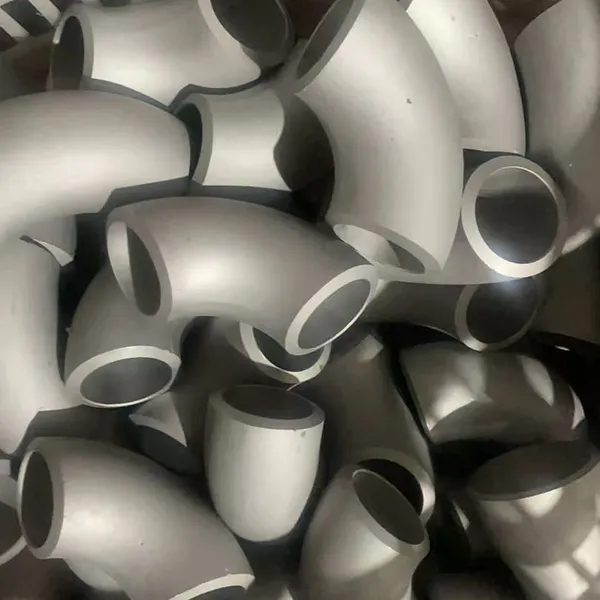
Stainless Steel ASME B16.9 Sch 45 90 Degree Pipe Fittings ElbowUS$ 8MOQ: 1 Piece
-
China Brand Zz 304L 316/316L GB En JIS Standard Thin Wall Welded Stainless Steel Water Pipe/TubeNegotiableMOQ: 2 Meters
-
BA 4 Inch 6 Inch 8 Inch 201 304 304L 316 316L Welded Seamless Stainless Steel PipeNegotiableMOQ: 2 Meters
-
ASME B36.19M-2004 SCH40S Stainless Steel Pipe - Complies With EU 3.1 CertificationUS$ 1 - 650MOQ: 1 Piece
-
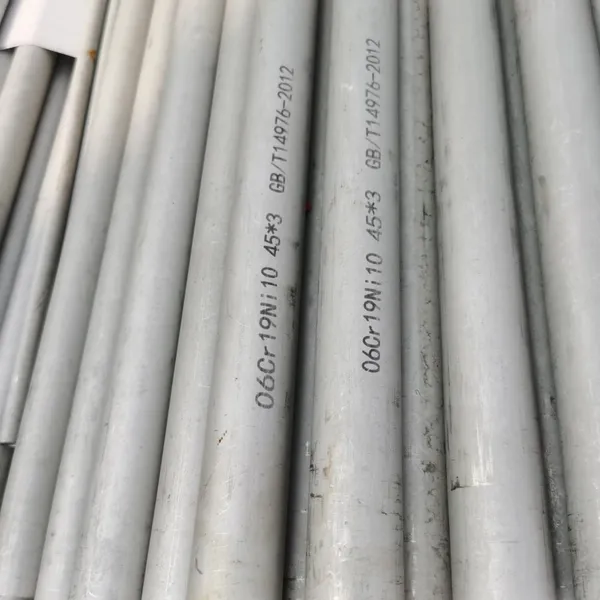
Factory TP309/TP309S/TP309H (UNS30900) Seamless Stainless Steel Pipe and Tube for Boiler BafflesUS$ 8MOQ: 200 Kilograms
-
TP347/TP347H/1.4961/S34709 Seamless Stainless Steel Pipe for UseNegotiableMOQ: 2 Meters
-
China 304 316 Stainless Steel Sanitary Welded Tube Food Grade Sanitary Grade Welded Pipe PolishingNegotiableMOQ: 1 Piece
-
China Manufacture Stainless Steel 316L Ba Seamless Welded Steel Pipe TubesUS$ 1760 - 1860MOQ: 5 Tons
-
316L/1.4405 Seamless Stainless Steel PipeNegotiableMOQ: 2 Meters
-
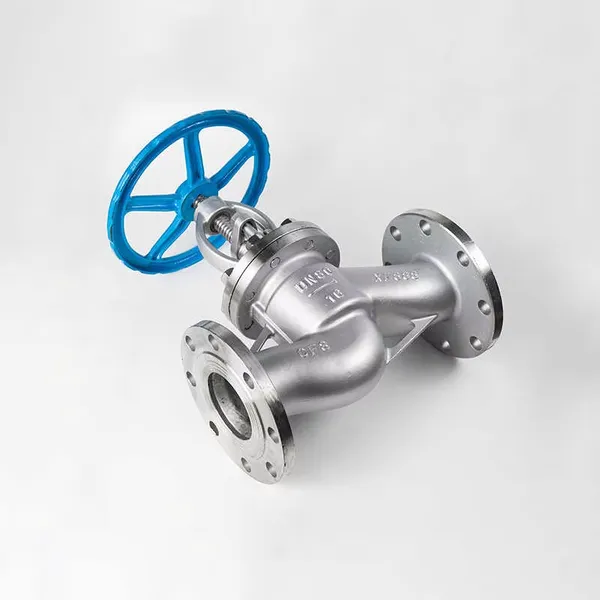
Stainless Steel Globe Valve – High Durability & Corrosion ResistanceNegotiableMOQ: 1 Piece
-
1.4529 Stainless Steel Flat Plate for Chemical Processing EquipmentUS$ 25 - 35MOQ: 1 Kilogram
-
Color Coated Steel Panels for Warehouse Partition Walls (Fireproof Grade)US$ 1 - 1.2MOQ: 50 Kilograms
-
Custom Width (600mm-1250mm) Colored Steel Coil With Scratch ResistanceUS$ 1 - 1.2MOQ: 50 Kilograms
-
0.5mm-3.0mm Colored Coated Steel Sheet With PVDF/Polyester CoatingUS$ 1 - 1.2MOQ: 50 Kilograms
-
JIS G 3322 Compliant Colored Coils With Third-Party Inspection ReportUS$ 1 - 1.2MOQ: 50 Kilograms