
 Business License

What are the surface treatment processes for stainless steel decorative tubes and water pipes?
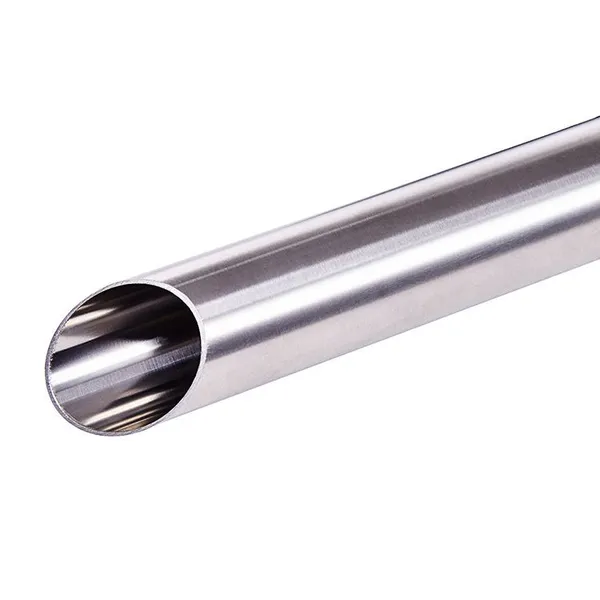
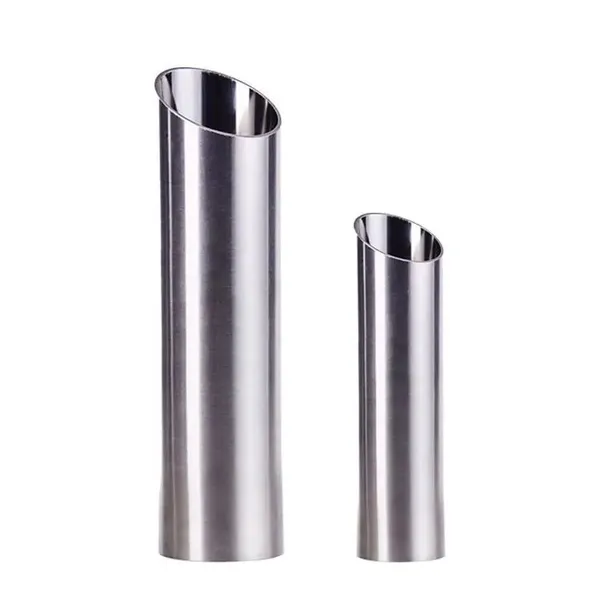
The surface treatment processes of stainless steel decorative tubes and water pipes differ significantly due to their distinct functional requirements. Decorative tubes focus more on aesthetics, while water pipes prioritize hygiene and corrosion resistance. Here are the common surface treatment processes and their characteristics for both types:
1. **Polishing**: This process is widely used for decorative tubes to achieve a smooth and shiny surface, enhancing their visual appeal. For water pipes, polishing is also employed but with a focus on ensuring a smooth surface
I. Surface Treatment Processes for Stainless Steel Decorative Tubes
1. Polishing Processes (Enhancing Gloss and Decorativeness)
Mirror Polishing (8K/10K Polishing)
Process: Through multiple grinding with abrasives (such as aluminum oxide, chromium oxide) and polishing wheels, the surface roughness Ra is reduced to ≤0.2μm, creating a mirror-like reflective effect.
Characteristics: The surface is as bright as a mirror, presenting a luxurious visual effect. It is often used in high-end decorations (such as hotel facades, elevator cabins), but it is prone to fingerprints and scratches.
Sanding (Matte / Satin Polishing)
Process: Uniformly grind the surface using sandpaper, sand belts, or sandblasting (with quartz sand, glass beads) to create a matte texture.
Characteristics: The surface is matte but has a fine texture, with better scratch resistance than mirror polishing. It is commonly used in areas that are frequently touched, such as stair railings and guardrails.
Brushing (Hairline Finish)
Process: Use a brushing machine with sanding wheels or steel wire wheels to create parallel fine lines (straight or random) on the surface, forming a texture similar to metal hair.
Characteristics: The texture is clear and decorative, capable of concealing minor scratches. It is commonly found on furniture and advertising sign frames.
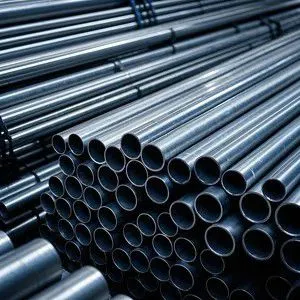
2. Color and Coating Processes (Enriching Appearance Effects)
Titanium Plating (PVD Vacuum Coating)
Process: In a vacuum environment, titanium, zirconium, and other metal ions are deposited on the surface through physical vapor deposition (PVD) to form colored oxide films (such as gold, rose gold, black).
Characteristics: The color is long-lasting and does not fade, with enhanced wear resistance and corrosion resistance. It is suitable for outdoor decorations (such as landscape sculptures).
Electrophoretic Coating
Process: Immerse the tube in water-soluble paint and apply an electric current to evenly coat the surface, then cure it at high temperature to form a protective film.
Characteristics: The coating thickness is uniform (10-30μm), with bright colors and strong resistance to ultraviolet rays and oxidation. It is often used for stainless steel decorative parts in aluminum alloy doors and windows.
Spraying (Powder Spraying / Fluorocarbon Spraying)
Process: Powder spraying involves electrostatically adhering plastic powder to the surface and curing it at high temperature; fluorocarbon spraying uses fluorocarbon paint (such as PVDF) and dries it after spraying.
Characteristics: Powder spraying offers a wide range of colors and is cost-effective, while fluorocarbon spraying has excellent weather resistance (suitable for coastal or acid rain environments) and is commonly used for outdoor guardrails.
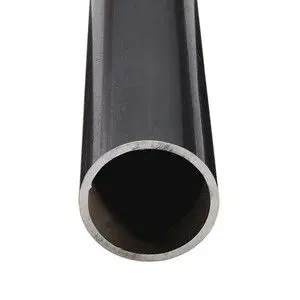
3. Texture and Texture Processes (Personalized Design)
Embossing (Rolling Pattern)
Process: Press patterns (such as diamond, wave, bark) onto the surface using rollers to create a three-dimensional touch.
Characteristics: Adds decorative layers, often used in handrails, screens, and other areas requiring tactile design.
Etching (Chemical Corrosion)
Process: Use strong acids or lasers to etch patterns or text on the surface, creating a raised and recessed effect.
Characteristics: Customizable patterns, suitable for artistic decorations and signboards.
II. Surface Treatment Processes for Stainless Steel Pipes
1. Cleaning and Anti-rust Basic Treatment
Mechanical Polishing (Polishing of Inner and Outer Surfaces)
Process: The inner surface is polished using a dedicated polishing head or abrasive balls, while the outer surface is polished with sand belts, achieving a surface roughness of Ra ≤ 0.8 μm (Ra ≤ 0.4 μm for drinking water pipes).
Characteristics: The inner surface is smooth, reducing fluid resistance and bacterial adhesion, while the outer surface is aesthetically pleasing and easy to clean. This is a basic process for pipes.
Passivation Treatment (Pickling and Passivation)
Process: Oxide scales on the surface are removed using solutions such as nitric acid and hydrofluoric acid, forming a passivation film (mainly composed of Cr₂O₃), enhancing corrosion resistance.
Characteristics: It removes the oxide layer and impurities after welding, ensuring the material meets hygiene standards. It is commonly used for food-grade pipes.
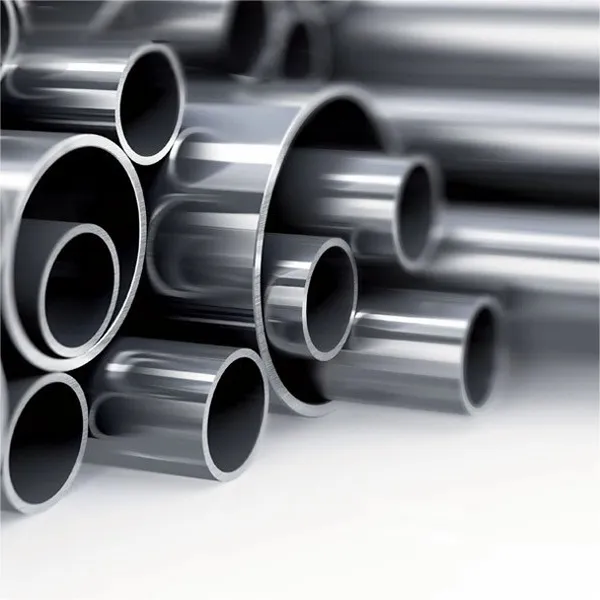
2. Functional Protective Processes
Electrolytic Polishing (Electrochemical Polishing)
Process: The pipe is used as the anode and immersed in an electrolyte solution with electricity applied, dissolving the microscopic protrusions on the surface to achieve a mirror-like finish (Ra ≤ 0.2 μm).
Characteristics: The surface is smoother and denser, with better corrosion resistance than mechanical polishing. It is suitable for the transportation of high-purity fluids (such as in the pharmaceutical and beverage industries).
Chromium-free Passivation (Environmental-friendly Treatment)
Process: Chromium-free agents such as titanium salts and silanes are used instead of traditional pickling to form a protective film, meeting environmental standards (such as the EU RoHS Directive).
Characteristics: It avoids hexavalent chromium pollution and is suitable for drinking water pipes and scenarios with high environmental requirements.
3. Special Scenario Treatments
Antibacterial Treatment (Nanocoating)
Process: Coating the surface with antibacterial agents containing silver ions, zinc oxide, etc., to inhibit bacterial growth.
Characteristics: Commonly used in drinking water systems in hospitals, schools, and other places with high hygiene requirements.
Anti-scaling Treatment
Process: Reducing surface tension through chemical coating or surface modification to prevent the deposition of calcium and magnesium ions.
Characteristics: Suitable for areas with hard water, extending the service life of pipes.
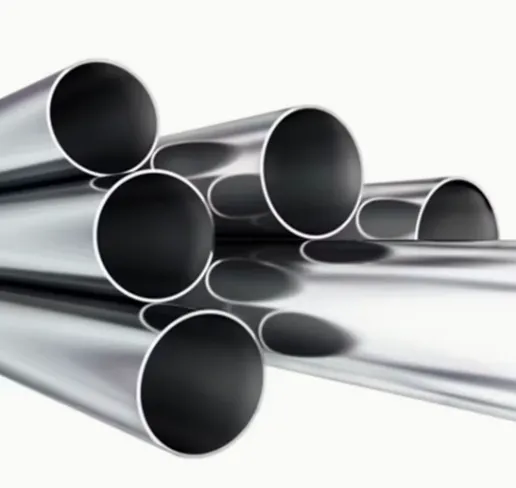
III. Comparison of the Two Processes and Core Differences Picture One
IV. Examples of Application Scenarios
Decorative Pipe Process Examples:
The stainless steel door frames of hotel revolving doors often undergo 8K mirror polishing and titanium rose gold plating, which not only look luxurious but also resist daily wear and tear. Outdoor guardrails mostly use sanding and fluorocarbon spraying, which balance rust prevention and weather resistance.
Water Pipe Process Examples:
Drinking water pipes in residential areas are made of 316L stainless steel and undergo internal and external wall electrolytic polishing and passivation treatment to ensure pure water quality. Industrial chemical pipelines require electrolytic polishing and chromium-free passivation to prevent leakage of corrosive fluids.
Summary: The surface treatment of decorative pipes prioritizes "appearance quality", while that of water pipes emphasizes "functionality". The core difference in their process selection stems from the distinct demands of "decorativeness" and "safety".
Recently Posted
-
Does the stainless steel welded pipe have specific temperature requirements during the solution heat
January 20, 2026Solution heat treatment involves heating stainless steel to a high temperature and then rapidly cooling it to achieve an oversatur Read More
 -
Can stainless steel welded pipes be made into thick pipes
January 20, 2026With the improvement of high-quality welding technology and increasingly strict weld inspection, the application fields of s Read More
 -
Three types of commonly available food-grade stainless steel on the market
January 20, 2026The common food-grade stainless steel pipes are mainly composed of iron, chromium and carbon and other elements. Household stainle Read More
 -
What are the requirements for stainless steel welding pipe production equipment
January 20, 2026As is well known, stainless steel welded pipes have been widely used in various industries such as machinery, chemical engineering Read More

Contact Us
Recommended Products
-
 Stainless Steel Elbow Welded Elbow 45/90/180-degree Seamless Pressed Elbow Long Radius Elbow Short Radius Elbow WholesaleNegotiableMOQ: 1 Piece
 -
316L/1.4405 Seamless Stainless Steel PipeNegotiableMOQ: 2 Meters
-
310s 440 Seamless Sanitary Piping Price 321 904l 201 20 Inch Seamless Steel Pipe A554 Stainless Steel PipeNegotiableMOQ: 1 Piece
-
China Brand ZZ Wholesale 304L 316 316L Welded Austenitic Piping Stainless Steel Pipe SupplierNegotiableMOQ: 2 Meters
-
304/304L/316/409/410/904L/2205/2507/310H Premium Stainless Steel Sheets Supplier Custom Sizes & FinishesUS$ 1.72MOQ: 1 Ton
-
Stainless Steel ASME B16.9 Sch 45 90 Degree Pipe Fittings ElbowUS$ 8MOQ: 1 Piece
-
China Brand Zz 304L 316/316L GB En JIS Standard Thin Wall Welded Stainless Steel Water Pipe/TubeNegotiableMOQ: 2 Meters
-
BA 4 Inch 6 Inch 8 Inch 201 304 304L 316 316L Welded Seamless Stainless Steel PipeNegotiableMOQ: 2 Meters
-
ASME B36.19M-2004 SCH40S Stainless Steel Pipe - Complies With EU 3.1 CertificationUS$ 1 - 650MOQ: 1 Piece
-
Factory TP309/TP309S/TP309H (UNS30900) Seamless Stainless Steel Pipe and Tube for Boiler BafflesUS$ 8MOQ: 200 Kilograms
-
TP347/TP347H/1.4961/S34709 Seamless Stainless Steel Pipe for UseNegotiableMOQ: 2 Meters
-
China 304 316 Stainless Steel Sanitary Welded Tube Food Grade Sanitary Grade Welded Pipe PolishingNegotiableMOQ: 1 Piece
-
China Manufacture Stainless Steel 316L Ba Seamless Welded Steel Pipe TubesUS$ 1760 - 1860MOQ: 5 Tons
-
316L/1.4405 Seamless Stainless Steel PipeNegotiableMOQ: 2 Meters
-
Stainless Steel Globe Valve – High Durability & Corrosion ResistanceNegotiableMOQ: 1 Piece
-
1.4529 Stainless Steel Flat Plate for Chemical Processing EquipmentUS$ 25 - 35MOQ: 1 Kilogram
-
Color Coated Steel Panels for Warehouse Partition Walls (Fireproof Grade)US$ 1 - 1.2MOQ: 50 Kilograms
-
Custom Width (600mm-1250mm) Colored Steel Coil With Scratch ResistanceUS$ 1 - 1.2MOQ: 50 Kilograms
-
0.5mm-3.0mm Colored Coated Steel Sheet With PVDF/Polyester CoatingUS$ 1 - 1.2MOQ: 50 Kilograms
-
JIS G 3322 Compliant Colored Coils With Third-Party Inspection ReportUS$ 1 - 1.2MOQ: 50 Kilograms