
 Business License

What are the differences in corrosion resistance between stainless steel decorative tubes and stainl
The difference in corrosion resistance between stainless steel decorative tubes and stainless steel water pipes is mainly determined by material selection, surface treatment processes, usage environments, and industry standard requirements. The following is an analysis of the differences between the two and the underlying technical logic from multiple dimensions:
I. Core Differences in Material (Stainless Steel Grades)
The corrosion resistance of stainless steel mainly depends on the content of alloying elements such as chromium (Cr), nickel (Ni), and molybdenum (Mo). The corrosion resistance varies significantly among different grades.
Material Characteristics of Stainless Steel Pipes
Common grades:
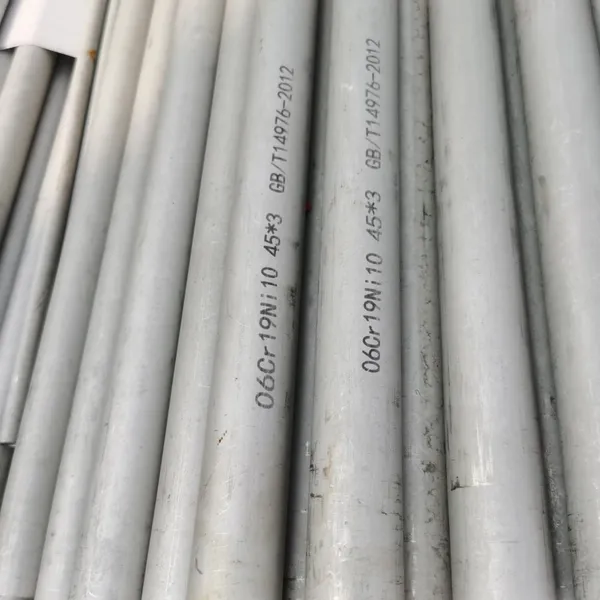
304 (06Cr19Ni10): Contains 18% Cr and 8% Ni, resistant to atmospheric corrosion and ordinary water quality corrosion, it is the basic material for drinking water pipes.
316 (06Cr17Ni12Mo2): Adds 2% Mo, significantly enhancing resistance to chloride ion (Cl⁻) corrosion, suitable for seawater, high-salt water quality or industrial environments.
316L (low-carbon 316): Carbon content ≤ 0.03%, preventing intergranular corrosion during welding, often used in pipe systems that require welding.
Material standards: Must comply with GB/T 12771 "Welded Stainless Steel Pipes for Fluid Conveyance", with strict regulations on the content of elements such as Cr and Ni to ensure corrosion resistance.
2. Material Characteristics of Stainless Steel Decorative Tubes
Common grades:
201 (12Cr17Mn6Ni5N): High manganese (Mn) content and low nickel content (about 1% to 3%), with lower corrosion resistance than 304. It is prone to rust in humid environments.
304: Some high-end decorative tubes use 304, but they are relatively thin (0.3 to 1mm), and their corrosion resistance depends on surface treatment.
202/430 (ferritic stainless steel): Used for dry indoor decoration, with poor corrosion resistance and prone to corrosion when exposed to water or acids and alkalis.
Material standards: There are no mandatory standards. Enterprises can choose materials independently. Some low-priced decorative tubes may be made from recycled scrap, resulting in insufficient alloy elements.
II. The Influence of Surface Treatment Processes on Corrosion Resistance
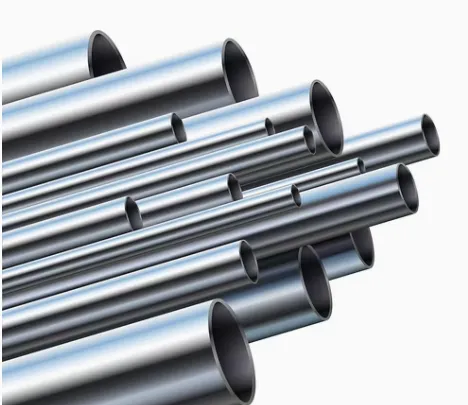
Surface treatment not only affects the appearance but is also a key method to enhance corrosion resistance. The differences in their processes are as follows:
Surface treatment of stainless steel pipes
Core objective: Enhance corrosion resistance and hygiene, eliminate surface defects.
Typical processes:
Electrolytic polishing of inner surface: Remove burrs and impurities on the inner wall, form a passive film (Cr₂O₃), reduce scale adhesion and bacterial growth, suitable for drinking water pipes.
Passivation treatment of outer surface: Remove welding oxide layers through nitric acid passivation solution, generate a uniform passive film, increase corrosion resistance by 30% to 50%.
Electroless nickel plating (optional): Nickel plating on the surface of 316 pipes to enhance resistance to seawater corrosion, used in marine engineering.
2. Surface Treatment of Stainless Steel Decorative Tubes
Core Objective: Aesthetics take priority, with corrosion resistance being a secondary consideration.
Scenario: Seaside Guardrail (Decorative Pipe) vs Seawater Conveyance Pipeline (Water Pipe)
Decorative Pipe (201 + Titanium Coating): The coating begins to peel off after 1-2 years, and the pipe shows large-scale rusting;
Water Pipe (316 + Passivation): No obvious corrosion for more than 5 years, and the passivation film on the inner wall resists the erosion of chloride ions in seawater.
III. Differences in Usage Environments and Corrosion Resistance Requirements
1. Environmental Challenges of Stainless Steel Water Pipes
Medium Characteristics:
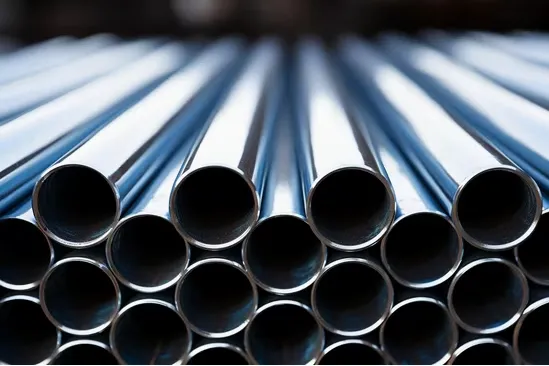
Long-term contact with water (containing Cl⁻, Ca²⁺, Mg²⁺, etc.) makes it prone to electrochemical corrosion or scale corrosion.
Temperature changes in water (such as in hot water pipes) may accelerate oxidation, requiring the material to have high-temperature corrosion resistance (304's temperature resistance ≤ 80°C, 316 can reach 120°C).
Corrosion Resistance Requirements:
It must pass the GB/T 17219 hygiene performance test to ensure that no harmful substances are released in water and that corrosion resistance does not affect water quality.
2. Environmental Challenges of Stainless Steel Decorative Pipes
Medium Characteristics:
Mainly in contact with the atmosphere, dust, and rainwater; in some scenarios, it may come into contact with cleaning agents (such as indoor decoration) or industrial exhaust gases (outdoor decoration).
Corrosion risk is relatively low, but it may rust in acid rain, salt spray (near the sea), or humid environments.
Corrosion Resistance Requirements:
There are no mandatory corrosion resistance testing standards; only short-term appearance requirements need to be met (such as no obvious rust on indoor decorative pipes within one year).
IV. Differences between Industry Standards and Certifications
1. Corrosion Resistance Standards for Water Pipes
GB/T 12771-2008: stipulates that water pipes must pass the "Intergranular Corrosion Test" (GB/T 4334) to ensure that materials such as 304 and 316 do not undergo intergranular corrosion under specific conditions.
CJ/T 152-2010: requires that the corrosion resistance at the pipe joints (such as the crimping area) be no less than that of the pipe body, and the sealing rings must be resistant to water corrosion.
2. Corrosion Resistance Standards for Decorative Pipes
There are no specific corrosion resistance standards. Only GB/T 18705 "Welded Stainless Steel Pipes for Decoration" is referred to, which has requirements for the mechanical properties (such as tensile strength) of the materials, but no clear indicators for corrosion resistance.
V. Summary of Corrosion Resistance Performance and Application Suggestions
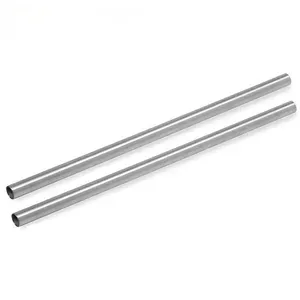
1. Core differences:
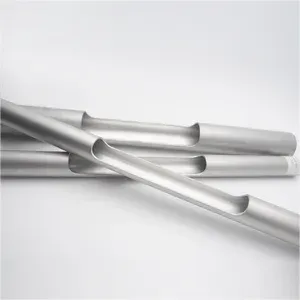
Material determines basic corrosion resistance: Water pipes generally use 304/316, while decorative pipes may use 201/430, with a significant difference in corrosion resistance;
Surface treatment focuses differently: Water pipes use passivation and polishing to enhance corrosion resistance, while decorative pipes use electroplating and spraying to improve aesthetics, with corrosion resistance as a secondary consideration;
Environmental adaptability: Water pipes are designed for fluid corrosion, while decorative pipes are designed for atmospheric corrosion. In extreme environments (such as high salt, acid, and alkali), decorative pipes are prone to failure.
2. Application scenarios:
Recommended scenarios for water pipe materials: Drinking water systems, seawater desalination, and chemical fluid transportation (must use 304/316); Permitted scenarios for decorative pipe materials: Dry indoor decoration (such as shelves, partitions), short-term outdoor decoration (such as temporary exhibition stands), avoiding humid or high-salt environments.
3. Purchase suggestions:
If decorative pipes need to be used outdoors for a long time, it is recommended to choose 304 material + passivation treatment instead of electroplating / spraying;
Water pipes must require suppliers to provide material test reports (such as spectral analysis) to avoid substandard products (such as using 201 to pass off as 304).
Recently Posted
-
Does the stainless steel welded pipe have specific temperature requirements during the solution heat
January 20, 2026Solution heat treatment involves heating stainless steel to a high temperature and then rapidly cooling it to achieve an oversatur Read More
 -
Can stainless steel welded pipes be made into thick pipes
January 20, 2026With the improvement of high-quality welding technology and increasingly strict weld inspection, the application fields of s Read More
 -
Three types of commonly available food-grade stainless steel on the market
January 20, 2026The common food-grade stainless steel pipes are mainly composed of iron, chromium and carbon and other elements. Household stainle Read More
 -
What are the requirements for stainless steel welding pipe production equipment
January 20, 2026As is well known, stainless steel welded pipes have been widely used in various industries such as machinery, chemical engineering Read More

Contact Us
Recommended Products
-
 Stainless Steel Elbow Welded Elbow 45/90/180-degree Seamless Pressed Elbow Long Radius Elbow Short Radius Elbow WholesaleNegotiableMOQ: 1 Piece
 -
316L/1.4405 Seamless Stainless Steel PipeNegotiableMOQ: 2 Meters
-
310s 440 Seamless Sanitary Piping Price 321 904l 201 20 Inch Seamless Steel Pipe A554 Stainless Steel PipeNegotiableMOQ: 1 Piece
-
China Brand ZZ Wholesale 304L 316 316L Welded Austenitic Piping Stainless Steel Pipe SupplierNegotiableMOQ: 2 Meters
-
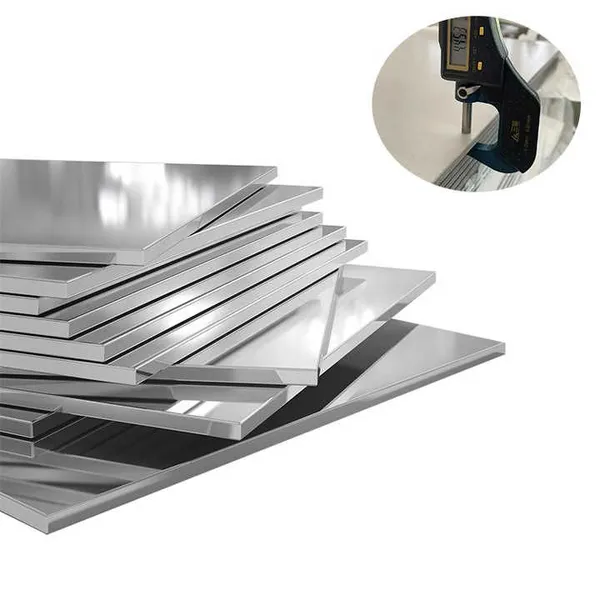
304/304L/316/409/410/904L/2205/2507/310H Premium Stainless Steel Sheets Supplier Custom Sizes & FinishesUS$ 1.72MOQ: 1 Ton
-
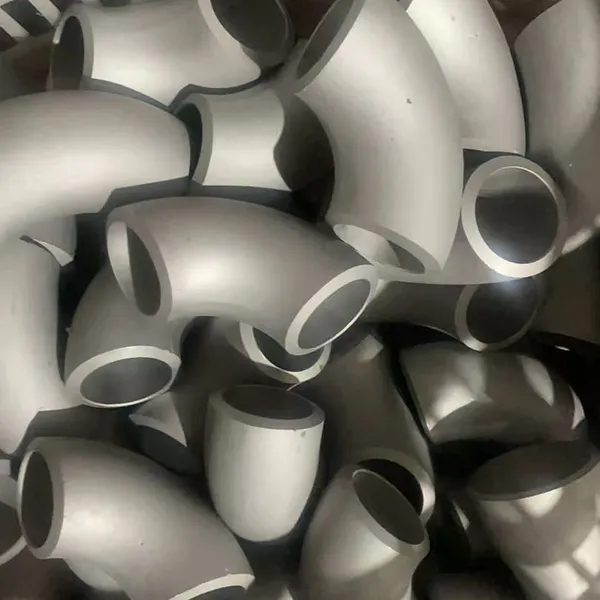
Stainless Steel ASME B16.9 Sch 45 90 Degree Pipe Fittings ElbowUS$ 8MOQ: 1 Piece
-
China Brand Zz 304L 316/316L GB En JIS Standard Thin Wall Welded Stainless Steel Water Pipe/TubeNegotiableMOQ: 2 Meters
-
BA 4 Inch 6 Inch 8 Inch 201 304 304L 316 316L Welded Seamless Stainless Steel PipeNegotiableMOQ: 2 Meters
-
ASME B36.19M-2004 SCH40S Stainless Steel Pipe - Complies With EU 3.1 CertificationUS$ 1 - 650MOQ: 1 Piece
-
Factory TP309/TP309S/TP309H (UNS30900) Seamless Stainless Steel Pipe and Tube for Boiler BafflesUS$ 8MOQ: 200 Kilograms
-
TP347/TP347H/1.4961/S34709 Seamless Stainless Steel Pipe for UseNegotiableMOQ: 2 Meters
-
China 304 316 Stainless Steel Sanitary Welded Tube Food Grade Sanitary Grade Welded Pipe PolishingNegotiableMOQ: 1 Piece
-
China Manufacture Stainless Steel 316L Ba Seamless Welded Steel Pipe TubesUS$ 1760 - 1860MOQ: 5 Tons
-
316L/1.4405 Seamless Stainless Steel PipeNegotiableMOQ: 2 Meters
-
Stainless Steel Globe Valve – High Durability & Corrosion ResistanceNegotiableMOQ: 1 Piece
-
1.4529 Stainless Steel Flat Plate for Chemical Processing EquipmentUS$ 25 - 35MOQ: 1 Kilogram
-
Color Coated Steel Panels for Warehouse Partition Walls (Fireproof Grade)US$ 1 - 1.2MOQ: 50 Kilograms
-
Custom Width (600mm-1250mm) Colored Steel Coil With Scratch ResistanceUS$ 1 - 1.2MOQ: 50 Kilograms
-
0.5mm-3.0mm Colored Coated Steel Sheet With PVDF/Polyester CoatingUS$ 1 - 1.2MOQ: 50 Kilograms
-
JIS G 3322 Compliant Colored Coils With Third-Party Inspection ReportUS$ 1 - 1.2MOQ: 50 Kilograms