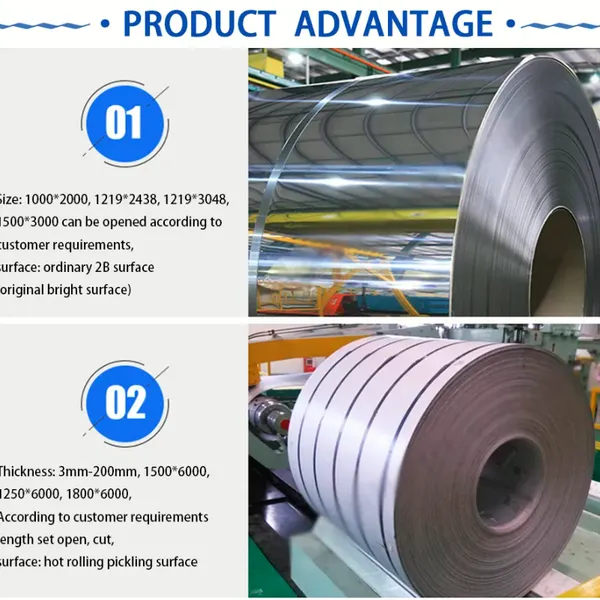

 Business License

What is the optimal ratio of each element in the duplex stainless steel pipe?
The performance of duplex stainless steel tubes is determined by their unique austenite and ferrite two-phase structure. The ratio of each element needs to be balanced between the two phases (typically each accounting for 40% to 60%), while optimizing corrosion resistance, strength and machinability. The following is an analysis of the optimal element ratios and their functions for typical duplex stainless steel tubes (such as 2205, 2507, etc.):
I. Element Ratio of Typical Duplex Stainless Steel Tubes (Taking Common Grades as Examples)
Picture 1
II. The Ratio Logic and Impact of Core Elements
1. Chromium (Cr) and Nickel (Ni): The Foundation of Two-Phase Equilibrium
Cr: As a forming element for ferrite, excessive content will result in excessive ferrite formation, making the steel brittle; insufficient content will prevent the formation of a sufficient passivating film, reducing corrosion resistance.
Ni: As a forming element for austenite, it needs to be combined with Cr to ensure a ratio close to 1:1. For example, in 2205, Ni ≈ 5.5%, Cr ≈ 22.5%, the balance is calculated using the "Ni equivalent" and "Cr equivalent" formulas:
Cr equivalent (CE) = Cr + Mo + 1.5Si + 0.5Nb (%)
Ni equivalent (NE) = Ni + 30C + 30N + 0.5Mn (%)
Ideally, CE/NE ≈ 1.0 - 1.2 to ensure two-phase equilibrium.
2. Molybdenum (Mo) and Nitrogen (N): Key to Corrosion Resistance and Strength
Mo: In media containing Cl⁻ (such as seawater, chemical solutions), Mo can inhibit the initiation of pitting corrosion. 2507 has a higher Mo content (4% - 5%), and its corrosion resistance is better than 2205.
N: Exists in solid solution form. It not only strengthens austenite but also can work synergistically with Mo to improve the resistance to pitting corrosion (PENR = Cr + 3.3Mo + 16N, the higher the PENR, the stronger the corrosion resistance). For example:
2205's PREN is approximately 40-45, suitable for moderate corrosive environments;
2507's PREN is approximately 45-50, suitable for high corrosive environments (such as marine engineering, petroleum refining).
3. Carbon (C): The lower, the better
The carbon content of duplex steel is strictly controlled at ≤0.03%, to avoid the precipitation of Cr₂₃C₆ at high temperatures, which leads to intergranular corrosion. This is an important difference from austenitic stainless steel (such as 304).
4. Manganese (Mn): An economical stable element for austenitic steel
The austenitizing ability of Mn is approximately 1/20 of that of Ni, but it is cheaper and is often used to adjust the ratio of the two and improve the cold working performance of the steel.
III. Adjustment of ratios in different application scenarios
For applications requiring corrosion resistance (such as marine engineering and chemical equipment): Increase the content of Mo (4% - 5%) and N (0.25% - 0.3%), for example, 2507 duplex steel.
For applications prioritizing strength (such as structural components and high-pressure pipelines): Increase the content of N (about 0.2%), taking advantage of its solid solution strengthening effect, while maintaining the ratio of the two components.
Weldability requirements: Reduce the content of C and Si, control Mn below 1.5%, to prevent excessive growth of ferrite in the heat affected zone (HAZ) and avoid embrittlement.
IV. Summary: Core Principles of the Optimal Ratio
The element ratio of duplex stainless steel tubes should satisfy the "two-phase balance, synergistic optimization of corrosion resistance and strength":
Chromium-nickel balance: Control the ratio of Cr equivalent to Ni equivalent to approximately 1.0 - 1.2;
Molybdenum-nitrogen synergy: Adjust Mo (2.5% - 5%) and N (0.15% - 0.3%) according to the corrosion environment to enhance the resistance to pitting corrosion;
Low carbon control: C ≤ 0.03%, avoiding intergranular corrosion;
Impurity limit: The lower the content of P and S, the better the toughness and weldability.
The specific ratio of each brand needs to be refined in combination with standards (such as ASTM A240, GB/T 21832) and actual working conditions to achieve the optimal balance between performance and cost.
Recently Posted
-
Does the stainless steel welded pipe have specific temperature requirements during the solution heat
January 20, 2026Solution heat treatment involves heating stainless steel to a high temperature and then rapidly cooling it to achieve an oversatur Read More
 -
Can stainless steel welded pipes be made into thick pipes
January 20, 2026With the improvement of high-quality welding technology and increasingly strict weld inspection, the application fields of s Read More
 -
Three types of commonly available food-grade stainless steel on the market
January 20, 2026The common food-grade stainless steel pipes are mainly composed of iron, chromium and carbon and other elements. Household stainle Read More
 -
What are the requirements for stainless steel welding pipe production equipment
January 20, 2026As is well known, stainless steel welded pipes have been widely used in various industries such as machinery, chemical engineering Read More

Contact Us
Recommended Products
-
 Stainless Steel Elbow Welded Elbow 45/90/180-degree Seamless Pressed Elbow Long Radius Elbow Short Radius Elbow WholesaleNegotiableMOQ: 1 Piece
 -
316L/1.4405 Seamless Stainless Steel PipeNegotiableMOQ: 2 Meters
-
310s 440 Seamless Sanitary Piping Price 321 904l 201 20 Inch Seamless Steel Pipe A554 Stainless Steel PipeNegotiableMOQ: 1 Piece
-
China Brand ZZ Wholesale 304L 316 316L Welded Austenitic Piping Stainless Steel Pipe SupplierNegotiableMOQ: 2 Meters
-
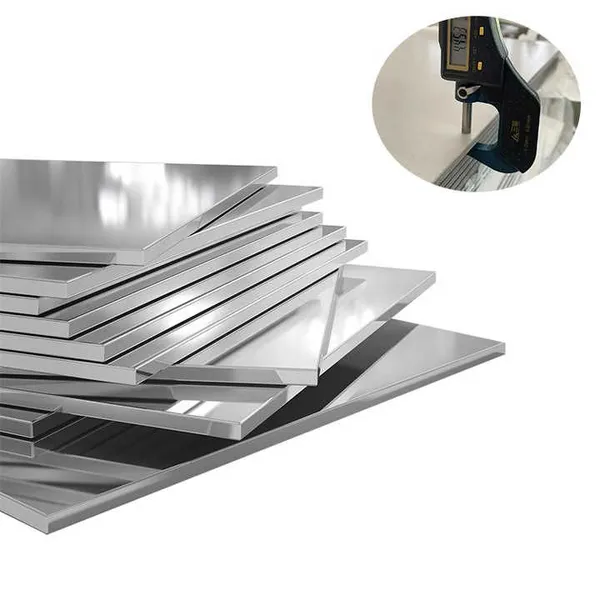
304/304L/316/409/410/904L/2205/2507/310H Premium Stainless Steel Sheets Supplier Custom Sizes & FinishesUS$ 1.72MOQ: 1 Ton
-
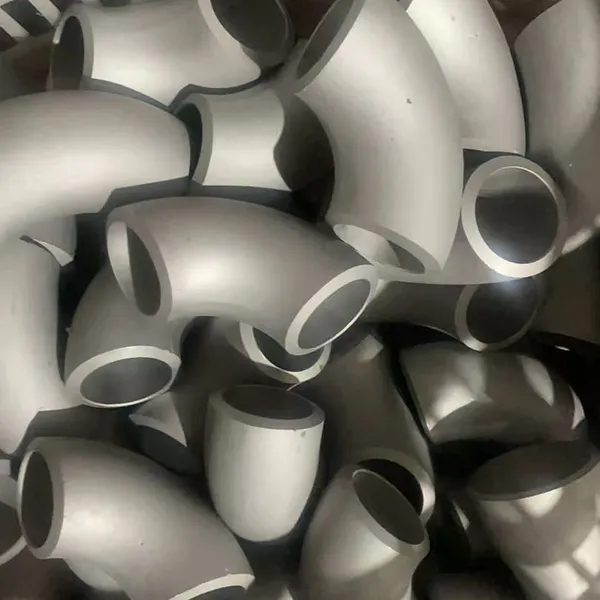
Stainless Steel ASME B16.9 Sch 45 90 Degree Pipe Fittings ElbowUS$ 8MOQ: 1 Piece
-
China Brand Zz 304L 316/316L GB En JIS Standard Thin Wall Welded Stainless Steel Water Pipe/TubeNegotiableMOQ: 2 Meters
-
BA 4 Inch 6 Inch 8 Inch 201 304 304L 316 316L Welded Seamless Stainless Steel PipeNegotiableMOQ: 2 Meters
-
ASME B36.19M-2004 SCH40S Stainless Steel Pipe - Complies With EU 3.1 CertificationUS$ 1 - 650MOQ: 1 Piece
-
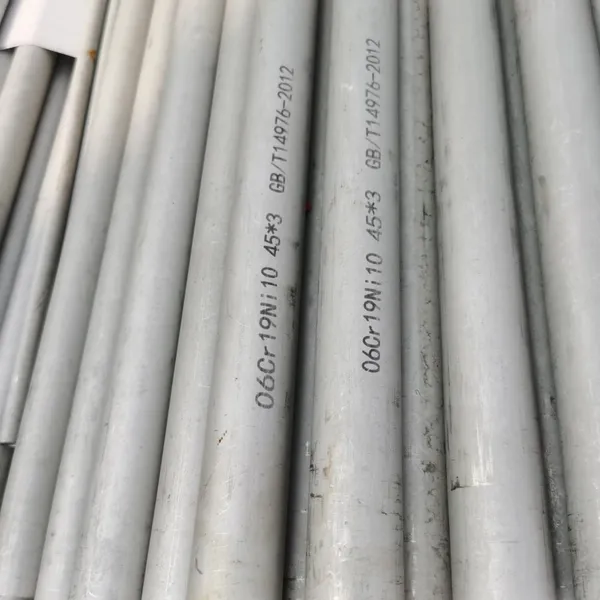
Factory TP309/TP309S/TP309H (UNS30900) Seamless Stainless Steel Pipe and Tube for Boiler BafflesUS$ 8MOQ: 200 Kilograms
-
TP347/TP347H/1.4961/S34709 Seamless Stainless Steel Pipe for UseNegotiableMOQ: 2 Meters
-
China 304 316 Stainless Steel Sanitary Welded Tube Food Grade Sanitary Grade Welded Pipe PolishingNegotiableMOQ: 1 Piece
-
China Manufacture Stainless Steel 316L Ba Seamless Welded Steel Pipe TubesUS$ 1760 - 1860MOQ: 5 Tons
-
316L/1.4405 Seamless Stainless Steel PipeNegotiableMOQ: 2 Meters
-
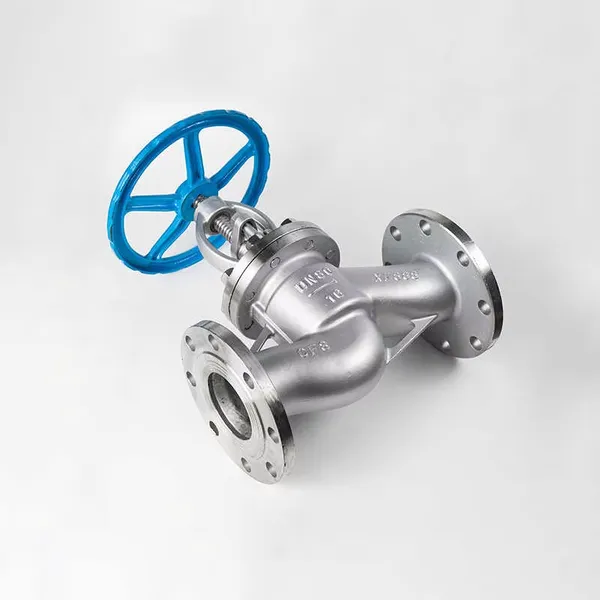
Stainless Steel Globe Valve – High Durability & Corrosion ResistanceNegotiableMOQ: 1 Piece
-
1.4529 Stainless Steel Flat Plate for Chemical Processing EquipmentUS$ 25 - 35MOQ: 1 Kilogram
-
Color Coated Steel Panels for Warehouse Partition Walls (Fireproof Grade)US$ 1 - 1.2MOQ: 50 Kilograms
-
Custom Width (600mm-1250mm) Colored Steel Coil With Scratch ResistanceUS$ 1 - 1.2MOQ: 50 Kilograms
-
0.5mm-3.0mm Colored Coated Steel Sheet With PVDF/Polyester CoatingUS$ 1 - 1.2MOQ: 50 Kilograms
-
JIS G 3322 Compliant Colored Coils With Third-Party Inspection ReportUS$ 1 - 1.2MOQ: 50 Kilograms