
 Business License

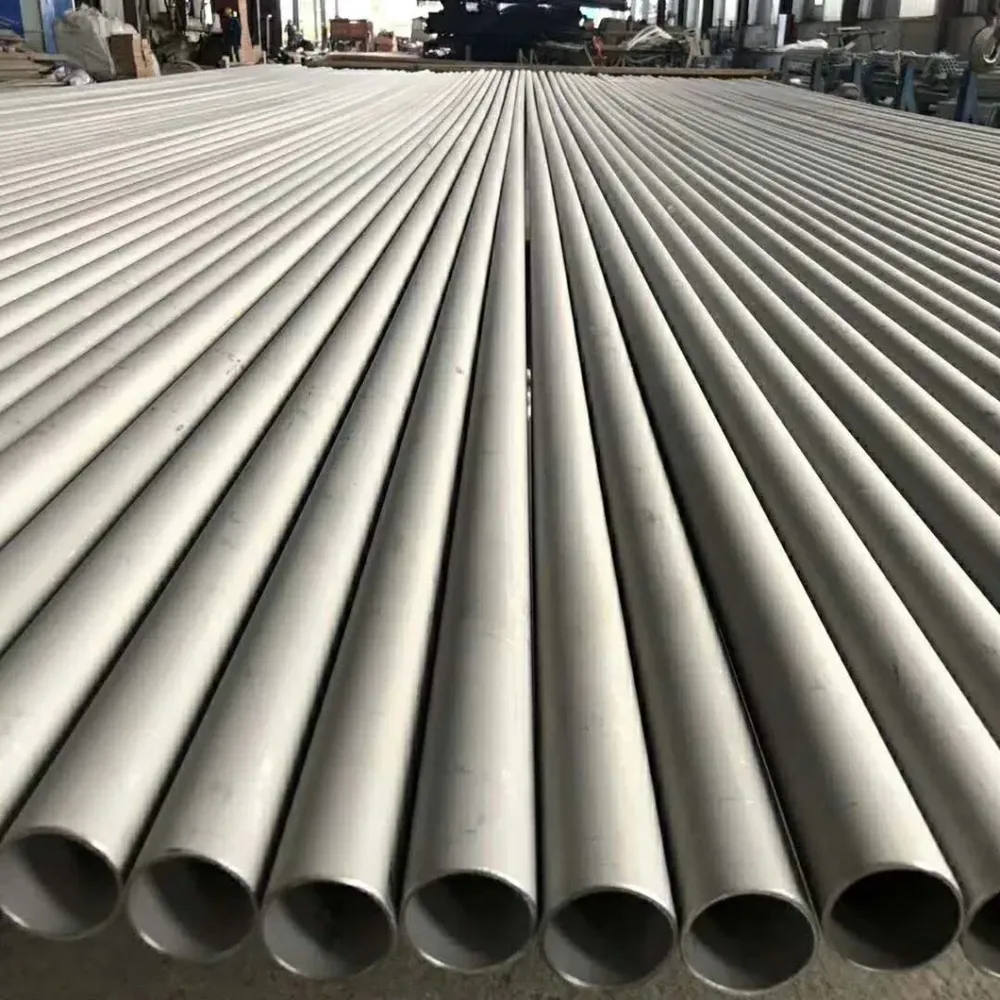
Where are the degreased stainless steel pipes mainly used?
Deaerated stainless steel pipes are stainless steel pipes that have undergone deaeration treatment, mainly to remove organic substances such as oils and dirt from the surface, in order to meet high cleanliness requirements. Their application fields are extensive. The following are the main application scenarios:
I. Food and Beverage Industry
Production Equipment: Conveying pipelines for liquid beverages such as milk and juice, as well as pipelines connecting mixing tanks and fermentation equipment in food processing to prevent oil contamination and ensure hygiene and safety.
Pharmaceutical-grade food contact components: Such as pipelines for candy production lines and baking equipment, which comply with food-grade hygiene standards to prevent cross-contamination.
II. Medicine and Biotechnology Engineering
Pharmaceutical equipment: Pipelines for transporting liquid medications such as injections and oral liquids, as well as pipelines for purified water and injection water in aseptic workshops to prevent oil residue from affecting the purity of the drugs.
Biological laboratories: In scenarios such as cell culture and vaccine production, used to transport sterile reagents and culture media to ensure a pollution-free experimental environment.
Medical devices: Such as pipelines for transporting medical gases (oxygen, nitrogen), fluid channels in surgical equipment, to meet medical-grade cleanliness requirements.
III. Chemical and Petrochemicals
High-purity gas transportation: Transporting high-purity gases such as hydrogen, nitrogen, and oxygen to avoid explosions caused by the mixture of grease and gases (for example, grease in the oxygen pipeline may cause combustion).
Corrosive medium pipelines: In chemical reactions, when transporting corrosive liquids such as acids and alkalis, degreasing treatment can enhance the corrosion resistance and cleanliness of stainless steel pipes.
Fine chemical production: In the production process of fine chemicals such as pesticides and dyes, preventing grease from affecting product quality.
IV. Aerospace and High-End Manufacturing
Aerospace Fuel System: Aircraft fuel pipelines need to be degreased to prevent oil deposits, which could cause blockages or pose safety risks.
Hydraulic System: After degreasing the hydraulic pipelines of aerospace equipment, friction and wear can be reduced, enhancing system reliability.
Precision Instrument Manufacturing: For example, gas and liquid transportation pipelines in semiconductor equipment, ensuring no contamination by impurities.
V. Energy Industry
Nuclear power plant pipelines: Used for transporting coolant, chemical agents, etc. Decontamination treatment can prevent pipeline corrosion and impurity deposition, ensuring the safe operation of nuclear power plants.
Natural gas transportation: After high-pressure natural gas pipelines are decontaminated, impurities in the gas can be reduced, avoiding damage to compressors, valves and other equipment.
VI. Water Treatment and Environmental Protection
Pure Water System: Pipes for treating drinking water and industrial pure water (such as electronic-grade pure water), preventing oil contamination of the water quality.
Wastewater Treatment Equipment: In wastewater treatment, used for transporting chemical agents or treated water that meets standards, reducing the accumulation of dirt on the inner walls of the pipes.
VII. Electronics and Semiconductor Industry
Semiconductor Manufacturing: During the chip production process, high-purity gases (such as silane and ammonia) and deionized water are transported. Decontamination treatment can prevent contamination of the wafers and affect the performance of the chips.
Electronic Equipment Cooling System: The cooling liquid pipelines for precision electronic equipment ensure no grease blocking the heat dissipation channels.
Advantages and Characteristics of Decontaminated Stainless Steel Pipes
High Cleanliness: Removes surface organic substances, prevents contamination of the medium, suitable for scenarios with extremely high cleanliness requirements.
Corrosion Resistance: The stainless steel material is resistant to acids and alkalis, and the surface becomes smoother after decontamination, reducing the adhesion of corrosive media.
Safety: In flammable and explosive environments (such as oxygen and gas transportation), avoids the risk of grease causing danger.
Summary
The core application of degreased stainless steel pipes lies in "high cleanliness and anti-pollution", mainly serving industries with strict requirements for medium purity and equipment safety. Depending on different scenarios, the selection of stainless steel pipes also needs to be based on their material (such as 304, 316L) and specifications to meet specific working conditions.
Recently Posted
-
Does the stainless steel welded pipe have specific temperature requirements during the solution heat
January 20, 2026Solution heat treatment involves heating stainless steel to a high temperature and then rapidly cooling it to achieve an oversatur Read More
 -
Can stainless steel welded pipes be made into thick pipes
January 20, 2026With the improvement of high-quality welding technology and increasingly strict weld inspection, the application fields of s Read More
 -
Three types of commonly available food-grade stainless steel on the market
January 20, 2026The common food-grade stainless steel pipes are mainly composed of iron, chromium and carbon and other elements. Household stainle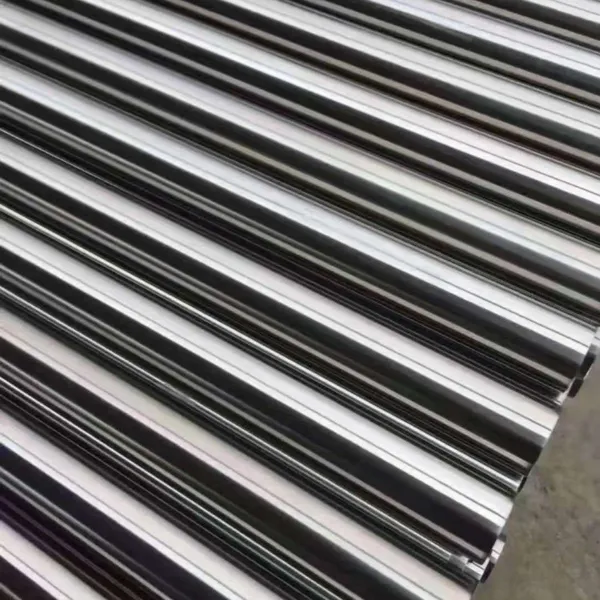 Read More
 -
What are the requirements for stainless steel welding pipe production equipment
January 20, 2026As is well known, stainless steel welded pipes have been widely used in various industries such as machinery, chemical engineering Read More

Contact Us
Recommended Products
-
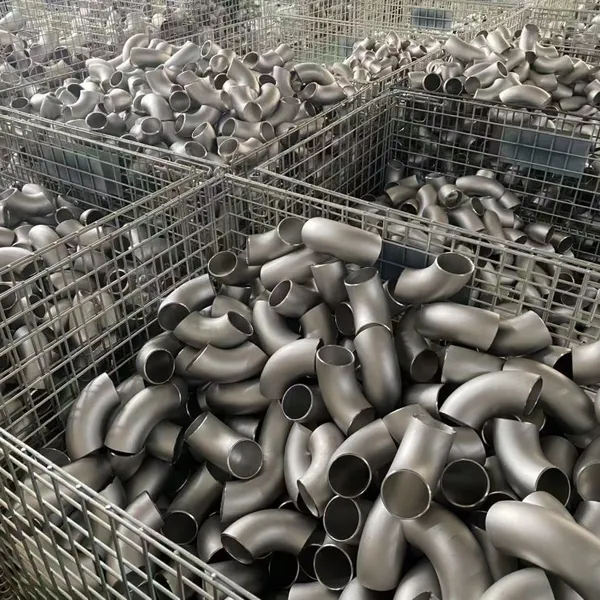
 Stainless Steel Elbow Welded Elbow 45/90/180-degree Seamless Pressed Elbow Long Radius Elbow Short Radius Elbow WholesaleNegotiableMOQ: 1 Piece
 -
316L/1.4405 Seamless Stainless Steel PipeNegotiableMOQ: 2 Meters
-
310s 440 Seamless Sanitary Piping Price 321 904l 201 20 Inch Seamless Steel Pipe A554 Stainless Steel PipeNegotiableMOQ: 1 Piece
-
China Brand ZZ Wholesale 304L 316 316L Welded Austenitic Piping Stainless Steel Pipe SupplierNegotiableMOQ: 2 Meters
-
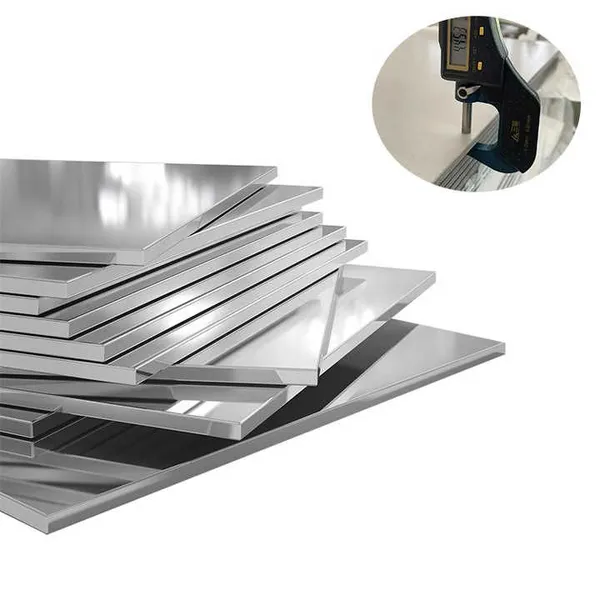
304/304L/316/409/410/904L/2205/2507/310H Premium Stainless Steel Sheets Supplier Custom Sizes & FinishesUS$ 1.72MOQ: 1 Ton
-
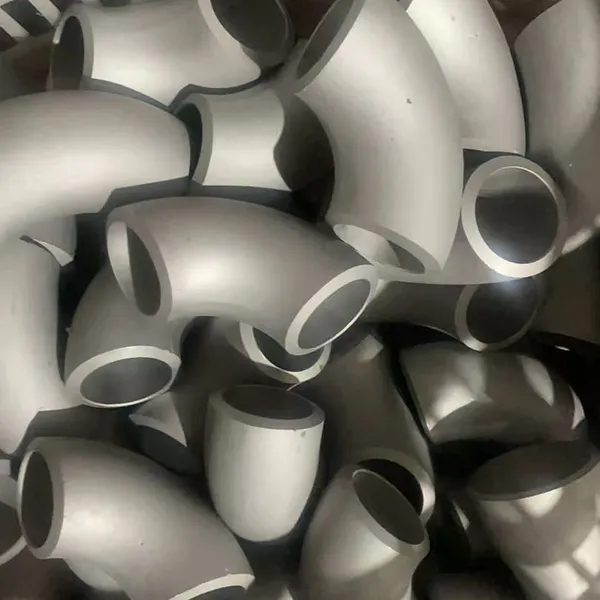
Stainless Steel ASME B16.9 Sch 45 90 Degree Pipe Fittings ElbowUS$ 8MOQ: 1 Piece
-
China Brand Zz 304L 316/316L GB En JIS Standard Thin Wall Welded Stainless Steel Water Pipe/TubeNegotiableMOQ: 2 Meters
-
BA 4 Inch 6 Inch 8 Inch 201 304 304L 316 316L Welded Seamless Stainless Steel PipeNegotiableMOQ: 2 Meters
-
ASME B36.19M-2004 SCH40S Stainless Steel Pipe - Complies With EU 3.1 CertificationUS$ 1 - 650MOQ: 1 Piece
-
Factory TP309/TP309S/TP309H (UNS30900) Seamless Stainless Steel Pipe and Tube for Boiler BafflesUS$ 8MOQ: 200 Kilograms
-
TP347/TP347H/1.4961/S34709 Seamless Stainless Steel Pipe for UseNegotiableMOQ: 2 Meters
-
China 304 316 Stainless Steel Sanitary Welded Tube Food Grade Sanitary Grade Welded Pipe PolishingNegotiableMOQ: 1 Piece
-
China Manufacture Stainless Steel 316L Ba Seamless Welded Steel Pipe TubesUS$ 1760 - 1860MOQ: 5 Tons
-
316L/1.4405 Seamless Stainless Steel PipeNegotiableMOQ: 2 Meters
-
Stainless Steel Globe Valve – High Durability & Corrosion ResistanceNegotiableMOQ: 1 Piece
-
1.4529 Stainless Steel Flat Plate for Chemical Processing EquipmentUS$ 25 - 35MOQ: 1 Kilogram
-
Color Coated Steel Panels for Warehouse Partition Walls (Fireproof Grade)US$ 1 - 1.2MOQ: 50 Kilograms
-
Custom Width (600mm-1250mm) Colored Steel Coil With Scratch ResistanceUS$ 1 - 1.2MOQ: 50 Kilograms
-
0.5mm-3.0mm Colored Coated Steel Sheet With PVDF/Polyester CoatingUS$ 1 - 1.2MOQ: 50 Kilograms
-
JIS G 3322 Compliant Colored Coils With Third-Party Inspection ReportUS$ 1 - 1.2MOQ: 50 Kilograms