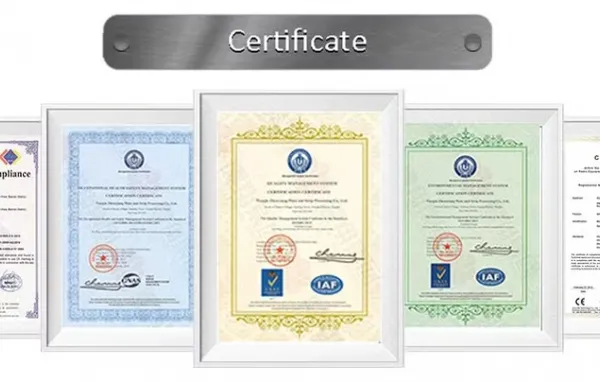

 Business License

The benefits of pickling stainless steel pipes
The pickling treatment of stainless steel pipes has the following benefits:
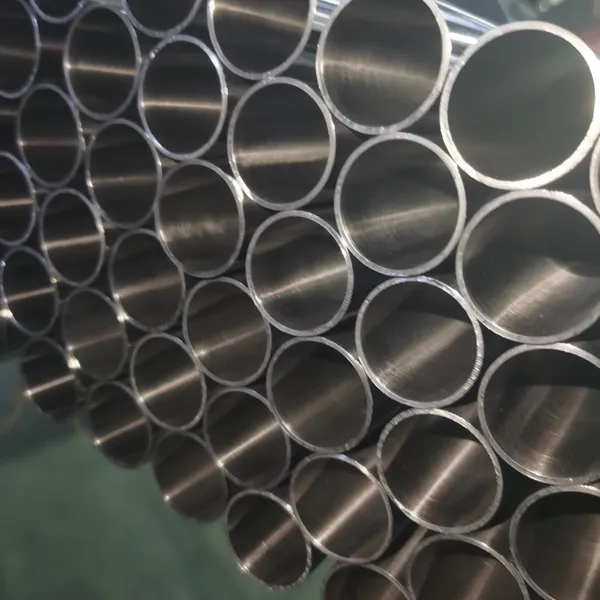
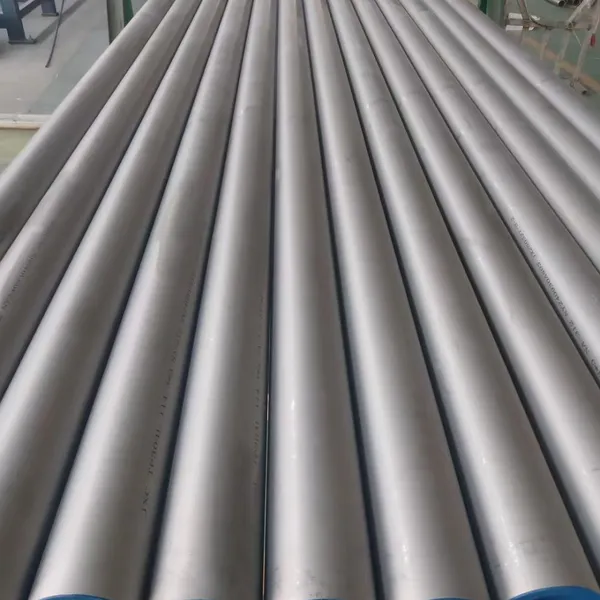
Removing oxide scale: Stainless steel will form oxide scale on its surface during processing or in high-temperature environments. Acid washing can effectively remove this layer of oxide skin, exposing a bright metal surface. For example, after hot rolling stainless steel pipes, acid washing can quickly remove the hard oxide skin on their surface, providing a good foundation for subsequent processing.
Improving corrosion resistance: Pickling can fully expose the chromium element on the surface of stainless steel pipes and form a passivation film. This passivation film can effectively isolate the contact between metal and external corrosive media, enhancing the corrosion resistance of stainless steel pipes. For example, stainless steel water pipes that have undergone acid washing treatment can better resist corrosion from impurities and acidic substances in water during long-term use.
Improving appearance quality: Acid washing can remove impurities such as oil stains and rust spots on the surface of stainless steel pipes, making the surface smoother and improving the appearance quality of the product. For some stainless steel pipes used in the decoration field, such as building decorative lines, furniture decorative parts, etc., the good appearance after acid washing treatment can directly meet the decoration requirements without the need for extensive surface decoration treatment.
Beneficial for subsequent processing: The surface of the pickled stainless steel pipe is clean and has uniform roughness, which can provide a good foundation for subsequent processing procedures such as electroplating, painting, welding, etc. For example, during electroplating, acid washing treatment can increase the surface activity of stainless steel pipes, make the coating more firmly bonded to the substrate, and thus improve the quality of electroplating.
Detecting internal defects: Pickling can make small cracks, pores, and other defects on the surface of stainless steel pipes more obvious, making it easier to detect these defects through visual inspection or other testing methods, thereby ensuring product quality. For example, during quality inspection of stainless steel seamless pipes, acid washing treatment can help inspectors more accurately determine whether there are defects inside the pipe.
Recently Posted
-
Does the stainless steel welded pipe have specific temperature requirements during the solution heat
January 20, 2026Solution heat treatment involves heating stainless steel to a high temperature and then rapidly cooling it to achieve an oversatur Read More
 -
Can stainless steel welded pipes be made into thick pipes
January 20, 2026With the improvement of high-quality welding technology and increasingly strict weld inspection, the application fields of s Read More
 -
Three types of commonly available food-grade stainless steel on the market
January 20, 2026The common food-grade stainless steel pipes are mainly composed of iron, chromium and carbon and other elements. Household stainle Read More
 -
What are the requirements for stainless steel welding pipe production equipment
January 20, 2026As is well known, stainless steel welded pipes have been widely used in various industries such as machinery, chemical engineering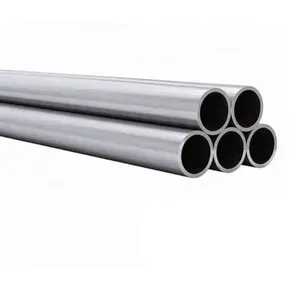 Read More

Contact Us
Recommended Products
-
 Stainless Steel Elbow Welded Elbow 45/90/180-degree Seamless Pressed Elbow Long Radius Elbow Short Radius Elbow WholesaleNegotiableMOQ: 1 Piece
 -
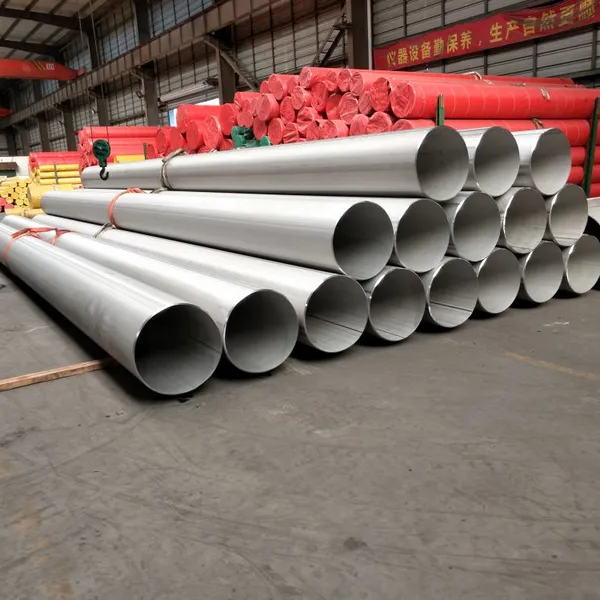
316L/1.4405 Seamless Stainless Steel PipeNegotiableMOQ: 2 Meters
-
310s 440 Seamless Sanitary Piping Price 321 904l 201 20 Inch Seamless Steel Pipe A554 Stainless Steel PipeNegotiableMOQ: 1 Piece
-
China Brand ZZ Wholesale 304L 316 316L Welded Austenitic Piping Stainless Steel Pipe SupplierNegotiableMOQ: 2 Meters
-
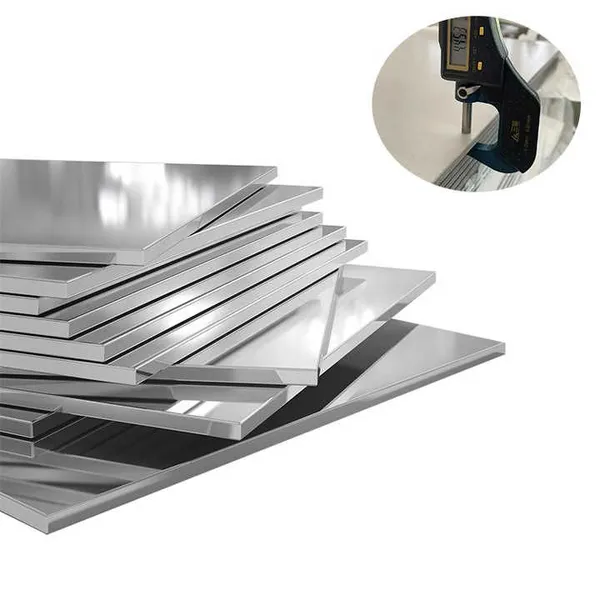
304/304L/316/409/410/904L/2205/2507/310H Premium Stainless Steel Sheets Supplier Custom Sizes & FinishesUS$ 1.72MOQ: 1 Ton
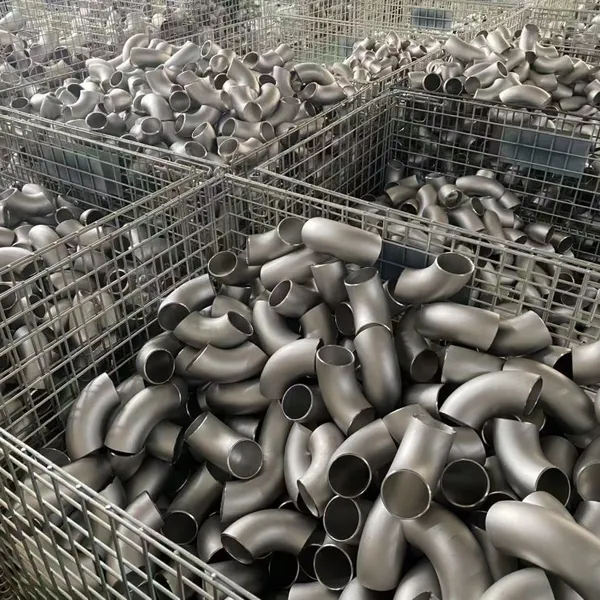
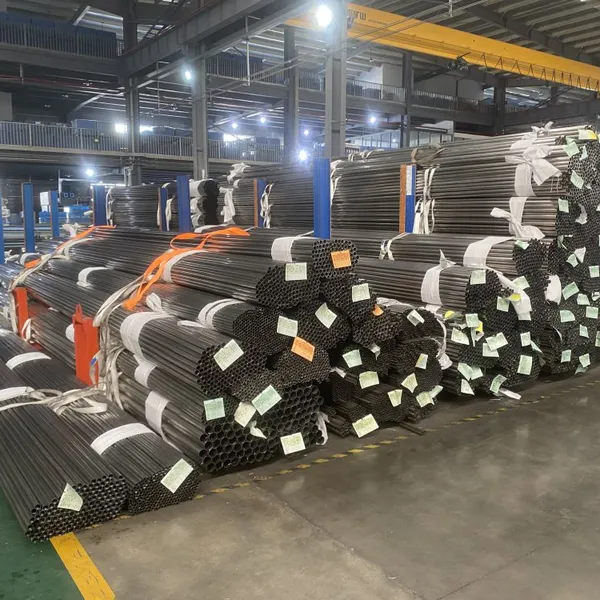
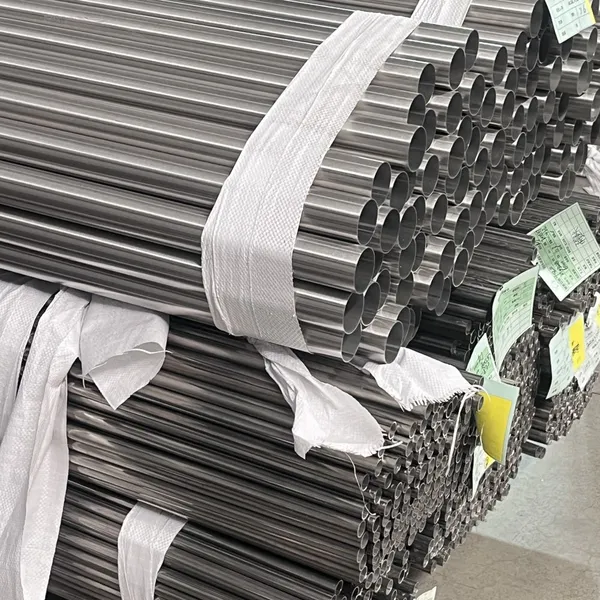
-
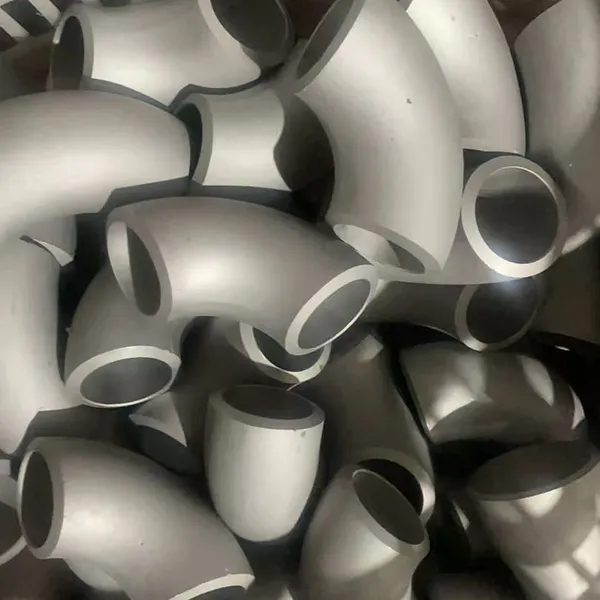
Stainless Steel ASME B16.9 Sch 45 90 Degree Pipe Fittings ElbowUS$ 8MOQ: 1 Piece
-
China Brand Zz 304L 316/316L GB En JIS Standard Thin Wall Welded Stainless Steel Water Pipe/TubeNegotiableMOQ: 2 Meters
-
BA 4 Inch 6 Inch 8 Inch 201 304 304L 316 316L Welded Seamless Stainless Steel PipeNegotiableMOQ: 2 Meters
-
ASME B36.19M-2004 SCH40S Stainless Steel Pipe - Complies With EU 3.1 CertificationUS$ 1 - 650MOQ: 1 Piece
-
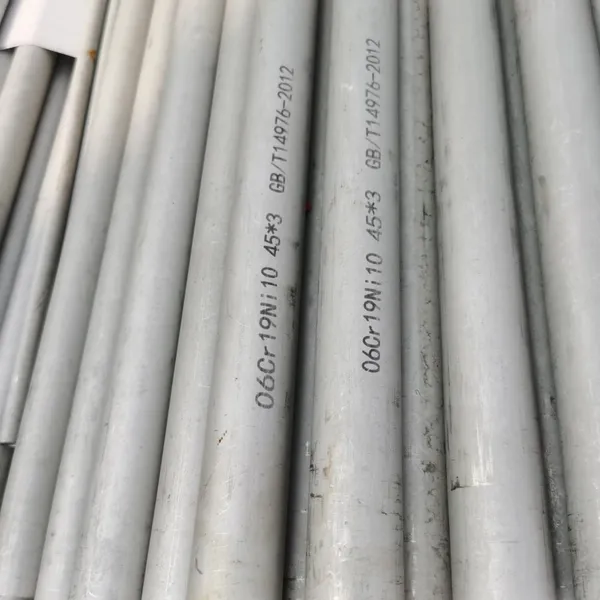
Factory TP309/TP309S/TP309H (UNS30900) Seamless Stainless Steel Pipe and Tube for Boiler BafflesUS$ 8MOQ: 200 Kilograms
-
TP347/TP347H/1.4961/S34709 Seamless Stainless Steel Pipe for UseNegotiableMOQ: 2 Meters
-
China 304 316 Stainless Steel Sanitary Welded Tube Food Grade Sanitary Grade Welded Pipe PolishingNegotiableMOQ: 1 Piece
-
China Manufacture Stainless Steel 316L Ba Seamless Welded Steel Pipe TubesUS$ 1760 - 1860MOQ: 5 Tons
-
316L/1.4405 Seamless Stainless Steel PipeNegotiableMOQ: 2 Meters
-
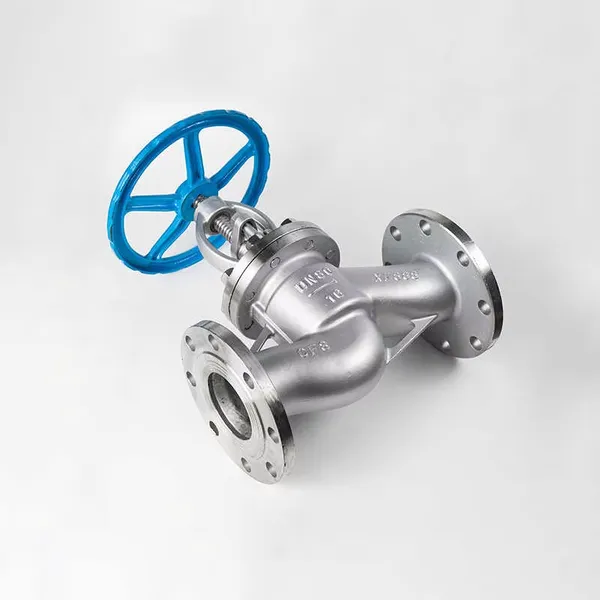
Stainless Steel Globe Valve – High Durability & Corrosion ResistanceNegotiableMOQ: 1 Piece
-
World's Most Affordable Color-Coated Steel Sheets - 0.3mm to 3mm Thickness - Mill Test Report IncludedUS$ 1102MOQ: 10 Kilograms
-
Color-Coated Steel Sheets With 15-Year Fade Warranty - JIS G 3322 Standard CompliantUS$ 1102MOQ: 10 Kilograms
-
Prefab Building Material - 0.4mm Color-Coated Corrugated Sheets - 100,000㎡ Monthly OutputUS$ 1102MOQ: 10 Kilograms
-
Industrial-Grade Color-Coated Sheets - 150-250g/m² Zinc Coating - Weather & UV ResistantUS$ 1102MOQ: 10 Kilograms
-
Factory-Direct Color-Coated Steel Plates - PVDF/Polyester Coating - 1220mm Standard WidthUS$ 1102MOQ: 10 Kilograms