
 Business License

What environmental issues are there in the surface processing of stainless steel elbows?
Analysis of Environmental Issues in the Surface Processing of Stainless Steel Elbows
During the surface processing of stainless steel elbows, environmental problems mainly focus on pollutant emissions, resource consumption, hazardous waste disposal, and environmental risks. The environmental risks of different processing techniques vary significantly, and can be classified into the following core issues:
I. Wastewater Pollution: The Most Prominent Environmental Pain Point
Most surface processing techniques require the use of water-based media or cleaning steps, generating wastewater that contains various pollutants and poses high treatment difficulties and environmental risks. Electrolytic polishing processes produce wastewater containing heavy metal ions such as chromium (especially hexavalent chromium, a Class 1 carcinogen), nickel, and iron, along with acidic substances like sulfuric acid and phosphoric acid. Direct discharge would pollute water bodies, disrupt soil pH balance, and potentially accumulate through the food chain to harm human health. Wastewater from pickling and passivation (including standalone pickling processes) contains strong acids such as nitric acid, hydrofluoric acid, and citric acid, as well as dissolved scale and heavy metal ions. High-concentration acidic wastewater can corrode pipes and water treatment facilities, while long-term discharge of low-concentration wastewater can lead to eutrophication or biological toxicity in water bodies. Electroplating process wastewater is even more complex, containing toxic substances such as cyanide (in cyanide copper plating / zinc plating), heavy metals (chromium, nickel, zinc), and brighteners. Cyanide is highly toxic, and heavy metals tend to accumulate in the environment and are difficult to degrade naturally. Even the cleaning step after mechanical polishing generates wastewater containing suspended solids, lubricating oil, and metal debris. If not filtered and separated from oil, it can increase water turbidity and cause oil pollution.
II. Exhaust Gas Pollution: Dual Threats to the Atmosphere and Health
The exhaust gases produced during processing mainly include acidic gases, volatile organic compounds (VOCs), and dust, which directly affect air quality and the health of operators. The pickling, passivation, and combined pickling and passivation processes release a large amount of acidic mists (such as nitric acid mist, hydrofluoric acid mist, and sulfuric acid mist). These gases are highly corrosive, corroding factory equipment and damaging the respiratory tract mucosa of humans. Long-term exposure may cause respiratory diseases and also form acid rain, polluting soil and water bodies. In the coating protection process, epoxy resin, polyurethane, fluorocarbon paint, and other coatings release VOCs (such as benzene, toluene, xylene, formaldehyde, etc.) during spraying and curing. VOCs are important precursors for ozone pollution and PM2.5, not only polluting the atmospheric environment but also having irritancy and carcinogenic risks, affecting the surrounding ecology and human health. Mechanical polishing, sandblasting, and magnetic polishing processes generate a large amount of metal dust (such as stainless steel dust) and mineral dust (such as quartz sand and corundum sand dust from sandblasting). These dusts belong to inhalable particulate matter (PM10) and fine particulate matter (PM2.5). Long-term inhalation can lead to pneumoconiosis, and dust accumulation also poses fire and explosion risks (metal dust is flammable dust, and when it reaches a certain concentration and encounters an open flame, it can cause an explosion). In the electroplating process, some plating solutions release irritating gases (such as hydrogen chloride and ammonia), further exacerbating air pollution.
III. Solid Waste: High Pressure on Hazardous Waste Disposal
Solid waste generated during the processing can be classified into general solid waste and hazardous waste. The disposal of hazardous waste is a key challenge for environmental compliance. Waste polishing wheels and sand belts from mechanical polishing, waste sand and metal scraps from sandblasting, although they are general solid waste, if piled up randomly, they will occupy land resources, and metal scraps mixed into the soil will affect plant growth. Waste electrolyte, waste passivation liquid, and waste plating solution from electrolytic polishing, acid washing and passivation, and electroplating processes, as well as used filter residues and rags with wiping waste liquid, all belong to hazardous waste (containing heavy metals and toxic chemicals). If not stored, transported and disposed of in accordance with hazardous waste management regulations, heavy metals will seep into the soil and groundwater, and toxic substances will volatilize and harm the surrounding environment. Waste paint cans, waste thinners, and spray waste residues from coating processes, containing VOCs residues and toxic additives, are also hazardous waste. Random discarding will cause secondary pollution. If chromium-containing passivation liquid is used in passivation treatment, the resulting waste residue will contain hexavalent chromium, which is highly toxic and difficult to degrade, posing extremely high environmental risks.
IV. Noise Pollution: Interference with Surrounding Environment and Personnel Health
Noise pollution is a common issue in mechanical processing techniques, which affects the occupational health of operators and the surrounding environment. During the operation of mechanical polishing (especially high-speed polishing machines), sandblasting equipment (where compressed air drives sand particles to impact), and magnetic polishing machines, noise levels can reach 85 to 100 decibels. Long-term exposure can lead to hearing damage and neurasthenia among operators, and also disrupt the living environment of nearby residential areas. Some processes (such as electrolytic tanks in electroplating and spraying equipment for coating) also generate vibration noise, further intensifying environmental disturbances. If noise reduction measures are not taken, it may violate the noise emission standards for industrial enterprises.
V. Resource Consumption and Energy Conservation Issues
The resource consumption of surface processing techniques mainly lies in water and energy, which is not in line with the concept of green production. Processes such as electrolytic polishing, acid pickling and passivation, and electroplating require a large amount of fresh water for rinsing workpieces. If there is no reclaimed water reuse system in place, water resources will be wasted seriously, and the load of wastewater treatment will also increase. Processes such as coating, electroplating, and electrolytic polishing consume a large amount of electricity (such as power supply for electrolytic cells and heating for drying equipment), and some processes also require the use of energy sources such as natural gas. Excessive energy consumption will increase carbon emissions, which is not in line with the "dual carbon" goals. Some processes (such as sand used in sandblasting and abrasives used in polishing) are non-renewable resources. If they are not recycled, it will lead to resource waste.
VI. Special Environmental Risks in Hygienic Applications
In the hygienic fields such as food and medicine, the environmental issues of surface processing also involve the risk of "secondary pollution", which affects the hygiene and safety of products. If the acid washing and passivation or electrolytic polishing are not thoroughly cleaned, the residual acid and heavy metal ions may migrate into food or medicine, endangering consumer health. If toxic additives are used in the coating process, harmful substances may be released after curing, which does not meet the environmental requirements for hygienic contact materials. If hazardous waste (such as chromium-containing waste residue and waste plating solution) causes cross-contamination with the production area, it may indirectly affect the surface cleanliness of hygienic elbows.
Summary of Core Compliance Risks
If environmental issues related to surface processing are not properly handled, it may violate laws and regulations such as the "Water Pollution Prevention and Control Law", the "Atmospheric Pollution Prevention and Control Law", and the "Administrative Measures for the Operating License of Hazardous Wastes", leading to penalties such as fines and production suspension for rectification. At the same time, heavy metal pollution and VOCs emissions may also trigger environmental public interest litigation, damaging the company's reputation. For applications in the hygiene grade, environmental compliance also needs to simultaneously meet the relevant standards for food contact materials (such as the GB 4806 series) to prevent environmental issues from transforming into product quality and safety risks.
Recently Posted
-
Does the stainless steel welded pipe have specific temperature requirements during the solution heat
January 20, 2026Solution heat treatment involves heating stainless steel to a high temperature and then rapidly cooling it to achieve an oversatur Read More
 -
Can stainless steel welded pipes be made into thick pipes
January 20, 2026With the improvement of high-quality welding technology and increasingly strict weld inspection, the application fields of s Read More
 -
Three types of commonly available food-grade stainless steel on the market
January 20, 2026The common food-grade stainless steel pipes are mainly composed of iron, chromium and carbon and other elements. Household stainle Read More
 -
What are the requirements for stainless steel welding pipe production equipment
January 20, 2026As is well known, stainless steel welded pipes have been widely used in various industries such as machinery, chemical engineering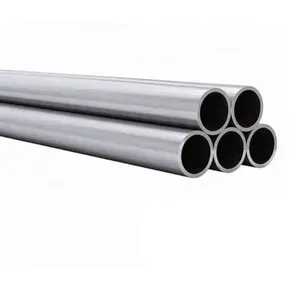 Read More

Contact Us
Recommended Products
-
 Stainless Steel Elbow Welded Elbow 45/90/180-degree Seamless Pressed Elbow Long Radius Elbow Short Radius Elbow WholesaleNegotiableMOQ: 1 Piece
 -
316L/1.4405 Seamless Stainless Steel PipeNegotiableMOQ: 2 Meters
-
310s 440 Seamless Sanitary Piping Price 321 904l 201 20 Inch Seamless Steel Pipe A554 Stainless Steel PipeNegotiableMOQ: 1 Piece
-
China Brand ZZ Wholesale 304L 316 316L Welded Austenitic Piping Stainless Steel Pipe SupplierNegotiableMOQ: 2 Meters
-
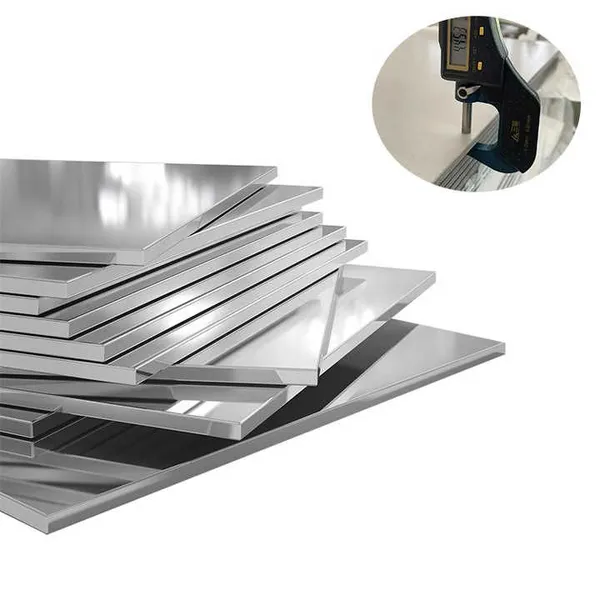
304/304L/316/409/410/904L/2205/2507/310H Premium Stainless Steel Sheets Supplier Custom Sizes & FinishesUS$ 1.72MOQ: 1 Ton
-
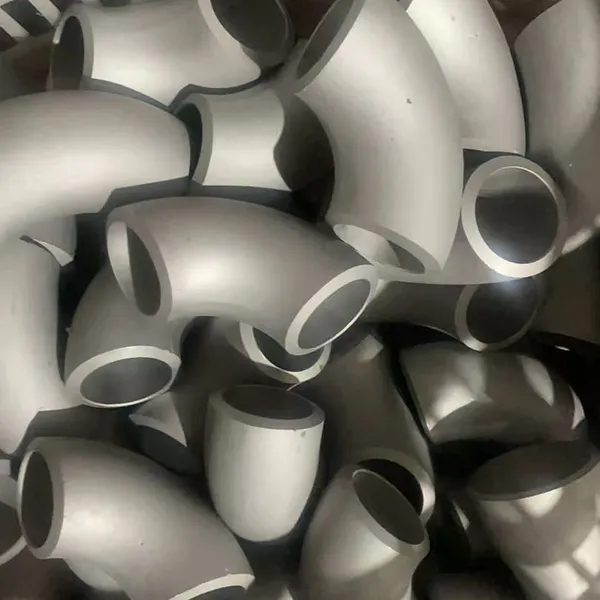
Stainless Steel ASME B16.9 Sch 45 90 Degree Pipe Fittings ElbowUS$ 8MOQ: 1 Piece
-
China Brand Zz 304L 316/316L GB En JIS Standard Thin Wall Welded Stainless Steel Water Pipe/TubeNegotiableMOQ: 2 Meters
-
BA 4 Inch 6 Inch 8 Inch 201 304 304L 316 316L Welded Seamless Stainless Steel PipeNegotiableMOQ: 2 Meters
-
ASME B36.19M-2004 SCH40S Stainless Steel Pipe - Complies With EU 3.1 CertificationUS$ 1 - 650MOQ: 1 Piece
-
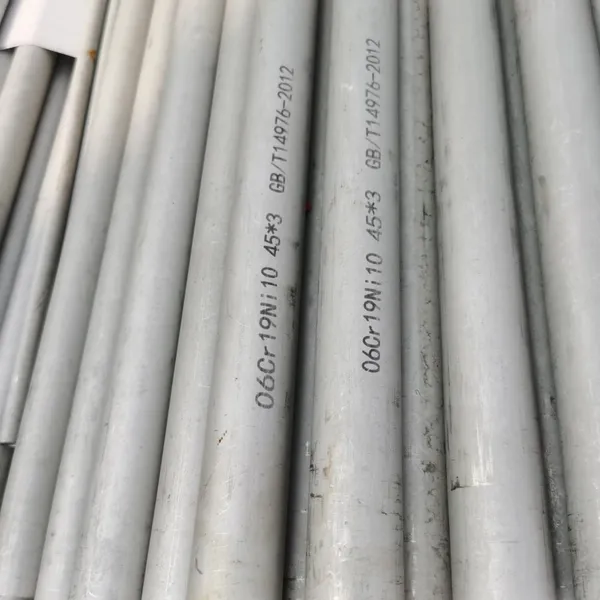
Factory TP309/TP309S/TP309H (UNS30900) Seamless Stainless Steel Pipe and Tube for Boiler BafflesUS$ 8MOQ: 200 Kilograms
-
TP347/TP347H/1.4961/S34709 Seamless Stainless Steel Pipe for UseNegotiableMOQ: 2 Meters
-
China 304 316 Stainless Steel Sanitary Welded Tube Food Grade Sanitary Grade Welded Pipe PolishingNegotiableMOQ: 1 Piece
-
China Manufacture Stainless Steel 316L Ba Seamless Welded Steel Pipe TubesUS$ 1760 - 1860MOQ: 5 Tons
-
316L/1.4405 Seamless Stainless Steel PipeNegotiableMOQ: 2 Meters
-
Stainless Steel Globe Valve – High Durability & Corrosion ResistanceNegotiableMOQ: 1 Piece
-
1.4529 Stainless Steel Flat Plate for Chemical Processing EquipmentUS$ 25 - 35MOQ: 1 Kilogram
-
Color Coated Steel Panels for Warehouse Partition Walls (Fireproof Grade)US$ 1 - 1.2MOQ: 50 Kilograms
-
Custom Width (600mm-1250mm) Colored Steel Coil With Scratch ResistanceUS$ 1 - 1.2MOQ: 50 Kilograms
-
0.5mm-3.0mm Colored Coated Steel Sheet With PVDF/Polyester CoatingUS$ 1 - 1.2MOQ: 50 Kilograms
-
JIS G 3322 Compliant Colored Coils With Third-Party Inspection ReportUS$ 1 - 1.2MOQ: 50 Kilograms