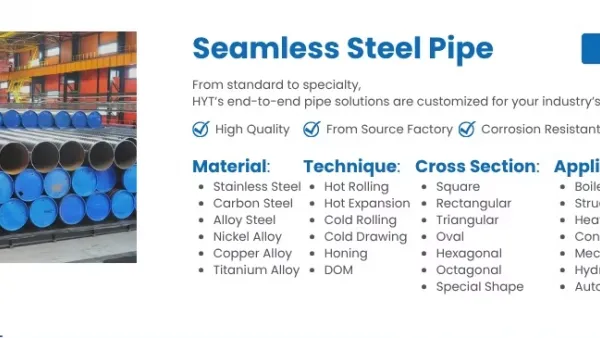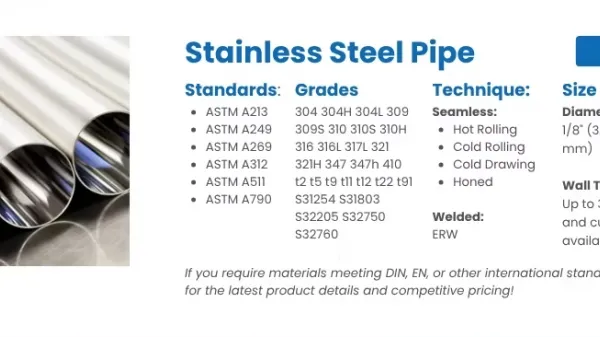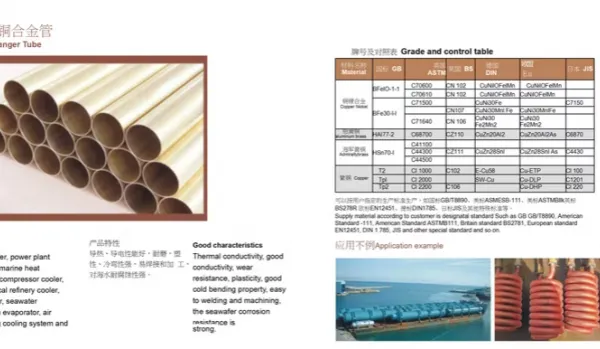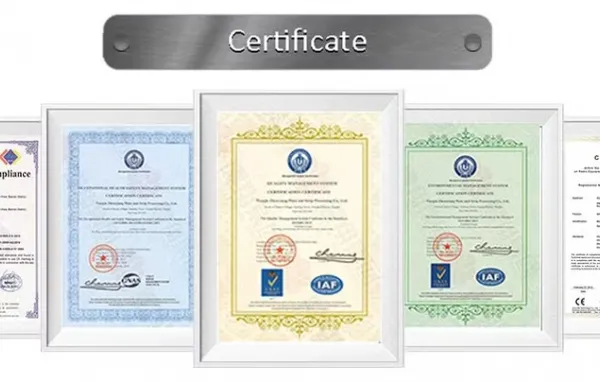

 Business License

The advantages of stainless steel sanitary pipes
Taking into account the strict hygiene requirements of the food and pharmaceutical industries as well as the industrial application scenarios, the core advantages of stainless steel sanitary pipes mainly lie in four aspects: hygiene safety, corrosion resistance and durability, process compatibility, and environmental friendliness and economic efficiency. Each of these advantages has clear performance data, standards support, and industry compatibility logic. The details are as follows:
1. Core Advantage: Hygiene and Safety (Essential Requirement for the Food and Pharmaceutical Industry)
1. The material itself has no hygiene risks and complies with international standards.
No leaching contamination: The chromium (Cr≥16%) and nickel (Ni≥8%) content of mainstream materials (304/316L/2205) meets the FDA 21 CFR Part 177.2600 and GB 4806.9-2016 standards. At room temperature and high temperatures, no heavy metals, plasticizers, etc. harmful substances will leach out. When in contact with food, drugs, and biological preparations, there will be no secondary pollution.
Natural antibacterial property: The passivation film (Cr₂O₃) formed on the surface of stainless steel can inhibit the growth of pathogenic bacteria such as Escherichia coli and Staphylococcus aureus. After testing, the bacterial survival rate on the surface of 316L sanitary pipes within 24 hours is ≤0.1%, which is much lower than that of plastic, carbon steel, etc. (survival rate ≥10%).
No odor / No adsorption: The material has strong inertness and does not adsorb the odor, pigments, or organic substances in the medium. It is suitable for the transportation of highly pure liquid medicines, fruit juices, dairy products, etc. that are sensitive to odor and purity.
2. Surface treatment is adapted to hygiene cleaning requirements
Low roughness for easy cleaning: The sanitary surface polishing (mechanical polishing Ra≤0.8μm, electrolytic polishing Ra≤0.4μm) has no pores or scratches, avoiding medium residue and bacterial growth. During CIP (continuous cleaning) and SIP (continuous sterilization) processes, stains can be quickly removed, and the cleaning efficiency is more than 30% higher than that of ordinary stainless steel pipes.
Seamless / Clean weld design: Seamless pipes or TIG argon arc welding base welding (inner weld height ≤0.5mm) are used. After passivation treatment, the weld seam forms an overall passivation film with the base material, without weld seam dead corners, and meets the ISO 2037 standard requirements for "clean weld seams", eliminating the possibility of dirt and dirt accumulation in the weld seams.
II. Key Advantages: Corrosion Resistance and Durability (Suitable for Complex Working Conditions, Reduces Maintenance Costs)
1. Corrosion Resistance Covers Multiple Medium Scenarios
General Medium Tolerance: 304 sanitary pipes can withstand pH 4-10 acidic and alkaline media (such as citric acid in food, physiological saline in medicine), with a corrosion rate of ≤ 0.01mm/year for organic acids and weak bases at normal temperatures;
Severe Medium Adaptation: 316L is suitable for harsh conditions due to its molybdenum content (Mo ≥ 2.0%), with a chloride ion concentration of ≤ 200ppm (such as seafood processing wastewater, chlorine disinfectants), and a corrosion rate of ≤ 0.005mm/year; 2205 duplex steel can withstand pH 2-12 strong acids and alkalis (such as sulfuric acid wash solution in pharmaceuticals, acetic acid in food), with a chloride ion tolerance concentration of ≤ 1000ppm, suitable for extreme conditions.
Temperature Adaptation for Sterilization Processes: 304/316L sanitary pipes can withstand temperature changes from -20℃ to 450℃, meeting the requirements of steam sterilization (121℃/0.1MPa) and dry heat sterilization (180℃) in the food and pharmaceutical industries, with no performance degradation after repeated sterilization.
2. Excellent Mechanical Properties and Long Service Life
High Strength and Anti-Fatigue: 316L sanitary pipes have an ultimate tensile strength of ≥ 480MPa and a yield strength of ≥ 170MPa, capable of withstanding the working pressure of the pipeline system (conventional design pressure ≤ 1.6MPa, special customization can reach 4.0MPa), without the risk of plastic deformation;
Anti-Aging and No Brittle Fracture: Compared to plastic pipes (service life of 3-5 years), stainless steel sanitary pipes have a service life of ≥ 10 years under normal conditions, over 20 years in mild media, and no risks of aging, cracking, or leakage, reducing the frequency of pipe replacement.
III. Process Advantages: Compatible with system integration and meets standard requirements
1. Flexible processing performance, suitable for complex pipelines
Strong forming ability: 304/316L sanitary pipes can be bent (minimum bending radius ≥ 3D, D is the pipe diameter), expanded, and contracted. They are suitable for complex pipeline layouts in food and pharmaceutical workshops (such as corners and branches), without the need for additional joints, reducing leakage points;
Good welding compatibility: Strong compatibility with sanitary pipe fittings (quick-connect joints, clamps, flanges). After welding, the weld strength is ≥ 90% of the base material strength, and it can be ensured that the weld has no defects through X-ray inspection (RT) and penetrant testing (PT), meeting ASME BPE standards.
2. High dimensional accuracy, high standardization degree
Strict dimensional tolerance: Outer diameter tolerance ±0.1mm (GB/T 12771-2019), wall thickness uniformity ≤ ±5%, ensuring a sealing fit with sanitary pipe fittings (such as the compression amount of clamp sealing controlled at 0.3-0.5mm), without medium leakage;
International standards unified: Compatible with ISO 2037 (Europe), ASTM A270 (USA), GB/T 12771 (China), etc. This facilitates the unified supply chain of multinational enterprises and reduces the risk of compatibility.
IV. Economic Advantages: Environmentally friendly and sustainable, with low life-cycle costs
1. Environmentally friendly and recyclable, in line with green production requirements
High recycling rate: The recycling rate of stainless steel is ≥ 90%, it is a circular economy material. After being discarded, it can be recycled and reused without causing solid waste pollution.
No secondary pollution: During use, no preservatives or stabilizers need to be added, and there is no problem of micro-plastic shedding from plastic pipes. It complies with the "green production" policy requirements of the food and pharmaceutical industries.
2. Low maintenance costs, outstanding long-term cost performance
Low cleaning costs: The smooth surface reduces the frequency of cleaning (CIP cleaning cycle is 50% longer than that of carbon steel pipes), and unlike plastic pipes, there is no need to replace seals or inner linings regularly;
No maintenance risks: No rusting, no scaling (the amount of water scale and dirt adhering is ≤ 0.1g/m²), avoiding production downtime caused by pipe failures. Calculated over a 10-year life cycle, the comprehensive cost (purchase + installation + maintenance) of stainless steel sanitary pipes is 20%-30% lower than that of plastic pipes.
V. Summary of Industry-Specific Application Scenarios (Corresponding to Core Advantages)
Image 1
Summary: The core value of stainless steel sanitary pipes
The essence of its advantages lies in the unification of "hygiene safety bottom line + adaptability to working conditions + long-term economic value": It not only meets the "zero pollution" requirements of the food and pharmaceutical industries through material inertness and surface processing, but also adapts to complex media and processes through corrosion resistance and high strength. Ultimately, it reduces the risks throughout the entire life cycle with long service life and low maintenance costs, making it a "must-have material" for industries with high hygiene requirements.
Recently Posted
-
Does the stainless steel welded pipe have specific temperature requirements during the solution heat
January 20, 2026Solution heat treatment involves heating stainless steel to a high temperature and then rapidly cooling it to achieve an oversatur Read More
 -
Can stainless steel welded pipes be made into thick pipes
January 20, 2026With the improvement of high-quality welding technology and increasingly strict weld inspection, the application fields of s Read More
 -
Three types of commonly available food-grade stainless steel on the market
January 20, 2026The common food-grade stainless steel pipes are mainly composed of iron, chromium and carbon and other elements. Household stainle Read More
 -
What are the requirements for stainless steel welding pipe production equipment
January 20, 2026As is well known, stainless steel welded pipes have been widely used in various industries such as machinery, chemical engineering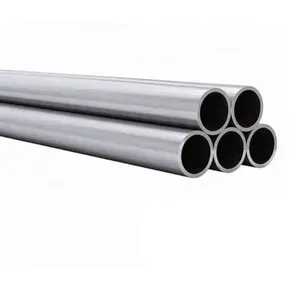 Read More

Contact Us
Recommended Products
-
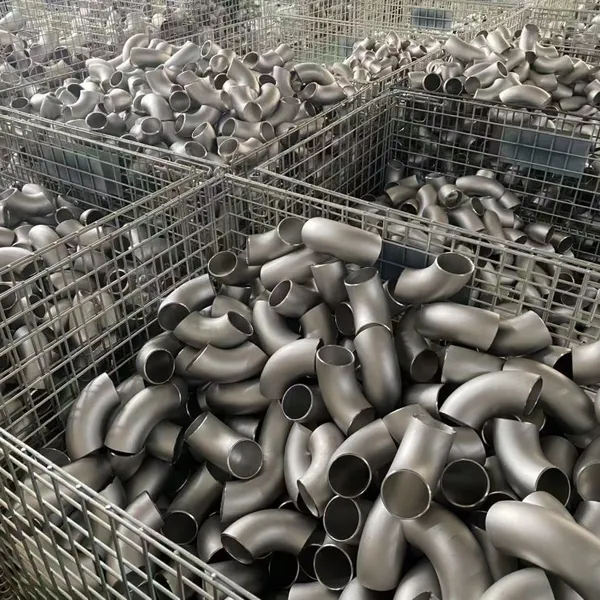
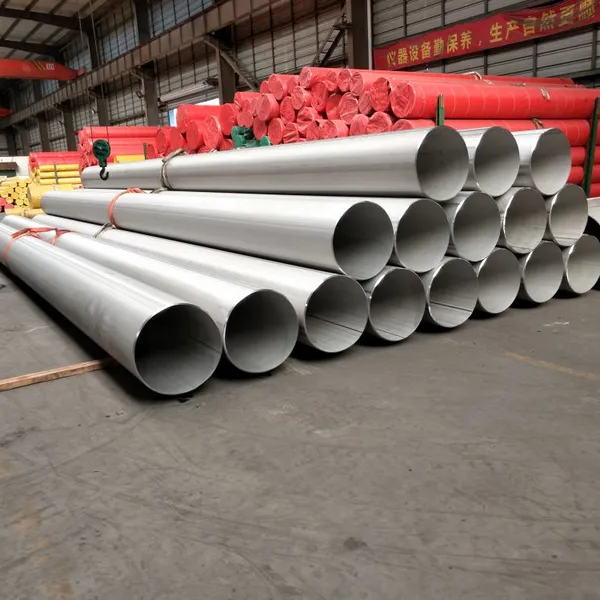
 Stainless Steel Elbow Welded Elbow 45/90/180-degree Seamless Pressed Elbow Long Radius Elbow Short Radius Elbow WholesaleNegotiableMOQ: 1 Piece
 -
316L/1.4405 Seamless Stainless Steel PipeNegotiableMOQ: 2 Meters
-
310s 440 Seamless Sanitary Piping Price 321 904l 201 20 Inch Seamless Steel Pipe A554 Stainless Steel PipeNegotiableMOQ: 1 Piece
-
China Brand ZZ Wholesale 304L 316 316L Welded Austenitic Piping Stainless Steel Pipe SupplierNegotiableMOQ: 2 Meters
-
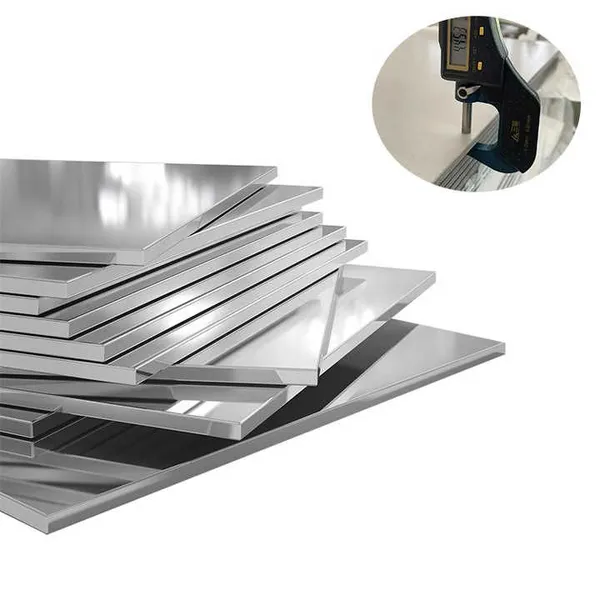
304/304L/316/409/410/904L/2205/2507/310H Premium Stainless Steel Sheets Supplier Custom Sizes & FinishesUS$ 1.72MOQ: 1 Ton
-
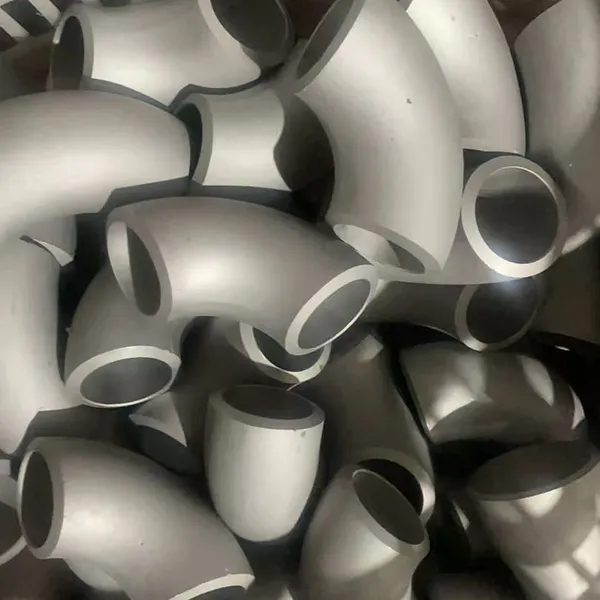
Stainless Steel ASME B16.9 Sch 45 90 Degree Pipe Fittings ElbowUS$ 8MOQ: 1 Piece
-
China Brand Zz 304L 316/316L GB En JIS Standard Thin Wall Welded Stainless Steel Water Pipe/TubeNegotiableMOQ: 2 Meters
-
BA 4 Inch 6 Inch 8 Inch 201 304 304L 316 316L Welded Seamless Stainless Steel PipeNegotiableMOQ: 2 Meters
-
ASME B36.19M-2004 SCH40S Stainless Steel Pipe - Complies With EU 3.1 CertificationUS$ 1 - 650MOQ: 1 Piece
-
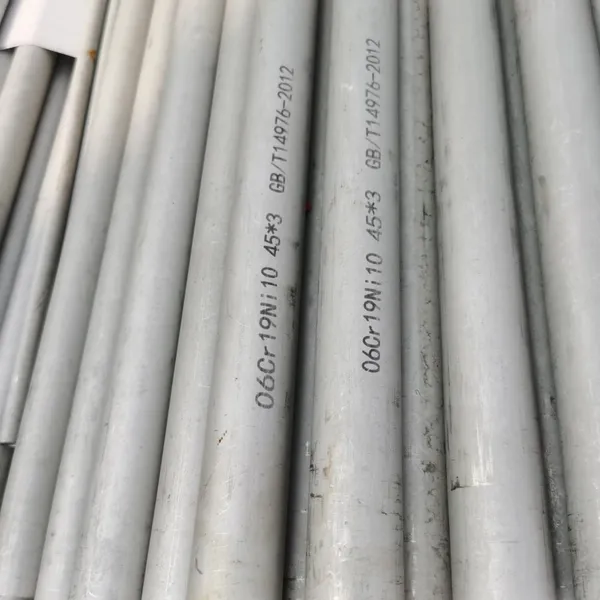
Factory TP309/TP309S/TP309H (UNS30900) Seamless Stainless Steel Pipe and Tube for Boiler BafflesUS$ 8MOQ: 200 Kilograms
-
TP347/TP347H/1.4961/S34709 Seamless Stainless Steel Pipe for UseNegotiableMOQ: 2 Meters
-
China 304 316 Stainless Steel Sanitary Welded Tube Food Grade Sanitary Grade Welded Pipe PolishingNegotiableMOQ: 1 Piece
-
China Manufacture Stainless Steel 316L Ba Seamless Welded Steel Pipe TubesUS$ 1760 - 1860MOQ: 5 Tons
-
316L/1.4405 Seamless Stainless Steel PipeNegotiableMOQ: 2 Meters
-
Stainless Steel Globe Valve – High Durability & Corrosion ResistanceNegotiableMOQ: 1 Piece
-
World's Most Affordable Color-Coated Steel Sheets - 0.3mm to 3mm Thickness - Mill Test Report IncludedUS$ 1102MOQ: 10 Kilograms
-
Color-Coated Steel Sheets With 15-Year Fade Warranty - JIS G 3322 Standard CompliantUS$ 1102MOQ: 10 Kilograms
-
Prefab Building Material - 0.4mm Color-Coated Corrugated Sheets - 100,000㎡ Monthly OutputUS$ 1102MOQ: 10 Kilograms
-
Industrial-Grade Color-Coated Sheets - 150-250g/m² Zinc Coating - Weather & UV ResistantUS$ 1102MOQ: 10 Kilograms
-
Factory-Direct Color-Coated Steel Plates - PVDF/Polyester Coating - 1220mm Standard WidthUS$ 1102MOQ: 10 Kilograms