
 Business License

What are the specific manifestations of intergranular corrosion in medical grade degreased stainless
Intergranular corrosion of medical de-aired seamless stainless steel tubes is mainly characterized by selective erosion along the grain boundaries of the stainless steel. The surface appears intact but the intergranular bonding strength fails internally. Its specific manifestations can be classified as appearance, mechanical properties, microscopic features, and phenomena unique to medical applications. These phenomena are more likely to be evident at the welding sites and after repeated sterilization.
The appearance shows no obvious damage, but there are characteristic corrosion marks in some areas.
At the initial stage, no visible rust can be seen with the naked eye. Only pale yellow, gray-black spots or foggy loss of luster appear in the densely-packed grain boundaries (such as the heat-affected zone of welding), which have a significant color difference from the surrounding surface.
When the corrosion intensifies in the later stage, tiny pitting corrosion (diameter ≤ 0.1mm) may occur on the surface, mostly distributed along the axial direction of the pipe or the welding joint, without a clearly uniform rust layer (different from overall corrosion).
In medical scenarios, after contact with chlorine-containing disinfectants and normal saline, the corrosion area may appear pale green or brown spots, and these spots will gradually expand with the number of uses (especially after sterilization).
2. The mechanical properties significantly deteriorate, and brittle fractures are prone to occur
The tensile strength and yield strength of the pipe material show no significant change, but the elongation and impact toughness have dropped significantly (by up to 50% or more), transforming from a ductile material to a brittle one.
When subjected to external forces (such as assembly bending, pressure transportation) or temperature changes (such as the cold and hot cycles during sterilization), sudden fractures are likely to occur in the corrosion area, with a smooth fracture surface and no obvious plastic deformation (showing the characteristic of "ice sugar-like" transgranular fracture).
In medical tubing, "unpredictable leakage" may occur - no obvious holes are present on the tube wall, but intergranular corrosion leads to a decrease in the effective load-bearing capacity of the wall thickness, resulting in rupture and leakage under normal working pressure.
3. Microscopic level: The grain boundaries are eroded, and the grains lose their bonding strength.
Under a metallographic microscope (with magnification of 100-500 times), it can be observed that the grain boundaries are corroded into continuous or discontinuous grooves, the grain edges are blurred, and in severe cases, the grains completely detach from the substrate (manifesting as "grain detachment" phenomenon).
After the intergranular corrosion test (such as the ASTM A262 E method), when the sample is bent, it will crack along the grain boundaries, and the fracture surface presents a typical intergranular fracture morphology, without any ductile fracture characteristics such as dimples.
The corrosion products are mostly chromium oxides (Cr₂O₃) and iron oxides, which deposit in the grain boundary grooves, resulting in a decrease in intergranular conductivity and thermal conductivity, but not affecting the macroscopic integrity of the surface passivation film.
4. Special manifestations in medical scenarios: Accelerated failure after sterilization and contact with body fluids
Welding joints are high-risk areas: The welding parts during the assembly of medical equipment (such as pipeline joints, instrument frames), due to the precipitation of carbides at the grain boundaries in the heat-affected zone, the intergranular corrosion probability is 3-5 times that of the base material, and it often manifests as preferential fracture or leakage at the welding site.
Failure after repeated sterilization: After being sterilized with high-temperature and high-pressure steam or ethylene oxide 10-30 times, the mechanical properties of the corroded area further deteriorate. The originally minor intergranular corrosion will develop into macroscopic cracks, especially more likely to be manifested at the bends of pipes and interface sealing surfaces.
Secondary problems triggered after contact with body fluids: The metal ions (chromium, nickel) produced by corrosion will accelerate their release, which may lead to inflammatory reactions of body fluids, and the corrosion products may contaminate the drug solution, affecting the stability of the drug.
Recently Posted
-
Does the stainless steel welded pipe have specific temperature requirements during the solution heat
January 20, 2026Solution heat treatment involves heating stainless steel to a high temperature and then rapidly cooling it to achieve an oversatur Read More
 -
Can stainless steel welded pipes be made into thick pipes
January 20, 2026With the improvement of high-quality welding technology and increasingly strict weld inspection, the application fields of s Read More
 -
Three types of commonly available food-grade stainless steel on the market
January 20, 2026The common food-grade stainless steel pipes are mainly composed of iron, chromium and carbon and other elements. Household stainle Read More
 -
What are the requirements for stainless steel welding pipe production equipment
January 20, 2026As is well known, stainless steel welded pipes have been widely used in various industries such as machinery, chemical engineering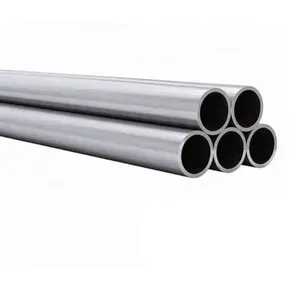 Read More

Contact Us
Recommended Products
-
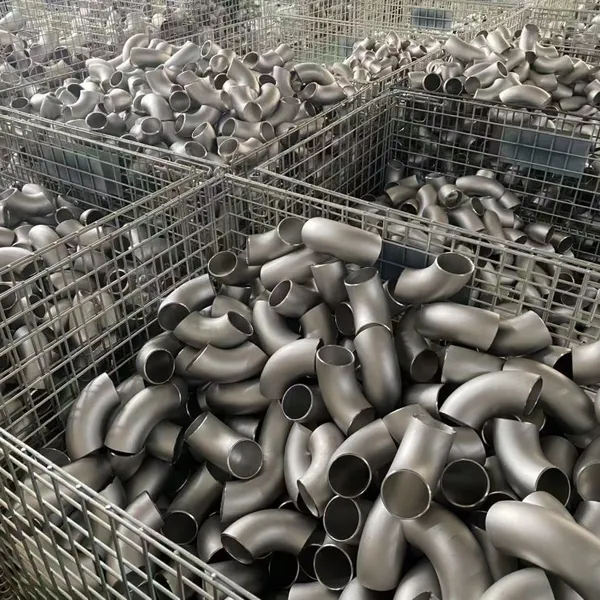
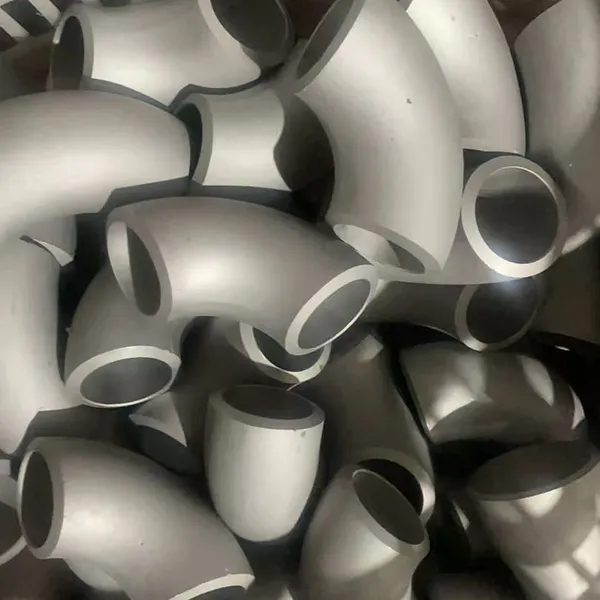
 Stainless Steel Elbow Welded Elbow 45/90/180-degree Seamless Pressed Elbow Long Radius Elbow Short Radius Elbow WholesaleNegotiableMOQ: 1 Piece
 -
316L/1.4405 Seamless Stainless Steel PipeNegotiableMOQ: 2 Meters
-
310s 440 Seamless Sanitary Piping Price 321 904l 201 20 Inch Seamless Steel Pipe A554 Stainless Steel PipeNegotiableMOQ: 1 Piece
-
China Brand ZZ Wholesale 304L 316 316L Welded Austenitic Piping Stainless Steel Pipe SupplierNegotiableMOQ: 2 Meters
-
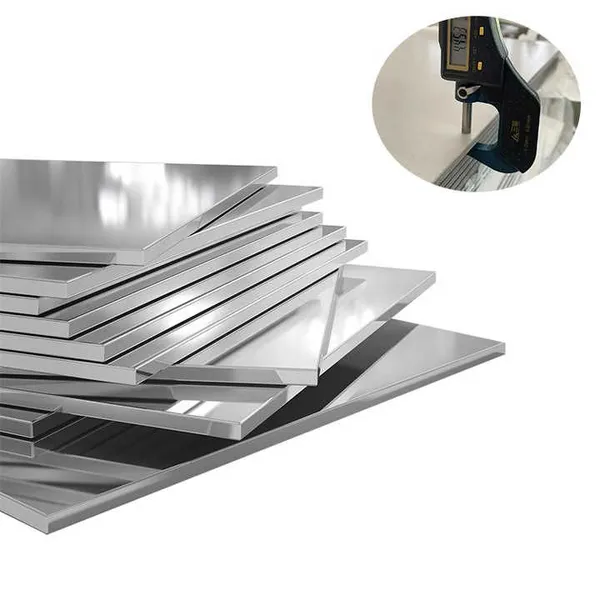
304/304L/316/409/410/904L/2205/2507/310H Premium Stainless Steel Sheets Supplier Custom Sizes & FinishesUS$ 1.72MOQ: 1 Ton
-
Stainless Steel ASME B16.9 Sch 45 90 Degree Pipe Fittings ElbowUS$ 8MOQ: 1 Piece
-
China Brand Zz 304L 316/316L GB En JIS Standard Thin Wall Welded Stainless Steel Water Pipe/TubeNegotiableMOQ: 2 Meters
-
BA 4 Inch 6 Inch 8 Inch 201 304 304L 316 316L Welded Seamless Stainless Steel PipeNegotiableMOQ: 2 Meters
-
ASME B36.19M-2004 SCH40S Stainless Steel Pipe - Complies With EU 3.1 CertificationUS$ 1 - 650MOQ: 1 Piece
-
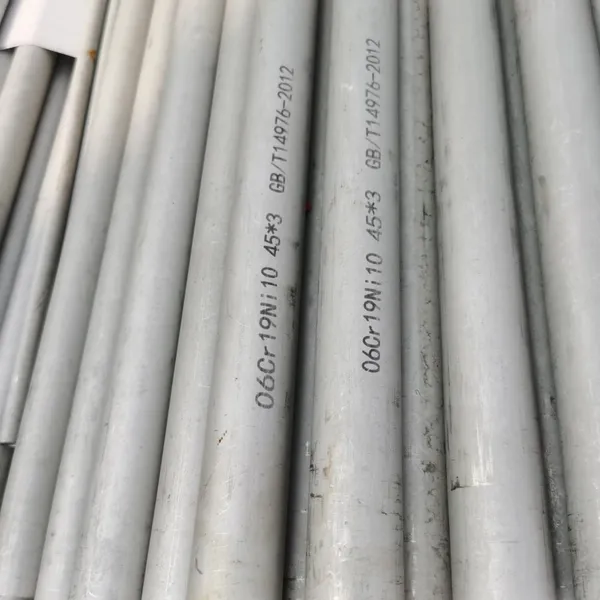
Factory TP309/TP309S/TP309H (UNS30900) Seamless Stainless Steel Pipe and Tube for Boiler BafflesUS$ 8MOQ: 200 Kilograms
-
TP347/TP347H/1.4961/S34709 Seamless Stainless Steel Pipe for UseNegotiableMOQ: 2 Meters
-
China 304 316 Stainless Steel Sanitary Welded Tube Food Grade Sanitary Grade Welded Pipe PolishingNegotiableMOQ: 1 Piece
-
China Manufacture Stainless Steel 316L Ba Seamless Welded Steel Pipe TubesUS$ 1760 - 1860MOQ: 5 Tons
-
316L/1.4405 Seamless Stainless Steel PipeNegotiableMOQ: 2 Meters
-
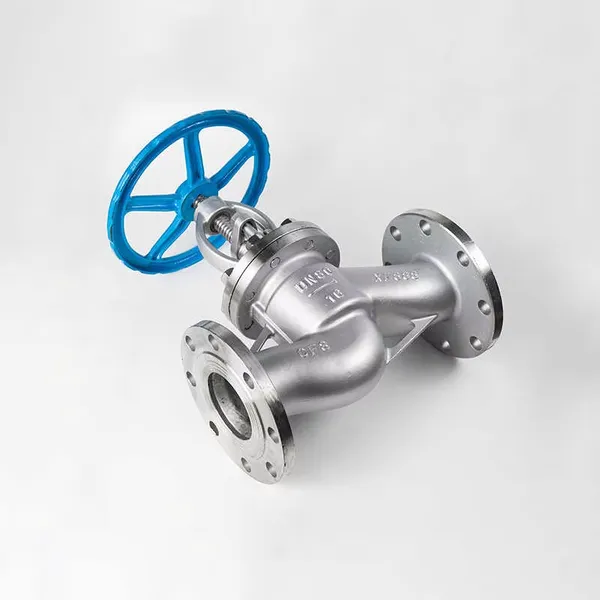
Stainless Steel Globe Valve – High Durability & Corrosion ResistanceNegotiableMOQ: 1 Piece
-
1.4529 Stainless Steel Flat Plate for Chemical Processing EquipmentUS$ 25 - 35MOQ: 1 Kilogram
-
Color Coated Steel Panels for Warehouse Partition Walls (Fireproof Grade)US$ 1 - 1.2MOQ: 50 Kilograms
-
Custom Width (600mm-1250mm) Colored Steel Coil With Scratch ResistanceUS$ 1 - 1.2MOQ: 50 Kilograms
-
0.5mm-3.0mm Colored Coated Steel Sheet With PVDF/Polyester CoatingUS$ 1 - 1.2MOQ: 50 Kilograms
-
JIS G 3322 Compliant Colored Coils With Third-Party Inspection ReportUS$ 1 - 1.2MOQ: 50 Kilograms