
 Business License

What specific improvements does passivation treatment bring to the corrosion resistance of medical
The enhancement of the corrosion resistance of medical de-aired stainless steel seamless tubes through passivation treatment is mainly achieved by creating a dense Cr₂O₃ passivation film, which provides "physical isolation + chemical protection". The specific improvements focus on the following key scenarios, and they are quantifiable and clear:
1. The anti-chloride ion corrosion resistance has been significantly enhanced.
Improvement: It can withstand long-term erosion from 5%-10% physiological saline and chlorine-containing disinfectants (such as iodophor, sodium hypochlorite), and the point corrosion potential has increased from the pre-treatment level of 200-300 mV (SCE) to 600-800 mV (SCE).
Medical significance: It prevents point corrosion and crevice corrosion (such as joints and welding points) of the pipe materials in body fluids and physiological saline environments, which is the most common form of corrosion failure in medical scenarios.
Data reference: In the salt spray test (ASTM B117), un-passivated pipe materials usually rust within 24-72 hours, and after passivation, they can withstand 500-1000 hours without significant corrosion.
2. Prevention of intergranular corrosion and corrosion at welding sites
Improvement: Repair the natural oxide film damaged during welding and processing, fill in the grain boundary defects. After sensitization treatment (650°C × 2 hours), there are no corrosion cracks in the intergranular corrosion test (ASTM A262 E method).
Medical significance: Medical equipment assembly often involves welding (such as pipe joints, instrument frames). Passivation treatment can eliminate the weak points of corrosion at the welding sites, avoiding the fracture of pipe materials due to intergranular corrosion.
Practical value: After welding, the 316L pipes passivated have a corrosion resistance life that is 4-6 times higher than that of unpassivated ones, especially suitable for use in scenarios requiring repeated sterilization.
3. Enhance resistance to acid and alkali media corrosion
Improvement: The corrosion resistance to common medical acidic media (such as citric acid, lactic acid, acidic components in drugs) and alkaline media (such as sodium hydroxide disinfectant, soap water) has been improved by 30% - 50%.
Medical significance: Prevent the pipe material from reacting with drugs, body fluids, and cleaning reagents, and avoid corrosion products contaminating the drug solution or causing inflammation in human tissues.
Key advantages: The passivation film does not undergo chemical reactions with acid and alkali media, only providing physical isolation, and will not affect the stability of the drug or change the pH value of body fluids.
4. Reducing the overall corrosion rate and extending service life
Performance improvement: In simulated body fluids (in accordance with ISO 10993-15 standards), the corrosion rate, which was 0.05-0.1mm/year for unpassivated materials, was reduced to 0.001-0.005mm/year after passivation, representing a reduction of over 90%.
Medical significance: For long-term implantation or repeatedly used devices (such as dialysis tubing, surgical instruments), this can prevent wall thickness reduction and leakage risks caused by corrosion.
Application compatibility: After 100 cycles of high-temperature and high-pressure steam sterilization (at 134℃ and 0.2MPa), the passivation film remained intact, and the corrosion resistance showed no significant decline.
5. Enhance corrosion resistance in sterilization environments
Improvement: Resistant to common medical sterilization methods such as ethylene oxide (EO), gamma rays, and plasma. After sterilization, no peeling or detachment of the passivation film occurs, and the corrosion resistance retention rate is ≥ 95%.
Medical significance: Avoiding the erosion of the pipe material by high temperatures and chemical media during sterilization, ensuring consistent corrosion resistance throughout the entire usage life cycle of the instruments.
Core guarantee: The passivation film is firmly bonded to the substrate and will not peel off due to temperature changes during sterilization (-196℃ to 134℃), preventing corrosive media from invading the substrate.
Recently Posted
-
Does the stainless steel welded pipe have specific temperature requirements during the solution heat
January 20, 2026Solution heat treatment involves heating stainless steel to a high temperature and then rapidly cooling it to achieve an oversatur Read More
 -
Can stainless steel welded pipes be made into thick pipes
January 20, 2026With the improvement of high-quality welding technology and increasingly strict weld inspection, the application fields of s Read More
 -
Three types of commonly available food-grade stainless steel on the market
January 20, 2026The common food-grade stainless steel pipes are mainly composed of iron, chromium and carbon and other elements. Household stainle Read More
 -
What are the requirements for stainless steel welding pipe production equipment
January 20, 2026As is well known, stainless steel welded pipes have been widely used in various industries such as machinery, chemical engineering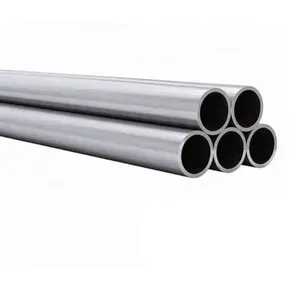 Read More

Contact Us
Recommended Products
-
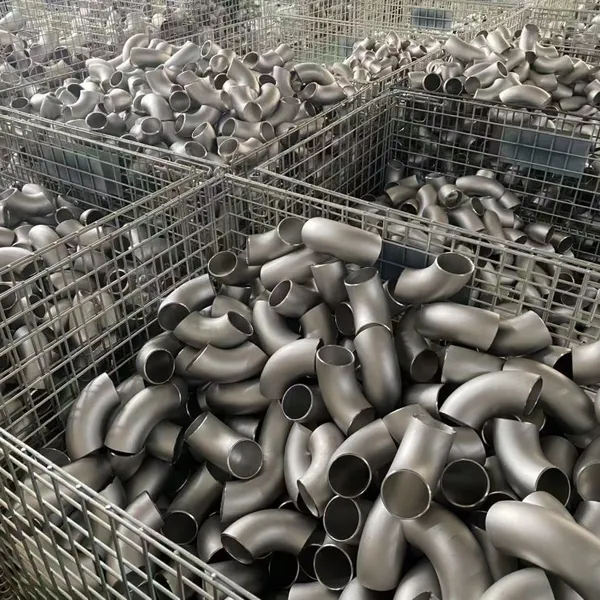
 Stainless Steel Elbow Welded Elbow 45/90/180-degree Seamless Pressed Elbow Long Radius Elbow Short Radius Elbow WholesaleNegotiableMOQ: 1 Piece
 -
316L/1.4405 Seamless Stainless Steel PipeNegotiableMOQ: 2 Meters
-
310s 440 Seamless Sanitary Piping Price 321 904l 201 20 Inch Seamless Steel Pipe A554 Stainless Steel PipeNegotiableMOQ: 1 Piece
-
China Brand ZZ Wholesale 304L 316 316L Welded Austenitic Piping Stainless Steel Pipe SupplierNegotiableMOQ: 2 Meters
-
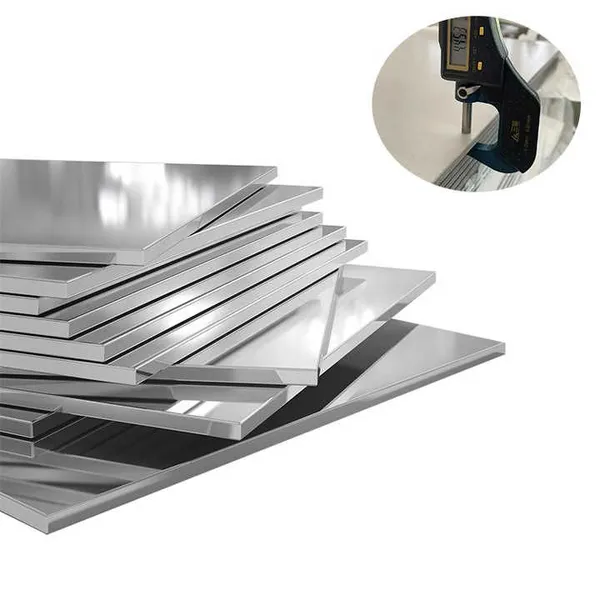
304/304L/316/409/410/904L/2205/2507/310H Premium Stainless Steel Sheets Supplier Custom Sizes & FinishesUS$ 1.72MOQ: 1 Ton
-
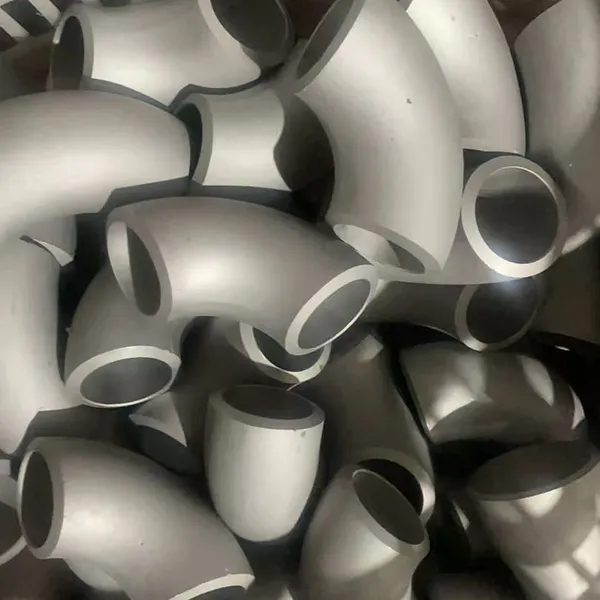
Stainless Steel ASME B16.9 Sch 45 90 Degree Pipe Fittings ElbowUS$ 8MOQ: 1 Piece
-
China Brand Zz 304L 316/316L GB En JIS Standard Thin Wall Welded Stainless Steel Water Pipe/TubeNegotiableMOQ: 2 Meters
-
BA 4 Inch 6 Inch 8 Inch 201 304 304L 316 316L Welded Seamless Stainless Steel PipeNegotiableMOQ: 2 Meters
-
ASME B36.19M-2004 SCH40S Stainless Steel Pipe - Complies With EU 3.1 CertificationUS$ 1 - 650MOQ: 1 Piece
-
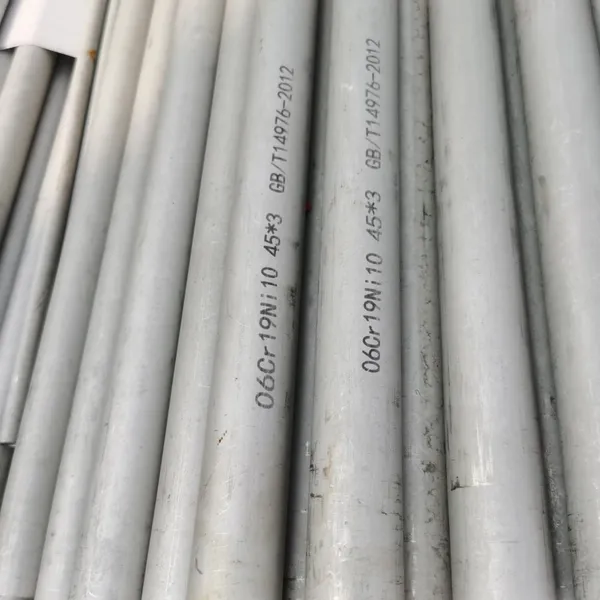
Factory TP309/TP309S/TP309H (UNS30900) Seamless Stainless Steel Pipe and Tube for Boiler BafflesUS$ 8MOQ: 200 Kilograms
-
TP347/TP347H/1.4961/S34709 Seamless Stainless Steel Pipe for UseNegotiableMOQ: 2 Meters
-
China 304 316 Stainless Steel Sanitary Welded Tube Food Grade Sanitary Grade Welded Pipe PolishingNegotiableMOQ: 1 Piece
-
China Manufacture Stainless Steel 316L Ba Seamless Welded Steel Pipe TubesUS$ 1760 - 1860MOQ: 5 Tons
-
316L/1.4405 Seamless Stainless Steel PipeNegotiableMOQ: 2 Meters
-
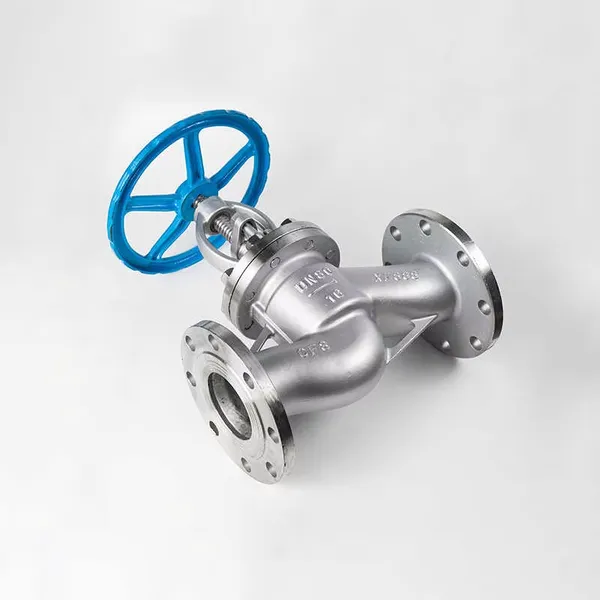
Stainless Steel Globe Valve – High Durability & Corrosion ResistanceNegotiableMOQ: 1 Piece
-
1.4529 Stainless Steel Flat Plate for Chemical Processing EquipmentUS$ 25 - 35MOQ: 1 Kilogram
-
Color Coated Steel Panels for Warehouse Partition Walls (Fireproof Grade)US$ 1 - 1.2MOQ: 50 Kilograms
-
Custom Width (600mm-1250mm) Colored Steel Coil With Scratch ResistanceUS$ 1 - 1.2MOQ: 50 Kilograms
-
0.5mm-3.0mm Colored Coated Steel Sheet With PVDF/Polyester CoatingUS$ 1 - 1.2MOQ: 50 Kilograms
-
JIS G 3322 Compliant Colored Coils With Third-Party Inspection ReportUS$ 1 - 1.2MOQ: 50 Kilograms